
10 Essential Landscape Photography Composition Tips
Master landscape photography with proven composition techniques. Learn rule of thirds, leading lines, foreground framing and more to create stunning images.
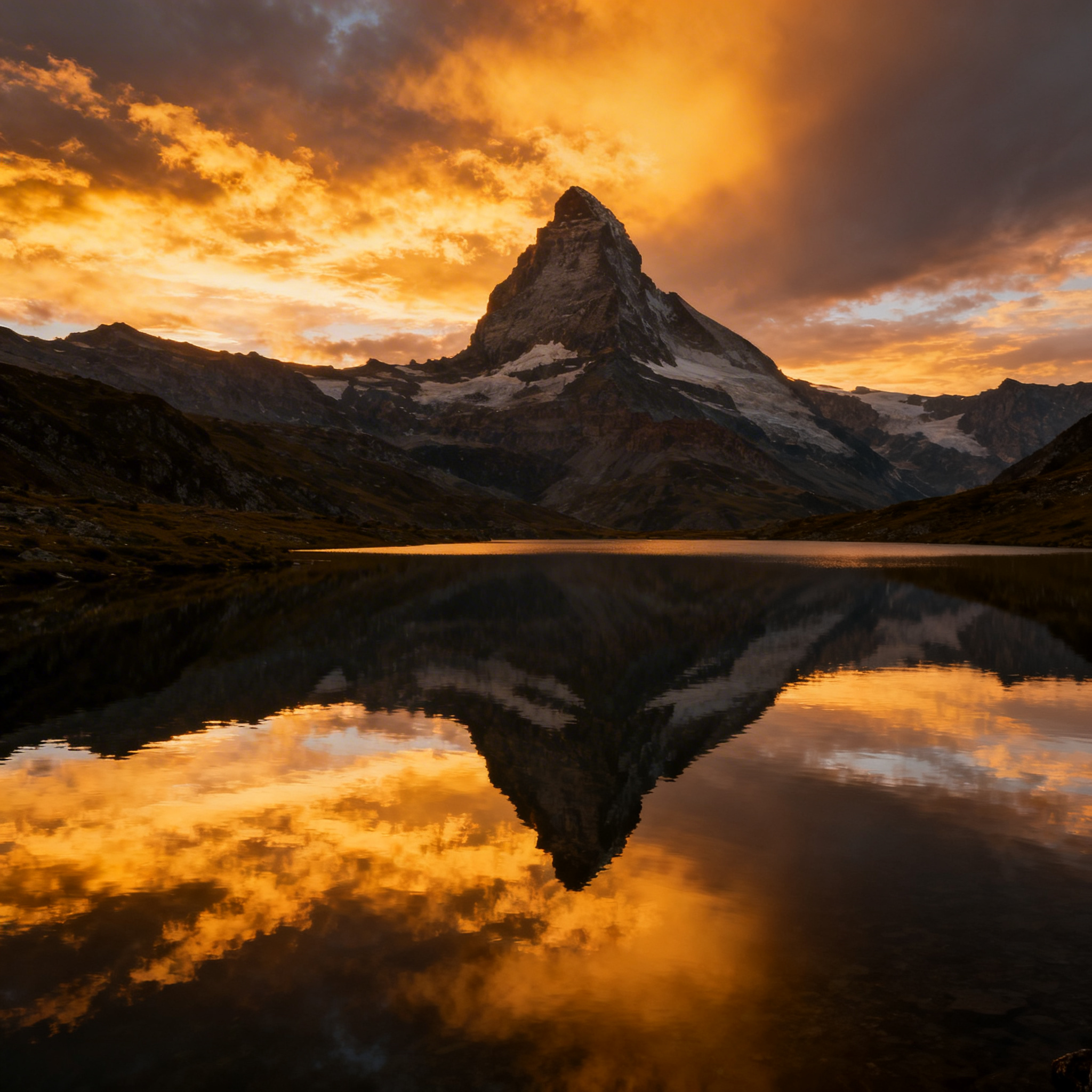
Master the Art of Landscape Photography Composition
Landscape photography offers some of the most rewarding and visually stunning opportunities for photographers, but capturing truly compelling images requires more than just pointing your camera at a beautiful scene. The key to creating impactful landscape photographs lies in understanding and applying fundamental composition principles that guide the viewer’s eye and create emotional connections with your images.
Whether you’re a beginner looking to improve your outdoor photography skills or an experienced photographer seeking to refine your compositional techniques, this comprehensive guide will walk you through proven strategies that will elevate your landscape photography from snapshots to fine art.
Understanding the Rule of Thirds in Landscape Photography
The rule of thirds forms the foundation of compelling landscape composition. This principle divides your frame into nine equal sections using two horizontal and two vertical lines, creating four intersection points that naturally draw the viewer’s attention.
Implementing the Rule of Thirds
Step 1: Enable Grid Lines
- Access your camera’s menu system
- Navigate to the display or viewfinder settings
- Turn on the grid line overlay
- Most modern cameras, including the Sony A7 IV, offer customizable grid options
Step 2: Position Key Elements
- Place horizons along either the upper or lower horizontal line
- Use the lower line when emphasizing dramatic skies
- Use the upper line when highlighting interesting foregrounds
- Position prominent vertical elements like trees or rock formations along the vertical lines
Step 3: Utilize Intersection Points
- Place focal points at the intersection of grid lines
- Position subjects like lone trees, rocks, or buildings at these power points
- Create multiple points of interest using different intersections
Advanced Rule of Thirds Applications
The rule of thirds becomes more powerful when you understand when to break it. Perfectly centered compositions work exceptionally well for symmetrical scenes like reflections in still water or architectural subjects. The key is making intentional compositional choices rather than defaulting to centered compositions out of habit.
Creating Dynamic Leading Lines
Leading lines are one of the most powerful tools in landscape photography, guiding viewers through your image and creating depth that transforms flat photographs into immersive experiences.
Types of Leading Lines in Landscapes
Natural Leading Lines:
- Shorelines and wave patterns
- Rock formations and geological striations
- Dried river beds and stream courses
- Mountain ridges and valley contours
- Sand dunes and wind-carved patterns
Compositional Leading Line Techniques:
Step 1: Scout for Strong Lines
- Arrive at locations during golden hour when shadows enhance textures
- Look for S-curves that create gentle, flowing movement
- Identify diagonal lines that add energy and dynamism
- Find converging lines that create perspective and depth
Step 2: Position Your Camera
- Get low to emphasize foreground leading lines
- Use wide-angle lenses (14-24mm) to exaggerate perspective
- Position lines to flow from corners toward your main subject
- Ensure lines don’t lead the eye out of the frame
Step 3: Balance Line Strength
- Avoid lines that overpower your main subject
- Use multiple subtle lines rather than one dominant line
- Create line hierarchies that guide viewers through the entire composition
Mastering Foreground, Middle Ground, and Background Elements
Three-dimensional depth separates exceptional landscape photographs from ordinary ones. Creating distinct layers in your composition adds visual interest and draws viewers into your scenes.
Building Effective Layers
Foreground Strategy:
- Include interesting elements within 3-10 feet of your camera
- Use rocks, flowers, driftwood, or textural elements
- Ensure foreground elements complement rather than compete with distant subjects
- Maintain sharp focus throughout using hyperfocal distance techniques
Camera Settings for Layered Compositions:
- Aperture: f/8 to f/11 for optimal sharpness across the frame
- ISO: Keep as low as possible (ISO 100-400) for maximum image quality
- Focus: Use hyperfocal distance focusing or focus stacking techniques
- Shutter Speed: Adjust based on wind conditions and desired motion effects
Step-by-Step Layering Process:
Step 1: Identify Your Background
- Choose compelling distant elements (mountains, clouds, horizon)
- Ensure background elements have strong shapes and contrast
- Consider how lighting affects background visibility
Step 2: Establish Middle Ground
- Look for elements that bridge foreground and background
- Use middle ground to create depth transitions
- Position middle ground elements to support your composition flow
Step 3: Select Compelling Foregrounds
- Move around to find foreground elements that enhance your story
- Get close to foreground subjects for maximum impact
- Ensure foreground elements have good light and contrast
Advanced Depth Techniques
Focus Stacking Method:
- Mount your camera on a sturdy tripod
- Take multiple shots focusing at different distances
- Start with the closest foreground element
- Progress through middle ground to background
- Blend images in post-processing software like Photoshop or Helicon Focus
Working with Natural Light and Golden Hour
Light quality dramatically impacts the effectiveness of your composition. Understanding how to work with different lighting conditions will help you make better compositional decisions in the field.
Golden Hour Composition Strategy
Morning Golden Hour (30 minutes before to 1 hour after sunrise):
- Plan compositions that face east for direct golden light
- Use side lighting to enhance texture and depth
- Position yourself for rim lighting on prominent subjects
- Capture blue hour transitions for dramatic sky contrast
Evening Golden Hour (1 hour before to 30 minutes after sunset):
- Scout westward-facing compositions during afternoon reconnaissance
- Look for opportunities to backlight subjects
- Use graduated neutral density filters to balance exposure
- Plan for extended twilight shooting opportunities
Lighting-Based Composition Adjustments
Overcast Conditions:
- Focus on intimate compositions with rich colors
- Emphasize foreground details and textures
- Use longer focal lengths to compress atmospheric layers
- Look for moody, minimalist compositions
Dramatic Weather:
- Position yourself safely to capture approaching storms
- Use fast shutter speeds to freeze dramatic cloud movement
- Include weather elements as compositional features
- Create contrast between calm foregrounds and dynamic skies
Advanced Composition Techniques
Symmetry and Reflections
Perfect reflections create powerful symmetrical compositions that work exceptionally well in landscape photography. Here’s how to maximize their impact:
Step 1: Find Still Water
- Visit locations during early morning calm conditions
- Look for protected bays, alpine lakes, or slow-moving rivers
- Check weather forecasts for minimal wind conditions
Step 2: Position for Perfect Reflections
- Get your camera as close to water level as possible
- Use a polarizing filter to control reflection intensity
- Ensure your horizon line is perfectly level
- Consider centering your horizon for true symmetrical balance
Color Theory in Landscape Composition
Understanding color relationships enhances the emotional impact of your landscape photographs:
Complementary Colors:
- Blue skies with orange/yellow sunlit subjects
- Purple mountain shadows with golden highlights
- Green forests with red autumn elements
Monochromatic Schemes:
- Blue hour seascapes with various blue tones
- Golden hour scenes with warm color variations
- Foggy conditions with subtle gray gradations
Negative Space and Minimalism
Sometimes the most powerful landscape compositions feature more empty space than detailed elements:
Creating Effective Negative Space:
- Use large areas of sky, water, or fog as negative space
- Position small subjects within expansive negative areas
- Balance detailed areas with simple, uncluttered spaces
- Use negative space to create emotional breathing room
Essential Camera Settings for Landscape Composition
Recommended Camera Configuration
Aperture Priority Mode Settings:
- Aperture: f/8 to f/11 for optimal lens sharpness
- ISO: 100-400 for maximum image quality
- Metering: Matrix/Evaluative for balanced exposures
- Focus: Single-point AF for precise focus control
Advanced Setting Optimizations:
- Enable highlight warnings to prevent overexposure
- Use RAW format for maximum post-processing flexibility
- Set up back-button focus for better focus control
- Configure custom function buttons for quick setting access
Exposure Techniques for Complex Lighting
Graduated Neutral Density Filters:
- 2-stop filters for moderate sky-to-foreground brightness differences
- 3-stop filters for dramatic sunrise/sunset conditions
- Soft-edge filters for uneven horizons
- Hard-edge filters for distinct horizon lines
Bracketing Strategy:
- Set your camera to automatic exposure bracketing (AEB)
- Use 3-5 frame brackets with 1-stop increments
- Focus on the most important exposure for single-shot needs
- Process brackets for HDR when dynamic range exceeds sensor capability
Seasonal Composition Considerations
Spring Landscape Composition
Key Elements:
- Wildflower meadows for colorful foregrounds
- Flowing water from snowmelt for dynamic elements
- Fresh green foliage for vibrant color palettes
- Dramatic weather patterns for interesting skies
Technical Considerations:
- Higher ISO tolerance due to longer daylight hours
- Polarizing filters to enhance spring foliage contrast
- Macro capabilities for intimate wildflower compositions
Winter Landscape Composition
Unique Opportunities:
- Minimalist compositions with snow as negative space
- Ice formations for interesting foreground textures
- Bare trees creating strong line elements
- Extended golden hour periods at higher latitudes
Equipment Adaptations:
- Battery performance decreases in cold weather
- Lens fogging when moving between temperature extremes
- Tripod stability on snow and ice surfaces
- Glove compatibility with camera controls
Common Composition Mistakes to Avoid
Horizon Line Problems
Tilted Horizons:
- Always check your camera’s electronic level
- Use post-processing tools to correct minor tilts
- Be especially careful when shooting handheld
Poorly Positioned Horizons:
- Avoid placing horizons in the center unless intentional
- Don’t cut prominent subjects in half with horizon placement
- Consider the visual weight of sky versus land elements
Cluttered Compositions
Simplification Strategies:
- Remove distracting elements through positioning changes
- Use longer focal lengths to isolate key subjects
- Wait for better lighting to separate important elements
- Apply the “subtraction principle” – remove rather than add elements
Lack of Focal Point
Every strong composition needs a clear subject or focal point:
Creating Clear Focal Points:
- Use contrast to make subjects stand out
- Apply selective lighting to highlight key elements
- Position subjects using compositional guidelines
- Ensure focal points have adequate visual separation
Post-Processing for Enhanced Composition
While this tutorial focuses on in-camera composition techniques, understanding how post-processing can enhance your compositional choices is valuable:
Compositional Refinements in Post
Crop Adjustments:
- Fine-tune rule of thirds positioning
- Remove distracting edge elements
- Experiment with different aspect ratios
- Strengthen leading lines through strategic cropping
Emphasis Techniques:
- Use graduated adjustments to balance exposures
- Apply radial filters to draw attention to focal points
- Enhance color contrast to strengthen compositional elements
- Adjust clarity and texture to emphasize important areas
Building Your Landscape Photography Kit
Essential Gear for Better Compositions
The Sony A7 IV represents an excellent choice for landscape photography, offering high resolution, excellent dynamic range, and weather sealing for challenging outdoor conditions.
Key Features for Landscape Composition:
- 33-megapixel full-frame sensor for detailed captures
- 5-axis in-body image stabilization for sharp handheld shots
- Weather sealing for challenging outdoor conditions
- Articulating LCD screen for low-angle compositions
Recommended Lens Selection:
- Wide-angle zoom (16-35mm) for expansive landscape compositions
- Standard zoom (24-70mm) for versatile framing options
- Telephoto zoom (70-200mm) for compressed perspective effects
Filter Systems for Enhanced Compositions
Essential Filters:
- Circular polarizing filter for reflection control and color enhancement
- Graduated neutral density filters for high dynamic range scenes
- Solid neutral density filters for long exposure effects
- UV filters for lens protection in harsh outdoor environments
Developing Your Compositional Eye
Practice Exercises
Daily Composition Training:
- Spend 15 minutes daily analyzing successful landscape photographs
- Identify compositional techniques used in images you admire
- Practice visualizing compositions before raising your camera
- Experiment with different perspectives on familiar subjects
Field Practice Sessions:
- Visit the same location multiple times under different conditions
- Force yourself to find 10 different compositions in one location
- Practice with only one focal length for entire shooting sessions
- Focus on specific compositional techniques during individual outings
Learning from Master Landscape Photographers
Study the work of accomplished landscape photographers to understand how they apply compositional principles:
Analysis Techniques:
- Identify leading lines and how they guide viewer attention
- Notice how masters balance various compositional elements
- Observe their use of light to enhance compositional strength
- Study their approach to foreground, middle ground, and background relationships
Conclusion and Key Takeaways
Mastering landscape photography composition requires patience, practice, and a willingness to experiment with different techniques and perspectives. The principles outlined in this guide provide a solid foundation for creating compelling landscape photographs, but remember that rules exist to be broken intelligently once you understand their underlying purposes.
Essential Points to Remember:
- Master the Fundamentals: The rule of thirds, leading lines, and layered compositions form the backbone of strong landscape photography
- Work with Light: Understanding how different lighting conditions affect your compositional choices will dramatically improve your results
- Practice Regularly: Consistent practice and analysis of your work accelerates improvement more than sporadic shooting sessions
- Invest in Quality Equipment: Tools like the Sony A7 IV provide the technical capabilities needed to execute your creative vision
- Develop Your Personal Style: While learning established techniques is important, developing your unique compositional voice sets your work apart
The journey to mastering landscape photography composition is ongoing, with each location and lighting condition presenting new opportunities to apply and refine these techniques. Start with these fundamental principles, practice them consistently, and gradually develop your ability to see and capture the extraordinary compositions that nature provides.
Remember that technical perfection serves creative vision – use these compositional tools to support your artistic goals rather than letting them constrain your creativity. The most memorable landscape photographs combine solid technical execution with personal artistic expression, creating images that not only document beautiful places but also convey the photographer’s unique perspective and emotional connection to the natural world.
Related Tags
Looking for the Best Camera Deals?
Check out our latest buying guides and comparison articles to find the perfect camera for your needs.
Browse Buying Guides