
10 Essential Landscape Photography Composition Tips for Stunning Photos
Master landscape photography with proven composition techniques. Learn rule of thirds, leading lines, foreground elements & more to create captivating images.
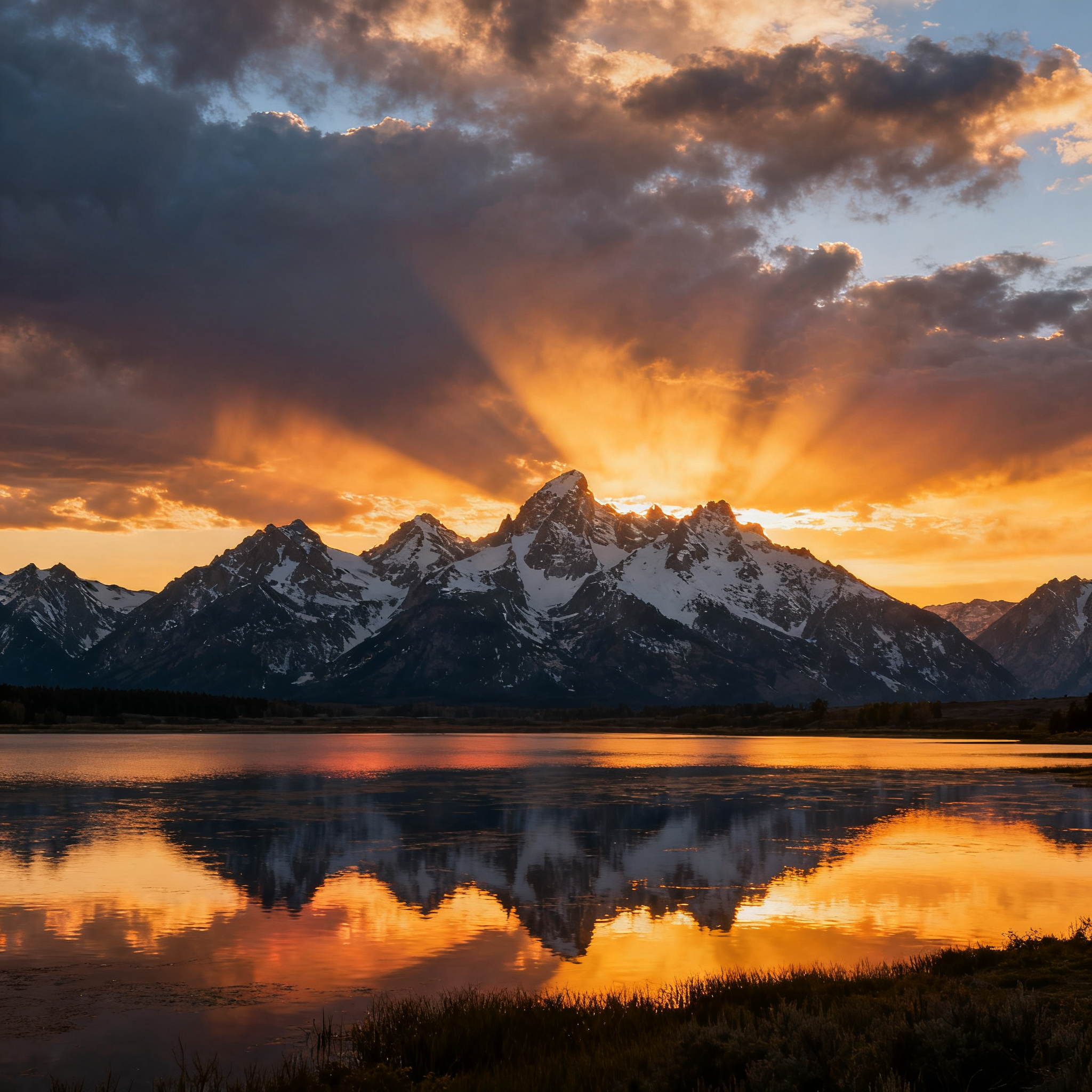
Understanding the Fundamentals of Landscape Photography Composition
Landscape photography is more than just pointing your camera at a beautiful scene and pressing the shutter. The difference between a snapshot and a compelling landscape photograph lies in thoughtful composition. Great composition transforms ordinary scenes into extraordinary images that captivate viewers and evoke emotions.
Whether you’re using a professional camera like the Sony A7 IV or working with more basic equipment, understanding composition principles will dramatically improve your landscape photography. These techniques are universal and apply regardless of your gear.
Essential Composition Rules for Landscape Photography
The Rule of Thirds: Your Foundation for Better Shots
The rule of thirds is perhaps the most fundamental composition technique in photography. Instead of placing your horizon line in the center of the frame, divide your image into nine equal sections using two horizontal and two vertical lines.
Step-by-Step Application:
- Enable grid lines on your camera’s LCD screen or viewfinder
- Position your horizon along either the upper or lower third line
- Place key elements like trees, rocks, or buildings at the intersection points
- Consider the emphasis - use the upper third for dramatic skies, lower third for interesting foregrounds
Pro Tip: The rule of thirds isn’t absolute. Sometimes centering your horizon creates perfect symmetry, especially with reflections in water. Learn the rule first, then know when to break it effectively.
Leading Lines: Guiding the Viewer’s Eye
Leading lines are one of the most powerful tools for creating depth and drawing viewers into your landscape images. These lines guide the eye through the composition toward your main subject or focal point.
Types of Leading Lines in Landscapes:
- Natural lines: Rivers, shorelines, rock formations, fallen logs
- Man-made lines: Paths, fences, roads, bridges
- Implied lines: Arrangement of rocks, cloud formations, shadow edges
Implementation Steps:
- Scout your location and identify potential leading lines
- Position yourself so the lines start from the bottom corners or edges of your frame
- Use wide-angle lenses (14-35mm) to emphasize the lines and create perspective
- Adjust your height - sometimes getting low or finding elevation changes everything
Foreground, Middle Ground, and Background: Creating Depth
Compelling landscape photographs create a sense of three-dimensional depth on a two-dimensional medium. The key is to include interesting elements at different distances from your camera.
Building Layered Compositions:
Foreground (0-10 feet):
- Include rocks, flowers, driftwood, or other interesting objects
- Use wide-angle lenses to exaggerate foreground elements
- Get close to foreground subjects for dramatic impact
Middle Ground (10-100 feet):
- Features like trees, hills, or structures
- Provides transition between foreground and background
- Often contains your main subject
Background (100+ feet):
- Mountains, distant hills, or sky
- Provides context and scale
- Consider atmospheric perspective and haze
Camera Settings for Maximum Depth:
- Aperture: f/8 to f/16 for maximum depth of field
- Focus: Use hyperfocal distance focusing or focus stacking
- ISO: Keep as low as possible (100-400) for best image quality
Advanced Composition Techniques
Framing: Creating Natural Borders
Natural framing uses elements in your scene to create a border around your main subject. This technique adds depth and draws attention to your focal point while creating a more immersive viewing experience.
Effective Framing Elements:
- Overhanging branches or cave openings
- Rock arches or formations
- Architectural elements like bridges or structures
- Foreground vegetation that creates partial frames
Technical Considerations:
- Expose for your main subject, not the frame
- Use spot or center-weighted metering to avoid underexposure
- Consider focus stacking when frame and subject are at different distances
- Watch for distracting elements within your natural frame
Symmetry and Reflections: Perfect Balance
Symmetrical compositions create powerful, harmonious images that feel balanced and pleasing to the eye. Water reflections offer perfect opportunities for symmetrical landscape photography.
Creating Symmetrical Compositions:
- Find calm water - early morning often provides the stillest conditions
- Center your horizon line to emphasize perfect symmetry
- Use a polarizing filter to control reflections and reduce glare
- Focus on the actual subject, not the reflection, for sharpest results
- Use a tripod for precise positioning and sharp images
Breaking Symmetry Strategically: Sometimes adding a small element that breaks perfect symmetry creates more visual interest - a single bird, a floating leaf, or ripples in one area can enhance rather than diminish the composition.
Color Theory in Landscape Photography
Understanding color relationships can dramatically improve your landscape compositions. Colors evoke emotions and create visual harmony or tension in your images.
Complementary Colors:
- Orange and blue: Sunset/sunrise skies with blue hour lighting
- Red and green: Fall foliage against evergreen forests
- Yellow and purple: Golden light on lavender or lupine fields
Analogous Colors:
- Warm tones: Reds, oranges, and yellows in desert landscapes
- Cool tones: Blues, greens, and purples in mountain scenes
Color Temperature Considerations:
- Golden hour (warm): 3000-4000K color temperature
- Blue hour (cool): 6000-8000K color temperature
- White balance settings: Adjust to enhance or neutralize color casts
Technical Settings for Optimal Results
Camera Settings for Landscape Photography
Aperture Priority Mode (A/Av): Most landscape photographers prefer aperture priority mode for consistent depth of field control.
Recommended Settings:
| Setting | Recommended Value | Reason |
|---|---|---|
| Aperture | f/8 to f/11 | Sweet spot for most lenses, good depth of field |
| ISO | 100-400 | Lowest noise, best dynamic range |
| Focus Mode | Single AF (AF-S/One Shot) | Stationary subjects don’t need continuous focus |
| Metering | Matrix/Evaluative | Best for varied lighting conditions |
| File Format | RAW + JPEG | Maximum post-processing flexibility |
Manual Mode Situations:
- Consistent lighting: When light conditions remain stable
- HDR photography: For consistent exposure across multiple frames
- Long exposures: For water movement or cloud streaks
Focus Techniques for Sharp Landscapes
Hyperfocal Distance Focusing:
- Calculate hyperfocal distance using apps like PhotoPills or HyperFocal Pro
- Focus at the hyperfocal point for maximum depth of field
- Double-check with depth of field preview if your camera has this feature
Focus Stacking Method:
When hyperfocal distance isn’t sufficient:
- Take multiple shots focused at different distances
- Start with foreground focus and work toward infinity
- Overlap focus points by about 30%
- Blend in post-processing using software like Helicon Focus or Photoshop
Lighting: The Key to Dramatic Landscapes
Golden Hour Magic
The hour after sunrise and before sunset provides the most flattering light for landscape photography. The warm, soft light enhances colors and creates long shadows that add depth and dimension.
Golden Hour Strategy:
- Arrive early - be in position 30 minutes before optimal light
- Scout during midday visits to plan your compositions
- Use graduated ND filters to balance sky and foreground exposure
- Work quickly - the best light often lasts only 10-15 minutes
Blue Hour Opportunities
The period just after sunset or before sunrise when the sky takes on deep blue tones offers unique opportunities for landscape photography.
Blue Hour Techniques:
- Extended exposures: 30 seconds to several minutes
- Artificial light sources: Cityscapes, lighthouses, or campfires
- Color contrast: Warm artificial lights against cool blue skies
- Tripod essential: Longer exposures require absolute stability
Overcast Conditions: Hidden Opportunities
Don’t pack up your camera when the weather turns cloudy. Overcast skies provide excellent conditions for certain types of landscape photography.
Advantages of Overcast Light:
- Even illumination: No harsh shadows or blown highlights
- Saturated colors: Particularly effective for forests and waterfalls
- Dramatic mood: Stormy skies can add emotional impact
- Extended shooting time: No rush during brief golden hour
Field Techniques and Practical Tips
Scouting and Planning
Digital Scouting Tools:
- Google Earth: Identify interesting terrain and compositions
- PhotoPills: Plan sun and moon positions for any location
- Tide charts: Essential for coastal photography
- Weather apps: Track cloud cover and atmospheric conditions
Physical Scouting:
- Visit during different seasons to see how locations change
- Explore at midday when visibility is best for safety
- Note potential compositions and mark GPS coordinates
- Consider accessibility in various weather conditions
Safety and Preparation
Landscape photography often takes you to remote or challenging locations. Proper preparation ensures both your safety and photographic success.
Essential Gear Checklist:
- Sturdy tripod: Carbon fiber for lighter weight
- Extra batteries: Cold weather drains batteries quickly
- Lens cleaning kit: For moisture and dust removal
- Headlamp with red filter: Preserve night vision
- Weather protection: For both you and your equipment
Safety Considerations:
- Inform others of your photography plans and expected return
- Check weather conditions and be prepared for changes
- Carry emergency supplies: First aid kit, emergency shelter, extra food and water
- Know your limits: Don’t attempt dangerous shots for a photograph
Post-Processing for Enhanced Composition
While this tutorial focuses on in-camera composition, post-processing can enhance and refine your compositions.
Compositional Adjustments in Post:
- Cropping: Fine-tune your rule of thirds placement
- Graduated filters: Balance exposure between sky and foreground
- Radial filters: Draw attention to your focal point
- Color grading: Enhance color relationships and mood
Maintaining Natural Look:
Even with powerful post-processing tools, the goal should be to enhance rather than completely alter your landscape photographs. Strong composition in-camera reduces the need for heavy post-processing.
Common Composition Mistakes to Avoid
Tilted Horizons
Nothing ruins a landscape photograph faster than a crooked horizon line. Always check your horizon before shooting and use your camera’s built-in level if available.
Cluttered Compositions
Including too many elements can make your image feel chaotic. Practice simplification and ask yourself what each element adds to the overall composition.
Ignoring the Background
While foreground elements are important, don’t forget to check your background for distracting elements like power lines, trash, or unflattering mergers.
Center-Heavy Compositions
Placing everything in the center of your frame creates static, uninteresting compositions. Use the rule of thirds and other techniques to create more dynamic arrangements.
Seasonal Considerations for Landscape Photography
Spring Compositions
- Wildflower foregrounds with distant mountains
- Fresh green foliage and flowing water
- Dynamic weather with dramatic cloud formations
Summer Opportunities
- Extended golden hours in northern latitudes
- Alpine access to high-elevation locations
- Thunderstorm drama (photograph safely)
Autumn Colors
- Warm color palettes throughout the landscape
- Reflection photography in still water
- Contrast opportunities between evergreen and deciduous trees
Winter Minimalism
- Simplified compositions with snow-covered landscapes
- Monochromatic scenes emphasizing form and texture
- Extreme weather drama and unique lighting conditions
Building Your Landscape Photography Skills
Practice Exercises
Exercise 1: Rule of Thirds Mastery Spend one shooting session focusing exclusively on rule of thirds compositions. Take the same scene with horizon placement at different third lines and compare results.
Exercise 2: Leading Lines Challenge Find five different types of leading lines in your local area. Practice incorporating each type into compelling compositions.
Exercise 3: Color Harmony Hunt Dedicate shooting sessions to finding complementary and analogous color combinations in nature. Train your eye to see color relationships.
Studying Master Landscape Photographers
Learn from the masters by studying the work of renowned landscape photographers like Ansel Adams, Marc Adamus, and Michael Kenna. Analyze their compositions to understand why certain images work so well.
Equipment Recommendations for Landscape Photography
While composition matters more than gear, having the right tools can help you execute your vision more effectively.
Camera Bodies
The Sony A7 IV represents an excellent choice for landscape photography, offering high resolution, excellent dynamic range, and robust build quality. Its 33-megapixel sensor provides plenty of detail for large prints, while the in-body image stabilization helps with handheld shots during golden hour.
Essential Lenses
- Wide-angle zoom (16-35mm): Versatile for most landscape compositions
- Standard zoom (24-70mm): Good for isolating specific elements
- Telephoto (70-200mm): Compressing distant elements and details
Filters for Better Compositions
- Circular polarizing filter: Reduces reflections and enhances sky contrast
- Graduated neutral density: Balances exposure between sky and foreground
- Solid neutral density: Enables long exposures for motion blur effects
Conclusion and Key Takeaways
Mastering landscape photography composition is a journey that combines technical knowledge with artistic vision. The techniques covered in this guide provide a solid foundation, but remember that rules are meant to be understood before they can be effectively broken.
Key Points to Remember:
- Start with fundamentals: Master the rule of thirds, leading lines, and depth creation before moving to advanced techniques
- Practice consistently: Regular shooting develops your eye for composition more than reading about it
- Study light: Great composition means little without compelling light to enhance your scene
- Plan and prepare: Successful landscape photography requires preparation, both technical and logistical
- Stay safe: No photograph is worth risking your safety or the safety of others
The most important advice for improving your landscape photography composition is to get out and practice. Each location presents unique challenges and opportunities. By applying these techniques consistently and developing your personal vision, you’ll create landscape photographs that not only document beautiful places but also convey the emotions and experiences that drew you to photography in the first place.
Remember, the Sony A7 IV and other high-quality cameras are tools that can help you execute your vision, but the most important element in any photograph is the photographer’s eye for composition. Master these fundamentals, practice regularly, and watch your landscape photography transform from simple documentation to compelling artistic expression.
Related Tags
Looking for the Best Camera Deals?
Check out our latest buying guides and comparison articles to find the perfect camera for your needs.
Browse Buying Guides