
AI in Photography: How Artificial Intelligence Changes Everything
Discover how AI is revolutionizing photography with smart editing, automated composition, and intelligent image enhancement. Explore the future of digital imaging.
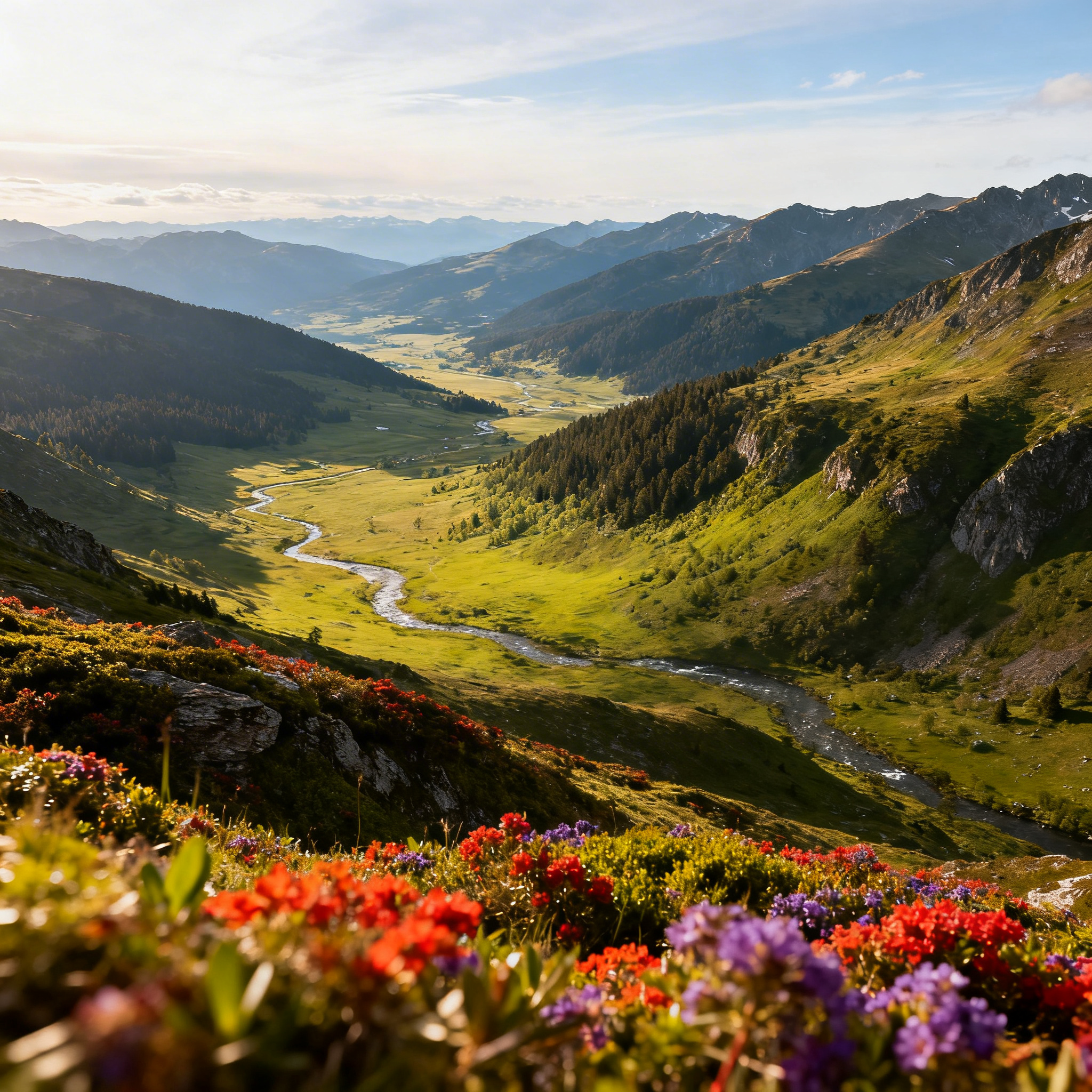
The photography industry stands at a revolutionary crossroads as artificial intelligence transforms every aspect of image creation, editing, and distribution. From automated exposure settings to generative image creation, AI is fundamentally reshaping how photographers work, how images are processed, and what constitutes authentic photography in the digital age.
Recent developments in AI-powered photography tools have accelerated beyond simple filters and automatic adjustments. Major camera manufacturers, software developers, and tech giants are integrating sophisticated machine learning algorithms that can recognize subjects, predict optimal settings, and even generate entirely new images from text descriptions. This technological evolution represents the most significant shift in photography since the transition from film to digital.
The Current State of AI in Photography
Smart Camera Technology
Modern cameras are increasingly equipped with AI-driven features that were unimaginable just a few years ago. The latest flagship models from Sony, Canon, and Nikon incorporate neural processing units specifically designed for computational photography. The Sony A7 IV, for instance, features real-time recognition technology that can identify and track human eyes, animal eyes, and even specific bird species with remarkable accuracy.
These smart cameras utilize machine learning algorithms trained on millions of images to make split-second decisions about focus, exposure, and composition. The AI can predict where a subject will move, adjust settings for optimal image quality, and even suggest compositional improvements through in-camera guidance systems.
AI-Powered Post-Processing
The post-processing landscape has been completely transformed by AI technology. Adobe’s Sensei AI, integrated into Lightroom and Photoshop, can automatically tag images, suggest edits, and perform complex selections with unprecedented precision. Similarly, specialized AI editing software like Luminar AI and ON1 NoNoise AI have democratized advanced editing techniques that previously required years of expertise to master.
These tools can automatically remove unwanted objects, enhance details, reduce noise, and even change lighting conditions in ways that appear completely natural. The AI analyzes the image content and applies contextually appropriate adjustments, understanding the difference between sky, foliage, skin tones, and architectural elements.
Generative AI and Image Creation
Perhaps the most controversial development is the emergence of generative AI platforms like DALL-E, Midjourney, and Stable Diffusion. These systems can create photorealistic images from text descriptions, raising fundamental questions about the nature of photography and artistic authorship. While these tools open new creative possibilities, they also challenge traditional notions of what constitutes authentic photography.
Impact on Professional Photographers
Workflow Efficiency
Professional photographers are experiencing dramatic improvements in workflow efficiency thanks to AI integration. Automated culling software can analyze thousands of images from a wedding or event shoot, identifying the best shots based on technical quality and composition principles. This technology saves hours of manual review time, allowing photographers to focus on creative decision-making and client interaction.
AI-powered batch processing has also revolutionized high-volume photography businesses. Portrait studios can now apply consistent, professional-grade edits to hundreds of images automatically, with the AI learning the photographer’s preferred style and applying it uniformly across entire sessions.
New Creative Possibilities
AI tools are opening creative avenues that were previously impossible or extremely time-consuming. Photographers can now experiment with style transfers, where the aesthetic of one image is applied to another while maintaining photographic realism. Background replacement has become seamless, allowing for creative compositions that blend multiple environments convincingly.
Advanced noise reduction algorithms powered by AI have extended the practical ISO range of cameras, enabling low-light photography in situations that were previously impossible without additional lighting equipment. This technological advancement is particularly valuable for documentary photographers, wedding photographers, and photojournalists who often work in challenging lighting conditions.
Challenges and Concerns
The integration of AI in photography also presents significant challenges for professionals. As automated tools become more sophisticated, there’s growing concern about the commoditization of basic photography skills. Simple portrait retouching, basic editing, and even some forms of creative editing can now be performed by AI with minimal human input.
Professional photographers are responding by focusing on areas where human creativity and emotional intelligence remain irreplaceable: storytelling, client relationships, artistic vision, and the ability to capture authentic moments that resonate with viewers on an emotional level.
Practical Applications Across Photography Genres
Portrait Photography
AI has revolutionized portrait photography through advanced skin smoothing algorithms that maintain natural texture while reducing blemishes. Eye enhancement tools can brighten and sharpen eyes while preserving their natural appearance. Hair selection and background replacement have become one-click operations, dramatically reducing the time required for professional portrait editing.
Modern portrait cameras equipped with AI can automatically detect multiple faces in group shots and ensure all subjects are in sharp focus. The technology can even recognize when someone is blinking and automatically capture additional frames to ensure perfect group portraits.
Wildlife and Nature Photography
Wildlife photographers benefit tremendously from AI-powered subject detection and tracking systems. These tools can identify specific animal species and predict their movement patterns, ensuring sharp focus on fast-moving subjects. Bird photography, in particular, has been transformed by AI systems that can recognize different species and adjust camera settings accordingly.
Landscape photographers are utilizing AI for advanced bracketing techniques, where the camera automatically captures multiple exposures and blends them for optimal dynamic range. AI-powered weather prediction and golden hour calculators help photographers plan shoots with greater precision.
Wedding and Event Photography
Wedding photographers are leveraging AI for rapid image sorting and initial editing workflows. The technology can identify key moments like the first kiss, ring exchange, and first dance, automatically flagging these important shots for priority editing. Face recognition technology helps organize images by individual guests, making album creation more efficient.
Low-light performance enhancements through AI noise reduction allow wedding photographers to capture ceremony moments without intrusive flash photography, preserving the natural ambiance while maintaining image quality.
Commercial and Product Photography
E-commerce and product photography have been transformed by AI-powered background removal and product isolation tools. These systems can automatically separate products from backgrounds with precision that rivals manual masking techniques. Automated perspective correction and lens distortion removal ensure product images meet commercial standards without extensive manual editing.
Batch processing capabilities allow commercial photographers to maintain consistent lighting and color across large product catalogs, with AI learning brand-specific style preferences and applying them automatically.
Real-World Tips for Embracing AI in Photography
Choosing the Right Tools
When selecting AI-powered photography tools, consider your specific workflow needs rather than being swayed by marketing hype. Start with one or two tools that address your biggest pain points, whether that’s culling, noise reduction, or specific editing tasks. Master these tools thoroughly before adding additional AI solutions to your workflow.
For camera selection, prioritize AI features that align with your photography style. Portrait photographers should focus on eye detection and skin tone optimization, while wildlife photographers should emphasize subject tracking and burst mode capabilities.
Maintaining Creative Control
While AI tools can dramatically improve efficiency, it’s crucial to maintain creative control over your final images. Use AI as a starting point rather than an endpoint, making manual adjustments to ensure your artistic vision is fully realized. Develop a consistent editing style that incorporates AI assistance while preserving your unique aesthetic.
Regularly review and adjust AI settings to ensure they align with your creative goals. Most AI tools offer customization options that can be fine-tuned to match your preferred style and output requirements.
Staying Current with Technology
The AI photography landscape evolves rapidly, with new features and capabilities emerging regularly. Subscribe to industry publications, join photographer communities, and participate in workshops to stay informed about the latest developments. Many AI tool developers offer free trials, allowing you to experiment with new technologies before making purchasing decisions.
Consider the long-term implications of AI integration in your business model. While automation can improve efficiency, focus on developing skills and services that leverage uniquely human capabilities like creative vision, emotional intelligence, and client relationships.
The Future Landscape of AI Photography
Emerging Technologies
The next wave of AI photography innovations will likely focus on real-time processing capabilities and enhanced creative tools. We can expect to see cameras with more sophisticated scene recognition that can automatically adjust settings for complex lighting scenarios and mixed subject types.
Augmented reality integration will likely play a significant role in future photography workflows, with AI providing real-time composition suggestions, lighting analysis, and even historical or environmental context for documentary photography.
Ethical Considerations
As AI becomes more prevalent in photography, the industry must address ethical questions about image authenticity, manipulation disclosure, and the rights of AI-generated content. Professional photography organizations are beginning to develop guidelines for AI use in various photography contexts, from journalism to commercial applications.
The distinction between AI-assisted photography and AI-generated imagery will become increasingly important for maintaining trust with clients and audiences. Transparency about the use of AI tools in image creation and editing will likely become a professional standard.
Industry Evolution
The photography industry will continue to evolve as AI capabilities expand. While some traditional skills may become less critical, new opportunities will emerge for photographers who can effectively combine AI tools with creative vision and technical expertise.
Education and training programs are already adapting to include AI tool proficiency alongside traditional photography skills. The most successful photographers will be those who can leverage AI to enhance their creative capabilities rather than replace their artistic judgment.
Conclusion and Recommendations
The integration of AI in photography represents an unprecedented opportunity for creative and technical advancement. Rather than replacing human photographers, AI tools are enhancing capabilities, improving efficiency, and opening new creative possibilities. The key to success in this evolving landscape is embracing AI as a powerful assistant while maintaining focus on the uniquely human elements of photography: storytelling, emotional connection, and artistic vision.
For photographers looking to integrate AI into their workflows, start with tools that address specific pain points in your current process. Whether that’s automated culling, advanced noise reduction, or precise subject selection, choose AI solutions that enhance rather than complicate your workflow. Invest time in learning these tools thoroughly and customizing them to match your creative style.
Consider upgrading to modern camera equipment that includes AI-powered features relevant to your photography style. The Sony A7 IV and similar flagship models offer sophisticated AI capabilities that can significantly improve shooting efficiency and success rates.
Most importantly, view AI as an enabler of creativity rather than a replacement for artistic skill. The photographers who thrive in this new landscape will be those who can combine the efficiency and capability of AI tools with the irreplaceable human elements of vision, emotion, and storytelling. The future of photography belongs to those who can master this balance, creating images that are both technically excellent and emotionally resonant.
The AI revolution in photography is not just changing how we capture and edit images—it’s expanding the very definition of what photography can be. Embrace these changes thoughtfully, and they will enhance rather than diminish your creative potential.
Related Tags
Looking for the Best Camera Deals?
Check out our latest buying guides and comparison articles to find the perfect camera for your needs.
Browse Buying Guides