
Best 35mm Film Cameras 2026: Complete Buyer's Guide
Discover the top 35mm film cameras for 2026. Expert reviews, buying tips, and detailed comparisons to help you choose the perfect analog camera.
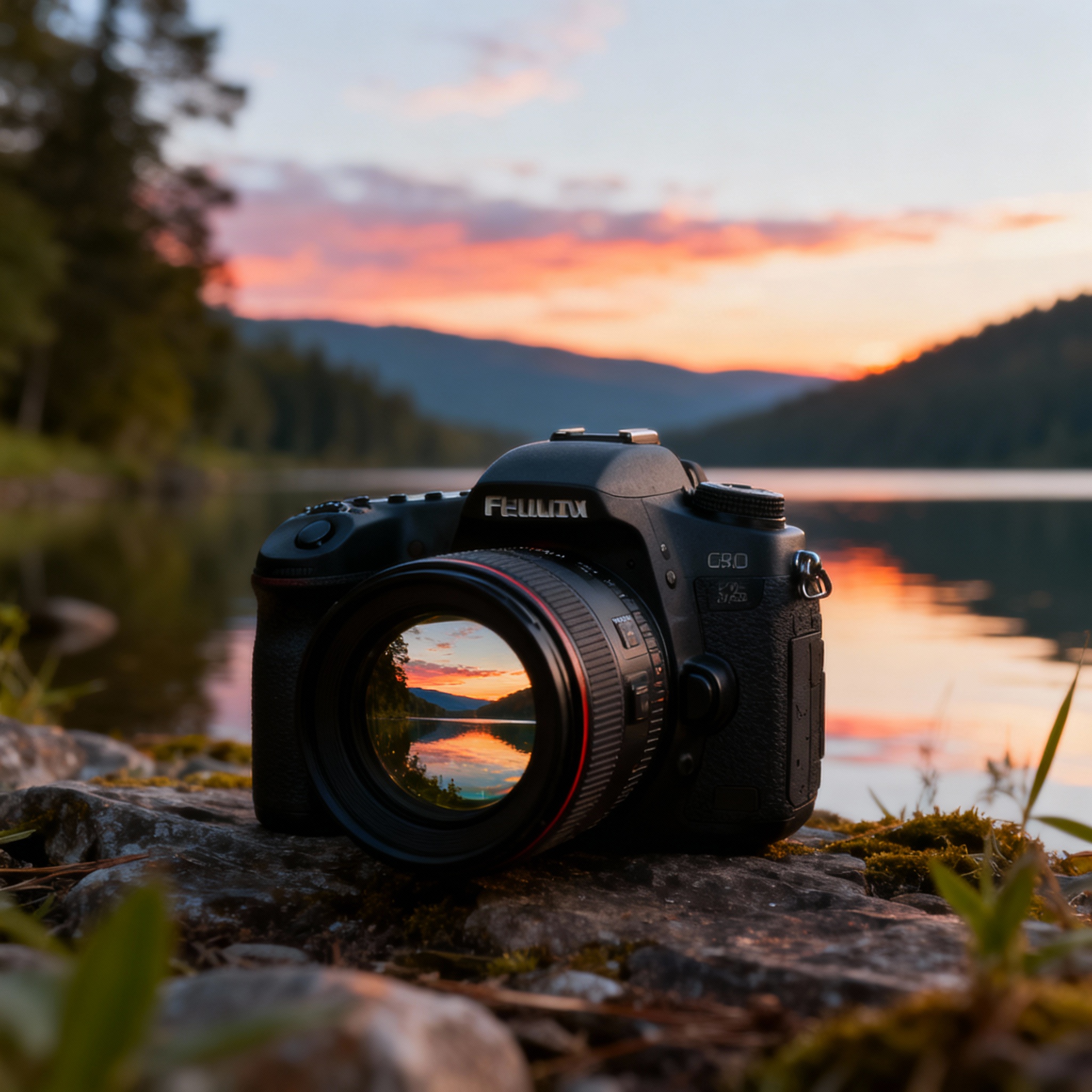
The resurgence of analog photography has been nothing short of remarkable. As we enter 2026, film photography continues to captivate both seasoned professionals and newcomers alike, offering a tactile, deliberate approach to image-making that digital simply can’t replicate. Whether you’re drawn to the distinctive aesthetic of film grain or the mindful process of shooting with limited frames, choosing the right 35mm camera is crucial to your photographic journey.
In this comprehensive buyer’s guide, we’ll explore the best 35mm film cameras available in 2026, covering everything from budget-friendly options for beginners to professional-grade bodies for serious enthusiasts. We’ll also dive into key features to consider, maintenance tips, and how film photography complements modern digital workflows.
Why Choose 35mm Film in 2026?
Despite living in an increasingly digital world, 35mm film photography offers unique advantages that continue to draw photographers. The format provides an authentic, organic aesthetic with natural grain structure and color rendition that many find more pleasing than digital alternatives. Film forces you to slow down, think critically about each shot, and develop a deeper understanding of exposure and composition fundamentals.
Moreover, 35mm cameras are often more affordable than their digital counterparts, and many vintage models offer exceptional build quality that has stood the test of time. The satisfaction of developing your own film and seeing physical prints adds a tangible element to photography that screen-based viewing simply cannot match.
What to Look for in a 35mm Film Camera
Camera Type and Design
SLR (Single Lens Reflex) Cameras offer through-the-lens viewing, making composition and focusing more accurate. They’re ideal for beginners learning photography fundamentals and provide excellent control over settings.
Rangefinder Cameras are typically more compact and quieter than SLRs, making them perfect for street photography. They offer a different focusing system that some photographers prefer for its speed and accuracy in good light.
Point-and-Shoot Cameras provide convenience and automation while still delivering the film aesthetic. These are excellent for casual users who want film results without manual complexity.
Lens Mount and Availability
Consider the camera’s lens mount system and the availability of lenses. Popular mounts like Canon FD, Nikon F, and Pentax K have extensive lens ecosystems with options ranging from budget-friendly to professional-grade optics.
Metering System
Built-in light meters help determine proper exposure settings. Look for cameras with reliable, accurate metering systems, though remember that batteries may be required and vintage meters might need calibration.
Build Quality and Reliability
Mechanical cameras often prove more reliable long-term than electronic ones, as they have fewer components that can fail. However, electronic cameras may offer more advanced features and automation.
Top 35mm Film Camera Picks for 2026
Best Overall: Canon AE-1
The Canon AE-1 remains one of the most popular 35mm SLR cameras, and for good reason. This camera strikes an excellent balance between manual control and automatic convenience, making it perfect for both beginners and experienced photographers.
Key Features:
- Aperture-priority automatic exposure
- Built-in light meter
- Extensive Canon FD lens system
- Durable construction
- Affordable price point
Specs:
| Specification | Details |
|---|---|
| Type | 35mm SLR |
| Metering | Center-weighted TTL |
| Shutter Speeds | 1/1000 to 2 seconds, Bulb |
| Viewfinder | Pentaprism, 0.83x magnification |
| Battery | 4LR44 (6V) |
| Weight | 590g |
The AE-1’s aperture-priority mode allows you to set the desired aperture while the camera selects the appropriate shutter speed, making it ideal for learning exposure principles. The Canon FD lens mount provides access to dozens of high-quality lenses at various price points.
Best Budget Option: Pentax K1000
For those starting their film photography journey, the Pentax K1000 offers exceptional value. This fully manual camera teaches proper exposure fundamentals while delivering outstanding image quality.
Key Features:
- Fully manual operation
- Simple, reliable light meter
- Pentax K-mount lens compatibility
- Extremely durable construction
- No batteries required for basic operation
The K1000’s simplicity is its greatest strength. With manual focus, aperture, and shutter speed control, this camera forces you to learn photography fundamentals. The match-needle metering system is intuitive and reliable, requiring only a single battery for the light meter while all other functions remain mechanical.
Best Rangefinder: Leica M6
For photographers seeking the ultimate rangefinder experience, the Leica M6 represents the pinnacle of 35mm camera design. While significantly more expensive than other options, its build quality and image quality are unmatched.
Key Features:
- Precise rangefinder focusing
- TTL light metering
- Exceptional build quality
- Access to legendary Leica M lenses
- Quiet operation
Specs:
| Specification | Details |
|---|---|
| Type | 35mm Rangefinder |
| Metering | Selective TTL |
| Shutter Speeds | 1/1000 to 1 second, Bulb |
| Viewfinder | Bright-line frames |
| Battery | 2x LR44 |
| Weight | 585g |
The M6’s rangefinder system provides incredibly accurate focusing, especially for wider lenses. Its nearly silent operation makes it ideal for street photography and photojournalism. However, the high price point makes this camera suitable primarily for serious enthusiasts and professionals.
Best Point-and-Shoot: Contax T2
The Contax T2 delivers professional image quality in a compact, automated package. Its Carl Zeiss lens and titanium construction make it a premium option for those wanting film photography without manual complexity.
Key Features:
- Carl Zeiss Sonnar 38mm f/2.8 lens
- Titanium body construction
- Automatic exposure and focus
- Compact, portable design
- Flash capability
While point-and-shoot cameras sacrifice some creative control, the T2’s exceptional lens and build quality produce results that rival much larger cameras. Its compact size makes it perfect for travel and casual photography.
Best Professional Option: Nikon F3
Professional photographers often gravitate toward the Nikon F3 for its robust construction, extensive feature set, and compatibility with Nikon’s vast F-mount lens system.
Key Features:
- Aperture-priority and manual modes
- Interchangeable focusing screens
- Extensive Nikon F-mount lens compatibility
- Professional build quality
- Motor drive capability
Specs:
| Specification | Details |
|---|---|
| Type | 35mm SLR |
| Metering | Center-weighted TTL |
| Shutter Speeds | 1/2000 to 8 seconds |
| Viewfinder | Fixed pentaprism, 0.8x |
| Battery | 2x LR44 |
| Weight | 700g |
The F3’s electronic shutter provides precise timing, while its robust construction can withstand professional use. The camera’s compatibility with decades of Nikon lenses makes it an excellent long-term investment.
Budget Considerations and Value Options
Entry-Level Cameras ($50-150)
For beginners, several excellent options exist without breaking the bank:
- Canon AE-1 Program: Offers more automation than the standard AE-1
- Minolta X-700: Features program mode and excellent metering
- Pentax ME Super: Compact SLR with aperture-priority automation
Mid-Range Cameras ($150-500)
These cameras offer additional features and often better build quality:
- Canon A-1: Full program mode with extensive automation options
- Nikon FM2: Mechanical reliability with modern features
- Olympus OM-1: Compact design with professional capabilities
High-End Options ($500+)
Premium cameras for serious enthusiasts and professionals:
- Leica M series: Ultimate rangefinder experience
- Canon F-1: Professional-grade SLR with extensive system support
- Hasselblad Xpan: Unique panoramic format capabilities
Essential Accessories and Maintenance
Must-Have Accessories
Light Meter: If your camera lacks built-in metering or you want backup measurement, a handheld light meter proves invaluable. Incident meters often provide more accurate readings than reflective meters.
Camera Strap: A quality strap prevents accidents and makes carrying more comfortable. Consider the camera’s weight and your shooting style when selecting.
Lens Filters: UV filters protect your lens, while polarizing and neutral density filters expand creative possibilities.
Cleaning Kit: Regular maintenance keeps your camera functioning properly. Include lens cleaning solution, microfiber cloths, and a soft brush for removing dust.
Maintenance Tips
Regular maintenance extends your camera’s life and ensures consistent performance:
- Clean the viewfinder and mirror regularly with appropriate tools
- Check light seals annually, replacing them if deteriorated
- Exercise the shutter periodically if the camera sits unused
- Store in a dry environment with proper temperature control
- Service vintage cameras every few years by qualified technicians
Film Selection and Development
Popular Film Stocks
Color Negative Films:
- Kodak Portra series: Excellent for portraits and natural skin tones
- Fujifilm C200: Budget-friendly option with pleasing color rendition
- Kodak Gold: Warm, nostalgic color palette
Black and White Films:
- Ilford HP5 Plus: Versatile, pushable film suitable for various conditions
- Kodak Tri-X: Classic high-contrast look preferred by many professionals
- Fujifilm Acros: Fine grain with excellent shadow detail
Slide Films:
- Fujifilm Velvia: Saturated colors ideal for landscapes
- Kodak Ektachrome: Balanced color reproduction
Development Options
Professional Labs offer consistent results and specialized services like push/pull processing. Many labs now offer digital scanning services, making it easy to share and edit your images.
Home Development provides complete creative control and reduces long-term costs. Black and white development is relatively straightforward, while color processing requires more precise temperature and timing control.
Hybrid Workflow combines film shooting with digital scanning and editing. Many photographers scan their negatives and use software like Lightroom or Photoshop for post-processing, combining analog capture with digital convenience.
Digital Integration and Modern Workflow
Many contemporary photographers incorporate film into predominantly digital workflows. High-quality scanners like the Epson V850 or dedicated film scanners provide excellent digitization. Some photographers use digital cameras like the Sony A7 IV alongside their film cameras, using digital for testing compositions and lighting before committing to film.
Professional scanning services often provide better results than home scanning, especially for critical work. Many labs offer various resolution options and can deliver files optimized for different uses, from web sharing to large prints.
Common Mistakes to Avoid
Buying Decisions
- Prioritizing aesthetics over functionality: A beautiful camera that doesn’t work properly serves no purpose
- Ignoring lens ecosystem: Consider long-term lens availability and prices
- Overlooking service requirements: Factor in potential repair costs for vintage cameras
- Rushing purchases: Research thoroughly and buy from reputable sellers
Shooting Mistakes
- Not checking batteries: Many cameras require batteries for metering or basic operation
- Loading film incorrectly: Practice loading and ensure proper advancement
- Ignoring light seal condition: Deteriorated seals cause light leaks and ruined images
- Mixing up film speeds: Always match your meter to your film’s ISO rating
Future of 35mm Film Photography
Despite predictions of film’s demise, analog photography continues thriving in 2026. New film stocks occasionally appear, and companies like Kodak and Fujifilm maintain production of popular emulsions. The educational value of film photography remains significant, as it teaches fundamental concepts often lost in automatic digital cameras.
Many photography schools still include film in their curricula, recognizing its value for developing technical skills and artistic vision. The deliberate nature of film photography, combined with its distinctive aesthetic, ensures continued relevance in our increasingly digital world.
Conclusion and Recommendations
Choosing the perfect 35mm film camera depends on your specific needs, budget, and photographic goals. For beginners, the Canon AE-1 offers the ideal balance of automation and manual control, making it easy to learn while producing excellent results. Its extensive lens system and reasonable price make it our top overall recommendation.
Budget-conscious photographers should consider the Pentax K1000 for its simplicity and reliability, while those seeking premium performance should investigate the Leica M6 or Nikon F3, depending on whether they prefer rangefinder or SLR operation.
The Contax T2 serves photographers wanting film aesthetics without manual complexity, though any quality point-and-shoot camera can provide excellent results with much less investment.
Remember that the camera is just one part of the equation. Quality lenses, proper maintenance, and understanding your chosen film stocks contribute equally to successful results. Start with a reliable, well-regarded camera in your budget range, learn its capabilities thoroughly, and gradually expand your system as your skills and interests develop.
Film photography in 2026 offers a refreshing alternative to digital capture, providing both technical challenges and creative rewards. Whether you’re drawn to the process, the aesthetic, or the learning opportunities, a quality 35mm camera will serve as your gateway to this enduring art form. Take time to research your options, buy from reputable sources, and most importantly, start shooting – the best camera is the one you actually use.
Related Tags
Looking for the Best Camera Deals?
Check out our latest buying guides and comparison articles to find the perfect camera for your needs.
Browse Buying Guides