
Best APS-C Mirrorless Cameras 2026: Complete Buyer's Guide
Discover the top APS-C mirrorless cameras of 2026. Expert reviews, comparisons, and buying tips to help you choose the perfect camera for your needs.
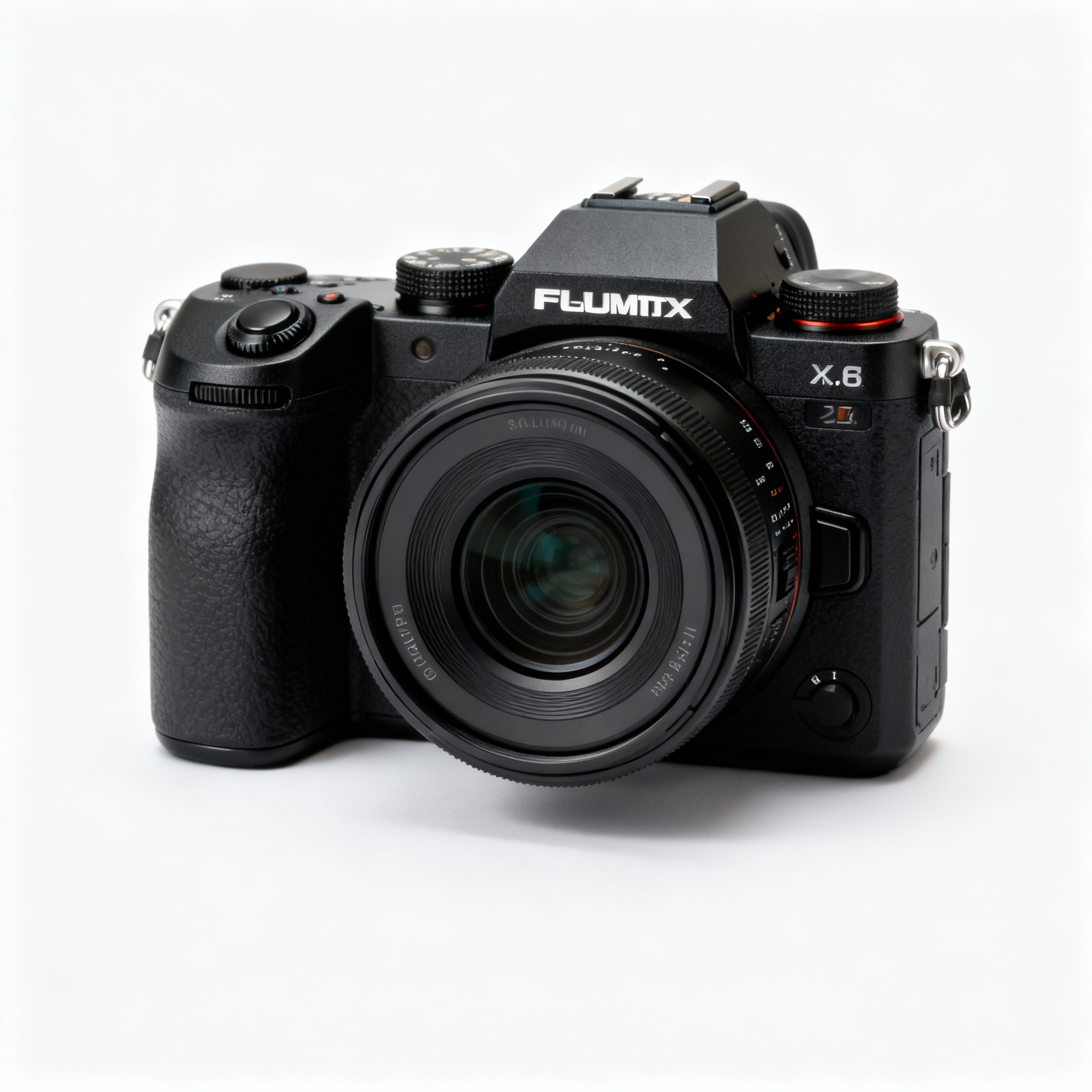
The APS-C mirrorless camera market continues to evolve rapidly, offering photographers incredible value, portability, and performance in 2026. Whether you’re stepping up from smartphone photography, upgrading from an older DSLR, or looking for a compact travel companion to complement your full-frame setup, APS-C mirrorless cameras deliver exceptional image quality without the bulk and expense of larger sensor systems.
In this comprehensive buyer’s guide, we’ll explore the best APS-C mirrorless cameras available in 2026, covering everything from budget-friendly options for beginners to professional-grade bodies that rival full-frame performance in many scenarios.
What Makes APS-C Mirrorless Cameras Special in 2026
APS-C sensors, measuring approximately 23.6 x 15.7mm, strike an optimal balance between image quality, lens size, and overall system weight. In 2026, these cameras have reached new heights of sophistication, incorporating advanced autofocus systems, in-body image stabilization, and computational photography features that were once exclusive to flagship models.
The crop factor of 1.5x (Sony/Fujifilm) or 1.6x (Canon) actually provides advantages for certain types of photography, particularly wildlife, sports, and street photography where the extra reach is beneficial. Modern APS-C sensors also perform remarkably well in low light, with many models offering usable ISO performance up to 6400 or higher.
Key Features to Consider When Buying an APS-C Mirrorless Camera
Sensor Technology and Image Quality
Modern APS-C sensors in 2026 typically range from 20-26 megapixels, providing excellent detail while maintaining good low-light performance. Look for cameras with backside-illuminated (BSI) sensors and advanced noise reduction algorithms. Many current models offer 14-bit RAW files with impressive dynamic range, rivaling what full-frame cameras offered just a few years ago.
Autofocus Performance
The autofocus systems in 2026 APS-C cameras are remarkably sophisticated, with many featuring AI-powered subject detection for humans, animals, vehicles, and even specific objects. Look for cameras with at least 400+ phase-detection points covering most of the frame, and real-time tracking capabilities that can maintain focus on moving subjects.
In-Body Image Stabilization (IBIS)
IBIS has become increasingly common in APS-C bodies, providing 5-7 stops of stabilization that works with any lens. This feature is particularly valuable for handheld shooting in low light, video work, and when using adapted vintage lenses.
Video Capabilities
Most APS-C cameras in 2026 offer 4K video recording, with many providing 4K/60p and some even offering 8K capabilities. Consider whether you need advanced video features like 10-bit internal recording, log profiles, or professional codecs if video is part of your workflow.
Build Quality and Weather Sealing
Weather sealing has become more common across price ranges, but the extent varies significantly. Consider your shooting environment and whether you need protection against dust and moisture.
Top APS-C Mirrorless Cameras of 2026
Best Overall: Sony Alpha a6700
The Sony a6700 represents the pinnacle of APS-C performance, combining a 26-megapixel BSI sensor with Sony’s latest BIONZ XR processor. The autofocus system features 759 phase-detection points with AI-powered subject recognition that’s incredibly reliable for both stills and video.
Key Specifications:
- 26MP APS-C BSI CMOS sensor
- 5-axis in-body image stabilization (7 stops)
- 4K/60p video with 10-bit internal recording
- 11fps continuous shooting with AF/AE tracking
- 3.0” fully articulating touchscreen
- Weather-sealed magnesium alloy body
The a6700 excels in almost every area, from sports photography to content creation. The improved grip and button layout address longtime ergonomic complaints about Sony’s APS-C line, while the active cooling system prevents overheating during extended video sessions.
Best for Beginners: Fujifilm X-S20
Fujifilm’s X-S20 offers an excellent entry point into the X-system, combining user-friendly operation with the renowned image quality of Fujifilm’s color science. The camera features a more traditional control layout that many find intuitive, along with extensive automatic modes for beginners.
Key Features:
- 26.1MP X-Trans CMOS 4 sensor
- 5-axis IBIS (7 stops)
- Film simulation modes including the popular Fujifilm looks
- Excellent battery life with USB-C charging
- Compact, lightweight design
- Subject detection autofocus
The X-S20 is particularly appealing for photographers who want beautiful JPEG output straight from the camera, thanks to Fujifilm’s legendary film simulations that have been refined over decades.
Best Value: Canon EOS R7
Canon’s R7 brings professional features to a more accessible price point, offering exceptional autofocus performance and weather sealing. The camera uses Canon’s Dual Pixel CMOS AF II system, which provides smooth, reliable focusing for both photo and video work.
Highlights:
- 32.5MP APS-C CMOS sensor
- Dual Pixel CMOS AF II with subject detection
- 15fps mechanical shutter, 30fps electronic
- 4K/60p video recording
- Weather-sealed body
- Excellent lens ecosystem compatibility
The R7 is particularly strong for wildlife and sports photography, offering reach equivalent to 52mm on the telephoto end when using full-frame lenses, plus excellent tracking autofocus.
Best for Content Creators: Sony a6600
While not the newest model, the a6600 remains highly relevant for content creators who prioritize video features and all-day battery life. The combination of excellent IBIS, unlimited recording time, and comprehensive video features makes it a favorite among YouTubers and social media creators.
Video-Focused Features:
- No recording time limits
- Real-time eye AF for video
- S-Log profiles for color grading
- Excellent low-light video performance
- Microphone and headphone jacks
- Long battery life
Budget-Friendly Options Under $800
Canon EOS R50
The R50 serves as an excellent entry point into Canon’s RF mount system, offering modern features at a very competitive price. While it lacks some premium features like IBIS, the image quality and user experience are excellent for the price point.
Fujifilm X-T30 II
This compact camera packs much of Fujifilm’s high-end technology into a smaller, more affordable package. The retro-styled controls and excellent image quality make it popular among street photographers and enthusiasts who want something more portable.
Sony a6100
Still competitive in 2026, the a6100 offers Sony’s excellent autofocus system and solid image quality at a budget-friendly price. While it lacks IBIS and some newer features, it’s an excellent choice for photographers just starting their mirrorless journey.
Lens Ecosystem Considerations
Canon RF-S and RF Mount
Canon’s RF mount offers both dedicated APS-C (RF-S) lenses and full-frame RF lenses that work seamlessly on APS-C bodies. The selection continues to grow, with excellent options ranging from affordable kit lenses to professional telephoto zooms.
Sony E-Mount
Sony’s E-mount system is incredibly mature, with extensive first-party and third-party lens options. The ability to use full-frame FE lenses provides tremendous flexibility, and Sony’s APS-C specific lenses are compact and affordable.
Fujifilm X-Mount
Fujifilm’s X-mount system is renowned for lens quality, with many options featuring fast apertures and exceptional optical performance. The system focuses primarily on APS-C, resulting in lenses perfectly matched to the sensor size.
Real-World Performance Insights
Battery Life and Power Management
Modern APS-C cameras have significantly improved battery life compared to earlier mirrorless models, but performance varies considerably between models. The Fujifilm X-S20 leads the pack with exceptional battery life, while Sony models benefit from USB-C charging and power delivery capabilities.
Weather Sealing Performance
Weather sealing implementation varies significantly across models and price points. Canon’s R7 offers robust weather sealing that performs well in challenging conditions, while some budget models provide basic splash resistance that’s adequate for light rain but not heavy weather.
Low Light Performance
Current APS-C sensors perform remarkably well in low light, with most models producing clean images up to ISO 3200 and usable results at ISO 6400. The Sony a6700 and Fujifilm X-S20 are particularly impressive in this regard, rivaling full-frame cameras from just a few years ago.
Accessories and System Building
Essential Accessories
When budgeting for an APS-C system, consider these essential accessories:
- Extra batteries (especially for Sony models)
- Quality SD cards (UHS-II recommended for 4K video)
- UV or clear protective filters for lenses
- Camera strap or wrist strap for security
- Basic cleaning kit
Building Your Lens Kit
Start with a versatile zoom lens (typically 16-50mm or 18-55mm), then add focal lengths based on your shooting style. A fast prime lens (35mm f/1.4 or 50mm f/1.8 equivalent) is excellent for low light and portraits, while a telephoto zoom opens up wildlife and sports photography opportunities.
Comparison with Full-Frame Options
While APS-C cameras offer excellent value and performance, it’s worth considering full-frame alternatives like the Sony A7 IV if budget allows. Full-frame cameras provide better low-light performance, shallower depth of field capabilities, and wider lens selection, but at the cost of larger size, weight, and significantly higher prices for both bodies and lenses.
The APS-C advantage lies in the complete system approach – smaller bodies, more compact lenses, longer effective focal lengths for telephoto work, and generally better value for money. For many photographers, the performance difference doesn’t justify the full-frame premium.
Future-Proofing Your Investment
Technology Trends
The APS-C market continues to evolve rapidly, with improvements in:
- AI-powered autofocus and subject recognition
- Computational photography features
- Video capabilities and codec options
- Battery life and power efficiency
- In-body stabilization performance
Choosing for Longevity
When selecting an APS-C camera for long-term use, prioritize:
- Robust lens ecosystem with continued development
- Regular firmware updates from the manufacturer
- Strong third-party support
- Build quality appropriate for your usage patterns
Making Your Decision
The best APS-C mirrorless camera for you depends on your specific needs, budget, and shooting style. Consider these factors:
For beginners: The Fujifilm X-S20 offers the best combination of ease of use, image quality, and room to grow.
For enthusiasts: The Sony a6700 provides professional-level performance in a compact body with excellent lens options.
For budget-conscious buyers: The Canon R50 delivers modern features and performance at an accessible price point.
For content creators: The Sony a6600 remains hard to beat for video-focused work, despite being an older model.
Conclusion
The APS-C mirrorless camera market in 2026 offers something for everyone, from budget-conscious beginners to demanding professionals seeking a compact alternative to full-frame systems. The cameras highlighted in this guide represent the best options across different price points and use cases, each excelling in specific areas while providing excellent overall value.
The Sony a6700 stands out as our top overall recommendation, combining cutting-edge technology with Sony’s mature lens ecosystem and excellent performance across all shooting scenarios. However, the Fujifilm X-S20 deserves serious consideration for its superior ergonomics, beautiful color rendition, and exceptional battery life, while the Canon R7 offers professional features and weather sealing at a competitive price.
Regardless of which model you choose, any of these cameras will serve you well for years to come, offering image quality and features that would have been unimaginable in cameras costing twice as much just a few years ago. The key is matching the camera’s strengths to your specific needs and shooting style, then investing in quality lenses that will grow with your skills over time.
Remember that the best camera is the one you’ll actually use, so consider factors like size, weight, and user interface alongside technical specifications. With any of these excellent APS-C options, you’ll be well-equipped to capture stunning images and videos while enjoying the benefits of a compact, versatile camera system.
Related Tags
Looking for the Best Camera Deals?
Check out our latest buying guides and comparison articles to find the perfect camera for your needs.
Browse Buying Guides