
Best Camera For Photography 2026: Complete Buyer's Guide
Discover the top cameras for photography in 2026. Our comprehensive buyer's guide covers features, prices, and expert recommendations for every skill level.
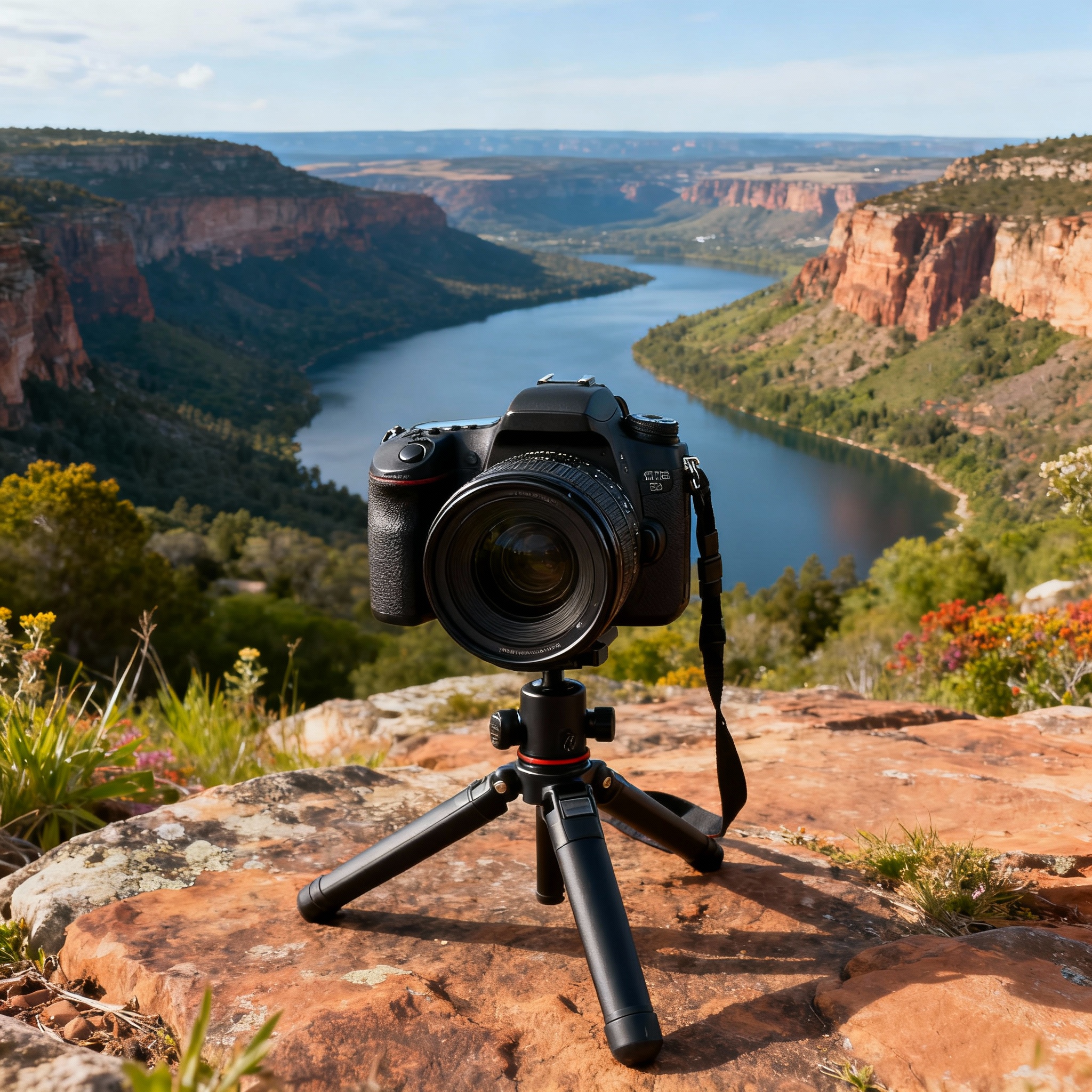
In the rapidly evolving world of digital photography, 2026 brings exciting technological advances that have transformed how we capture and create images. Whether you’re a seasoned professional or just beginning your photography journey, choosing the right camera can make all the difference in bringing your creative vision to life.
This comprehensive buyer’s guide will walk you through everything you need to know about selecting the perfect camera for your photography needs in 2026, from understanding key features to exploring budget-friendly options and professional-grade equipment.
Understanding Camera Types in 2026
Mirrorless Cameras: The Modern Standard
Mirrorless cameras have largely dominated the market by 2026, offering exceptional image quality in compact bodies. These cameras use electronic viewfinders (EVFs) instead of optical ones, providing real-time exposure and color previews. The absence of a mirror mechanism allows for faster autofocus, silent shooting modes, and significantly reduced camera shake.
Key advantages:
- Compact and lightweight design
- Superior video capabilities
- Advanced autofocus systems with eye detection
- Excellent battery life improvements in newer models
- Extensive lens ecosystem
DSLR Cameras: The Reliable Veterans
While DSLRs have become less common in new releases, existing models remain excellent choices for photographers who prefer optical viewfinders and exceptional battery life. Many professional photographers continue using DSLRs for their reliability and extensive lens compatibility.
Key advantages:
- Outstanding battery life
- Robust build quality
- Optical viewfinder provides natural viewing
- Mature lens ecosystem with affordable options
- Proven reliability in challenging conditions
Medium Format: Professional Excellence
Medium format cameras offer larger sensors than full-frame options, delivering unmatched image quality, dynamic range, and detail resolution. These cameras are ideal for commercial photography, portraiture, and fine art applications where image quality is paramount.
Key Features to Consider When Buying a Camera
Sensor Size and Resolution
The sensor is the heart of any digital camera, and understanding sensor sizes is crucial for making an informed decision.
Full-Frame Sensors (35mm) Full-frame sensors provide excellent low-light performance, shallow depth of field control, and wide-angle lens compatibility. They’re ideal for professional work, portraiture, and landscape photography.
APS-C Sensors APS-C sensors offer a great balance between image quality and affordability. The crop factor (typically 1.5x or 1.6x) effectively increases lens reach, making them excellent for wildlife and sports photography.
Micro Four Thirds These smaller sensors enable ultra-compact camera and lens combinations while still delivering professional-quality results. They’re perfect for travel photography and situations where portability is essential.
Autofocus Performance
Modern autofocus systems have reached impressive levels of sophistication. Look for cameras with:
- Dual Pixel or phase-detection autofocus
- Eye and face detection capabilities
- Animal detection for wildlife photography
- Fast acquisition speeds and tracking accuracy
- Customizable focus areas and modes
Image Stabilization
In-body image stabilization (IBIS) has become increasingly important, especially for handheld shooting and video work. This technology can provide up to 7-8 stops of stabilization in the latest cameras, allowing sharp images at slower shutter speeds.
Video Capabilities
Even if you primarily shoot stills, having good video features adds versatility to your camera. Consider:
- 4K recording at various frame rates
- Internal recording capabilities
- Log profiles for color grading
- Microphone and headphone inputs
- Image stabilization for smooth footage
Top Camera Recommendations for 2026
Best Overall: Sony A7 IV
The Sony A7 IV continues to be one of the most well-rounded cameras available, offering exceptional performance across all photography genres.
| Specification | Details |
|---|---|
| Sensor | 33MP Full-Frame BSI CMOS |
| Autofocus | 759 phase-detection points |
| ISO Range | 100-51,200 (expandable to 204,800) |
| Video | 4K 60p, 10-bit 4:2:2 internal |
| Image Stabilization | 5.5-stop IBIS |
| Battery Life | 610 shots (LCD) / 520 shots (EVF) |
| Weather Sealing | Yes |
Why it’s exceptional: The Sony A7 IV delivers outstanding image quality with its 33-megapixel sensor while maintaining excellent low-light performance. The advanced autofocus system with real-time tracking and eye detection works flawlessly for both humans and animals. Video features are comprehensive, making it equally capable for content creators and filmmakers.
Best for: Professional photographers, content creators, and serious enthusiasts who need versatility
Best Budget Option: Canon EOS R10
For photographers starting their journey or working with tighter budgets, the Canon EOS R10 offers remarkable value with professional-level features at an accessible price point.
Key features:
- 24.2MP APS-C sensor
- Dual Pixel CMOS autofocus with eye detection
- 4K 30p video recording
- Compact, lightweight body
- Growing RF lens ecosystem
Why it’s great for beginners: The intuitive menu system and guided shooting modes make it easy for newcomers to learn photography fundamentals while having room to grow into advanced features.
Best for Professionals: Canon EOS R5 Mark II
Canon’s flagship mirrorless camera pushes the boundaries of what’s possible in a compact body, offering uncompromising image quality and advanced features for demanding professional work.
Standout features:
- 45MP full-frame sensor
- 8K video recording capabilities
- Advanced weather sealing
- Exceptional dynamic range
- Professional-grade build quality
Choosing the Right Camera for Different Photography Styles
Portrait Photography
For portrait work, prioritize cameras with:
- Full-frame sensors for shallow depth of field
- Excellent high ISO performance
- Reliable eye detection autofocus
- Good color science and skin tone rendering
- Tilt-screen for varied shooting angles
Recommended: Sony A7 IV, Canon EOS R6 Mark II, Nikon Z7 II
Landscape Photography
Landscape photographers should focus on:
- High resolution sensors for detailed prints
- Excellent dynamic range
- Weather sealing for outdoor conditions
- In-body image stabilization
- Good battery life for extended shooting sessions
Recommended: Sony A7R V, Canon EOS R5, Nikon Z7 II
Wildlife and Sports Photography
For action and wildlife photography, prioritize:
- Fast autofocus with subject tracking
- High-speed continuous shooting
- Good reach (APS-C crop factor can be beneficial)
- Robust build quality
- Excellent battery life
Recommended: Sony A7 IV, Canon EOS R7, Nikon Z9
Street Photography
Street photographers benefit from:
- Compact, discreet camera bodies
- Silent shooting modes
- Good low-light performance
- Fast, accurate autofocus
- Flip screens for candid shooting
Recommended: Fujifilm X-T5, Sony A7C, Canon EOS R10
Essential Accessories to Consider
Lenses: The Creative Foundation
Your lens choice has more impact on image quality than the camera body itself. Build your lens collection thoughtfully:
Standard Zoom (24-70mm equivalent) Perfect for general photography, travel, and everyday use. Look for constant f/2.8 aperture versions for professional work.
Prime Lenses Fixed focal length lenses typically offer superior image quality and wider apertures. Popular options include 35mm, 50mm, and 85mm for various shooting scenarios.
Telephoto Options For wildlife, sports, and portrait photography, consider 70-200mm zooms or longer prime lenses.
Memory Cards and Storage
Invest in high-quality, fast memory cards that match your camera’s capabilities:
- CFexpress cards for high-end cameras
- UHS-II SD cards for most mirrorless cameras
- Always carry spare cards and consider dual-card slot cameras for important shoots
Tripods and Support
A sturdy tripod is essential for:
- Long exposure photography
- Landscape work
- Self-portraits and group photos
- Video recording
- Low-light situations
Additional Accessories
- Extra batteries and chargers
- Camera straps for comfort and security
- Lens filters (UV, polarizing, ND)
- Camera bags or backpacks
- Cleaning supplies
Budget Considerations and Value Analysis
Entry-Level Budget ($500-$1,000)
At this price point, focus on cameras that offer:
- Intuitive controls for learning
- Good image quality basics
- Room to grow with your skills
- Affordable lens options
Consider older generation cameras from major brands, which often provide excellent value as newer models are released.
Mid-Range Budget ($1,000-$2,500)
This range offers the sweet spot for most photographers:
- Professional-level image quality
- Advanced autofocus systems
- 4K video capabilities
- Weather sealing
- Extensive feature sets
The Sony A7 IV falls perfectly in this category, offering professional capabilities at an accessible price.
Professional Budget ($2,500+)
High-end cameras in this range provide:
- Cutting-edge sensor technology
- Exceptional build quality
- Advanced video features
- Professional support and service
- Future-proof technology
Making Your Final Decision
Hands-On Testing
Before making a purchase, try to handle the cameras you’re considering:
- Visit camera stores to test ergonomics
- Rent cameras for important shoots
- Read user reviews and professional tests
- Consider the learning curve for menu systems
Long-Term Investment Thinking
Remember that cameras are long-term investments:
- Consider the lens ecosystem you’re entering
- Think about your photography growth trajectory
- Factor in resale value
- Consider manufacturer support and updates
System Approach
Don’t just buy a camera body—think about the complete system:
- Available lenses for your photography style
- Accessory ecosystem
- Software compatibility
- Future upgrade paths
Conclusion and Final Recommendations
Choosing the best camera for photography in 2026 depends entirely on your specific needs, budget, and creative goals. The Sony A7 IV stands out as our top overall recommendation due to its exceptional versatility, image quality, and feature set that appeals to both enthusiasts and professionals.
For beginners, start with a camera that you’ll enjoy using and that encourages you to take more photos. The technical specifications matter less than your willingness to learn and experiment. For professionals, invest in systems that support your business needs and provide reliability in demanding situations.
Remember that the best camera is the one you have with you and know how to use effectively. Focus on mastering your chosen system rather than constantly upgrading equipment. Photography is about capturing moments and expressing creativity—the camera is simply the tool that helps you achieve that vision.
Whether you choose a budget-friendly option or invest in professional-grade equipment, the most important factor is getting out there and taking photos. The technology available in 2026 ensures that any modern camera can produce stunning results in the hands of a dedicated photographer.
Start with a camera that fits your current needs and budget, learn its capabilities thoroughly, and let your growing skills guide future equipment decisions. The journey of photography is incredibly rewarding, and having the right tools will help you capture and share your unique perspective with the world.
Related Tags
Looking for the Best Camera Deals?
Check out our latest buying guides and comparison articles to find the perfect camera for your needs.
Browse Buying Guides