
Best Cameras For Photography 2026: Complete Buyer's Guide
Discover the top photography cameras of 2026 with our comprehensive buyer's guide. Compare features, prices, and find your perfect camera match today.
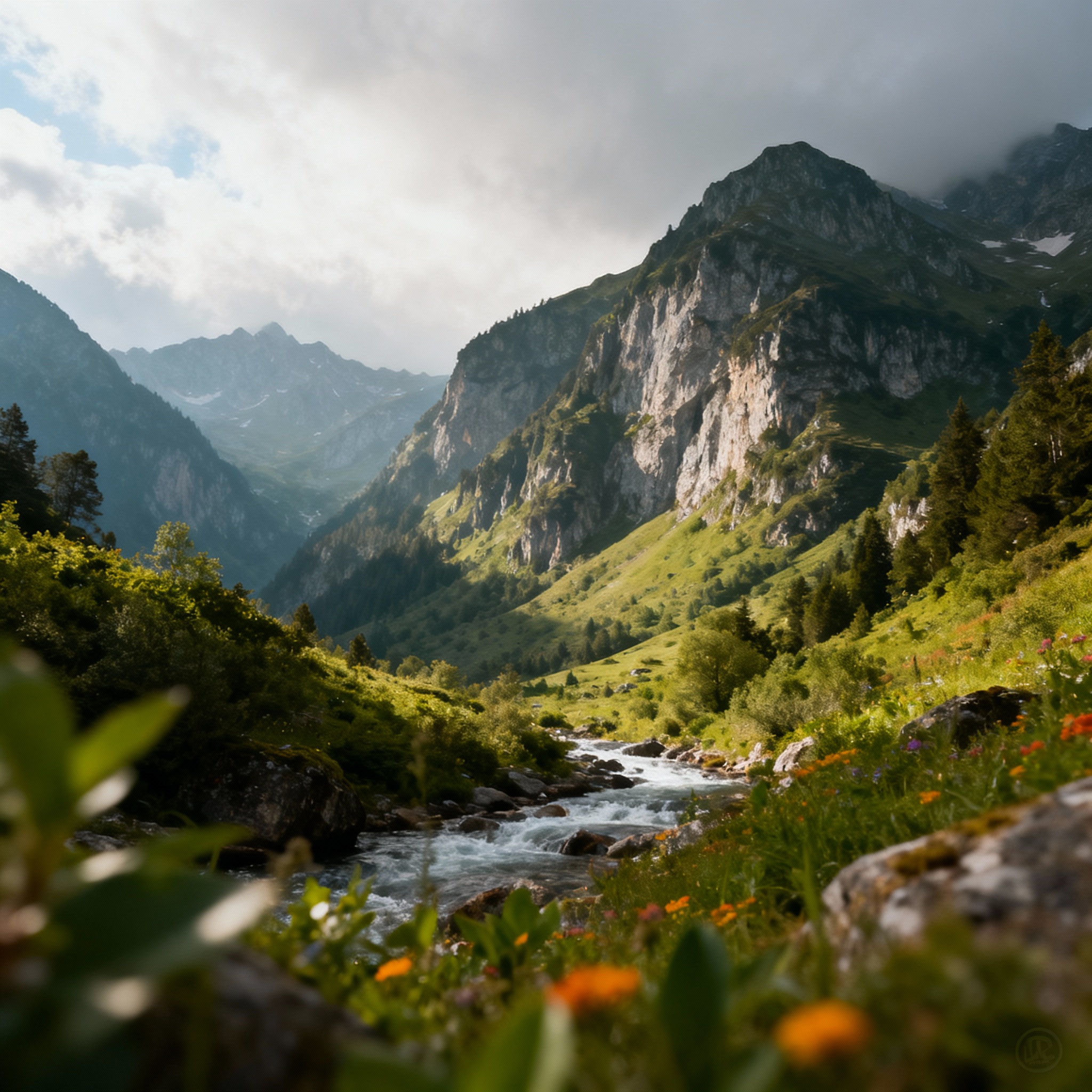
The photography landscape continues to evolve rapidly, and 2026 promises to bring even more exciting developments in camera technology. Whether you’re a professional photographer looking to upgrade your gear or a hobbyist taking your first steps into serious photography, choosing the right camera can make all the difference in capturing those perfect moments.
In this comprehensive buyer’s guide, we’ll explore the best cameras for photography in 2026, breaking down everything you need to know to make an informed decision. From budget-friendly options to professional-grade equipment, we’ll cover the features that matter most and help you find the perfect camera for your specific needs and shooting style.
What to Look for When Buying a Camera in 2026
Sensor Technology and Image Quality
The heart of any camera is its sensor, and 2026 has brought significant advancements in sensor technology. Modern cameras now feature improved dynamic range, better low-light performance, and enhanced color science. When evaluating cameras, consider these key sensor specifications:
Sensor Size: Full-frame sensors capture more light and provide better depth of field control, while APS-C and Micro Four Thirds sensors offer more compact designs and longer effective focal lengths for telephoto work.
Resolution: While megapixel count isn’t everything, higher resolution sensors allow for more detailed images and greater cropping flexibility. Most photographers will find 24-45 megapixels more than sufficient for their needs.
Dynamic Range: Look for cameras that can capture at least 13-14 stops of dynamic range, allowing you to retain detail in both shadows and highlights.
Autofocus Performance
Modern autofocus systems have become incredibly sophisticated, with many cameras now featuring AI-powered subject detection and tracking. Key autofocus features to consider include:
- Phase-detection points: More coverage across the frame ensures sharp focus regardless of composition
- Subject recognition: Advanced cameras can now identify and track humans, animals, birds, and even vehicles
- Eye detection: Crucial for portrait photography, ensuring tack-sharp eyes in every shot
- Focus speed: Measured in milliseconds, faster autofocus helps capture fleeting moments
Build Quality and Weather Sealing
For serious photographers, build quality is paramount. Look for cameras with:
- Magnesium alloy or weather-sealed construction
- Dust and moisture resistance ratings
- Durable shutter mechanisms rated for high cycle counts
- Ergonomic grip design for comfortable extended shooting
Connectivity and Workflow Features
Modern photography workflows demand seamless connectivity. Essential features include:
- Wi-Fi and Bluetooth: For wireless image transfer and remote camera control
- USB-C connectivity: For fast file transfers and in-camera charging
- Dual card slots: Providing backup security and extended storage capacity
- In-body image stabilization (IBIS): Compensating for camera shake across all lenses
Top Camera Picks for 2026
Best Overall: Sony A7 IV
The Sony A7 IV continues to dominate the full-frame mirrorless market, offering an exceptional balance of features, performance, and value. This camera has proven itself as a versatile tool for both photography and video work.
| Specification | Details |
|---|---|
| Sensor | 33MP Full-Frame CMOS |
| ISO Range | 100-51,200 (expandable to 204,800) |
| Autofocus Points | 759 phase-detection points |
| Continuous Shooting | 10 fps mechanical, 6 fps silent |
| Video | 4K 60p, 10-bit internal recording |
| Image Stabilization | 5.5-stop IBIS |
| Battery Life | 580 shots (CIPA rated) |
Why it’s our top pick: The Sony A7 IV excels in virtually every category. Its 33-megapixel sensor delivers excellent image quality with impressive dynamic range. The autofocus system is lightning-fast and incredibly accurate, with advanced subject recognition that works reliably for portraits, wildlife, and sports photography.
The camera’s low-light performance is outstanding, producing clean images even at ISO 6400 and usable results up to ISO 25,600. The 5.5-stop image stabilization system allows for handheld shooting in challenging conditions, while the robust build quality ensures reliability in various weather conditions.
Best for Beginners: Canon EOS R8
For photographers just starting their journey into full-frame photography, the Canon EOS R8 offers professional-grade features in a more accessible package. Its intuitive menu system and excellent image quality make it perfect for those transitioning from smartphones or entry-level cameras.
The R8 features a 24.2-megapixel full-frame sensor with Canon’s latest DIGIC X processor, delivering excellent image quality and impressive low-light performance. The Dual Pixel CMOS AF II system provides fast, accurate autofocus with eye detection for both humans and animals.
Best for Wildlife Photography: Nikon Z9
Wildlife photographers demand exceptional telephoto performance, blazing-fast autofocus, and silent shooting capabilities. The Nikon Z9 delivers on all fronts with its 45.7-megapixel stacked sensor and professional-grade build quality.
The camera’s 3D-tracking autofocus system excels at following erratic subjects, while the 20fps continuous shooting rate ensures you never miss the decisive moment. The electronic shutter operates completely silently, making it ideal for photographing sensitive wildlife subjects.
Best Budget Option: Fujifilm X-T5
For photographers seeking excellent image quality without the full-frame price premium, the Fujifilm X-T5 offers outstanding value. Its APS-C sensor delivers 40.2 megapixels of resolution, rivaling many full-frame cameras.
Fujifilm’s renowned color science produces beautiful JPEG files straight out of camera, while the extensive film simulation modes provide creative flexibility. The camera’s retro design and physical controls appeal to photographers who prefer a more hands-on shooting experience.
Budget Considerations and Value Categories
Entry-Level ($500-$1,200)
At this price point, you’ll find excellent mirrorless cameras that offer significant upgrades over smartphone photography. Key features to expect include:
- APS-C or Micro Four Thirds sensors
- Basic weather sealing
- 4K video recording
- Wi-Fi connectivity
- Kit lens included
Popular options include the Canon EOS M50 Mark II, Sony a6000 series, and Olympus OM-D E-M10 Mark IV. These cameras provide excellent image quality and are perfect for learning fundamental photography techniques.
Mid-Range ($1,200-$3,000)
This category offers the sweet spot for serious enthusiasts and semi-professional photographers. Features typically include:
- Full-frame or high-end APS-C sensors
- Advanced autofocus systems
- In-body image stabilization
- Weather sealing
- Dual card slots
- Professional video features
The Sony A7 IV falls into this category and represents exceptional value for its feature set.
Professional ($3,000+)
Professional cameras prioritize durability, speed, and ultimate image quality. Expect:
- High-resolution full-frame sensors
- Professional build quality with extensive weather sealing
- Fastest autofocus performance
- High-speed continuous shooting
- Advanced connectivity options
- Extended battery life
Lens Ecosystem Considerations
When choosing a camera system, consider the available lens selection. Each manufacturer offers different strengths:
Sony E-mount: Extensive selection of native lenses plus excellent third-party support from Sigma and Tamron
Canon RF: Rapidly growing selection with innovative designs and excellent optical quality
Nikon Z: Strong professional lens lineup with outstanding optical performance
Fujifilm X: Compact, high-quality lenses with unique focal lengths and excellent build quality
Essential Lenses for Different Photography Styles
Portrait Photography:
- 85mm f/1.4 or f/1.8 for flattering compression and shallow depth of field
- 50mm f/1.4 for environmental portraits
- 24-70mm f/2.8 for versatile portrait work
Landscape Photography:
- 16-35mm f/2.8 or f/4 for wide vistas
- 24-70mm f/2.8 for versatile compositions
- Polarizing and neutral density filters
Wildlife Photography:
- 100-400mm f/4.5-5.6 for general wildlife work
- 600mm f/4 for distant subjects
- 1.4x or 2x teleconverters for extended reach
Practical Tips for Making Your Decision
Try Before You Buy
Visit local camera stores to handle different models. Camera ergonomics are highly personal, and what feels comfortable for one photographer may not work for another. Pay attention to:
- Grip comfort and size
- Button placement and accessibility
- Menu system navigation
- Electronic viewfinder quality
Consider Your Shooting Style
Different cameras excel in different situations:
- Street Photography: Prioritize compact size, silent shooting, and excellent low-light performance
- Sports Photography: Focus on autofocus speed, continuous shooting rate, and telephoto lens selection
- Studio Work: Consider high-resolution sensors, tethering capabilities, and flash synchronization
- Travel Photography: Balance image quality with portability and battery life
Future-Proofing Your Investment
Photography equipment represents a significant investment. Consider:
- Manufacturer’s commitment to the lens mount
- Firmware update history and support
- Availability of accessories and third-party support
- Resale value retention
Essential Accessories
Don’t forget to budget for essential accessories:
- Memory Cards: Fast, high-capacity cards for 4K video and burst shooting
- Extra Batteries: Essential for extended shooting sessions
- Tripod: For sharp images in low light and long exposures
- Camera Bag: Protecting your investment during transport
- Cleaning Kit: Maintaining sensor and lens cleanliness
Real-World Performance Insights
Battery Life Considerations
Modern mirrorless cameras consume more power than their DSLR predecessors due to electronic viewfinders and LCD screens. Plan accordingly:
- Carry at least two spare batteries for full-day shoots
- Consider battery grips for extended shooting and improved ergonomics
- USB-C charging allows for power bank compatibility during travel
Weather Performance
Weather sealing varies significantly between camera models. Professional cameras typically offer better protection, but remember that weather sealing is only effective when paired with weather-sealed lenses.
Learning Curve
Modern cameras offer extensive customization options. Invest time in:
- Setting up custom function buttons for your shooting style
- Configuring autofocus modes for different subjects
- Learning the menu system thoroughly
- Practicing with different shooting modes
Conclusion and Recommendations
Choosing the best camera for photography in 2026 depends on your specific needs, budget, and shooting style. The Sony A7 IV remains our top overall recommendation, offering exceptional versatility, image quality, and value for both photography and video work.
For beginners, the Canon EOS R8 provides an excellent entry point into full-frame photography with intuitive controls and outstanding image quality. Wildlife photographers should seriously consider the Nikon Z9 for its superior autofocus tracking and high-speed performance, while budget-conscious photographers will find excellent value in the Fujifilm X-T5.
Remember that the best camera is the one you’ll actually use. Consider factors beyond just specifications – ergonomics, lens selection, and long-term system commitment are equally important. Invest in quality lenses, as they typically have a longer lifespan than camera bodies and contribute more to overall image quality.
Finally, don’t get caught up in the endless cycle of gear upgrades. Modern cameras are incredibly capable, and the differences between competing models are often marginal. Focus on developing your photographic skills, understanding light, and telling compelling stories through your images. The camera is just a tool – your vision and creativity are what truly matter in creating memorable photographs.
Whether you choose the Sony A7 IV or another camera from our recommendations, you’ll have a powerful tool capable of capturing professional-quality images for years to come. Take time to learn your camera’s capabilities, practice regularly, and most importantly, enjoy the process of creating beautiful photographs.
Related Tags
Looking for the Best Camera Deals?
Check out our latest buying guides and comparison articles to find the perfect camera for your needs.
Browse Buying Guides