
Best Cameras Under $1000 in 2026: Budget Photography Picks
Discover the top-rated cameras under $1000 in 2026. Our expert buying guide reviews the best budget-friendly DSLRs and mirrorless cameras for photographers.
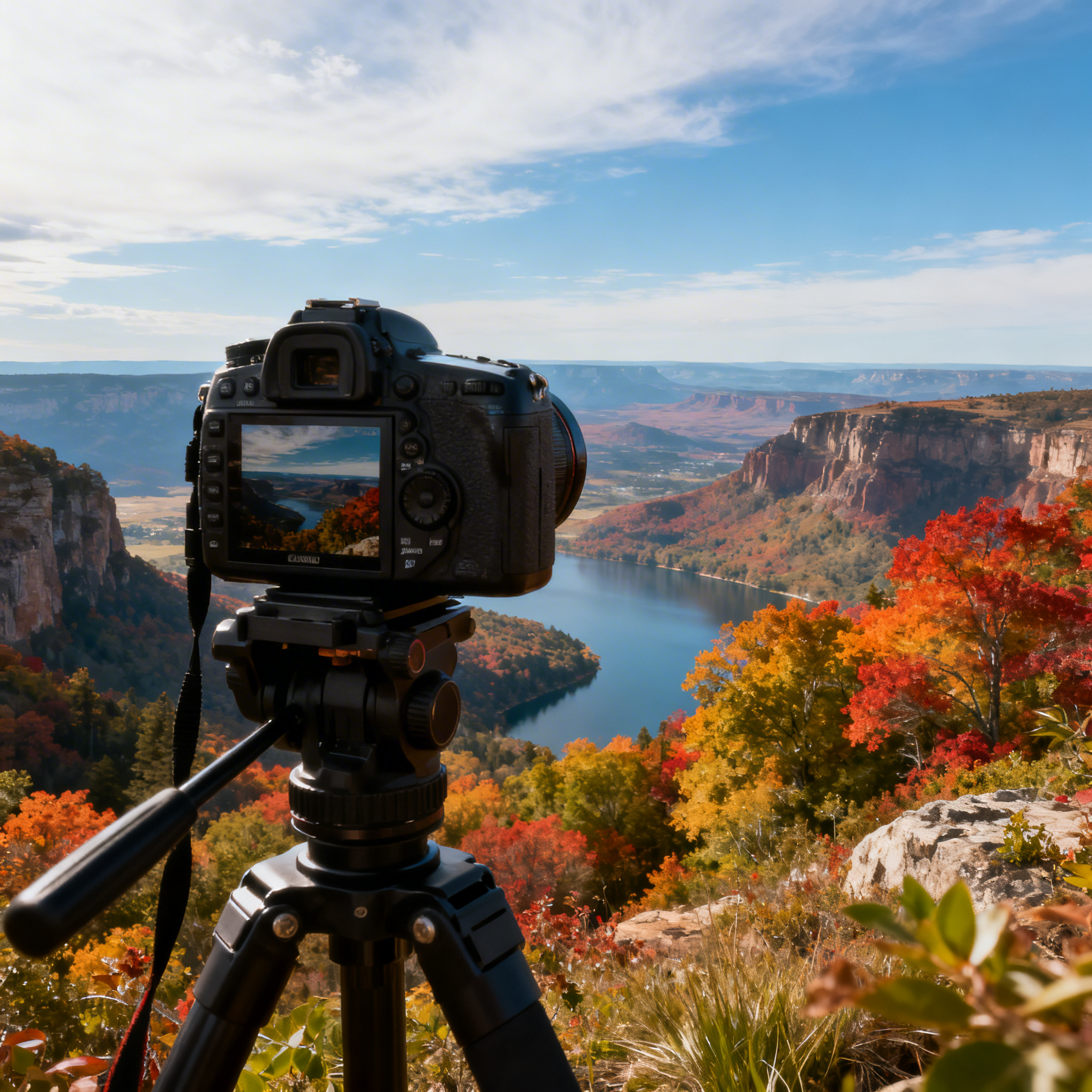
The photography world has witnessed remarkable advancements in recent years, and 2026 continues this trend with exceptional cameras available for under $1000. Whether you’re stepping up from smartphone photography, upgrading from an older DSLR, or looking for a reliable backup camera, today’s sub-$1000 market offers impressive options that would have cost thousands just a few years ago.
In this comprehensive guide, we’ll explore the best cameras under $1000 in 2026, helping you navigate the complex landscape of features, specifications, and value propositions to find the perfect camera for your needs and budget.
What to Look for When Buying a Camera Under $1000
Before diving into specific recommendations, it’s crucial to understand what features and specifications matter most in this price range. Your decision should be guided by your intended use, experience level, and long-term photography goals.
Sensor Size and Image Quality
The sensor is the heart of any digital camera, and size matters significantly for image quality. In the sub-$1000 category, you’ll encounter three main sensor sizes:
Full-frame sensors offer the best image quality, particularly in low-light conditions, and provide the shallowest depth of field. While rare under $1000, some older models or special deals might make full-frame accessible at this price point.
APS-C sensors represent the sweet spot for most photographers in this budget range. They’re significantly larger than micro four-thirds sensors while remaining affordable, offering excellent image quality and good low-light performance.
Micro Four-Thirds sensors are smaller but shouldn’t be dismissed. Modern sensors in this category deliver impressive results, and the smaller size allows for more compact camera bodies and lenses.
Autofocus Performance
Modern autofocus systems can make or break your photography experience. Look for cameras with:
- Phase-detection autofocus points across a wide area of the frame
- Eye detection autofocus for portraits and wildlife
- Continuous autofocus (AF-C/AI Servo) for moving subjects
- Low-light autofocus capability down to at least -2 EV
Video Capabilities
Even if you’re primarily interested in still photography, having solid video features adds versatility to your camera. Key video specifications to consider include:
- 4K recording capability at 30fps minimum
- Full HD at 60fps or higher for smooth slow-motion footage
- In-body image stabilization or lens-based stabilization
- External microphone input for better audio quality
- Clean HDMI output for external recording
Build Quality and Weather Sealing
Durability becomes increasingly important as you invest more in your photography gear. Look for cameras with:
- Magnesium alloy construction for lightweight durability
- Weather sealing against dust and moisture
- Comfortable grip for extended shooting sessions
- Intuitive control layout with customizable buttons
Top Camera Picks Under $1000 in 2026
Best Overall: Sony A7 IV
The Sony A7 IV represents exceptional value in the full-frame mirrorless category. While it may stretch the budget depending on current pricing, its feature set justifies the investment for serious photographers.
Key Features:
- 33MP full-frame BSI CMOS sensor
- 759 phase-detection AF points with Real-time Eye AF
- 4K 60p video recording with 10-bit 4:2:2 internal recording
- 5-axis in-body image stabilization
- Dual card slots (CFexpress Type A/SD)
- Weather-sealed magnesium alloy body
The A7 IV excels in virtually every category that matters to photographers. Its autofocus system is among the most advanced available, making it excellent for everything from portraits to wildlife photography. The image quality is outstanding, with excellent dynamic range and impressive high-ISO performance up to ISO 12,800.
Best For: Serious enthusiasts and semi-professional photographers who want full-frame quality with advanced features.
Best APS-C Mirrorless: Fujifilm X-T4
Fujifilm’s X-T4 continues to impress with its blend of retro styling, exceptional image quality, and robust feature set. The camera’s film simulation modes give images a distinctive look straight out of camera.
Key Features:
- 26.1MP APS-C X-Trans CMOS 4 sensor
- 425 phase-detection AF points
- 4K 60p video recording with F-Log recording
- 5-axis in-body image stabilization
- Dual SD card slots
- Weather-resistant construction
The X-T4’s color science is legendary among photographers, particularly for JPEG output. Its physical controls appeal to photographers who prefer tactile adjustments over menu diving, and the extensive lens ecosystem offers excellent native options.
Best For: Photography enthusiasts who appreciate traditional camera ergonomics and exceptional color rendition.
Best Budget Option: Canon EOS R10
Canon’s EOS R10 brings the company’s excellent Dual Pixel CMOS AF II system to an affordable price point, making it an outstanding choice for beginners and budget-conscious photographers.
Key Features:
- 24.2MP APS-C CMOS sensor
- Dual Pixel CMOS AF II with 651 AF zones
- 4K 30p video recording (cropped)
- Built-in flash
- Compact, lightweight design
- Compatible with RF and EF lenses (with adapter)
The R10’s greatest strength is its user-friendly interface combined with sophisticated autofocus capabilities. Canon’s menu system remains among the most intuitive in the industry, making this camera excellent for newcomers to photography.
Best For: Beginners and casual photographers who want reliable performance without complexity.
Best for Content Creators: Sony A6700
Sony’s A6700 specifically targets content creators and hybrid shooters who need equally strong photo and video capabilities in a compact package.
Key Features:
- 26MP APS-C BSI CMOS sensor
- 759 phase-detection AF points with AI-based subject recognition
- 4K 120p video recording capability
- Active SteadyShot image stabilization
- Flip-out LCD screen optimized for selfies and vlogging
- Hot shoe with digital audio interface
The A6700’s standout feature is its video capability, offering frame rates and recording options that rival much more expensive cinema cameras. The AI-based subject tracking works exceptionally well for both photo and video applications.
Best For: Content creators, vloggers, and hybrid shooters who need exceptional video capabilities.
Camera Specifications Comparison
| Camera | Sensor Size | Resolution | AF Points | Video | IBIS | Price Range |
|---|---|---|---|---|---|---|
| Sony A7 IV | Full Frame | 33MP | 759 | 4K 60p | 5-axis | $2,200-2,500 |
| Fujifilm X-T4 | APS-C | 26.1MP | 425 | 4K 60p | 5-axis | $1,400-1,600 |
| Canon EOS R10 | APS-C | 24.2MP | 651 zones | 4K 30p | No | $800-950 |
| Sony A6700 | APS-C | 26MP | 759 | 4K 120p | Active | $1,200-1,400 |
Prices are approximate and vary based on promotions and availability
Lens Considerations for Your Camera System
Your camera body is only part of the equation – the lens system you choose will significantly impact your long-term satisfaction and creative possibilities.
Canon RF Mount
Canon’s RF mount is relatively new but rapidly expanding. The company offers excellent affordable options like the RF 24-105mm f/4-7.1 IS STM, perfect for general photography. Additionally, Canon’s vast EF lens catalog remains available through adapters, providing access to decades of lens options.
Sony E-Mount
Sony’s E-mount ecosystem is mature and comprehensive, with options from Sony, Sigma, Tamron, and other manufacturers. The 28-70mm kit lens provides decent quality for beginners, while the 16-55mm f/2.8 G offers professional-grade performance.
Fujifilm X-Mount
Fujifilm’s X-mount system features some of the most highly regarded APS-C lenses available. The build quality and optical performance of Fujifilm lenses often exceed expectations, though they tend to be pricier than equivalent options for other systems.
Budget Lens Strategy
When working within a $1000 camera budget, consider these lens strategies:
- Start with kit lenses – Modern kit lenses offer surprisingly good quality and cover the most commonly used focal ranges
- Invest in one quality prime – A 35mm or 50mm equivalent prime lens often provides better image quality than zooms at similar prices
- Consider third-party options – Sigma, Tamron, and other manufacturers offer excellent lenses often at lower prices than camera manufacturer options
Real-World Photography Insights
Portrait Photography
For portrait work under $1000, prioritize cameras with excellent eye-detection autofocus and good high-ISO performance. The Sony A6700 and Canon R10 both excel in this area, with sophisticated face and eye detection that works reliably even in challenging lighting conditions.
Consider that APS-C sensors require longer lenses to achieve the same field of view as full-frame, so an 85mm lens on APS-C provides similar framing to a 135mm lens on full-frame.
Landscape Photography
Landscape photographers benefit most from excellent dynamic range and sharp kit lenses. The Fujifilm X-T4 particularly excels here, with film simulations that can create stunning landscape images straight out of camera.
Weather sealing becomes crucial for outdoor photography, making the X-T4 and Sony A7 IV attractive options for photographers who frequently shoot in challenging conditions.
Street Photography
Street photography demands quick, accurate autofocus and discreet operation. Mirrorless cameras excel here due to their silent shooting modes and compact size. The Fujifilm X-T4’s classic styling often draws less attention than more modern-looking cameras, while its physical controls allow quick adjustments without menu diving.
Sports and Action
For sports and action photography on a budget, prioritize autofocus speed and tracking capability over other features. The Canon R10’s Dual Pixel CMOS AF II system provides exceptional tracking performance that rivals much more expensive cameras.
Consider that continuous autofocus performance varies significantly between manufacturers and even between camera models, so research specific performance reviews for your intended subjects.
Common Buying Mistakes to Avoid
Overemphasizing Megapixel Count
Many new camera buyers fixate on megapixel count, assuming more is always better. In reality, factors like sensor size, noise performance, and lens quality have greater impacts on image quality than raw resolution numbers.
Ignoring the Lens Ecosystem
Cameras are long-term investments, and lens compatibility should influence your decision. Research the available lenses for your chosen system and their prices to avoid surprises later.
Neglecting Ergonomics
Specifications don’t tell the whole story about how a camera feels to use. If possible, handle cameras before purchasing to ensure the grip, button layout, and menu system work well for your hands and shooting style.
Focusing Only on Current Needs
Consider how your photography might evolve. A slightly more expensive camera with room to grow may provide better long-term value than a basic model you’ll quickly outgrow.
Budget Tips for Camera Shopping
Timing Your Purchase
Camera prices fluctuate significantly throughout the year. Major savings opportunities include:
- Black Friday and Cyber Monday for the deepest discounts
- Spring camera show season when new models push older ones down in price
- End of fiscal quarters when retailers need to move inventory
Bundle Deals vs. Individual Purchases
Camera bundles often seem attractive but frequently include low-quality accessories. Calculate whether you’d actually use included items and compare prices for buying components separately.
Used and Refurbished Options
The used camera market offers excellent values, particularly for slightly older models. Reputable dealers often provide warranties on used equipment, making this a low-risk way to access higher-end features within your budget.
Trade-In Programs
Many retailers offer trade-in programs for old cameras and lenses. While trade-in values rarely match private sale prices, the convenience and immediate credit can make sense for some buyers.
Future-Proofing Your Investment
Firmware Updates
Modern cameras receive regular firmware updates that can significantly improve performance and add features. Choose manufacturers with good track records for supporting older cameras with updates.
Battery Life Considerations
Mirrorless cameras consume more power than DSLRs due to their electronic viewfinders and LCD screens. Budget for extra batteries, especially if you plan extended shooting sessions or travel photography.
Memory Card Requirements
Modern cameras, particularly those shooting 4K video, require fast memory cards. Factor high-quality cards into your budget to avoid performance bottlenecks and potential data loss.
Conclusion and Recommendations
The sub-$1000 camera market in 2026 offers unprecedented value and capability. Your choice should ultimately depend on your specific needs, but here are our top recommendations by use case:
For serious enthusiasts seeking the best overall performance: The Sony A7 IV provides full-frame quality with professional features, though it may require stretching your budget slightly.
For photographers who value traditional controls and excellent color science: The Fujifilm X-T4 delivers outstanding image quality with intuitive physical controls and weather sealing.
For beginners seeking reliability and ease of use: The Canon EOS R10 offers excellent autofocus performance and user-friendly operation at an attractive price point.
For content creators needing strong video capabilities: The Sony A6700 provides exceptional video features in a compact, creator-friendly package.
Remember that the best camera is the one you’ll actually use. Consider factors beyond specifications – ergonomics, available lenses, and long-term system compatibility all matter more than minor differences in technical performance. Whichever camera you choose from this list will be capable of producing outstanding images in the right hands.
The photography journey is about continuous learning and creative growth. Any of these cameras will serve you well as you develop your skills and discover your unique photographic voice. Focus on mastering your chosen tool rather than constantly wondering about alternatives, and you’ll be amazed at what you can accomplish with today’s remarkable sub-$1000 cameras.
Related Tags
Looking for the Best Camera Deals?
Check out our latest buying guides and comparison articles to find the perfect camera for your needs.
Browse Buying Guides