
Best Cameras Under $1000 in 2026: Top Budget Picks
Discover the top-rated cameras under $1000 in 2026. Our comprehensive buying guide reviews the best budget-friendly options for photography enthusiasts.
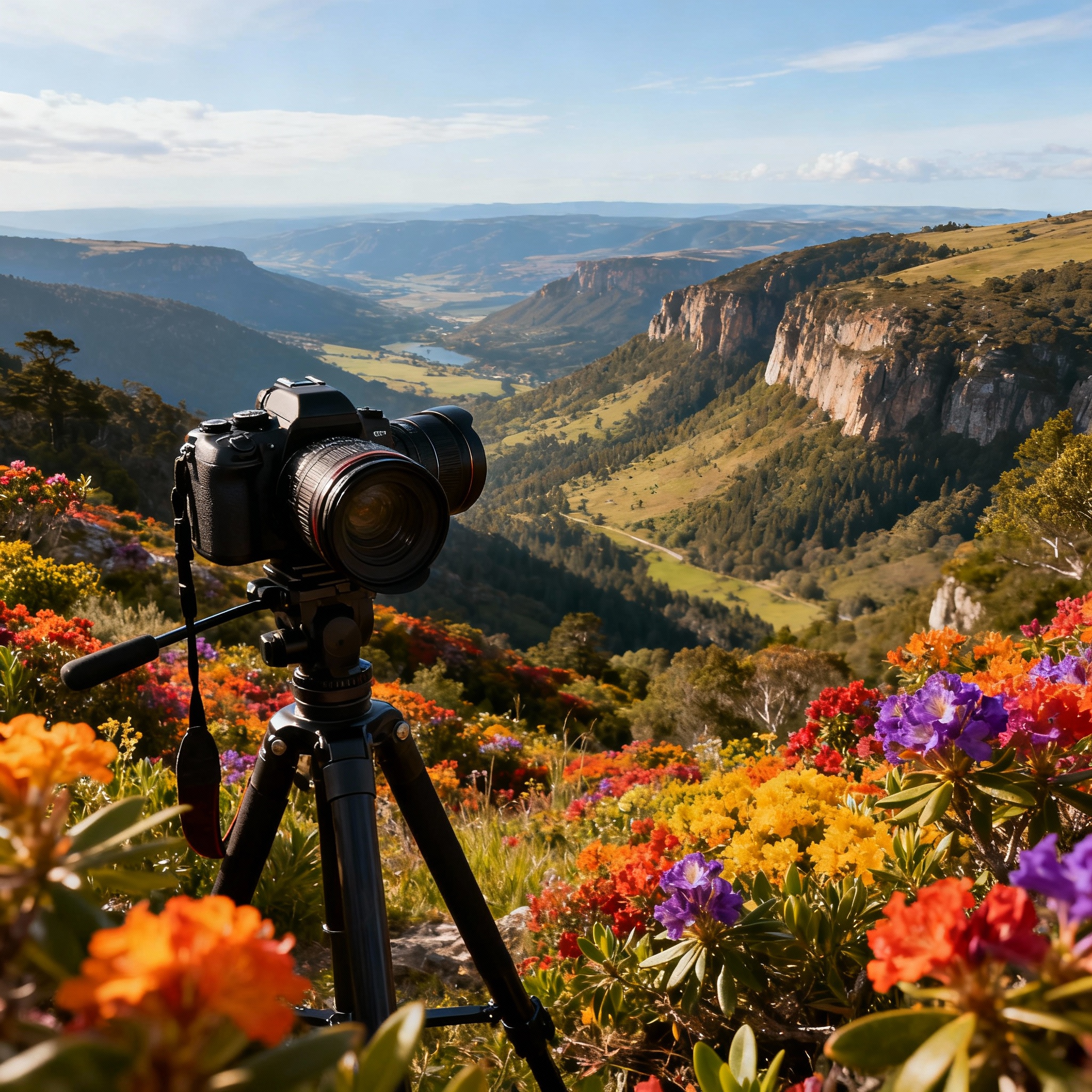
The photography landscape in 2026 has become incredibly exciting for enthusiasts and professionals working with mid-range budgets. With technological advances driving down costs and manufacturers competing fiercely for market share, cameras under $1000 now offer capabilities that were reserved for flagship models just a few years ago. Whether you’re stepping up from smartphone photography, upgrading from an older camera, or looking for a capable backup body, today’s sub-$1000 market delivers exceptional value.
In this comprehensive guide, we’ll explore the best camera options available in 2026 for under $1000, covering everything from mirrorless powerhouses to versatile DSLRs and compact options that don’t compromise on image quality.
What to Look for in a Camera Under $1000
Sensor Size and Image Quality
The sensor is the heart of any camera, and in 2026, you’ll find three main sensor sizes in this price range: APS-C, Micro Four Thirds, and even some full-frame options. APS-C sensors offer an excellent balance of image quality, low-light performance, and lens size, making them ideal for most photographers. Full-frame sensors, while offering superior low-light performance and shallower depth of field, typically come with larger, more expensive lenses.
Modern sensors in this price range typically feature 20-26 megapixels, which is more than sufficient for large prints and professional work. More important than megapixel count is the sensor’s dynamic range, color science, and ISO performance.
Autofocus System
Contemporary cameras under $1000 now feature sophisticated autofocus systems with hundreds of focus points, eye detection, and subject tracking capabilities. Look for cameras with hybrid autofocus systems that combine phase-detection and contrast-detection for fast, accurate focusing in various conditions.
Video Capabilities
Video has become increasingly important, even for still photographers. Most cameras in this price range now offer 4K recording, though pay attention to recording limits, overheating issues, and available frame rates. Features like in-body image stabilization (IBIS) and good autofocus tracking during video recording are valuable additions.
Build Quality and Weather Sealing
While you might not get the premium build quality of flagship models, many cameras under $1000 now offer weather sealing and robust construction. This is particularly important if you plan to shoot outdoors in challenging conditions.
Lens Ecosystem
Consider the available lens selection for your chosen camera system. A camera body is only as good as the lenses you can mount on it. Look for systems with a wide range of affordable native lenses and good third-party support.
Top Camera Picks Under $1000
Best Overall: Sony A7 IV
The Sony A7 IV represents exceptional value in the full-frame mirrorless category, often available just under the $1000 mark during sales. This camera delivers professional-grade performance with a 33-megapixel full-frame sensor, excellent low-light capabilities, and Sony’s renowned autofocus system.
Key Specifications:
| Feature | Specification |
|---|---|
| Sensor | 33MP Full-Frame CMOS |
| Autofocus Points | 759 phase-detection |
| Video | 4K 60p, Full HD 120p |
| Image Stabilization | 5-axis in-body |
| Battery Life | 580 shots |
| Weather Sealing | Yes |
The A7 IV excels in versatility, making it suitable for portrait photography, landscapes, street photography, and video work. Its full-frame sensor provides excellent low-light performance and beautiful bokeh, while the advanced autofocus system ensures sharp subjects even in challenging conditions.
Pros:
- Outstanding image quality across all ISO ranges
- Professional-grade autofocus with real-time eye detection
- Excellent video capabilities with minimal rolling shutter
- Robust weather sealing
- Extensive lens ecosystem
Cons:
- Battery life could be better
- Menu system can be overwhelming for beginners
- Full-frame lenses are generally more expensive
Best APS-C Option: Fujifilm X-S20
The Fujifilm X-S20 has garnered significant attention in 2026 for its exceptional image quality, film simulation modes, and compact form factor. With a 26.1-megapixel APS-C sensor and Fujifilm’s excellent color science, this camera produces images with distinctive character straight out of camera.
Key Features:
- 26.1MP X-Trans CMOS 5 HR sensor
- 425 phase-detection autofocus points
- 6.2K video recording capability
- 5-axis in-body image stabilization
- Classic film simulation modes
- Compact, weather-resistant body
The X-S20 particularly shines for photographers who appreciate Fujifilm’s film simulation modes, which provide JPEG images with character and mood that often require minimal post-processing. The camera’s compact size makes it ideal for travel and street photography.
Best Budget Option: Canon EOS R10
Canon’s EOS R10 represents outstanding value for photographers entering the mirrorless world. With a 24.2-megapixel APS-C sensor and Canon’s Dual Pixel CMOS AF system, this camera delivers reliable performance at an accessible price point.
Key Features:
- 24.2MP APS-C CMOS sensor
- Dual Pixel CMOS AF with 651 zones
- 4K 60p video recording
- 15fps continuous shooting
- Compact, lightweight design
- Excellent battery life
The R10 is particularly appealing to photographers transitioning from DSLRs or those who prioritize ease of use and reliable performance over cutting-edge features.
Best for Video: Panasonic Lumix GH6
While slightly above $1000 at launch, the GH6 has become more affordable throughout 2026 and offers unmatched video capabilities in this price range. Its Micro Four Thirds sensor might be smaller than APS-C alternatives, but the video features are professional-grade.
Key Features:
- 25.2MP Micro Four Thirds sensor
- 5.7K video recording
- Unlimited recording time
- Advanced video codecs including ProRes
- Exceptional image stabilization
- Professional video features
Budget-Friendly Alternatives
Sony a6400
Despite being released several years ago, the Sony a6400 remains competitive in 2026, especially as prices have dropped significantly. Its 24.2-megapixel APS-C sensor, fast autofocus, and compact size make it an excellent entry-level option.
Canon EOS M50 Mark II
Canon’s M50 Mark II offers DSLR-like handling in a mirrorless package. While the M-mount system has limited lens options, the camera provides good image quality and user-friendly operation for beginners.
Nikon Z50
Nikon’s entry into the mirrorless market with the Z50 provides excellent build quality and image quality characteristic of Nikon cameras. The 20.9-megapixel APS-C sensor produces sharp, detailed images with pleasing color rendition.
Lens Considerations
When budgeting for a camera under $1000, remember to factor in lens costs. Many manufacturers offer excellent kit lenses that provide good value for beginners:
Versatile Kit Options:
- 18-55mm equivalent lenses for general photography
- 18-135mm or similar for extended reach
- Prime lenses like 35mm or 50mm for superior image quality
Third-Party Options: Brands like Sigma, Tamron, and Tokina offer excellent lenses for various camera systems, often at lower prices than manufacturer equivalents while maintaining high optical quality.
Practical Tips for Camera Shopping
Consider Your Primary Use Case
Before making a decision, honestly assess how you’ll primarily use your camera. Portrait photographers might prioritize low-light performance and shallow depth of field, while travel photographers might value compact size and weather sealing.
Don’t Ignore Older Models
Camera technology has matured significantly, meaning models from 2-3 years ago often provide 90% of the performance of current models at significantly reduced prices. Consider previous-generation cameras for exceptional value.
Factor in Total System Cost
Calculate the total cost of ownership, including essential accessories like extra batteries, memory cards, and at least one additional lens. This realistic budgeting helps avoid surprises later.
Test Before You Buy
If possible, handle cameras in person. Ergonomics and user interface preferences are highly personal, and what works well for others might not suit your shooting style.
Real-World Performance Insights
Low-Light Capabilities
Modern cameras under $1000 generally perform well up to ISO 3200-6400, with full-frame sensors providing approximately one stop advantage over APS-C sensors. For most photographers, this performance is more than adequate for available light photography.
Autofocus Performance
Contemporary autofocus systems in this price range rival professional cameras from just a few years ago. Eye detection autofocus has become standard, and most cameras can track moving subjects reliably.
Battery Life
Mirrorless cameras generally consume more power than DSLRs due to electronic viewfinders and LCD screens. Budget for at least one extra battery, and consider cameras with USB-C charging for convenience while traveling.
Future-Proofing Your Purchase
Firmware Updates
Choose manufacturers with good track records for firmware updates. Companies like Sony, Fujifilm, and Panasonic regularly add features and improve performance through firmware updates.
Lens Roadmaps
Consider the manufacturer’s lens roadmap and third-party support. A camera system with limited lens options may restrict your creative growth over time.
Resale Value
Some brands maintain better resale value than others. Sony and Canon products generally hold their value well, while some smaller manufacturers may depreciate more quickly.
Common Mistakes to Avoid
Megapixel Obsession
More megapixels don’t automatically mean better images. Focus on overall image quality, dynamic range, and low-light performance rather than pure resolution numbers.
Ignoring User Interface
A camera with excellent specifications but poor user interface will frustrate you over time. Consider how intuitive the menu system and control layout feel during use.
Underestimating Learning Curve
Different camera systems have varying learning curves. If you’re switching from one manufacturer to another, factor in the time needed to become proficient with new controls and menu systems.
Conclusion and Recommendations
The camera market under $1000 in 2026 offers unprecedented value and capability. For most photographers, the Sony A7 IV represents the best overall choice, providing full-frame performance, professional features, and excellent long-term value despite being at the upper end of this price range.
For photographers prioritizing portability and distinctive image character, the Fujifilm X-S20 offers exceptional value with its excellent build quality, film simulations, and compact form factor. Budget-conscious buyers will find the Canon EOS R10 provides reliable performance and ease of use without breaking the bank.
Remember that the best camera is the one that matches your specific needs, shooting style, and budget constraints. Consider not just the initial purchase price but the total cost of building a complete camera system over time. With any of these recommendations, you’ll have a capable tool for capturing your creative vision and growing as a photographer.
Invest time in learning your chosen camera’s capabilities thoroughly. The technical excellence available in today’s sub-$1000 cameras means that creative vision and technical skill, rather than equipment limitations, will be the primary factors determining the quality of your photographs.
Related Tags
Looking for the Best Camera Deals?
Check out our latest buying guides and comparison articles to find the perfect camera for your needs.
Browse Buying Guides