
Best Digital Cameras 2026: Complete Buyer's Guide
Discover the top digital cameras of 2026 with our comprehensive buyer's guide. Compare features, prices, and performance to find your perfect camera.
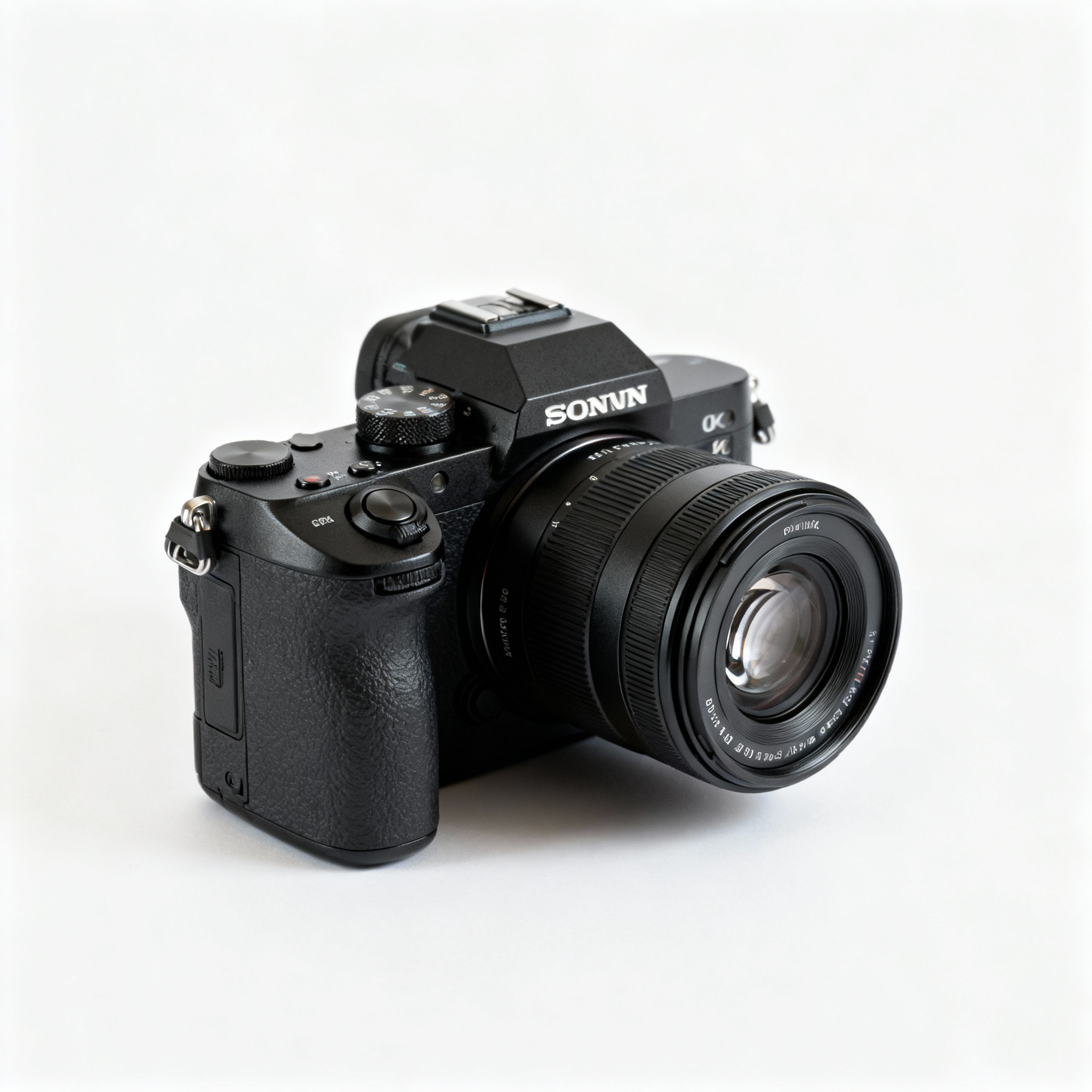
The digital camera landscape in 2026 continues to evolve at breakneck speed, with manufacturers pushing the boundaries of image quality, autofocus capabilities, and video performance. Whether you’re a seasoned photographer looking to upgrade or a newcomer ready to step beyond smartphone photography, choosing the right camera can feel overwhelming with so many excellent options available.
This comprehensive buyer’s guide will walk you through everything you need to know about selecting the perfect digital camera in 2026, from understanding the latest technology to finding the best value for your specific needs and budget.
Understanding Camera Types in 2026
Mirrorless Cameras: The New Standard
Mirrorless cameras have firmly established themselves as the dominant force in 2026, offering the perfect balance of portability, image quality, and advanced features. These cameras eliminate the mirror mechanism found in DSLRs, resulting in smaller, lighter bodies without sacrificing performance.
The latest mirrorless models feature cutting-edge computational photography, AI-powered autofocus systems that can track subjects with unprecedented accuracy, and video capabilities that rival professional cinema cameras. Most importantly, they offer real-time preview of your exposure settings through the electronic viewfinder, making them ideal for both beginners and professionals.
DSLRs: Still Relevant for Specific Needs
While mirrorless cameras dominate the market, DSLRs maintain their relevance in 2026, particularly for photographers who prefer optical viewfinders or need exceptional battery life. The optical viewfinder provides a natural, lag-free view of your subject, which some photographers find essential for sports or wildlife photography.
DSLRs also typically offer longer battery life since they don’t constantly power an electronic screen, making them ideal for extended shooting sessions in remote locations where charging opportunities are limited.
Compact and Point-and-Shoot Options
For those prioritizing convenience and portability, advanced compact cameras in 2026 offer remarkable image quality in pocket-sized packages. These cameras feature large sensors, professional-grade lenses, and sophisticated controls while maintaining the convenience of automatic operation when desired.
Key Features to Consider in 2026
Sensor Technology and Image Quality
The sensor remains the heart of any digital camera, and 2026 has brought significant improvements in sensor technology. Full-frame sensors continue to be the gold standard for professional photography, offering superior low-light performance, wider dynamic range, and better depth-of-field control.
APS-C sensors have also seen remarkable improvements, now delivering image quality that was once exclusive to full-frame cameras. These smaller sensors offer advantages in terms of size, weight, and cost while still providing excellent results for most photography applications.
Micro Four Thirds sensors, while smaller, have benefited from advanced processing algorithms and improved lens designs, making them excellent choices for travel photography and content creation where portability is paramount.
Autofocus Systems: AI-Powered Precision
Autofocus technology has reached new heights in 2026, with AI-powered systems that can recognize and track humans, animals, vehicles, and even specific body parts like eyes with remarkable accuracy. These systems work effectively even when subjects are moving erratically or partially obscured.
Look for cameras with phase-detection autofocus points covering most of the sensor area, as this ensures fast and accurate focusing regardless of where your subject is positioned in the frame. The best systems now offer eye-detection autofocus that works for both humans and animals, making portrait and wildlife photography more reliable than ever.
Video Capabilities
Video has become an essential feature for most photographers in 2026, whether for professional work or personal content creation. Modern cameras offer 4K recording at various frame rates, with many now supporting 8K recording for future-proofing your content.
Key video features to consider include in-body image stabilization, which dramatically reduces camera shake during handheld recording, and advanced autofocus systems that maintain sharp focus during video recording. Many cameras now offer professional video features like flat picture profiles for color grading and external recording options for professional workflows.
In-Body Image Stabilization (IBIS)
In-body image stabilization has become increasingly sophisticated, with 2026 models offering up to 8 stops of compensation. This technology allows you to shoot handheld in situations that would previously require a tripod, opening up new creative possibilities and making photography more accessible.
IBIS is particularly beneficial for telephoto photography, low-light situations, and video recording, where camera shake can significantly impact image quality.
Top Camera Picks for 2026
Best Overall: Professional Mirrorless Excellence
The flagship mirrorless cameras of 2026 represent the pinnacle of current technology, offering professional-grade features in relatively compact bodies. These cameras typically feature full-frame sensors with exceptional dynamic range, advanced autofocus systems with AI-powered subject recognition, and video capabilities that satisfy both photographers and videographers.
Key Specifications:
- 45-50MP full-frame sensor
- 693+ phase-detection AF points
- 4K/120p video recording
- 8-stop in-body stabilization
- Weather sealing
- Dual memory card slots
These cameras excel in virtually every photography genre, from landscape and portrait work to sports and wildlife photography. The combination of high resolution, excellent low-light performance, and advanced autofocus makes them suitable for professional use while remaining accessible to serious enthusiasts.
Best Value: Enthusiast Mirrorless
For photographers seeking professional features without the flagship price tag, enthusiast-level mirrorless cameras offer an excellent balance of capabilities and affordability. These cameras typically feature APS-C or full-frame sensors with slightly reduced resolution compared to flagship models but maintain most of the advanced features that matter for everyday photography.
Key Specifications:
- 26-33MP APS-C or full-frame sensor
- Advanced hybrid autofocus
- 4K/60p video recording
- 5-axis in-body stabilization
- Weather resistance
- Single memory card slot
These cameras are perfect for enthusiasts who want to grow their skills without breaking the bank, offering room to expand into different photography genres while providing professional-quality results.
Best for Beginners: User-Friendly Excellence
Entry-level cameras in 2026 are more capable than ever, offering features that were once exclusive to professional models. These cameras prioritize ease of use while still providing excellent image quality and room for growth as your skills develop.
Key Specifications:
- 20-24MP APS-C sensor
- Intelligent auto modes
- Built-in tutorials
- 4K/30p video recording
- Compact, lightweight design
- Affordable lens ecosystem
The best beginner cameras offer guided modes that teach photography principles while you shoot, making the learning process enjoyable and effective.
Best Compact: Professional Quality in Your Pocket
Advanced compact cameras prove that you don’t need a large camera to achieve professional results. These cameras feature large sensors in remarkably small bodies, often with high-quality fixed lenses that cover versatile focal ranges.
Key Specifications:
- 20MP 1-inch or larger sensor
- High-quality zoom lens (24-200mm equivalent typical)
- Advanced manual controls
- 4K video recording
- Compact, travel-friendly design
- Built-in ND filters
Compact cameras are ideal for travel photographers, street photographers, or anyone who values convenience without sacrificing image quality.
Budget Considerations and Value Analysis
Under $500: Entry-Level Excellence
The sub-$500 category in 2026 offers remarkable value, with cameras that would have cost thousands just a few years ago. These cameras typically feature APS-C sensors, decent autofocus systems, and 4K video recording capabilities.
While they may lack some advanced features like in-body stabilization or weather sealing, they provide excellent image quality and are perfect for learning photography fundamentals. The money saved can be invested in quality lenses, which often have a more significant impact on image quality than camera body features.
$500-$1500: Sweet Spot for Enthusiasts
This price range represents the sweet spot for most photographers, offering cameras with advanced features, excellent build quality, and professional-level image quality. Cameras in this range typically include in-body stabilization, weather sealing, advanced autofocus systems, and comprehensive video features.
The selection in this price range is particularly strong in 2026, with multiple manufacturers offering compelling options that can satisfy both enthusiasts and working professionals.
$1500+: Professional and Flagship Models
High-end cameras in this price range offer the latest technology, ultimate build quality, and features designed for professional use. These cameras excel in demanding situations, offering superior low-light performance, fastest autofocus systems, and most advanced video capabilities.
While expensive, these cameras are investments that can last many years and provide the reliability and image quality demanded by professional work.
Lens Ecosystem Considerations
Native Lens Selection
When choosing a camera system, consider the available native lenses. A robust lens ecosystem ensures you’ll have options as your photography interests evolve. Look for systems that offer everything from affordable kit lenses to professional-grade primes and zooms.
The best camera systems in 2026 offer comprehensive lens lineups that cover every focal length and specialty need, from ultra-wide landscape lenses to super-telephoto wildlife lenses.
Third-Party Lens Support
Third-party lens manufacturers have significantly expanded their offerings for modern camera systems, often providing excellent quality at more affordable prices than native lenses. When evaluating a camera system, consider the availability of third-party options, which can significantly reduce the overall cost of building a lens collection.
Essential Accessories for 2026
Memory Cards and Storage
Modern cameras generate large files, especially when shooting 4K video or high-resolution RAW images. Invest in high-speed memory cards with sufficient capacity for your shooting style. Many photographers now use multiple smaller cards rather than single large cards to minimize the risk of data loss.
Camera Straps and Carrying Solutions
A quality camera strap is essential for comfortable and secure camera handling. The Peak Design Camera Strap offers innovative quick-release functionality and superior comfort, making it an excellent upgrade from basic manufacturer straps.
Batteries and Power Management
Modern cameras consume more power than their predecessors due to electronic viewfinders, in-body stabilization, and advanced processing. Invest in additional batteries and consider portable charging solutions for extended shooting sessions.
Making Your Final Decision
Assess Your Photography Goals
Before making a purchase, honestly evaluate your photography goals and shooting style. Are you primarily interested in landscape photography, portraits, sports, or general family photography? Different genres benefit from different camera features, and understanding your priorities will help guide your decision.
Consider Long-Term Growth
Choose a camera system that can grow with your skills and interests. While you might start with basic photography, you may eventually want to explore different genres or upgrade to more advanced equipment. Selecting a system with comprehensive lens and accessory options ensures you won’t outgrow your choice quickly.
Try Before You Buy
If possible, handle cameras in person before making a decision. Camera ergonomics are highly personal, and what feels perfect for one photographer might be uncomfortable for another. Pay attention to button placement, menu systems, and overall handling characteristics.
Conclusion and Recommendations
The digital camera market in 2026 offers exceptional options across all price ranges and skill levels. For most photographers, mirrorless cameras provide the best combination of image quality, features, and portability, making them the recommended choice for both beginners and professionals.
For beginners, start with an entry-level mirrorless camera that offers guided shooting modes and room for growth. Focus on learning photography fundamentals before worrying about advanced features.
For enthusiasts, the mid-range mirrorless cameras offer professional-level image quality and advanced features at reasonable prices. These cameras can handle virtually any photography challenge while remaining approachable for everyday use.
For professionals, flagship mirrorless cameras provide cutting-edge technology, ultimate reliability, and the advanced features demanded by commercial work. While expensive, they represent sound investments for working photographers.
Regardless of your choice, remember that the camera is just one part of the equation. Investing time in learning photography techniques, building a quality lens collection, and developing your artistic vision will have a much greater impact on your final images than any specific camera feature. The cameras available in 2026 are all capable of producing stunning results—the key is choosing one that matches your needs, budget, and shooting style, then using it to its full potential.
Related Tags
Looking for the Best Camera Deals?
Check out our latest buying guides and comparison articles to find the perfect camera for your needs.
Browse Buying Guides