
Best Digital SLR Cameras 2026: Complete Buyer's Guide
Discover the top digital SLR cameras of 2026 with our comprehensive buyer's guide. Compare features, prices, and performance to find your perfect DSLR.
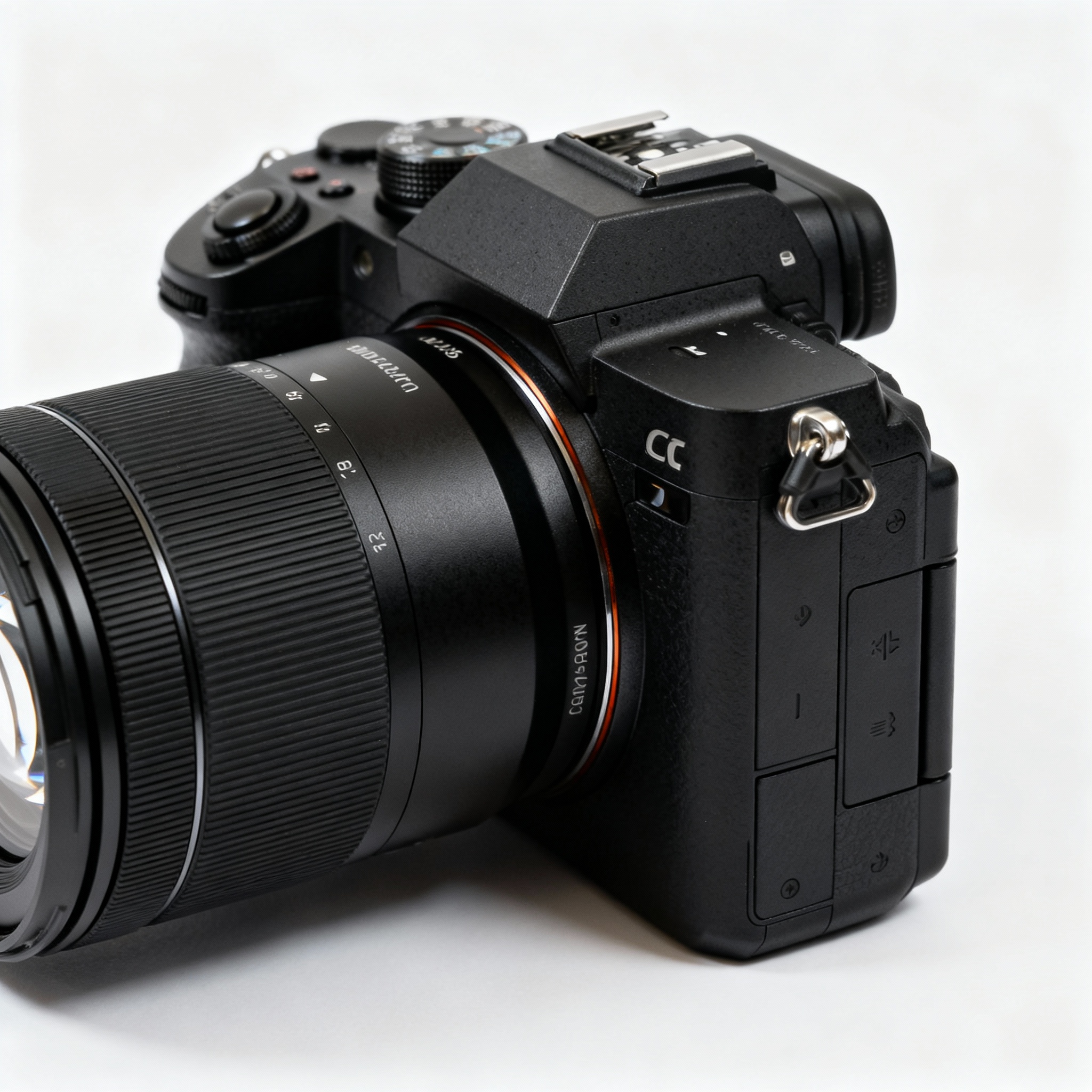
The Evolution of Digital SLR Cameras in 2026
Digital SLR cameras have undergone remarkable transformations over the past few years, and 2026 marks a pivotal moment in photography technology. With advanced autofocus systems, improved low-light performance, and enhanced video capabilities, today’s DSLRs offer unprecedented versatility for photographers at every skill level.
Whether you’re a seasoned professional looking to upgrade your gear or a passionate enthusiast ready to step up from smartphone photography, choosing the right DSLR camera can significantly impact your creative journey. This comprehensive guide will walk you through everything you need to know about selecting the perfect digital SLR camera in 2026.
What to Look for in a Digital SLR Camera
Sensor Size and Resolution
The sensor is the heart of any digital camera, and understanding sensor specifications is crucial for making an informed decision. Full-frame sensors (35mm equivalent) offer superior low-light performance and better depth of field control, making them ideal for professional photography. APS-C sensors provide a good balance between image quality and affordability, while Micro Four Thirds systems offer excellent portability.
Resolution isn’t everything, but it determines how large you can print your images and how much you can crop without losing detail. Most modern DSLRs offer between 20-50 megapixels, with higher resolutions beneficial for landscape photography, studio work, and commercial applications.
Autofocus Performance
Modern autofocus systems have revolutionized photography, with some cameras offering over 400 focus points and advanced subject tracking. Look for cameras with:
- Dual Pixel CMOS AF or similar technology for smooth video autofocus
- Eye detection autofocus for portrait photography
- Animal detection for wildlife photography
- Fast acquisition speed for sports and action photography
Image Stabilization
In-body image stabilization (IBIS) has become increasingly common and valuable. This technology compensates for camera shake, allowing you to shoot at slower shutter speeds handheld. Some systems provide up to 8 stops of stabilization, dramatically improving your ability to capture sharp images in challenging conditions.
Video Capabilities
Even if you’re primarily a still photographer, having robust video features adds tremendous value to your camera investment. Look for:
- 4K recording at 60fps or higher
- 10-bit internal recording for better color grading flexibility
- Log profiles for professional video work
- Clean HDMI output for external recording
Build Quality and Weather Sealing
Professional and semi-professional cameras should offer weather sealing to protect against dust and moisture. Magnesium alloy construction provides durability without excessive weight, while proper button layout and ergonomics ensure comfortable operation during long shooting sessions.
Top Digital SLR Camera Picks for 2026
Best Overall: Canon EOS R5 Mark II
The Canon EOS R5 Mark II continues to set the standard for professional mirrorless cameras in 2026. While technically a mirrorless camera, it offers DSLR-like handling with advanced electronic viewfinder technology that rivals optical viewfinders.
Key Features:
- 45MP full-frame sensor
- 8K video recording
- Up to 20fps continuous shooting
- Advanced subject detection autofocus
- 8-stop in-body stabilization
Specs Table:
| Feature | Specification |
|---|---|
| Sensor | 45MP Full-Frame CMOS |
| ISO Range | 100-51,200 (expandable to 204,800) |
| Continuous Shooting | 20fps (electronic), 12fps (mechanical) |
| Video | 8K/30p, 4K/120p |
| Viewfinder | 5.76M-dot OLED EVF |
| Battery Life | ~490 shots |
| Weight | 738g (body only) |
This camera excels in virtually every category, making it ideal for professional photographers who need versatility across different shooting scenarios.
Best Value: Sony A7 IV
The Sony A7 IV remains one of the best value propositions in the full-frame camera market. It offers professional-level features at a more accessible price point, making it perfect for enthusiasts and emerging professionals.
Key Features:
- 33MP full-frame sensor
- 4K/60p video recording
- 693-point phase-detection autofocus
- 5.5-stop image stabilization
- Excellent low-light performance
The Sony A7 IV strikes an excellent balance between features and price, offering 90% of the performance of higher-end models at a significantly lower cost. Its robust build quality and extensive lens ecosystem make it a smart investment for long-term use.
Best for Beginners: Nikon D780
Despite the industry’s shift toward mirrorless systems, the Nikon D780 DSLR remains an excellent choice for photographers who prefer optical viewfinders and traditional DSLR ergonomics.
Key Features:
- 24MP full-frame sensor
- Hybrid autofocus system
- 4K/30p video
- Dual card slots
- Excellent battery life (2,260 shots)
The D780’s optical viewfinder provides a natural shooting experience that many photographers prefer, while its exceptional battery life makes it ideal for extended shooting sessions and travel photography.
Best for Sports and Wildlife: Canon EOS R3
For photographers specializing in action, sports, and wildlife photography, the Canon EOS R3 delivers unmatched performance in challenging conditions.
Key Features:
- 24MP full-frame sensor optimized for speed
- 30fps continuous shooting
- Advanced animal detection autofocus
- Built-in GPS and wireless connectivity
- Professional weather sealing
The R3’s lower resolution sensor is specifically designed for speed and low-light performance, making it the go-to choice for professional sports photographers and wildlife specialists.
Budget-Friendly Options
Entry-Level Excellence: Canon EOS Rebel T8i
For photographers just starting their journey, the Canon EOS Rebel T8i offers impressive features at an affordable price point.
Key Features:
- 24MP APS-C sensor
- 45-point autofocus system
- 4K/24p video recording
- Vari-angle touchscreen LCD
- Built-in Wi-Fi and Bluetooth
Mid-Range Marvel: Fujifilm X-T4
The Fujifilm X-T4 provides exceptional image quality and retro aesthetics that appeal to both hobbyists and professionals on a budget.
Key Features:
- 26MP APS-C X-Trans sensor
- In-body image stabilization
- 4K/60p video recording
- Film simulation modes
- Weather-resistant construction
Lens Considerations
Your lens choice often matters more than your camera body for image quality. When building your camera system, consider:
Essential Lens Types
Standard Zoom (24-70mm): Versatile for portraits, events, and general photography Telephoto Zoom (70-200mm): Perfect for sports, wildlife, and portrait photography Wide-Angle (14-24mm): Essential for landscape and architectural photography Prime Lenses: Offer superior image quality and wider apertures for specific focal lengths
Lens Investment Strategy
Start with a good standard zoom lens and gradually add specialized lenses based on your shooting preferences. Quality glass retains its value better than camera bodies and can significantly impact your image quality.
Practical Tips for Camera Selection
Consider Your Shooting Style
Portrait Photographers: Prioritize cameras with excellent eye-detection autofocus and good high-ISO performance Landscape Photographers: Focus on dynamic range, resolution, and weather sealing Sports/Wildlife Photographers: Emphasize autofocus speed, continuous shooting rates, and telephoto lens compatibility Video Content Creators: Look for advanced video features, clean HDMI output, and good autofocus tracking
Test Before You Buy
Whenever possible, visit a camera store to handle different models. Ergonomics and button placement can significantly impact your shooting experience, and what works for one photographer may not work for another.
Consider the Ecosystem
Camera systems include more than just the body – consider available lenses, accessories, and future upgrade paths. Switching systems later can be expensive, so choose wisely from the start.
Future-Proofing Your Purchase
Technology evolves rapidly, but certain features help ensure your camera remains relevant:
- Firmware update capability for new features
- Modern connectivity (USB-C, fast Wi-Fi)
- Adequate processing power for future software updates
- Standard memory card formats
Accessories You’ll Need
Essential Accessories
Memory Cards: Invest in fast, high-capacity cards from reputable brands Extra Batteries: Always carry spare batteries, especially for mirrorless cameras Tripod: Essential for landscape photography and long exposures Camera Bag: Protect your investment with quality carrying solutions Lens Filters: UV, polarizing, and ND filters enhance your creative options
Professional Add-ons
External Flash: For better portrait and event photography Remote Shutter Release: Reduces camera shake for critical shots Battery Grip: Extends shooting time and improves handling with telephoto lenses Cleaning Kit: Maintain your equipment in pristine condition
Making Your Final Decision
Choosing the right DSLR camera involves balancing your current needs, future aspirations, and budget constraints. Consider these final points:
- Buy for your current skill level but with room to grow
- Invest more in lenses than camera bodies initially
- Consider used equipment from reputable sources to maximize value
- Don’t overlook older models that may offer better value
- Factor in ongoing costs like batteries, memory cards, and maintenance
Conclusion
The digital SLR camera market in 2026 offers extraordinary options for photographers at every level. Whether you choose the professional-grade Canon EOS R5 Mark II for its cutting-edge features or the versatile Sony A7 IV for its exceptional value, you’ll have access to tools that were unimaginable just a few years ago.
For most photographers, I recommend starting with the Sony A7 IV or Canon EOS R5 Mark II, depending on your budget and specific needs. Both cameras offer professional-level performance with room to grow as your skills develop. Beginners might consider the Nikon D780 for its traditional DSLR experience and exceptional battery life.
Remember that the best camera is the one you’ll actually use. Focus on finding a system that matches your shooting style, feels comfortable in your hands, and fits within your budget while leaving room for lens investments. With any of the cameras mentioned in this guide, you’ll be well-equipped to capture stunning images and grow as a photographer in 2026 and beyond.
The key to successful photography isn’t just having the latest gear – it’s understanding your equipment and using it creatively to tell your unique visual story. Whatever camera you choose, dedicate time to learning its capabilities, and you’ll be amazed at what you can create.
Related Tags
Looking for the Best Camera Deals?
Check out our latest buying guides and comparison articles to find the perfect camera for your needs.
Browse Buying Guides