
Best Digital SLR Cameras for Beginners 2026: Complete Guide
Discover the top digital SLR cameras for beginners in 2026. Our comprehensive buyer's guide covers features, prices, and expert recommendations.
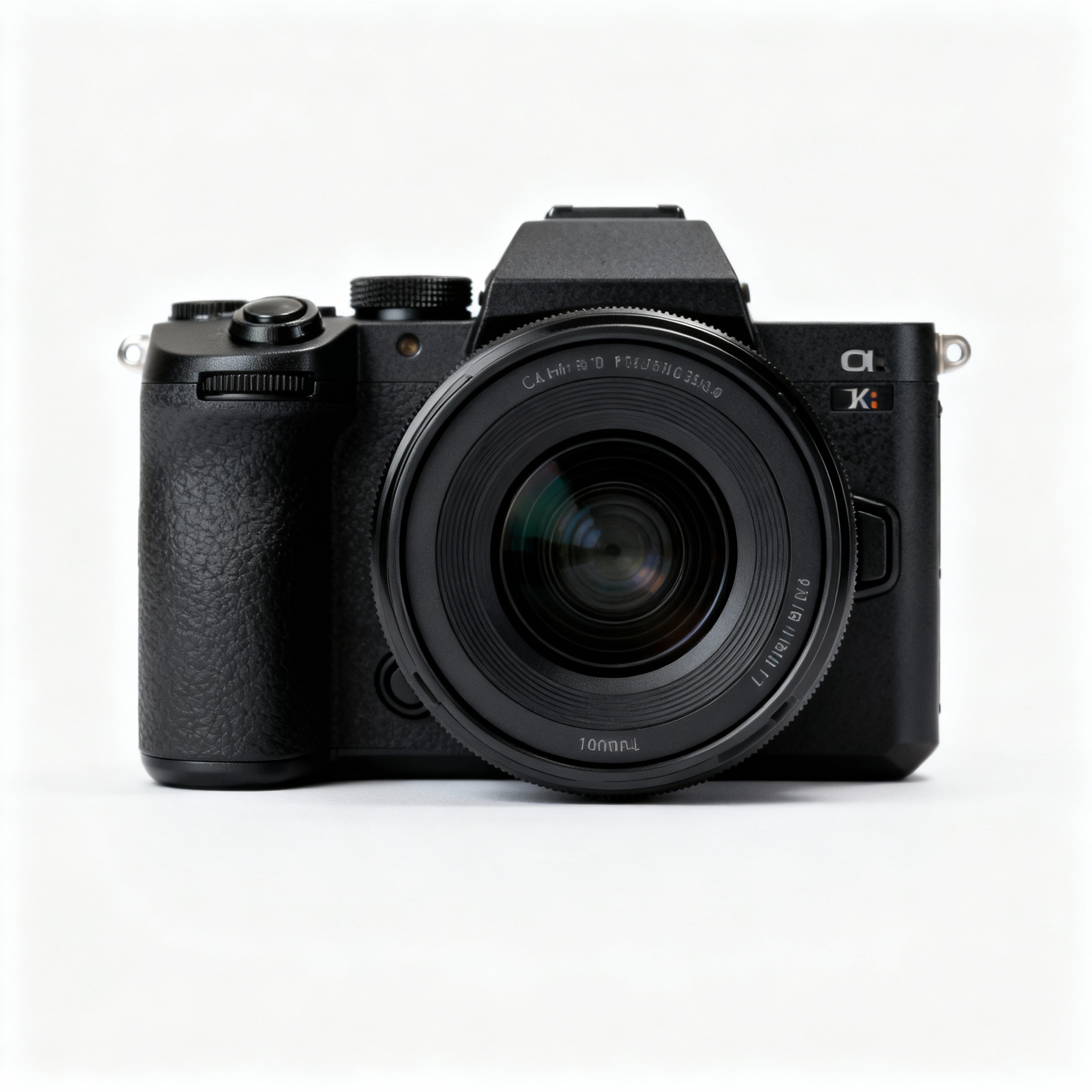
Digital photography has evolved tremendously, and 2026 brings exciting opportunities for aspiring photographers to dive into the world of DSLR cameras. While mirrorless cameras have gained significant traction, DSLRs remain an excellent choice for beginners seeking reliability, extensive lens ecosystems, and exceptional value for money.
Choosing your first DSLR can feel overwhelming with countless models, features, and technical specifications to consider. This comprehensive guide will walk you through everything you need to know to make an informed decision, from understanding essential features to exploring top picks across different budget ranges.
What Makes a DSLR Perfect for Beginners?
Before diving into specific recommendations, it’s crucial to understand what separates beginner-friendly DSLRs from their professional counterparts. The best entry-level DSLRs strike a balance between simplicity and capability, offering intuitive controls without sacrificing image quality or creative potential.
User-Friendly Interface and Controls
A beginner-friendly DSLR should feature clearly labeled buttons, intuitive menu systems, and helpful guidance modes. Many modern entry-level DSLRs include built-in tutorials, scene recognition, and automatic modes that help newcomers learn while shooting. Look for cameras with guided modes that explain settings and suggest improvements.
Lightweight and Ergonomic Design
Since you’ll likely be carrying your camera for extended periods, weight and comfort matter significantly. The best beginner DSLRs offer a comfortable grip and well-balanced design that doesn’t cause fatigue during long shooting sessions.
Built-in Learning Features
Many entry-level DSLRs now include feature guides, creative filters, and scene modes that help beginners understand different photographic concepts. These educational tools can accelerate your learning curve and help you transition from automatic to manual modes.
Key Features to Look for in Your First DSLR
Image Quality and Sensor Size
Most beginner DSLRs feature APS-C sensors, which provide excellent image quality while keeping costs reasonable. These sensors are significantly larger than smartphone cameras, resulting in better low-light performance, shallow depth of field capabilities, and overall image quality.
When evaluating image quality, consider the megapixel count, but don’t get caught up in the numbers game. Modern entry-level DSLRs typically offer 20-26 megapixels, which is more than sufficient for prints, social media, and most professional applications.
Autofocus System
A reliable autofocus system is crucial for capturing sharp images, especially when learning. Look for cameras with at least 9-45 autofocus points, with several cross-type points for improved accuracy. Modern DSLRs often include subject tracking and face detection, which can be invaluable for portrait and action photography.
ISO Performance and Low-Light Capabilities
Good ISO performance allows you to shoot in various lighting conditions without excessive noise. Entry-level DSLRs should perform well up to ISO 3200-6400, with acceptable results at higher sensitivities for emergency situations.
Video Recording Capabilities
While DSLRs are primarily designed for still photography, video capabilities have become increasingly important. Most modern entry-level DSLRs offer Full HD recording at minimum, with many now including 4K capabilities. Consider your video needs when making your selection.
Battery Life
DSLRs traditionally offer superior battery life compared to mirrorless cameras, often providing 400-600+ shots per charge. This advantage makes them particularly appealing for beginners who might forget to charge their cameras regularly or for extended shooting sessions.
Connectivity Options
Built-in Wi-Fi and Bluetooth connectivity have become standard features, allowing easy image transfer to smartphones and tablets for instant sharing. Some models also include GPS for geotagging your photos.
Top DSLR Picks for Beginners in 2026
Budget-Friendly Options (Under $500)
For newcomers working with limited budgets, several excellent options provide outstanding value without compromising essential features. These cameras typically include kit lenses and offer everything needed to start your photography journey.
Canon and Nikon dominate this segment with cameras that have proven reliable over years of use. While they may not include the latest cutting-edge features, they provide solid fundamentals and access to extensive lens ecosystems.
These budget-friendly options typically feature 18-24 megapixel APS-C sensors, basic autofocus systems with 9-11 focus points, and Full HD video recording. They’re perfect for learning fundamental photography concepts and determining whether you want to invest more heavily in photography equipment.
Mid-Range Excellence ($500-$800)
The mid-range category offers the sweet spot for most beginning photographers, providing advanced features without professional-level complexity or pricing. These cameras typically include improved autofocus systems, better build quality, and additional creative features.
Cameras in this range often feature articulating LCD screens, more sophisticated metering systems, and improved low-light performance. They may also include features like in-camera HDR, multiple exposure modes, and more extensive customization options.
The build quality improvements in this price range become noticeable, with weather sealing on some models and more durable construction overall. Battery life is typically excellent, and these cameras often include more comprehensive control layouts for growing into manual shooting modes.
Premium Beginner Options ($800+)
At the upper end of the beginner spectrum, you’ll find cameras that blur the line between entry-level and intermediate models. These often include features borrowed from professional cameras while maintaining user-friendly interfaces.
Premium beginner DSLRs might include advanced autofocus systems with 39+ focus points, superior low-light performance, and 4K video recording capabilities. They often feature dual memory card slots, more robust weather sealing, and professional-grade build quality.
While these cameras represent a significant investment, they offer room to grow and can serve photographers well into intermediate and advanced skill levels. They’re ideal for serious beginners who know they want to pursue photography long-term.
Alternative Consideration: Mirrorless Options
While this guide focuses on DSLRs, it’s worth considering mirrorless alternatives like the Sony A7 IV. Mirrorless cameras offer several advantages including compact size, silent shooting modes, and advanced video features.
The Sony A7 IV represents the pinnacle of full-frame mirrorless technology, offering 33-megapixel resolution, exceptional low-light performance, and professional video capabilities. While it exceeds typical beginner budgets, it demonstrates the direction camera technology is heading.
Sony A7 IV Specifications:
| Feature | Specification |
|---|---|
| Sensor | 33MP Full-Frame CMOS |
| Autofocus Points | 759 Phase-Detection |
| ISO Range | 100-51,200 (Extended: 50-204,800) |
| Video Recording | 4K/60p, Full HD/120p |
| Battery Life | 520 shots (LCD), 610 shots (EVF) |
| Weight | 658g (body only) |
| Memory Cards | Dual slots (CFexpress Type A/SD) |
For beginners considering mirrorless options, entry-level models from Sony, Canon, and other manufacturers offer many benefits of the A7 IV at more accessible price points.
Essential Accessories for Your First DSLR
Memory Cards and Storage
Invest in fast, reliable memory cards from reputable brands. Look for Class 10 or UHS-I cards with write speeds of at least 30MB/s for optimal performance. Having multiple smaller cards is often better than one large card for data security.
Extra Batteries and Chargers
While DSLR battery life is generally excellent, having spare batteries ensures you never miss important shots. Consider third-party options for budget-friendly alternatives, but prioritize quality and safety.
Camera Bags and Straps
Protect your investment with a quality camera bag that fits your shooting style. Options range from compact shoulder bags to comprehensive backpacks designed for hiking and travel photography.
Lens Filters
UV filters protect your lens elements, while polarizing filters can dramatically improve outdoor photography by reducing reflections and enhancing sky contrast. Neutral density filters enable creative effects like motion blur in bright conditions.
Tripods and Support
A sturdy tripod opens up new creative possibilities including long exposures, self-portraits, and sharp images in low light. Look for lightweight carbon fiber options if you plan to travel frequently.
Learning Resources and Next Steps
Online Communities and Forums
Join photography communities on platforms like Reddit, Flickr, and dedicated photography forums. These communities offer valuable feedback, inspiration, and technical assistance as you develop your skills.
Educational Content
Countless YouTube channels, online courses, and photography blogs offer free educational content. Focus on understanding fundamental concepts like exposure triangle, composition rules, and lighting principles.
Local Photography Groups
Many cities have photography meetups, camera clubs, and organized photo walks. These provide opportunities to learn from experienced photographers and explore new locations with like-minded individuals.
Practice Projects
Set personal challenges like 365-day photo projects, exploring specific genres, or documenting local events. Regular practice with specific goals accelerates skill development more effectively than casual shooting.
Maintenance and Care Tips
Sensor Cleaning
Learn proper sensor cleaning techniques or budget for professional cleaning services. Dust spots on your sensor will appear on every image, making this maintenance crucial for consistent image quality.
Lens Care
Invest in proper lens cleaning supplies including microfiber cloths, lens cleaning solutions, and lens pens. Clean lenses produce sharper images and protect your investment.
Firmware Updates
Regularly check for firmware updates that can improve autofocus performance, add new features, and fix bugs. Most manufacturers provide easy-to-follow update procedures.
Weather Protection
Even if your camera isn’t weather-sealed, simple precautions like rain covers and lens hoods can prevent damage and extend your camera’s lifespan.
Budget Planning and Value Considerations
Kit Lens vs. Body Only
Most beginners should opt for kit lens bundles, which provide excellent value and immediate shooting capability. Kit lenses have improved dramatically in recent years and offer versatile focal length ranges perfect for learning.
Long-term Investment Strategy
Consider your camera purchase as the foundation of a system rather than a standalone device. Factor in future lens purchases, accessories, and potential upgrades when setting your initial budget.
Used vs. New
The used camera market offers excellent value, particularly for discontinued models that were once flagships. Research model histories and buy from reputable dealers with return policies.
Seasonal Sales and Promotions
Camera prices fluctuate significantly throughout the year, with major sales around holidays and when new models are announced. Patience can result in substantial savings.
Making Your Final Decision
Choosing your first DSLR ultimately depends on balancing your current needs, budget constraints, and future aspirations. Consider these final factors when making your decision:
Image Quality Requirements: Determine whether you need the absolute best image quality or if good quality suffices while you’re learning.
Physical Preferences: Handle cameras in person when possible. Comfort and ergonomics significantly impact your shooting experience and frequency of use.
Ecosystem Considerations: Research lens availability and pricing within your chosen system. Some manufacturers offer more affordable lens options for beginners.
Feature Priorities: List features that matter most to you, whether that’s video capabilities, low-light performance, or specific creative modes.
Conclusion
The best DSLR for beginners in 2026 is ultimately the one that matches your specific needs, budget, and learning style. While professional photographers might debate technical specifications and minute performance differences, beginners benefit most from cameras that encourage regular use and gradual skill development.
Focus on finding a camera that feels comfortable in your hands, offers room to grow, and fits within your budget while leaving room for essential accessories. Remember that the best camera is the one you have with you, and even entry-level DSLRs in 2026 are capable of producing stunning images when paired with developing skills and creative vision.
Whether you choose a budget-friendly option to test the waters or invest in a premium beginner model for long-term growth, the most important step is to start shooting. Photography skills develop through practice, experimentation, and gradual mastery of both technical and creative elements.
Consider starting with a mid-range option if your budget allows, as these cameras typically offer the best balance of features, build quality, and value. Pair your choice with a commitment to regular practice, and you’ll be well on your way to developing the photography skills and creative eye that make great images possible.
Take time to research, read reviews, and handle different models when possible, but don’t let analysis paralysis prevent you from making a decision. The photography journey begins with that first shot, and any of the cameras discussed in this guide will serve you well as you develop your skills and discover your unique photographic voice.
Related Tags
Looking for the Best Camera Deals?
Check out our latest buying guides and comparison articles to find the perfect camera for your needs.
Browse Buying Guides