
Best Full Frame Mirrorless Cameras 2026: Top Picks Reviewed
Discover the top full frame mirrorless cameras of 2026. Expert reviews, specs comparison, and buying guide to find your perfect camera match.
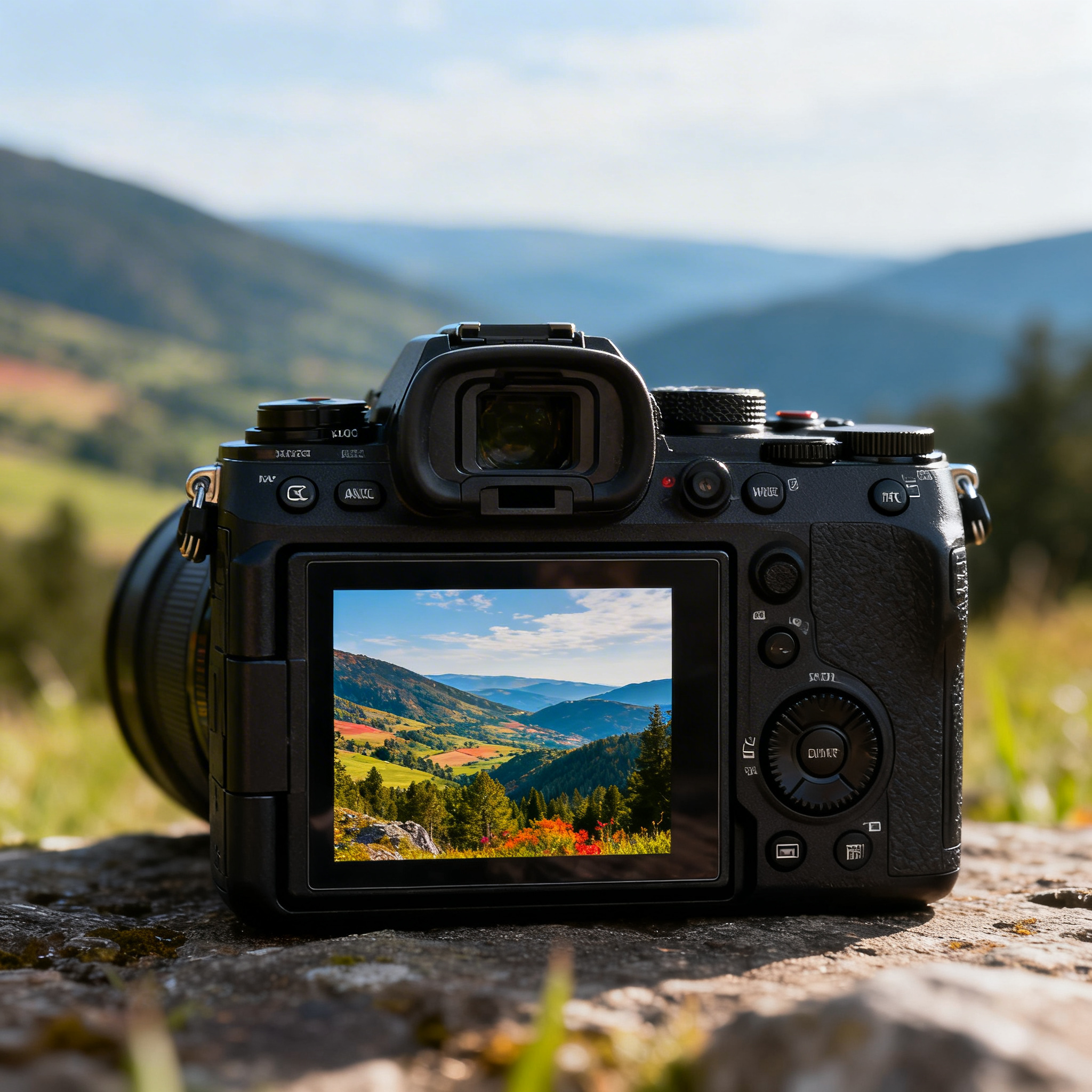
The world of full-frame mirrorless cameras has evolved dramatically, and 2026 brings us some of the most impressive imaging technology we’ve ever seen. Whether you’re a professional photographer, serious enthusiast, or content creator, choosing the right full-frame mirrorless camera can make all the difference in your creative work.
Full-frame sensors offer superior low-light performance, better dynamic range, and that coveted shallow depth of field that makes your subjects pop. Combined with the compact form factor and advanced features of mirrorless technology, these cameras represent the cutting edge of digital photography.
In this comprehensive guide, we’ll explore the best full-frame mirrorless cameras available in 2026, analyzing their specifications, real-world performance, and helping you determine which one deserves a spot in your camera bag.
What Makes a Great Full-Frame Mirrorless Camera in 2026
Before diving into specific models, it’s important to understand what separates the exceptional cameras from the merely good ones in today’s competitive market.
Image Quality and Sensor Technology: The best full-frame cameras now feature sensors with improved dynamic range, better high-ISO performance, and enhanced color science. Many incorporate advanced pixel architectures and on-sensor technologies that were unimaginable just a few years ago.
Autofocus Performance: Modern mirrorless cameras utilize sophisticated AI-powered autofocus systems that can track subjects with remarkable precision. Look for cameras with extensive focus point coverage, eye detection for humans and animals, and real-time tracking capabilities.
Video Capabilities: With the rise of hybrid shooting, today’s top cameras must excel at both stills and video. 4K recording is standard, but the best models offer features like 10-bit internal recording, advanced codecs, and professional video tools.
Build Quality and Ergonomics: A camera is only as good as your ability to use it effectively. Weather sealing, intuitive controls, and comfortable handling become crucial during long shooting sessions.
Top Full-Frame Mirrorless Cameras for 2026
Sony A7 IV - The Ultimate Hybrid Shooter
The Sony A7 IV continues to set the standard for versatile full-frame mirrorless cameras. This fourth-generation model represents Sony’s most balanced approach to hybrid shooting, offering exceptional performance for both photography and videography.
Specifications
| Feature | Sony A7 IV |
|---|---|
| Sensor | 33MP Full-Frame BSI CMOS |
| Processor | BIONZ XR |
| ISO Range | 100-51,200 (expandable to 50-204,800) |
| Autofocus Points | 759 phase-detection, 425 contrast-detection |
| Continuous Shooting | 10 fps mechanical, 10 fps electronic |
| Video Recording | 4K/60p, 4K/30p (7K oversampling) |
| Viewfinder | 3.69M-dot OLED EVF |
| LCD Screen | 3.0” vari-angle touchscreen (1.04M dots) |
| Battery Life | 580 shots (CIPA rated) |
| Weather Sealing | Yes |
| Weight | 658g (body only) |
Performance Analysis
Image Quality: The A7 IV’s 33-megapixel sensor strikes an excellent balance between resolution and low-light performance. The improved dynamic range allows for significant shadow recovery and highlight preservation, making it ideal for challenging lighting conditions. Color reproduction is natural and pleasing, with Sony’s latest color science producing skin tones that require minimal post-processing.
Autofocus System: Sony’s Real-time Eye AF works flawlessly with humans, animals, and birds. The camera locks onto subjects quickly and maintains tracking even in complex scenarios. The 759 phase-detection points cover approximately 94% of the frame, ensuring sharp focus regardless of your composition.
Video Performance: The A7 IV excels in video production with 4K/60p recording and excellent stabilization. The camera offers 10-bit 4:2:2 internal recording, S-Log3 profiles for extensive color grading flexibility, and comprehensive manual controls that videographers demand.
Pros and Cons
Pros:
- Exceptional hybrid performance for both stills and video
- Outstanding autofocus system with reliable subject tracking
- Excellent image stabilization (5.5 stops)
- Comprehensive video features including 4K/60p
- Dual card slots (CFexpress Type A/SD)
- Weather-sealed construction
Cons:
- Rolling shutter in electronic shutter mode
- Menu system can be overwhelming for beginners
- CFexpress Type A cards are expensive
- Limited buffer depth in RAW+JPEG mode
Who Should Buy the Sony A7 IV
The A7 IV is perfect for hybrid shooters who need one camera for multiple purposes. Wedding photographers, travel photographers, and content creators will appreciate its versatility. The combination of high-resolution stills and professional video features makes it an excellent choice for those who don’t want to compromise on either medium.
Alternative Options Worth Considering
While the Sony A7 IV represents exceptional value and performance, several other cameras deserve consideration depending on your specific needs.
For Portrait and Studio Work
Cameras with higher resolution sensors, like 45+ megapixel models, excel in controlled environments where maximum detail is paramount. These cameras typically offer superior dynamic range and allow for extensive cropping without quality loss.
For Sports and Wildlife Photography
High-speed cameras with faster burst rates and advanced tracking systems cater to action photographers. Look for cameras offering 20+ fps shooting speeds and extended buffer capacities.
For Video-Centric Users
Some cameras prioritize video features over stills performance, offering advanced codec options, longer recording times, and better thermal management for extended shooting sessions.
Key Features to Consider When Choosing
Sensor Resolution and Performance
The megapixel count isn’t everything, but it does impact your workflow and final output options. Higher resolution sensors provide more detail and cropping flexibility but require more storage space and processing power. Consider your typical output requirements – social media and web use rarely require more than 24 megapixels, while large prints and commercial work benefit from higher resolution.
Autofocus Capabilities
Modern autofocus systems go far beyond simple phase detection. Look for:
- Subject Detection: Advanced algorithms that recognize and track people, animals, vehicles, and other subjects
- Eye Detection Accuracy: Particularly important for portrait work
- Low Light Performance: How well the AF system works in challenging lighting
- Customization Options: Ability to fine-tune tracking sensitivity and behavior
Video Specifications
Even if you’re primarily a stills photographer, having good video capabilities adds versatility:
- 4K Recording Quality: Look for oversampled 4K rather than cropped sensor modes
- Frame Rate Options: 60p and higher for slow-motion capabilities
- Color Profiles: Log profiles for professional color grading
- Audio Features: Quality of built-in microphones and external audio options
Build Quality and Handling
A camera’s physical characteristics significantly impact your shooting experience:
- Weather Sealing: Essential for outdoor and travel photography
- Ergonomics: How comfortable the camera feels during extended use
- Control Layout: Intuitive placement of frequently used controls
- Customization: Ability to assign functions to buttons and dials
Real-World Usage Tips
Maximizing Battery Life
Full-frame mirrorless cameras are notorious for battery consumption. Here are strategies to extend shooting time:
- Use power-saving modes when possible
- Turn off unnecessary features like Wi-Fi when not needed
- Carry multiple batteries and consider a battery grip for extended sessions
- Use the LCD screen instead of the EVF when appropriate
Lens Selection Strategy
Your lens choice often matters more than the camera body. Consider:
- Starting with a versatile zoom like a 24-70mm f/2.8
- Adding a fast prime for low-light situations
- Investing in quality glass that will outlast multiple camera bodies
- Considering third-party options for budget-conscious buyers
Memory Card Considerations
Modern cameras generate large files, especially when shooting 4K video:
- Invest in fast, high-capacity cards
- Use dual card slots for backup or overflow
- Consider the camera’s specific card requirements (CFexpress vs SD)
- Format cards in-camera rather than on a computer
Future-Proofing Your Investment
Technology evolves rapidly, but certain features help ensure your camera remains relevant:
- Firmware Updates: Manufacturers that regularly update their cameras with new features
- Lens Ecosystem: A robust selection of current and future lens options
- Professional Support: Availability of service and support for professional users
- Resale Value: Brands and models that maintain their value over time
Making Your Decision
Choosing the right full-frame mirrorless camera depends on balancing your specific needs against available budget. Consider these questions:
- What’s your primary use case? Portrait, landscape, sports, video, or general photography?
- How important is portability? Some cameras prioritize features over size and weight.
- What’s your existing lens collection? Staying within the same system can save money.
- Do you need professional video features? This significantly impacts which cameras make sense.
- What’s your upgrade timeline? A camera that grows with your skills might justify higher initial cost.
Conclusion and Recommendations
The full-frame mirrorless camera market in 2026 offers exceptional options for every type of photographer and videographer. The Sony A7 IV stands out as the best overall choice for most users, offering an unmatched combination of image quality, video capabilities, and practical features.
For most photographers, the Sony A7 IV provides everything needed for professional results without unnecessary complexity or cost. Its hybrid capabilities make it future-proof as your interests and client needs evolve.
For specialized needs, consider cameras that excel in your specific area of focus, whether that’s high-resolution studio work, sports photography, or video production.
Remember that the best camera is the one you’ll actually use and enjoy using. Consider renting or testing different models before making your final decision, and don’t forget to budget for quality lenses and accessories that will help you get the most from your new camera.
The investment in a quality full-frame mirrorless camera pays dividends in creative possibilities and image quality that will serve you well for years to come. Whether you choose the versatile Sony A7 IV or another model that better fits your specific needs, you’re entering an exciting era of digital photography with tools that would have been considered magical just a decade ago.
Related Tags
Looking for the Best Camera Deals?
Check out our latest buying guides and comparison articles to find the perfect camera for your needs.
Browse Buying Guides