
Best Mirrorless Cameras 2026: Top Picks & Buying Guide
Discover the top mirrorless cameras of 2026 with our expert buying guide. Compare features, prices, and performance to find your perfect camera match.
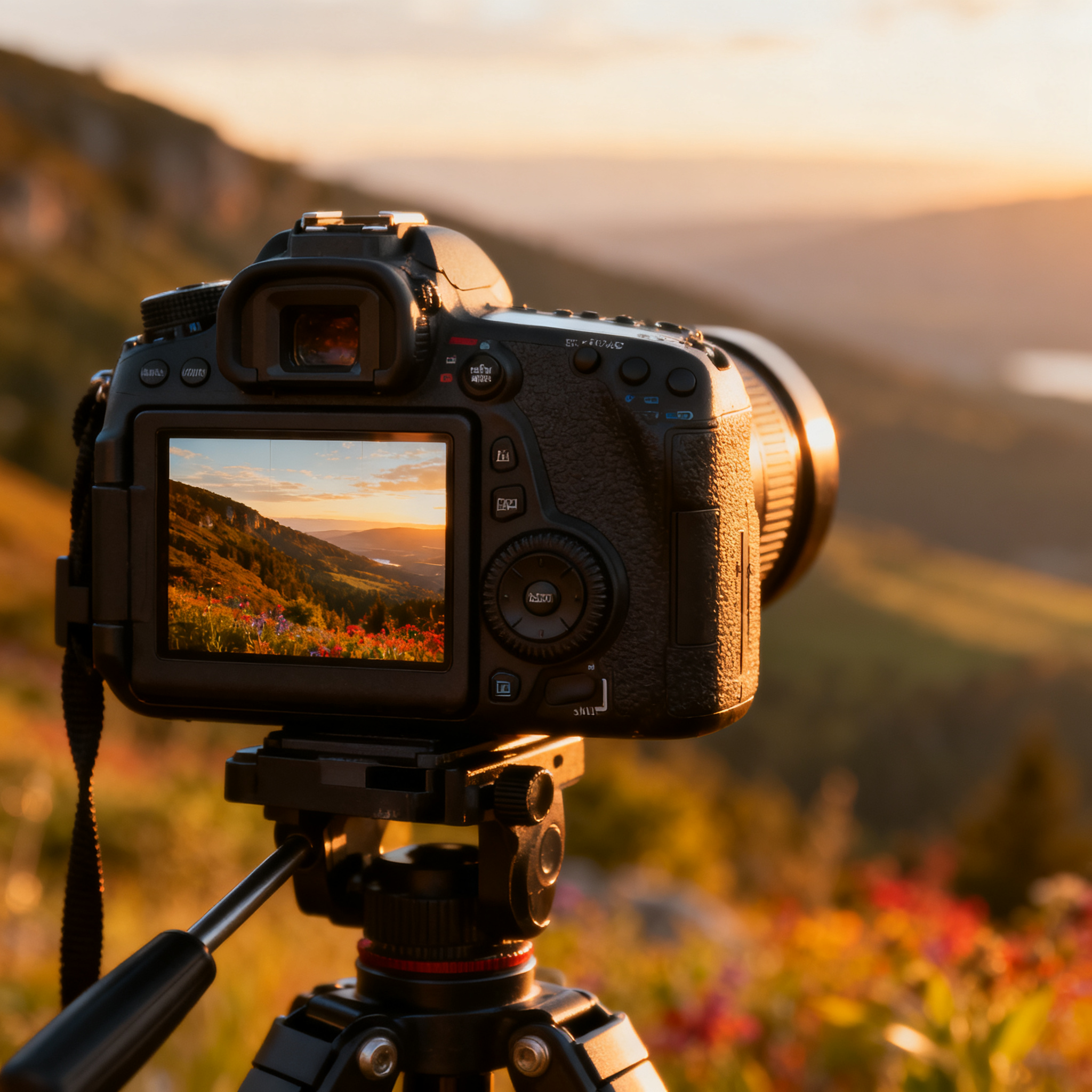
The mirrorless camera market continues to evolve at breakneck speed, with 2026 bringing unprecedented innovation in image quality, autofocus performance, and video capabilities. Whether you’re a professional photographer, content creator, or enthusiastic hobbyist, choosing the right mirrorless camera can significantly impact your creative output and workflow efficiency.
Gone are the days when DSLR cameras dominated the professional photography landscape. Mirrorless systems now offer comparable – and often superior – performance in a more compact, versatile package. This comprehensive guide will walk you through the top mirrorless cameras of 2026, helping you make an informed decision based on your specific needs and budget.
What to Look for When Buying a Mirrorless Camera
Sensor Size and Type
The sensor is the heart of any camera, and understanding the different types is crucial for making the right choice. Full-frame sensors (35mm) provide the best low-light performance and shallow depth of field control, making them ideal for professional work. APS-C sensors offer an excellent balance between image quality and portability, while Micro Four Thirds systems excel in compactness and telephoto reach.
When evaluating sensors, consider both megapixel count and pixel quality. Higher resolution isn’t always better – larger pixels generally capture more light and produce better dynamic range. Look for cameras with at least 20-24 megapixels for most applications, though landscape and studio photographers may benefit from higher resolution options.
Autofocus Performance
Modern mirrorless cameras leverage advanced autofocus systems that can make or break your shooting experience. Look for cameras with phase-detection autofocus points covering a significant portion of the frame (ideally 90% or more). Real-time tracking and subject recognition for eyes, faces, animals, and vehicles has become standard in premium models.
Consider the camera’s continuous autofocus performance if you shoot moving subjects. The best systems can maintain sharp focus on erratically moving subjects while capturing multiple frames per second. Additionally, low-light autofocus capability is crucial for wedding photographers, event shooters, and anyone working in challenging lighting conditions.
Video Capabilities
Video has become an essential feature for most photographers, whether for personal projects or professional client work. At minimum, look for 4K recording at 30fps, though many 2026 models now offer 4K at 60fps or even 120fps for slow-motion effects. Internal recording capabilities save you from external recorders, while features like 10-bit color depth and log profiles provide greater post-production flexibility.
Pay attention to recording limits, overheating issues, and stabilization performance. Some cameras impose time limits on continuous recording, which can be problematic for long-form content creation. In-body image stabilization (IBIS) has become increasingly sophisticated, often providing 6-8 stops of stabilization when paired with stabilized lenses.
Build Quality and Ergonomics
Professional cameras need to withstand demanding conditions while remaining comfortable during extended shooting sessions. Weather sealing protects against dust and moisture, essential for outdoor photography. Magnesium alloy construction provides durability without excessive weight.
Ergonomics are highly personal, but look for cameras with well-positioned controls, customizable buttons, and comfortable grips. The electronic viewfinder (EVF) quality significantly impacts the shooting experience – higher resolution and faster refresh rates provide a more natural, lag-free view. Tilting or fully articulating rear screens are invaluable for creative angles and video work.
Top Mirrorless Camera Picks for 2026
Best Overall: Sony Alpha A7 V
Sony continues to lead the full-frame mirrorless market with the Sony A7 IV, and early indicators suggest the A7 V will build upon this foundation with even more impressive capabilities. The current A7 IV already represents an excellent choice for most photographers, offering 33-megapixel resolution, excellent low-light performance, and robust video features.
Key Specifications:
| Feature | Specification |
|---|---|
| Sensor | 33MP Full-Frame BSI CMOS |
| Autofocus Points | 759 phase-detection |
| Continuous Shooting | 10 fps |
| Video | 4K 60p, 1080p 120p |
| Stabilization | 5-axis IBIS (5.5 stops) |
| Battery Life | 580 shots (CIPA) |
The Sony system benefits from the most extensive lens ecosystem, ranging from affordable third-party options to premium G Master glass. The camera’s real-time tracking autofocus performs exceptionally well for both photography and video, while the high-resolution EVF provides an excellent shooting experience.
Best for Professionals: Canon EOS R5 Mark II
Canon’s flagship mirrorless system has matured significantly, with the theoretical R5 Mark II promising to address the original’s overheating concerns while pushing resolution and video capabilities even further. The current R5 already offers exceptional image quality with its 45-megapixel sensor and industry-leading autofocus performance.
Professional photographers will appreciate the camera’s weather sealing, dual card slots, and extensive customization options. The RF lens mount system continues to expand, with Canon’s impressive optical engineering producing some of the sharpest lenses available.
Best Value: Fujifilm X-T5
Fujifilm has carved out a unique position in the mirrorless market by focusing on image quality, build quality, and the tactile shooting experience. The X-T5 delivers exceptional value with its 40-megapixel APS-C sensor, producing images that rival many full-frame systems.
The camera’s film simulation modes provide stunning JPEG output straight from the camera, reducing post-processing time for many photographers. Fujifilm’s lens lineup emphasizes quality over quantity, with each optic delivering outstanding performance and build quality.
Best for Content Creators: Panasonic Lumix S5 IIX
Panasonic has prioritized video capabilities in their mirrorless development, resulting in cameras that excel for hybrid photo/video work. The S5 IIX offers unlimited recording times, exceptional stabilization, and professional video features typically found in much more expensive cameras.
The camera’s full-size HDMI port, headphone jack, and comprehensive manual controls make it ideal for serious video work. While the autofocus system has historically lagged behind Sony and Canon, recent improvements have significantly closed the gap.
Budget-Friendly Options
Entry-Level Excellence: Sony A6400
For photographers just entering the mirrorless world, the Sony A6400 provides professional-grade features at an accessible price point. The 24-megapixel APS-C sensor delivers excellent image quality, while the autofocus system rivals much more expensive cameras.
The compact size makes it ideal for travel photography, and the extensive lens ecosystem means you won’t outgrow the system quickly. Real-time eye autofocus works reliably for both humans and animals, making it excellent for portrait and wildlife photography.
Best Micro Four Thirds: Olympus OM-D E-M10 Mark V
The Micro Four Thirds system offers the smallest and lightest camera and lens combinations without sacrificing image quality significantly. The E-M10 series provides excellent in-body stabilization, weather sealing, and intuitive controls at a budget-friendly price.
While the smaller sensor limits low-light performance compared to APS-C and full-frame options, the system excels for travel, street photography, and situations where weight and size are primary concerns. The extensive lens selection includes many compact, high-quality options.
Practical Tips for Choosing Your Camera
Assess Your Primary Shooting Needs
Before getting caught up in specifications, honestly evaluate how you plan to use the camera. Wedding and event photographers need excellent low-light performance and reliable autofocus. Landscape photographers benefit from high resolution and excellent dynamic range. Sports photographers require fast continuous shooting and telephoto lens options.
Consider the 80/20 rule – choose a camera that excels at what you’ll do 80% of the time, rather than trying to optimize for every possible scenario. A camera that performs adequately in all situations but excellently in your primary use case will serve you better than one with impressive specs that don’t align with your needs.
Factor in the Complete System Cost
The camera body is just the beginning – lenses, accessories, and ongoing costs significantly impact your total investment. Research lens prices for focal lengths you plan to use regularly. Some systems offer more affordable third-party lens options, while others rely primarily on expensive first-party glass.
Consider accessories like extra batteries, memory cards, camera straps, and carrying cases. Professional photographers may need additional items like external flashes, triggers, and backup equipment. Calculate the total system cost for your first year to avoid budget surprises.
Test Before You Buy
Specifications only tell part of the story – ergonomics and user interface design significantly impact the shooting experience. Visit a camera store to handle different models, paying attention to button placement, menu systems, and overall feel. What works well for other photographers may not suit your preferences and shooting style.
If possible, rent cameras you’re considering for a weekend shoot. This hands-on experience often reveals preferences and limitations that aren’t apparent from brief store handling or online reviews.
Future-Proofing Your Investment
Emerging Technologies to Consider
Computational photography continues to evolve, with features like pixel-shift high resolution, advanced noise reduction, and AI-powered scene optimization becoming more common. While these features shouldn’t drive your primary decision, they add value for specific shooting scenarios.
8K video recording is becoming more prevalent, though the practical benefits remain limited for most creators. However, 8K capture allows for 4K output with digital zoom and stabilization, providing additional flexibility in post-production.
Lens Roadmaps and System Maturity
Newer camera mounts may offer theoretical advantages but lack extensive lens selections. Established systems like Sony FE, Canon RF, and various APS-C mounts provide immediate access to comprehensive lens lineups. Research manufacturer roadmaps to ensure planned lens releases align with your future needs.
Consider the long-term viability of your chosen system. While camera bodies become obsolete, quality lenses retain their value and usefulness for decades. Investing in a system with strong third-party support provides more options and competitive pricing over time.
Conclusion and Recommendations
The mirrorless camera landscape in 2026 offers exceptional options for every photographer and budget level. For most users, the Sony A7 IV represents the best balance of image quality, features, and system support, making it our top overall recommendation.
Professional photographers requiring the absolute best image quality and weather sealing should consider the Canon EOS R5 Mark II, while budget-conscious buyers will find excellent value in the Sony A6400 or Fujifilm X-T5.
Content creators prioritizing video capabilities will be best served by the Panasonic S5 IIX, which offers professional video features at a competitive price point. For maximum portability without sacrificing too much image quality, Micro Four Thirds options like the Olympus E-M10 Mark V provide compelling alternatives.
Remember that the best camera is ultimately the one that matches your specific needs, budget, and shooting style. Take time to research, test, and consider your long-term goals before making this significant investment. The cameras highlighted in this guide all offer excellent performance and will serve you well for years to come, but the right choice depends on your unique requirements and creative vision.
Related Tags
Looking for the Best Camera Deals?
Check out our latest buying guides and comparison articles to find the perfect camera for your needs.
Browse Buying Guides