
Best Mirrorless Cameras 2026: Top Picks & Buying Guide
Discover the top mirrorless cameras of 2026 with our expert buying guide. Compare features, prices, and performance to find your perfect camera match.
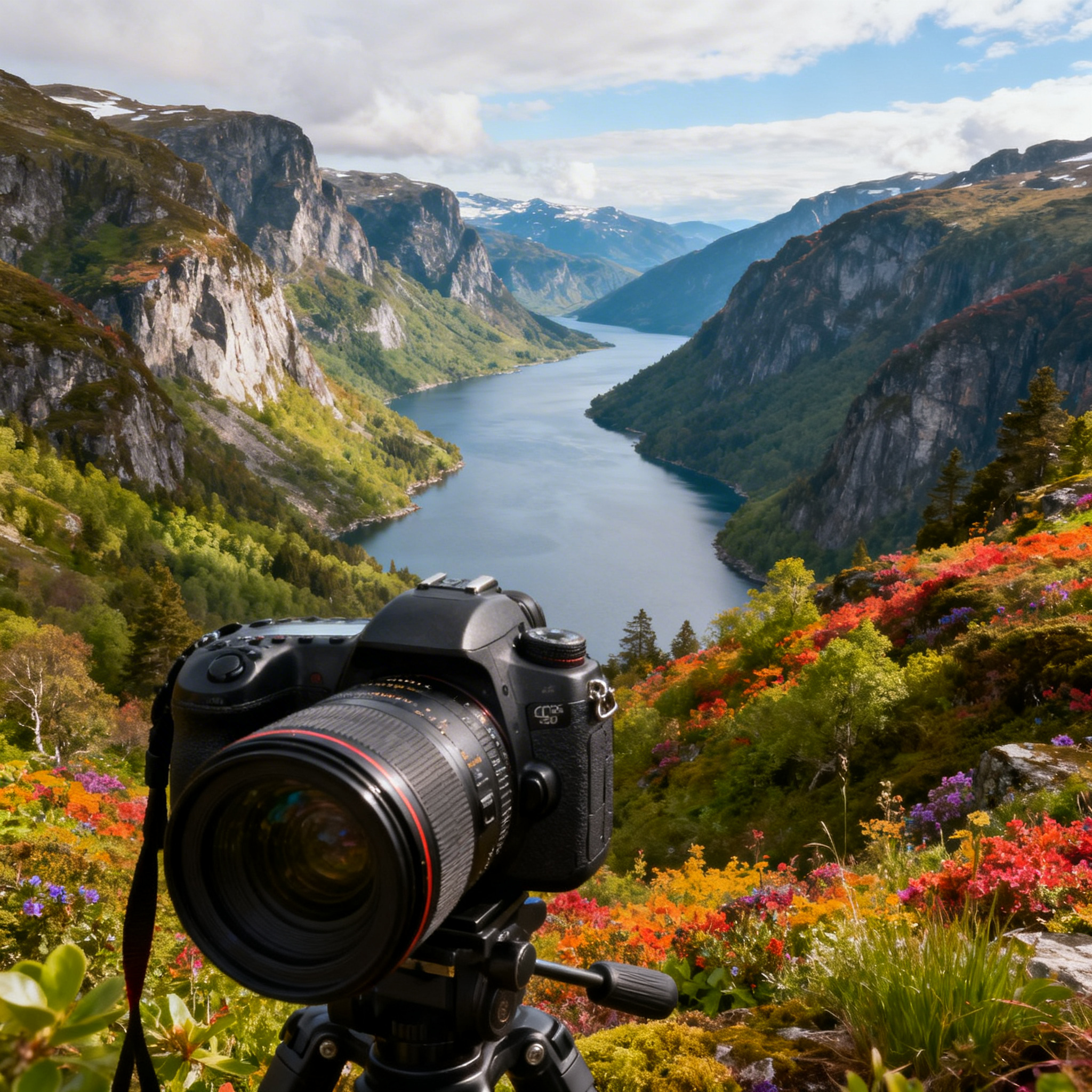
Photography enthusiasts and professionals alike are witnessing an exciting evolution in mirrorless camera technology. As we move through 2026, these compact powerhouses continue to push the boundaries of what’s possible in digital imaging, offering DSLR-quality performance in significantly smaller packages. Whether you’re a seasoned photographer looking to upgrade or a beginner ready to invest in your first serious camera, choosing the right mirrorless system can dramatically impact your creative journey.
The mirrorless camera market has matured considerably, with manufacturers delivering exceptional image quality, lightning-fast autofocus, and video capabilities that rival professional cinema cameras. This comprehensive guide will help you navigate the current landscape and find the perfect mirrorless camera that matches your needs, skill level, and budget.
What Makes Mirrorless Cameras Special?
Mirrorless cameras have revolutionized photography by eliminating the complex mirror mechanism found in traditional DSLRs. This design innovation results in cameras that are typically 30-50% smaller and lighter than their DSLR counterparts, without sacrificing image quality or performance.
The electronic viewfinder (EVF) system provides a real-time preview of your image, including exposure settings, white balance, and creative filters – essentially showing you exactly what your final image will look like before you press the shutter. This “what you see is what you get” approach has proven invaluable for both photography and videography.
Key Features to Consider When Buying
Sensor Size and Image Quality
The sensor is the heart of any camera, and understanding the different sizes available will help you make an informed decision:
Full-Frame Sensors offer the largest surface area, providing superior low-light performance, better dynamic range, and more natural depth of field control. They’re ideal for professional work, landscape photography, and situations where maximum image quality is paramount.
APS-C Sensors strike an excellent balance between performance and portability. These sensors are approximately 1.5x smaller than full-frame, resulting in a crop factor that can actually benefit telephoto photography while keeping the overall system more compact and affordable.
Micro Four Thirds sensors prioritize portability and lens selection. While smaller than APS-C, modern MFT sensors deliver impressive results, especially when paired with the extensive lens ecosystem from Olympus and Panasonic.
Autofocus Performance
Modern mirrorless cameras excel in autofocus speed and accuracy, often surpassing DSLRs. Look for systems with:
- Phase-detection points covering a large portion of the sensor
- Eye detection for portraits (human and animal)
- Subject tracking that can follow moving subjects across the frame
- Low-light autofocus capabilities down to -4 EV or better
Video Capabilities
Even if you primarily shoot stills, having solid video features adds versatility to your camera investment. Consider:
- 4K recording at 60fps for smooth motion
- Internal stabilization to reduce camera shake
- Professional codecs like ProRes or high-bitrate options
- Clean HDMI output for external recording
Battery Life and Handling
Mirrorless cameras traditionally had shorter battery life than DSLRs, but recent improvements have largely addressed this concern. Look for cameras offering 400+ shots per charge, and consider investing in spare batteries for extended shooting sessions.
Top Mirrorless Cameras for 2026
Best Overall: Sony A7 IV
The Sony A7 IV continues to set the standard for full-frame mirrorless cameras, offering an exceptional blend of still photography and video performance. This versatile powerhouse has earned its reputation as the go-to choice for professionals and serious enthusiasts.
| Specification | Sony A7 IV |
|---|---|
| Sensor | 33MP Full-Frame CMOS |
| ISO Range | 100-51,200 (expandable to 204,800) |
| Autofocus Points | 759 phase-detection points |
| Video | 4K 60p, 10-bit 4:2:2 internal |
| Battery Life | 580 shots (CIPA) |
| Weight | 658g (body only) |
Key Strengths:
- Exceptional 33-megapixel resolution perfect for both web and large print usage
- Industry-leading autofocus with real-time tracking and eye detection
- Professional 4K video features including 10-bit internal recording
- Excellent low-light performance up to ISO 12,800
- Robust weather sealing for outdoor photography
Best For: Professional photographers, content creators, and advanced enthusiasts who need a reliable all-around performer that excels in both photo and video applications.
Best for Beginners: Canon EOS R10
Canon’s entry into the affordable mirrorless market delivers impressive performance at a beginner-friendly price point. The R10 offers the quality and features needed to grow with your photography skills while remaining approachable for newcomers.
Key Features:
- 24.2MP APS-C sensor with excellent color reproduction
- Dual Pixel CMOS AF with subject detection
- 4K video recording with no crop
- Compact, lightweight design perfect for travel
- Intuitive menu system ideal for learning
The R10 strikes an perfect balance between capability and simplicity, offering professional features without overwhelming complexity. Its guided modes help beginners understand exposure principles while providing full manual control as skills develop.
Best for Video: Panasonic GH6
Panasonic continues to lead in video-focused mirrorless cameras with the GH6. This Micro Four Thirds powerhouse delivers cinema-quality features that would have been unimaginable in cameras of this size just a few years ago.
Video Specifications:
- 5.7K ProRes internal recording
- Unlimited recording time (no 30-minute limit)
- Advanced V-Log profile for professional color grading
- High frame rate options up to 300fps in 1080p
- Professional audio inputs and monitoring
Best For: Videographers, filmmakers, and hybrid shooters who prioritize video features and need professional recording capabilities in a compact system.
Best Budget Option: Fujifilm X-T30 II
The X-T30 II proves that exceptional image quality doesn’t require a premium price tag. Fujifilm’s film simulation modes and excellent JPEG engine make this camera particularly appealing for photographers who prefer to work with images straight from the camera.
Notable Features:
- 26.1MP X-Trans CMOS sensor
- Classic film simulation modes including Velvia and Classic Chrome
- Compact retro design with physical controls
- 4K video recording
- Excellent value for the feature set
Budget-Friendly Options
Entry-Level Excellence Under $800
Olympus OM-D E-M10 Mark IV offers exceptional value in the Micro Four Thirds system. Despite its compact size, it delivers:
- 5-axis in-body image stabilization
- 20.3MP sensor with excellent image quality
- Comprehensive art filters and creative modes
- Lightweight design perfect for travel
- Access to the extensive MFT lens ecosystem
Sony A6000 Series remains relevant for budget-conscious buyers, offering:
- Proven 24.3MP APS-C sensor
- Fast hybrid autofocus system
- Compact E-mount system with growing lens selection
- Reliable performance for everyday photography
Mid-Range Value Champions ($800-$1500)
This price segment offers the best balance of features and performance for most photographers:
Canon EOS R7 delivers professional features at an enthusiast price point, featuring weather sealing, dual card slots, and excellent battery life.
Nikon Z6 II provides full-frame performance with dual processors for improved performance and reliability.
Lens Ecosystem Considerations
Your camera body is just the beginning – the available lens ecosystem will determine your creative possibilities for years to come. Consider these factors:
Native Lens Selection
Sony E-Mount offers the most extensive selection of native lenses, from ultra-wide to super-telephoto options, including third-party manufacturers like Sigma and Tamron.
Canon RF Mount is rapidly expanding with innovative designs like the RF 28-70mm f/2L and compact macro options.
Fujifilm X-Mount provides exceptional prime lenses with unique focal lengths and consistently high optical quality.
Micro Four Thirds offers the largest selection of native lenses from multiple manufacturers, with particularly strong telephoto options.
Adaptation Options
Most mirrorless systems support lens adapters, allowing you to use legacy glass from various manufacturers. Canon and Nikon offer excellent native adapters for their DSLR lenses, providing seamless compatibility and full functionality.
Advanced Features Worth Considering
In-Body Image Stabilization (IBIS)
IBIS has become increasingly important, especially for handheld shooting and video work. Systems like Sony’s 5-axis stabilization can provide up to 5.5 stops of compensation, dramatically expanding your shooting possibilities in low light.
Computational Photography
Modern mirrorless cameras increasingly leverage computational techniques:
- Pixel Shift Technology creates ultra-high resolution images by combining multiple shots
- Focus Stacking automatically captures multiple images at different focus points
- HDR Modes combine multiple exposures for extended dynamic range
Professional Connectivity
For professional workflows, consider cameras offering:
- Dual memory card slots for redundancy
- USB-C charging for simplified power management
- Wireless tethering for studio work
- Professional codecs for video production
Real-World Performance Tips
Battery Management
Mirrorless cameras consume more power than DSLRs due to the constant electronic viewfinder operation. Practical tips include:
- Always carry at least one spare battery
- Use the LCD instead of EVF when possible to conserve power
- Disable Wi-Fi and GPS when not needed
- Consider battery grips for extended shooting sessions
Lens Selection Strategy
Build your lens kit strategically:
- Start with a versatile zoom (24-70mm equivalent) for general photography
- Add a fast prime (35mm or 50mm) for low light and creative depth of field
- Consider specialized lenses based on your specific interests (macro, telephoto, ultra-wide)
Memory Card Considerations
High-resolution cameras and 4K video require fast memory cards:
- Use UHS-II cards for 4K video recording
- Consider CFexpress Type B for highest performance cameras
- Always format cards in-camera for optimal compatibility
Making Your Final Decision
Choosing the right mirrorless camera depends on your specific needs and priorities:
For Professional Work: Prioritize full-frame sensors, weather sealing, dual card slots, and robust build quality. The Sony A7 IV exemplifies these professional requirements.
For Travel Photography: Consider APS-C or Micro Four Thirds systems for their compact size and lighter weight, without sacrificing image quality.
For Video Content: Look for cameras with professional video codecs, unlimited recording, and advanced autofocus tracking.
For Learning Photography: Choose systems with intuitive interfaces, good educational resources, and room to grow as your skills develop.
Conclusion
The mirrorless camera landscape in 2026 offers unprecedented choices for photographers at every level. Whether you’re drawn to the professional versatility of the Sony A7 IV, the beginner-friendly approach of Canon’s R-series, or the video excellence of Panasonic’s offerings, there’s never been a better time to invest in mirrorless technology.
Remember that the “best” camera is ultimately the one that matches your specific needs, budget, and shooting style. Consider factors like lens ecosystem, long-term upgrade path, and the type of photography that excites you most. With any of the cameras mentioned in this guide, you’ll have the tools necessary to capture stunning images and grow as a photographer.
The most important step is to start shooting. Modern mirrorless cameras are incredibly capable, and the differences between top models are often less significant than the difference between having a camera and not having one. Choose a system that inspires you to create, and you’ll find that technical specifications matter far less than your vision and dedication to the craft of photography.
Related Tags
Looking for the Best Camera Deals?
Check out our latest buying guides and comparison articles to find the perfect camera for your needs.
Browse Buying Guides