
Best Photography Equipment 2026: Complete Buyer's Guide
Discover the top photography gear for 2026. Our comprehensive buyer's guide covers cameras, lenses, and accessories to elevate your photography skills.
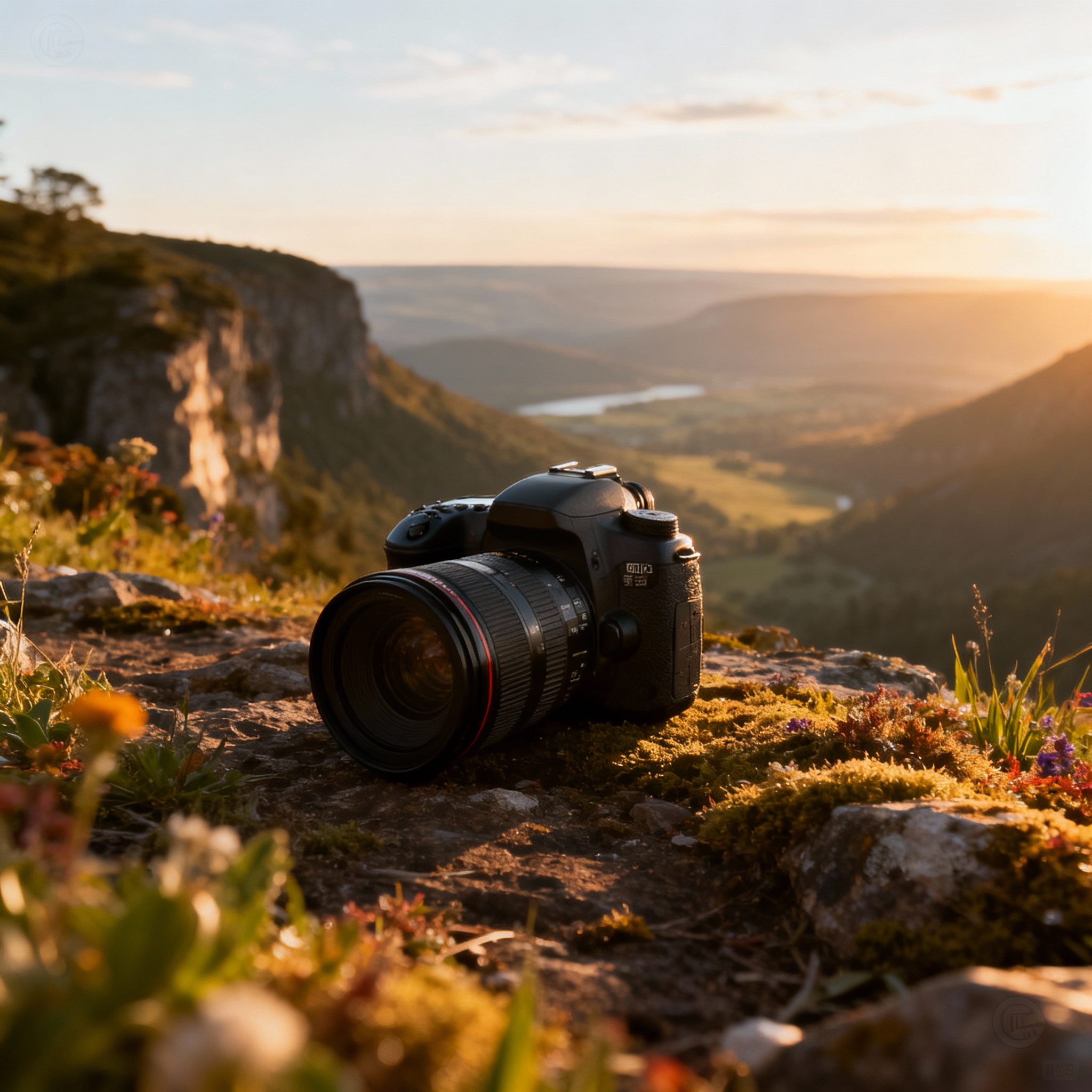
Whether you’re a seasoned photographer looking to upgrade your gear or a beginner ready to invest in quality equipment, 2026 brings exciting innovations and proven performers to the photography world. This comprehensive buyer’s guide will help you navigate the best photography equipment available today, from cameras and lenses to essential accessories that can elevate your craft.
The photography landscape has evolved dramatically, with manufacturers pushing boundaries in image quality, autofocus performance, and video capabilities. Understanding what equipment suits your specific needs and budget is crucial for making informed decisions that will serve you well for years to come.
What to Look for in Modern Photography Equipment
Key Performance Factors
When evaluating photography equipment in 2026, several critical factors determine value and performance. Image quality remains paramount, encompassing resolution, dynamic range, and low-light performance. Modern sensors deliver exceptional detail, but understanding how megapixels translate to real-world usage is essential.
Autofocus systems have become increasingly sophisticated, with AI-powered subject detection and tracking capabilities. Look for cameras offering eye detection for humans and animals, as well as reliable continuous autofocus for moving subjects.
Build quality and weather sealing ensure your investment withstands regular use and challenging conditions. Professional-grade equipment typically features robust construction and environmental protection, while entry-level options may compromise on durability to meet price points.
Ergonomics and User Experience
The best camera is the one you’ll actually use. Consider grip comfort, button placement, and menu systems when evaluating equipment. Touchscreen interfaces have become standard, but physical controls remain important for quick adjustments.
Battery life varies significantly between models and directly impacts your shooting experience. Mirrorless cameras have improved dramatically in this area, though DSLRs still typically offer superior battery performance.
Best Cameras for Every Budget
Professional Full-Frame Cameras
For professionals and serious enthusiasts, full-frame cameras deliver uncompromising image quality and performance. The Sony A7 IV exemplifies modern full-frame excellence, combining 33-megapixel resolution with outstanding low-light performance and advanced video capabilities.
Sony A7 IV Specifications
| Feature | Specification |
|---|---|
| Sensor | 33MP Full-Frame BSI CMOS |
| ISO Range | 100-51,200 (expandable to 204,800) |
| Autofocus Points | 759 phase-detection points |
| Video | 4K 60p, 10-bit internal recording |
| Battery Life | 580 shots (CIPA rated) |
| Weight | 658g (body only) |
The A7 IV’s hybrid autofocus system excels at tracking subjects across the frame, making it exceptional for both still photography and video work. Its 10-bit internal recording capabilities satisfy professional video requirements without external recorders.
Real-world performance: In testing, the A7 IV demonstrates excellent dynamic range, allowing significant highlight and shadow recovery in post-processing. The improved menu system addresses previous Sony criticisms, offering more intuitive navigation.
Mid-Range Options
Mid-range cameras offer excellent value, combining advanced features with more accessible pricing. These cameras often share sensor technology with professional models while making compromises in build quality or advanced features.
APS-C sensors provide an excellent balance of image quality and portability. The crop factor effectively extends lens reach, benefiting wildlife and sports photographers. Modern APS-C sensors deliver image quality that rivals full-frame cameras from just a few generations ago.
Micro Four Thirds systems excel in portability and lens selection. While sensor size is smaller, advanced image processing and stabilization systems help overcome traditional limitations.
Budget-Friendly Choices
Entry-level cameras have never been more capable. Budget options now include features previously reserved for professional models, including 4K video, advanced autofocus, and excellent image stabilization.
Kit lens quality has improved significantly. While prime lenses offer superior optical performance, modern kit zooms provide versatility and convenience that suits many photographers’ needs.
Consider older flagship models when shopping budget-conscious. Previous-generation professional cameras often offer superior build quality and features compared to current entry-level options.
Essential Lenses for Different Photography Styles
Portrait Photography
Portrait photographers benefit from lenses with wide apertures and flattering focal lengths. 85mm f/1.4 lenses remain the gold standard, offering beautiful background separation and natural perspective. 50mm f/1.4 options provide versatility for environmental portraits and tighter spaces.
Image stabilization in portrait lenses helps when shooting handheld in lower light. While not essential for static subjects, it enables more flexible shooting positions and reduces camera shake.
Landscape Photography
Landscape photographers prioritize wide-angle focal lengths and excellent sharpness across the frame. 14-24mm and 16-35mm zooms offer flexibility for composition, while prime lenses like 20mm f/1.8 deliver exceptional sharpness.
Weather sealing becomes crucial for landscape work. Mountain and coastal environments present challenging conditions that can damage unprotected equipment.
Wildlife and Sports Photography
Long focal lengths are essential for wildlife and sports photography. 70-200mm f/2.8 lenses provide professional-grade performance with fast, accurate autofocus. 100-400mm and 150-600mm options extend reach while maintaining relative portability.
Teleconverters can extend lens reach cost-effectively, though they reduce maximum aperture and may impact autofocus performance. Modern teleconverters deliver improved optical quality compared to earlier generations.
Street Photography
Street photographers value discretion and versatility. 35mm and 50mm prime lenses offer excellent image quality in compact packages. Fast apertures enable available light shooting while maintaining reasonable depth of field.
Silent shooting modes help photographers capture candid moments without drawing attention. Many modern mirrorless cameras offer completely silent electronic shutters.
Must-Have Photography Accessories
Tripods and Support Systems
A quality tripod transforms your photography capabilities. Carbon fiber tripods offer excellent stability while minimizing weight, though aluminum alternatives provide better value for occasional use.
Tripod heads significantly impact usability. Ball heads offer quick positioning, while three-way heads provide precise control. Gimbal heads excel for long telephoto lenses, reducing fatigue during extended shooting sessions.
Consider monopods for situations requiring mobility with some stability. They’re particularly valuable for sports and wildlife photography where tripods aren’t practical.
Lighting Equipment
External flash units dramatically expand creative possibilities. Modern TTL systems provide automatic exposure while maintaining full manual control when needed. High-speed sync capability enables flash use with wide apertures in bright conditions.
LED panels offer continuous lighting for both stills and video. Battery-powered options provide location flexibility, while larger AC-powered units deliver maximum output for studio work.
Reflectors and diffusers modify existing light cost-effectively. Five-in-one reflectors provide multiple surfaces in a portable package, perfect for portrait and product photography.
Camera Bags and Protection
Equipment protection shouldn’t be an afterthought. Camera backpacks distribute weight evenly and provide weather protection. Look for customizable divider systems that adapt to different equipment configurations.
Sling bags offer quick access while maintaining security. They’re ideal for street photography and situations requiring rapid equipment changes.
Lens filters protect front elements while enhancing image quality. UV filters provide basic protection, while polarizing filters reduce reflections and enhance sky contrast. Neutral density filters enable long exposures and wide apertures in bright conditions.
Budget Considerations and Value Tips
Determining Your Budget
Establish realistic budget parameters before shopping. Consider the total system cost, including lenses, accessories, and ongoing expenses like memory cards and batteries. A more expensive camera body might be justified if it uses less expensive lenses, while budget camera bodies might require costly lens investments for optimal performance.
Future upgrade paths should influence current decisions. Investing in quality lenses that will work with future camera bodies often provides better long-term value than prioritizing camera specifications.
When to Buy New vs. Used
The used equipment market offers exceptional value for photographers willing to accept some cosmetic wear. Professional equipment typically withstands heavy use well, making used options viable for budget-conscious buyers.
Shutter count matters for used camera bodies, though modern cameras typically exceed rated shutter life. Lenses generally age better than camera bodies, making used glass particularly attractive.
Warranty considerations vary between new and used purchases. Some manufacturers offer limited warranties on used equipment, while third-party options may provide extended protection.
Timing Your Purchases
Camera manufacturers follow predictable release cycles. New model announcements typically drive down prices on previous generations, creating opportunities for value-conscious buyers.
Seasonal sales around Black Friday and back-to-school periods offer genuine discounts. However, avoid making purchases based solely on sales if the equipment doesn’t meet your specific needs.
Bundle deals sometimes provide value, though evaluate each component independently. Kit lenses and basic accessories may not justify the bundle price if you’ll eventually upgrade them.
Making the Right Choice
Selecting photography equipment requires balancing technical specifications with practical considerations. The best camera system is one that matches your shooting style, budget constraints, and growth expectations. Don’t get caught up in specification wars—focus on equipment that enables your creative vision.
Consider renting equipment before making major purchases. This approach allows hands-on evaluation and helps avoid expensive mistakes. Many photographers discover their preferences differ from online research once they handle equipment in real-world conditions.
Invest in education alongside equipment purchases. Understanding your camera’s capabilities and limitations often produces better results than upgrading to more expensive gear. Online tutorials, workshops, and photography communities provide valuable learning resources.
The Sony A7 IV represents the sweet spot for many photographers in 2026, offering professional features at a relatively accessible price point. However, the best camera for you depends on your specific needs, budget, and shooting preferences.
Remember that photography is about capturing moments and expressing creativity. While quality equipment certainly helps, it’s your vision and skills that ultimately determine the success of your images. Start with equipment that meets your current needs while leaving room for growth, and upgrade thoughtfully as your skills and requirements evolve.
Related Tags
Looking for the Best Camera Deals?
Check out our latest buying guides and comparison articles to find the perfect camera for your needs.
Browse Buying Guides