
Best Portrait Lenses 2026: Top Picks for Photographers
Discover the best portrait lenses of 2026 with our comprehensive buying guide. Compare top-rated options, features, and prices for stunning portraits.
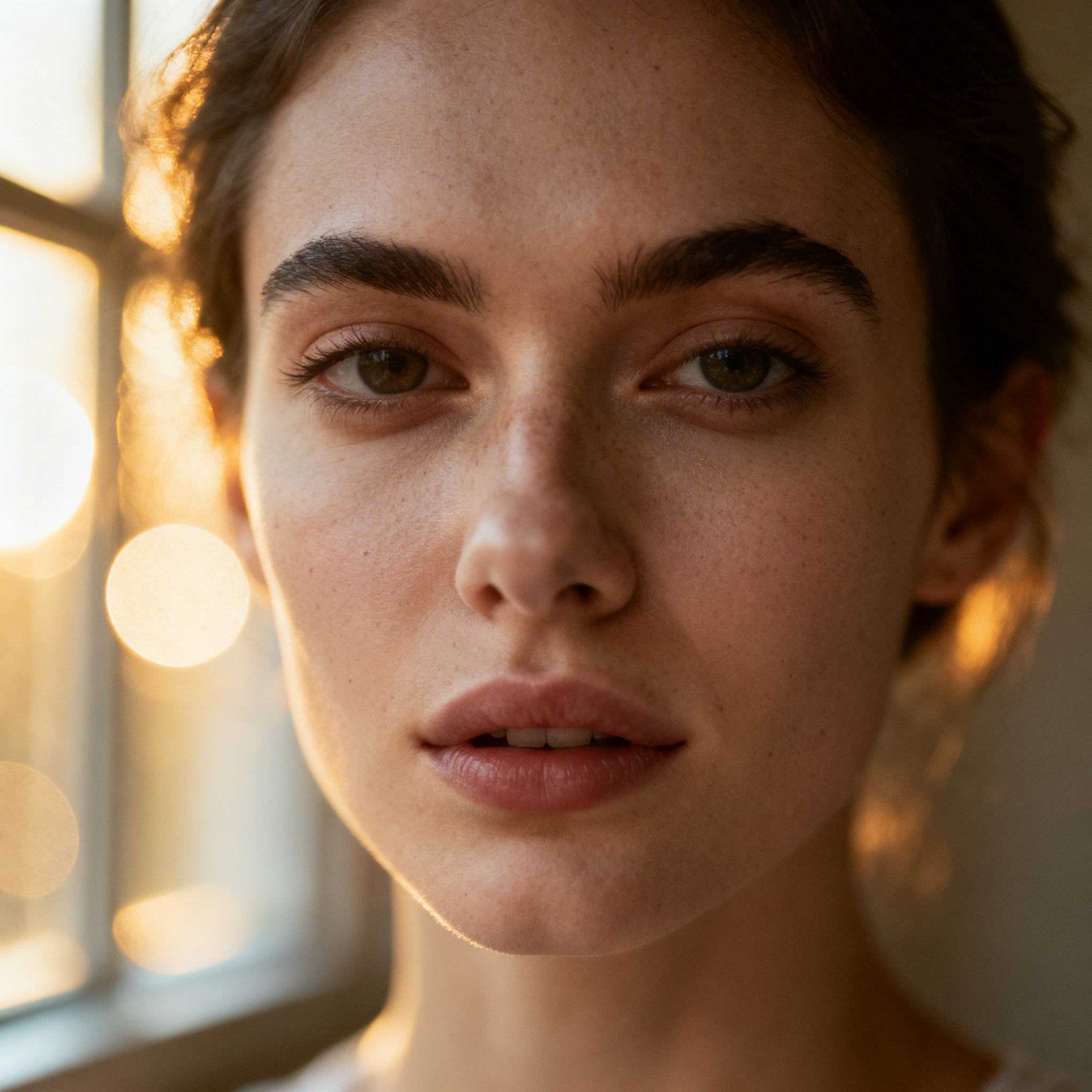
Whether you’re a professional portrait photographer or an enthusiastic hobbyist, choosing the right lens can make the difference between a good shot and a breathtaking masterpiece. Portrait photography demands specific optical characteristics that bring out the best in your subjects while creating that coveted professional look.
The portrait lens market in 2026 continues to evolve with cutting-edge technology, improved image stabilization, and faster autofocus systems. From budget-friendly options that deliver stunning results to premium glass that sets the gold standard, there’s never been a better time to invest in portrait photography equipment.
What Makes a Great Portrait Lens?
Focal Length Considerations
The focal length of your portrait lens dramatically affects the final image. Most portrait photographers gravitate toward focal lengths between 85mm and 135mm on full-frame cameras, though the ideal choice depends on your shooting style and environment.
85mm lenses offer the perfect balance of compression and working distance. They’re close enough for intimate conversation with your subject while providing sufficient space for lighting equipment. The compression effect is noticeable but not extreme, making facial features appear natural and flattering.
105mm and 135mm lenses provide more dramatic compression, isolating subjects beautifully from their backgrounds. However, they require more working space and can feel distant for subjects who are nervous or uncomfortable on camera.
Shorter focal lengths (50mm-70mm) work exceptionally well for environmental portraits where you want to include more of the surroundings while still maintaining an intimate feel.
Aperture Performance
Wide maximum apertures are crucial for portrait work, typically ranging from f/1.4 to f/2.8. These wide apertures serve multiple purposes:
- Shallow depth of field separates subjects from distracting backgrounds
- Better low-light performance enables shooting in challenging conditions
- Faster shutter speeds help freeze motion and reduce camera shake
- Creative bokeh effects add artistic flair to your compositions
The quality of the bokeh—how the lens renders out-of-focus areas—is often more important than the sheer amount of blur. Look for smooth, creamy bokeh that doesn’t distract from your subject.
Autofocus Speed and Accuracy
Modern portrait photography often demands rapid, precise autofocus. Whether you’re capturing candid moments at a wedding or directing a fast-paced fashion shoot, your lens needs to keep up. Key autofocus features include:
- Silent or near-silent operation for discrete shooting
- Eye detection compatibility with your camera’s AF system
- Fast acquisition times in various lighting conditions
- Smooth focus transitions for video work
Image Stabilization
While not essential for all portrait work, image stabilization can be incredibly valuable when shooting handheld in lower light conditions. Modern IS systems can provide 3-5 stops of stabilization, allowing you to maintain sharp images at slower shutter speeds.
Top Portrait Lens Picks for 2026
Premium Professional Options
Sony FE 85mm f/1.4 GM
The Sony 85mm GM continues to set the standard for professional portrait lenses. This exceptional piece of glass delivers outstanding image quality with remarkable sharpness even wide open at f/1.4.
| Specification | Details |
|---|---|
| Focal Length | 85mm |
| Maximum Aperture | f/1.4 |
| Minimum Aperture | f/16 |
| Weight | 820g |
| Filter Size | 77mm |
| Image Stabilization | No |
| Weather Sealing | Yes |
Strengths:
- Exceptional sharpness across the frame
- Beautiful, smooth bokeh quality
- Fast, silent autofocus
- Professional build quality
- Excellent color rendition
Considerations:
- Premium price point
- Relatively heavy for handheld work
- No built-in stabilization
The Sony 85mm GM excels in studio environments and outdoor portraits where you have adequate light. The bokeh quality is simply stunning, creating that three-dimensional pop that separates professional work from amateur shots.
Canon RF 85mm f/1.2L USM
Canon’s RF mount 85mm f/1.2L represents the pinnacle of portrait lens design. The ultra-wide f/1.2 aperture creates incredibly shallow depth of field effects that are simply impossible with slower lenses.
This lens features Canon’s advanced Control Ring, allowing photographers to adjust settings like ISO or exposure compensation directly on the lens—a workflow enhancement that many professionals have come to love.
Nikon Z 85mm f/1.2 S
Nikon’s Z-mount 85mm f/1.2 S delivers exceptional optical performance with their signature color science. The lens features advanced optical elements that virtually eliminate chromatic aberrations while maintaining excellent contrast and micro-detail resolution.
Mid-Range Excellence
Sony FE 85mm f/1.8
For photographers who want professional results without the premium price tag, Sony’s FE 85mm f/1.8 offers remarkable value. While it lacks the ultra-wide aperture of its GM sibling, it delivers 90% of the image quality at roughly half the price.
Key Benefits:
- Significantly lighter and more compact
- Fast, accurate autofocus
- Sharp even wide open
- Excellent value proposition
Canon RF 85mm f/2 Macro IS STM
This versatile lens combines portrait capabilities with macro functionality, making it perfect for photographers who want maximum versatility. The built-in image stabilization is particularly welcome for handheld portrait work.
Budget-Friendly Options
Sony FE 50mm f/1.8
While not a traditional portrait focal length, the Sony 50mm f/1.8 offers excellent value for environmental portraits and full-body shots. It’s lightweight, sharp, and incredibly affordable.
Third-Party Alternatives
Manufacturers like Sigma, Tamron, and Samyang offer compelling alternatives that often provide similar image quality to first-party lenses at reduced prices. The Sigma 85mm f/1.4 DG DN Art series, in particular, has earned praise for rivaling much more expensive options.
Choosing the Right Portrait Lens for Your Needs
Consider Your Camera System
Full-Frame vs. Crop Sensor Impact
Your camera’s sensor size significantly affects lens selection. On APS-C sensors, an 85mm lens becomes approximately 127mm (Canon) or 135mm (Sony/Nikon), which may be too long for smaller spaces.
For crop sensor cameras, consider:
- 50mm lenses (75-80mm equivalent)
- 85mm lenses (127-135mm equivalent)
- Dedicated APS-C portrait lenses
Shooting Environment
Studio Work: Longer focal lengths (85mm+) work well with controlled lighting and adequate space.
Location Portraits: Shorter focal lengths (50-85mm) offer more flexibility in tight spaces.
Event Photography: Consider lenses with image stabilization for handheld shooting in varying light conditions.
Subject Types
Individual Portraits: 85mm-135mm focal lengths provide classic compression and isolation.
Group Portraits: Shorter focal lengths (50-70mm) help capture everyone while maintaining acceptable distortion levels.
Children and Pets: Longer focal lengths allow you to maintain distance while still capturing intimate moments.
Practical Shooting Tips
Optimizing Depth of Field
While wide apertures create beautiful bokeh, don’t default to shooting everything wide open. For group portraits or when you want to ensure critical focus across facial features, stopping down to f/2.8 or f/4 often provides better results.
Focus Techniques
Eye Detection Autofocus: Most modern cameras offer sophisticated eye detection. Enable this feature and trust your camera to maintain sharp focus on the most important part of any portrait.
Single Point vs. Zone AF: For controlled situations, single-point autofocus gives you maximum precision. For more dynamic shooting, zone AF can help track moving subjects.
Composition Considerations
Working Distance: Longer focal lengths require more space but allow subjects to feel less self-conscious. Shorter lenses demand closer working distances but facilitate better communication.
Background Selection: Portrait lenses with wide apertures give you tremendous control over background selection. Even cluttered environments can become beautifully blurred backdrops.
Maintenance and Care
Protecting Your Investment
Lens Filters: UV or clear protective filters shield your front element from damage while having minimal impact on image quality.
Proper Storage: Store lenses in dry, temperature-controlled environments. Silica gel packets can help prevent moisture buildup in camera bags.
Regular Cleaning: Use proper lens cleaning techniques with microfiber cloths and appropriate cleaning solutions. Avoid over-cleaning, which can damage coatings.
Calibration and Testing
Focus Accuracy: Periodically test your lens for front or back focus issues, especially with wide aperture lenses where precise focus is critical.
Optical Performance: Regularly evaluate your lens’s sharpness, particularly at the corners and edges of the frame.
Future-Proofing Your Purchase
Emerging Technologies
Computational Photography: Modern cameras increasingly use AI and computational techniques to enhance portrait results. Ensure your lens choice complements these features.
Video Capabilities: If you plan to shoot video, prioritize lenses with smooth, silent autofocus and minimal focus breathing.
Upgrade Paths
Consider your long-term needs when investing in portrait lenses. A slightly more expensive lens that grows with your skills often provides better value than multiple upgrades over time.
Conclusion and Recommendations
Selecting the perfect portrait lens depends on your specific needs, budget, and shooting style. For most photographers, we recommend starting with an 85mm focal length, as it provides the ideal balance of compression, working distance, and versatility.
For Professional Work: The Sony 85mm GM remains our top recommendation for its exceptional image quality, fast autofocus, and professional build quality. While expensive, it’s an investment that will serve you for years.
For Enthusiasts: Sony’s 85mm f/1.8 offers remarkable value, delivering professional results at a more accessible price point.
For Beginners: Consider starting with a 50mm f/1.8 to learn portrait techniques before investing in more specialized focal lengths.
Remember that the best portrait lens is the one you’ll actually use. Consider your typical shooting conditions, subjects, and budget constraints. A slightly less perfect lens that you’re comfortable using will always produce better results than an expensive lens that stays in your bag.
Invest in quality glass that matches your camera system and shooting style, and you’ll be rewarded with portraits that truly stand out. The portrait lens market in 2026 offers exceptional options at every price point—choose wisely, and watch your portrait photography reach new heights.
Related Tags
Looking for the Best Camera Deals?
Check out our latest buying guides and comparison articles to find the perfect camera for your needs.
Browse Buying Guides