
Best Telephoto Lenses 2026: Complete Buyer's Guide
Discover the top telephoto lenses of 2026 with our comprehensive guide. Compare specs, prices, and performance to find your perfect zoom lens match.
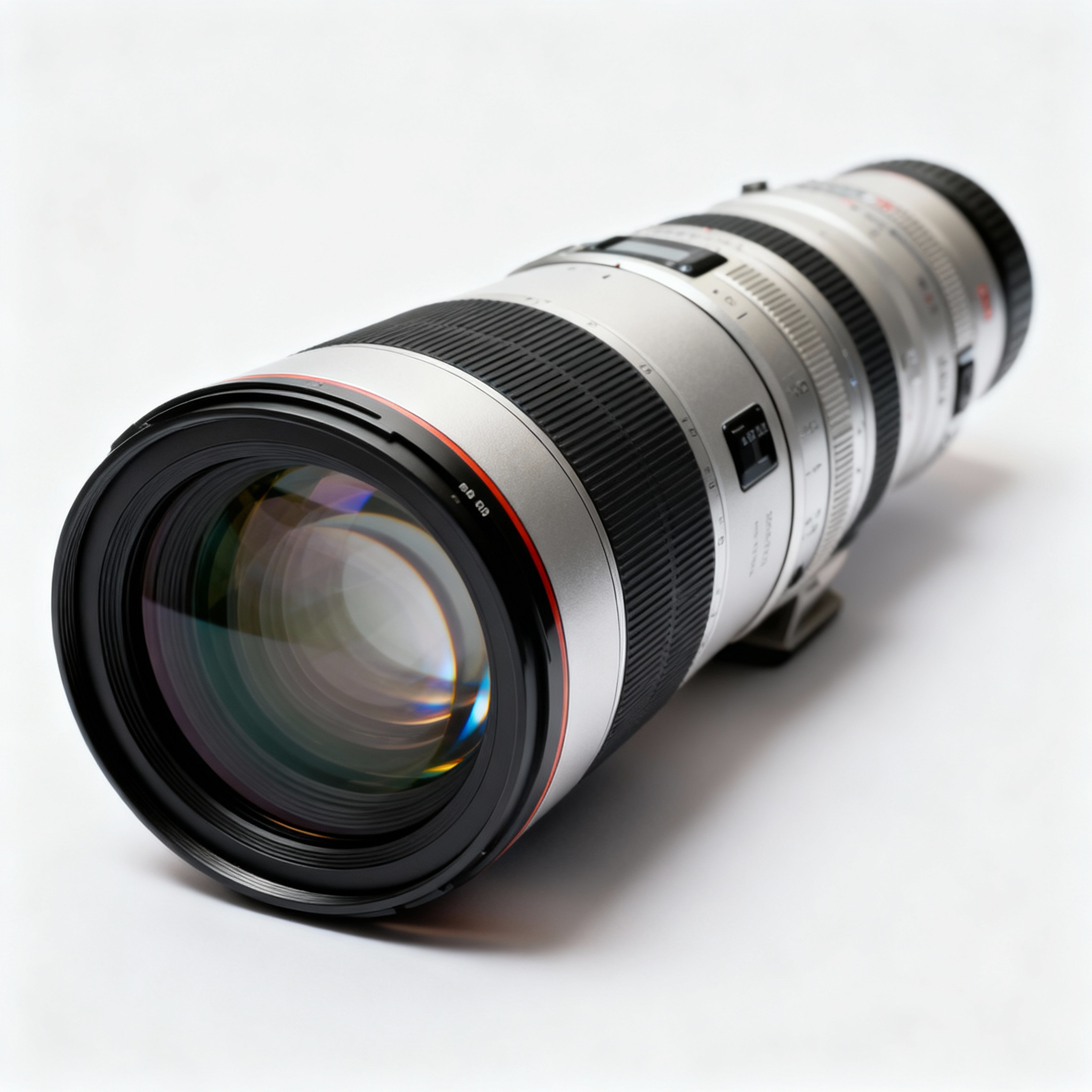
Introduction to Telephoto Lenses in 2026
The telephoto lens landscape has evolved dramatically over the past few years, with manufacturers pushing the boundaries of optical engineering, autofocus technology, and image stabilization. As we move through 2026, photographers have access to an unprecedented array of telephoto options that deliver exceptional image quality while becoming increasingly compact and versatile.
Whether you’re a portrait photographer seeking that perfect subject isolation, a wildlife enthusiast capturing distant subjects, or a sports photographer freezing action from the sidelines, choosing the right telephoto lens can make or break your images. This comprehensive guide will walk you through the best telephoto lenses available in 2026, covering everything from budget-friendly options to professional-grade glass that delivers uncompromising performance.
What Makes a Great Telephoto Lens?
Before diving into specific recommendations, it’s crucial to understand the key factors that separate exceptional telephoto lenses from merely adequate ones.
Optical Performance and Sharpness
The hallmark of any premium telephoto lens is its ability to deliver tack-sharp images across the frame, even when shooting wide open. Modern telephoto lenses incorporate advanced optical designs with low-dispersion elements, aspherical surfaces, and sophisticated coatings to minimize chromatic aberration, distortion, and flare while maximizing contrast and resolution.
Bokeh Quality
Telephoto lenses are often chosen specifically for their ability to create beautiful background blur, or bokeh. The best telephoto lenses produce smooth, creamy bokeh that gracefully transitions from the in-focus subject to the out-of-focus background, without distracting onion rings or harsh edges that can detract from the overall image quality.
Autofocus Speed and Accuracy
In 2026, photographers expect lightning-fast autofocus that can track moving subjects with precision. The latest telephoto lenses feature advanced autofocus motors, improved algorithms, and enhanced communication with camera bodies to deliver focus acquisition that’s both quick and accurate, even in challenging lighting conditions.
Build Quality and Weather Sealing
Professional telephoto lenses must withstand the rigors of intensive use in various environmental conditions. Premium lenses feature robust construction with weather sealing, durable materials, and ergonomic design elements that make them reliable tools for working photographers.
Top Telephoto Lens Categories
Portrait Telephoto Lenses (85mm-135mm)
Portrait telephoto lenses remain among the most popular choices for photographers seeking to create compelling images with beautiful subject isolation. These focal lengths provide the perfect balance of working distance and compression while delivering exceptional bokeh quality.
Sony FE 85mm f/1.4 GM
The Sony FE 85mm f/1.4 GM continues to set the standard for portrait excellence in 2026. This lens represents Sony’s commitment to optical perfection, combining cutting-edge technology with exceptional build quality.
Specifications:
| Specification | Details |
|---|---|
| Focal Length | 85mm |
| Maximum Aperture | f/1.4 |
| Minimum Aperture | f/16 |
| Lens Construction | 11 elements in 8 groups |
| Special Elements | 3 ED elements, 1 XA element |
| Filter Size | 77mm |
| Weight | 820g |
| Weather Sealing | Yes |
Sharpness Performance
The Sony 85mm GM delivers remarkable sharpness even when shooting wide open at f/1.4. Center sharpness is exceptional across all apertures, while corner performance is impressive for such a fast lens. The lens reaches peak sharpness around f/2.8 to f/4, where it becomes truly exceptional across the entire frame. Fine details are rendered with stunning clarity, making it ideal for high-resolution camera bodies.
Bokeh Quality
This lens produces some of the most beautiful bokeh available in any telephoto lens. The combination of the XA (extreme aspherical) element and carefully designed aperture blades creates smooth, circular bokeh that transitions gracefully from sharp to soft. Background highlights are rendered as perfect circles without onion rings or harsh edges, while busy backgrounds melt away into creamy smoothness.
Autofocus Performance
The dual XD (extreme dynamic) linear motors provide virtually silent autofocus that’s both fast and precise. Focus acquisition is nearly instantaneous, even in low light conditions. The lens excels at tracking moving subjects, making it surprisingly versatile beyond just portrait work. Focus breathing is well-controlled, adding to its appeal for video work.
Build Quality
Sony’s G Master construction is evident throughout this lens. The weather sealing is comprehensive, with gaskets at all critical points. The focus ring operates smoothly with appropriate damping, while the overall feel is that of a precision instrument. The lens hood locks securely and provides excellent protection from stray light.
Real-World Performance
In practical use, the Sony 85mm GM excels in a variety of scenarios. Portrait sessions benefit from the lens’s ability to isolate subjects beautifully while maintaining excellent sharpness on facial features. Wedding photographers appreciate the reliable autofocus and weather sealing, while the fast maximum aperture enables shooting in challenging lighting conditions without compromising image quality.
Mid-Range Telephoto Lenses (200mm-400mm)
This focal length range represents the sweet spot for many wildlife and sports photographers, offering significant reach while maintaining manageable size and weight.
Recent Innovations in 200-400mm Range
The 2026 telephoto market has seen remarkable innovations in this focal length range. Manufacturers have successfully reduced weight while improving optical performance through the use of fluorite elements, advanced coatings, and more efficient optical designs. Many lenses in this category now feature built-in teleconverter switches, allowing photographers to extend their reach instantly without carrying additional accessories.
Modern 200-400mm lenses also incorporate sophisticated image stabilization systems that can compensate for up to 6 stops of camera shake, enabling handheld shooting in situations that previously required tripods. The integration of AI-powered subject detection has revolutionized autofocus performance, with lenses capable of recognizing and tracking specific subject types with unprecedented accuracy.
Super Telephoto Lenses (400mm+)
Super telephoto lenses represent the pinnacle of optical engineering, designed for photographers who demand the ultimate in reach and image quality.
Technological Advances in Super Telephotos
The super telephoto category has benefited enormously from advances in materials science and optical design. Modern super telephotos utilize exotic materials like fluorite and specialized low-dispersion glass to minimize weight while maximizing optical performance. Heat dispersion technology prevents optical degradation during extended shooting sessions, while advanced coatings virtually eliminate flare and ghosting.
Image stabilization in this category has reached new heights, with some lenses offering specialized modes for different shooting scenarios, including panning modes for sports and specialized wildlife tracking modes that account for unpredictable animal movement patterns.
Key Features to Consider When Buying
Image Stabilization Systems
Modern telephoto lenses feature increasingly sophisticated image stabilization systems that go far beyond simple shake compensation. The latest systems can distinguish between intentional camera movement (like panning) and unwanted shake, automatically adjusting their compensation accordingly. Some lenses now offer multiple IS modes optimized for different shooting scenarios, from static subjects to fast-moving wildlife.
Compatibility and Mount Considerations
With the ongoing transition from DSLR to mirrorless systems, lens compatibility has become more complex. Many manufacturers now offer native mirrorless versions of their popular telephoto lenses, optimized for shorter flange distances and improved communication with mirrorless camera bodies. When choosing a telephoto lens, consider not just current compatibility but also future camera upgrade paths.
Weight and Portability Factors
The trend toward lighter telephoto lenses continues in 2026, with significant improvements in the power-to-weight ratio. However, it’s important to balance weight savings with optical performance and build quality. Some of the lightest lenses achieve their reduced weight through compromises in maximum aperture or build materials that may not suit all users.
Budget Considerations and Value Propositions
Professional vs Consumer Options
The gap between professional and consumer telephoto lenses has narrowed considerably, with many consumer-oriented lenses now offering optical performance that rivals professional options from just a few years ago. The primary differences often lie in build quality, weather sealing, and autofocus speed rather than pure optical performance.
Third-Party Alternatives
Third-party lens manufacturers have made significant strides in telephoto lens design, offering compelling alternatives to first-party options. These lenses often provide excellent value propositions, delivering near-professional performance at significantly lower price points. However, compatibility and long-term support should be considered when choosing third-party options.
Practical Shooting Tips for Telephoto Success
Handheld Techniques
Successful handheld telephoto photography requires proper technique beyond just relying on image stabilization. Proper stance, breathing control, and follow-through can significantly improve your success rate with longer focal lengths. The latest image stabilization systems work best when combined with good shooting technique rather than being relied upon exclusively.
Tripod and Support Recommendations
Despite improvements in image stabilization, there are still situations where solid support is essential for optimal telephoto performance. Modern carbon fiber tripods offer excellent stability while remaining relatively lightweight. Gimbal heads have become increasingly popular for wildlife and sports photography, providing smooth tracking while supporting heavy telephoto lenses.
Environmental Considerations
Telephoto lenses are particularly susceptible to environmental factors like heat haze, humidity, and atmospheric conditions. Understanding how these factors affect image quality and learning to work with or around them is crucial for consistent results. Early morning and late afternoon shooting often provides the best atmospheric conditions for long-distance telephoto work.
Future Trends and Emerging Technologies
The telephoto lens market continues to evolve rapidly, with several emerging trends shaping the landscape for 2026 and beyond.
Computational Photography Integration
The integration of computational photography techniques with traditional optical design is opening new possibilities for telephoto lenses. Advanced cameras can now combine multiple exposures to extend dynamic range, reduce noise, and even simulate larger apertures for enhanced bokeh effects.
AI-Powered Autofocus Systems
Artificial intelligence is revolutionizing autofocus performance, with systems capable of recognizing specific subject types and predicting movement patterns. This technology is particularly beneficial for telephoto lenses, where precise focus is critical and subjects may be small in the frame.
Sustainable Manufacturing Practices
Environmental consciousness is driving changes in lens manufacturing, with companies increasingly focusing on sustainable materials and production processes. This trend is likely to continue, potentially affecting both pricing and design choices in future telephoto lenses.
Conclusion and Recommendations
The telephoto lens market in 2026 offers exceptional options for photographers at every level and budget. The Sony FE 85mm f/1.4 GM remains our top recommendation for portrait photographers seeking uncompromising optical quality and professional build standards. Its combination of sharpness, bokeh quality, and reliable autofocus makes it an outstanding investment for serious photographers.
For those venturing into longer focal lengths, the current generation of 200-400mm lenses offers the best balance of performance, portability, and versatility. These lenses provide enough reach for most wildlife and sports applications while remaining manageable for handheld shooting.
Super telephoto lenses continue to push the boundaries of what’s possible, but they require careful consideration of specific needs, budget, and practical limitations. The latest models offer incredible optical performance, but their size, weight, and cost make them specialized tools for dedicated professionals and serious enthusiasts.
When choosing a telephoto lens, prioritize optical quality and autofocus performance over features you’re unlikely to use. A lens that delivers sharp, well-focused images consistently is more valuable than one with numerous features but compromised core performance. Consider your specific shooting style, subjects, and working conditions to make the best choice for your photographic goals.
The telephoto lens technology available in 2026 enables photographers to capture images that would have been impossible just a few years ago. Whether you’re drawn to intimate portraits, dramatic wildlife shots, or dynamic sports photography, there’s never been a better time to explore the creative possibilities that telephoto lenses offer.
Related Tags
Looking for the Best Camera Deals?
Check out our latest buying guides and comparison articles to find the perfect camera for your needs.
Browse Buying Guides