
Best Travel Cameras 2026: Top Compact & Powerful Picks
Discover the best travel cameras of 2026! Our expert buying guide reviews compact, powerful cameras perfect for capturing your adventures on the go.
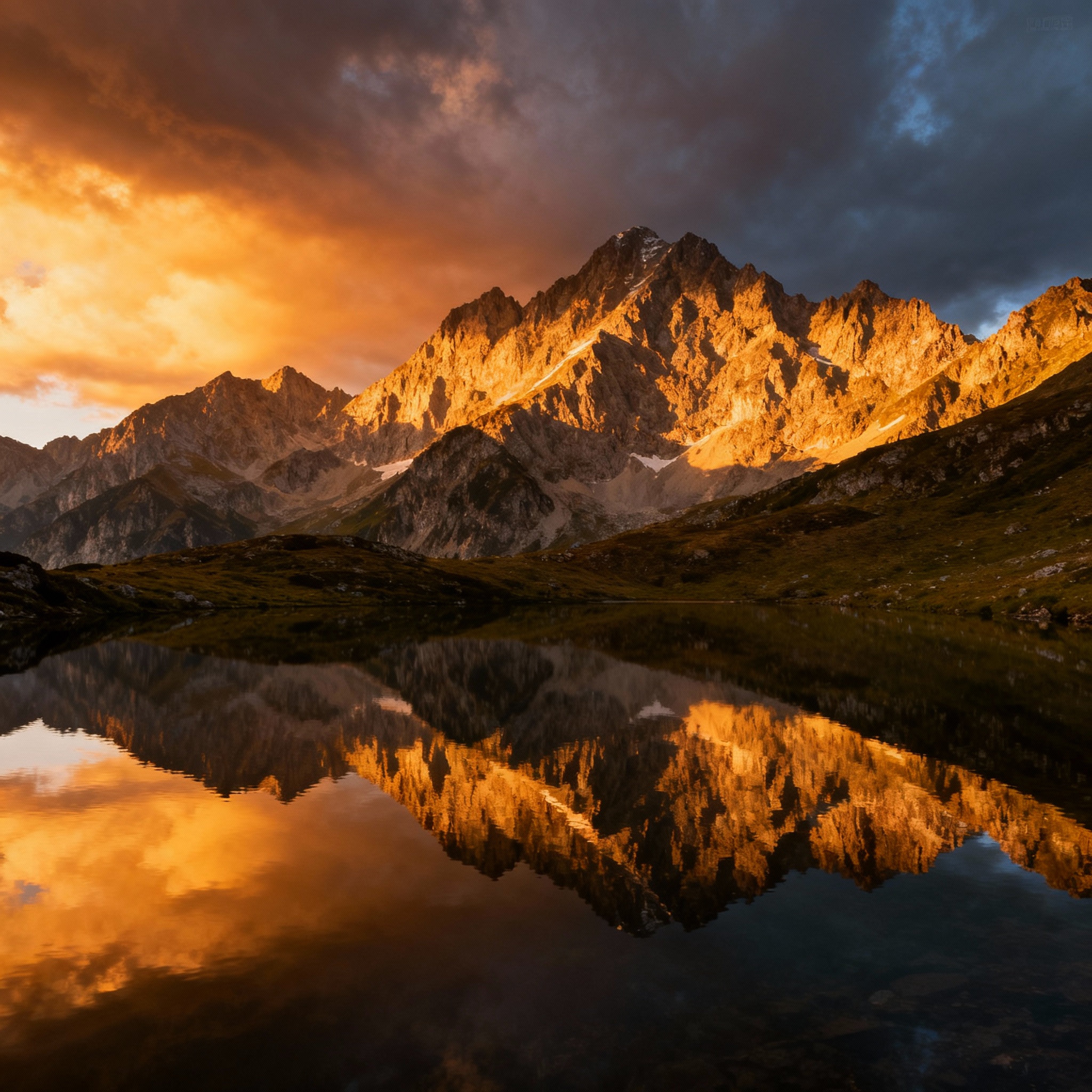
Why Choosing the Right Travel Camera Matters in 2026
Travel photography has evolved dramatically, and 2026 brings us an impressive lineup of cameras that pack professional-grade features into increasingly portable packages. Whether you’re documenting ancient ruins in Peru or capturing street scenes in Tokyo, the right camera can make the difference between forgettable snapshots and memories that transport you back to those magical moments.
Modern travel cameras need to excel across multiple dimensions: image quality, portability, battery life, weather resistance, and connectivity. The good news? Camera manufacturers have listened to travelers’ feedback, delivering devices that don’t force you to choose between quality and convenience.
What Makes a Great Travel Camera in 2026
Size and Weight Considerations
When you’re hauling gear through airports and hiking mountain trails, every ounce matters. The best travel cameras balance compact dimensions with robust build quality. Look for cameras that weigh under 1.5 pounds with a standard lens attached – anything heavier becomes noticeable during long shooting days.
Consider the overall system weight too. A mirrorless camera might be compact, but if the lenses are massive, you’re not gaining much practical advantage. The most travel-friendly systems offer excellent performance in lightweight packages throughout their lens lineup.
Battery Life and Power Management
Nothing kills travel photography momentum like a dead battery. Modern travel cameras should deliver at least 400-500 shots per charge under normal conditions. Look for cameras with USB-C charging capabilities, allowing you to top up using portable power banks during long travel days.
Some cameras now feature power-saving modes that extend battery life significantly when you’re not actively shooting. This feature proves invaluable during multi-day adventures where charging opportunities are limited.
Weather Sealing and Durability
Travel exposes your gear to challenging conditions. Whether it’s unexpected rain in Scotland or dusty conditions in Morocco, weather-sealed cameras provide peace of mind. Look for cameras with robust sealing around buttons, dials, and the lens mount.
Don’t overlook build quality indicators like magnesium alloy construction and reinforced mounting points. These details matter when your camera is bouncing around in a travel bag or experiencing temperature fluctuations.
Image Stabilization Technology
Camera shake becomes more problematic when you’re shooting handheld in low light or using longer focal lengths. Modern image stabilization systems, whether in-body (IBIS) or lens-based, can provide 5-8 stops of shake reduction, enabling sharp photos in challenging conditions.
In-body stabilization offers the advantage of working with any lens, including vintage or third-party options. This flexibility proves valuable for travel photographers who want to experiment with different focal lengths without investing in a complete stabilized lens system.
Top Travel Camera Picks for 2026
Best Overall: Sony A7 IV
The Sony A7 IV continues to set the standard for travel photography excellence. This full-frame mirrorless camera strikes an exceptional balance between image quality, features, and portability that makes it our top overall pick.
Key Specifications:
- Sensor: 33MP Full-Frame BSI CMOS
- Weight: 1.4 lbs (body only)
- Battery Life: 520 shots (CIPA rated)
- Video: 4K 60p, Full HD 120p
- Weather Sealing: Yes
- Price Range: $2,500-$2,800
The A7 IV excels in real-world travel scenarios. Its 33-megapixel sensor captures stunning detail while maintaining excellent low-light performance up to ISO 6400. The improved autofocus system locks onto subjects quickly, even in challenging lighting conditions – perfect for those golden hour shots or dimly lit cathedrals.
What sets this camera apart for travel use is its versatility. The flip-out LCD screen makes low-angle and high-angle shots effortless, while the electronic viewfinder remains clear even in bright sunlight. Battery life improvements over previous generations mean you can shoot all day without constantly worrying about power.
Best Budget Option: Canon EOS R10
For photographers seeking professional features without the premium price, the Canon EOS R10 delivers impressive value. This APS-C mirrorless camera packs advanced features into an ultra-compact body that won’t strain your travel budget or your back.
Key Features:
- Sensor: 24.2MP APS-C CMOS
- Weight: 1.1 lbs
- Autofocus Points: 4,779 (Dual Pixel CMOS AF II)
- Burst Rate: 15 fps mechanical, 23 fps electronic
- Video: 4K 60p (cropped), 4K 30p (uncropped)
The R10’s compact form factor makes it ideal for street photography and situations where discretion matters. Despite its smaller sensor, image quality remains excellent, particularly when paired with Canon’s growing RF-S lens lineup designed specifically for APS-C bodies.
Best for Video: Panasonic Lumix GH7
Content creators who prioritize video capability alongside still photography will find the Lumix GH7 hard to beat. This Micro Four Thirds camera offers professional video features in a travel-friendly package.
Video Specifications:
- Resolution: 5.7K 60p, 4K 120p
- Codec Support: ProRes, H.264, H.265
- Recording Limits: None (with adequate cooling)
- Audio: XLR adapter compatibility
- Stabilization: 7.5-stop in-body system
The GH7’s video-centric design includes features like unlimited recording time and advanced codec support that appeal to travel videographers creating content for social media or professional projects.
Most Compact: Fujifilm X100VI
Sometimes the best camera is the one you’ll actually carry. The X100VI proves that fixed-lens cameras still have a place in the travel photographer’s kit, offering exceptional image quality in an incredibly compact package.
Unique Advantages:
- Lens: Built-in 23mm f/2 (35mm equivalent)
- Sensor: 40.2MP X-Trans CMOS 5 HR
- Hybrid Viewfinder: Optical and electronic modes
- Film Simulations: 20 built-in options
- Weather Sealing: Improved over previous generations
The fixed 35mm equivalent focal length might seem limiting, but it encourages creative composition and eliminates lens-changing decisions. The camera’s film simulation modes produce beautiful JPEGs straight from the camera, reducing post-processing time when you’d rather be exploring.
Lens Considerations for Travel Photography
Versatile Zoom Lenses
A quality zoom lens can replace multiple prime lenses, significantly reducing your travel kit’s size and weight. Look for lenses covering the 24-70mm range (full-frame equivalent) as your primary travel lens. This focal length range handles everything from landscapes to portraits effectively.
Modern zoom lenses offer image quality that rivals prime lenses while providing unmatched flexibility. When you’re in a crowded market in Marrakech or trying to capture a sunset over Santorini, the ability to quickly adjust your focal length without changing lenses proves invaluable.
Prime Lens Benefits
While zoom lenses offer convenience, prime lenses provide advantages that make them worth considering for travel photography. They’re typically smaller, lighter, and offer wider maximum apertures for better low-light performance and background blur.
A 35mm f/1.8 prime lens, for example, weighs significantly less than a 24-70mm f/2.8 zoom while offering superior performance in challenging lighting conditions. For travel photographers who prioritize image quality and don’t mind the focal length limitation, primes remain compelling options.
All-in-One Solutions
Super-zoom lenses covering ranges like 28-200mm offer ultimate convenience for travelers who want to pack light. While they may not match the optical quality of more specialized lenses, the convenience factor often outweighs the compromises for casual travel photography.
These lenses work particularly well for safari trips, city exploration, and situations where changing lenses frequently would be impractical or risky.
Essential Accessories for Travel Photography
Memory Cards and Storage
Don’t underestimate storage needs when traveling. High-resolution cameras and 4K video recording consume storage quickly. Invest in fast, reliable memory cards – look for UHS-II or CFexpress cards for optimal performance.
Consider a portable photo storage device for longer trips. These devices allow you to backup photos without a laptop, providing peace of mind and freeing up memory card space for continued shooting.
Tripods and Support Systems
A lightweight travel tripod opens up creative possibilities like long exposures, self-portraits, and sharp landscape photos during golden hour. Carbon fiber tripods offer the best strength-to-weight ratio, though they command premium prices.
For ultra-light travel, consider alternatives like tabletop tripods, clamp-on supports, or even smartphone-compatible tripods that can work with smaller cameras.
Protective Gear
Invest in quality protection for your camera gear. A well-designed camera bag distributes weight evenly and provides quick access to your equipment. Look for bags with customizable dividers and weather protection.
Screen protectors and lens filters provide additional protection against scratches and impact. UV filters offer minimal optical impact while protecting your expensive lens elements from damage.
Real-World Travel Photography Tips
Airport and Transportation Considerations
Always pack cameras and lenses in carry-on luggage. Checked baggage handling can damage delicate equipment, and lost luggage means missed photo opportunities. Organize your camera bag for easy TSA screening – separate large electronics and be prepared to remove them for inspection.
Consider weight restrictions for international travel. Some airlines have strict carry-on weight limits that can affect your gear choices. Research airline policies before departing to avoid unexpected fees or forced check-ins.
Cultural Sensitivity and Photography Ethics
Research photography customs and restrictions for your destinations. Some cultures have specific rules about photographing people, religious sites, or government buildings. Always ask permission before photographing individuals, and respect “no photography” signs.
Learn basic phrases in the local language for requesting photo permission. This small effort often leads to more authentic interactions and better photos.
Backup and Data Management Strategies
Develop a systematic approach to backing up photos while traveling. Consider the 3-2-1 rule: three copies of important files, stored on two different media types, with one copy stored off-site (cloud storage).
Organize photos regularly rather than waiting until you return home. Simple folder structures by date or location make finding specific images much easier later.
Power Management on Long Trips
Plan your power strategy before departing. Bring extra batteries, portable chargers, and appropriate power adapters for your destinations. Some remote locations may have limited or unreliable power, making battery management crucial.
Solar chargers can be valuable for extended outdoor adventures, though they require sunny conditions and patience to be effective.
Budget Considerations and Value Recommendations
Entry-Level Options Under $1,000
Beginning travel photographers don’t need to spend thousands to get excellent results. Entry-level mirrorless cameras from major manufacturers offer impressive image quality and features that would have been professional-grade just a few years ago.
Consider older flagship models when shopping on a budget. A two-year-old professional camera often outperforms the latest entry-level models while costing significantly less.
Mid-Range Sweet Spot ($1,000-$2,500)
This price range offers the best balance of features, performance, and value for most travel photographers. Cameras in this category typically include weather sealing, advanced autofocus systems, and excellent image quality without the premium pricing of flagship models.
Professional Options ($2,500+)
High-end travel cameras justify their cost through superior build quality, advanced features, and exceptional image quality. Professional photographers who earn income from their travel images will appreciate the additional capabilities and reliability these cameras provide.
Future-Proofing Your Camera Investment
Technology Trends to Consider
Artificial intelligence integration continues expanding in modern cameras. Features like subject recognition, automatic scene optimization, and computational photography are becoming standard rather than premium features.
Consider cameras with robust firmware update support. Manufacturers increasingly add new features through software updates, extending your camera’s useful life and capabilities.
Ecosystem and Long-Term Support
Choose camera systems with strong lens ecosystems and manufacturer support. Investing in a camera system means committing to that manufacturer’s future development and support policies.
Research the manufacturer’s history of supporting older camera models with firmware updates and service availability in your region.
Conclusion and Final Recommendations
The best travel camera for 2026 depends on your specific needs, budget, and shooting style. However, our testing and real-world experience point to clear winners in each category.
For most travelers, the Sony A7 IV represents the optimal balance of image quality, features, and portability. Its full-frame sensor, excellent battery life, and comprehensive feature set make it suitable for any travel scenario, from street photography in bustling cities to landscape work in remote locations.
Budget-conscious photographers should consider the Canon EOS R10, which offers surprising capability and image quality at a fraction of flagship camera prices. Its compact size and growing lens ecosystem make it an excellent entry point into serious travel photography.
For videographers and content creators, the Panasonic Lumix GH7 provides unmatched video features in a travel-friendly package, while the Fujifilm X100VI appeals to photographers seeking maximum portability and distinctive image rendering.
Remember that the best camera is ultimately the one you’ll use consistently. Consider your shooting style, technical requirements, and budget constraints when making your decision. Any of these cameras will serve you well on your photographic adventures, helping you create lasting memories of your travels.
Invest in quality accessories, develop good shooting habits, and most importantly, don’t let gear decisions prevent you from capturing the incredible moments that make travel so rewarding. The perfect shot is often more about being in the right place at the right time than having the most expensive equipment.
Related Tags
Looking for the Best Camera Deals?
Check out our latest buying guides and comparison articles to find the perfect camera for your needs.
Browse Buying Guides