Best Vlogging Cameras 2026: Top YouTube Creator Picks
Discover the best vlogging cameras for 2026! Our comprehensive YouTube creator guide reviews top models with flip screens, 4K video, and pro features.
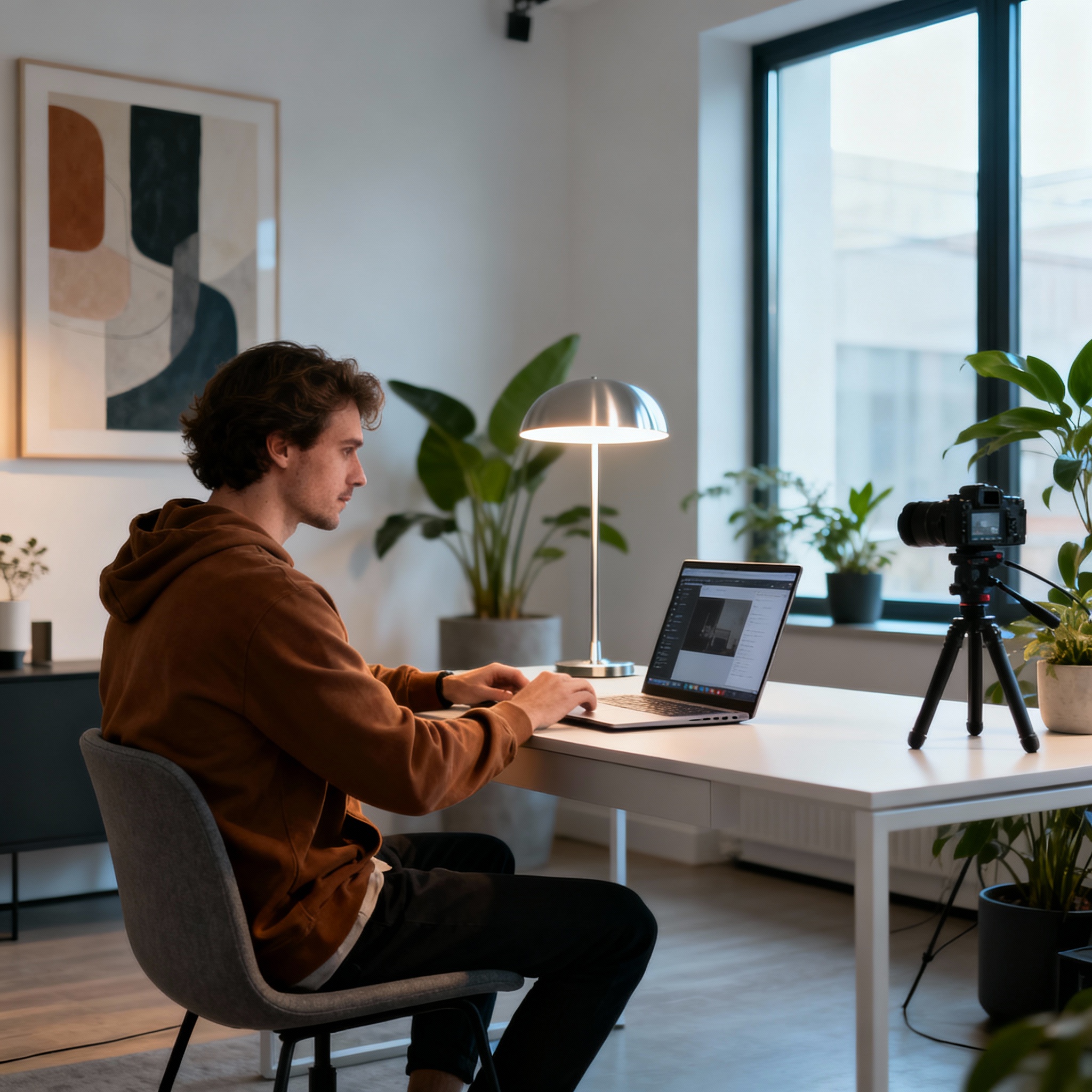
Creating engaging video content has never been more important, and choosing the right camera can make or break your vlogging journey. Whether you’re just starting your YouTube channel or looking to upgrade your existing setup, selecting the perfect vlogging camera in 2026 requires understanding the latest technology, features, and your specific content creation needs.
The vlogging landscape has evolved dramatically, with creators demanding cameras that deliver professional-quality footage while remaining portable and user-friendly. Modern vlogging cameras now offer features that were once exclusive to high-end professional equipment, including advanced autofocus systems, exceptional low-light performance, and built-in stabilization that keeps your content smooth and engaging.
What Makes a Great Vlogging Camera in 2026
Essential Features for Content Creators
The foundation of any excellent vlogging camera lies in its ability to capture high-quality video while being practical for everyday use. 4K video recording has become the standard, with many creators now looking toward 6K and 8K options for future-proofing their content. However, resolution alone doesn’t determine video quality – factors like dynamic range, color science, and codec efficiency play equally important roles.
Flip-out screens remain non-negotiable for vloggers who need to frame themselves while recording. The best vlogging cameras now feature high-resolution, touch-sensitive screens that perform well in various lighting conditions, including bright outdoor environments where screen visibility becomes challenging.
Autofocus performance has reached new heights in 2026, with AI-powered subject detection and tracking systems that can distinguish between faces, eyes, and even specific objects. These systems work seamlessly even when you’re moving around, ensuring your content stays sharp and professional-looking throughout your recording sessions.
Audio Capabilities and Connectivity
Built-in microphones have improved significantly, but serious vloggers still require external audio solutions. The best vlogging cameras feature multiple audio input options, including 3.5mm jacks and hot shoe mounts for wireless receiver systems. Some newer models include USB-C audio input capabilities, expanding your microphone options considerably.
Battery life considerations have become more critical as cameras pack more processing power and features. Look for cameras that offer at least 90 minutes of continuous 4K recording, with the ability to charge via USB-C while recording for unlimited recording sessions during long-form content creation.
Top Vlogging Camera Picks for 2026
Premium Choice: Sony A7 IV
The Sony A7 IV continues to dominate the premium vlogging segment, offering an exceptional balance of image quality, features, and usability that content creators demand. This full-frame mirrorless camera delivers outstanding performance across virtually every aspect that matters to vloggers.
Video capabilities include 4K recording at 60fps with full pixel readout, ensuring your content looks incredibly sharp and detailed. The camera’s impressive dynamic range captures both highlight and shadow details effectively, even in challenging lighting situations that vloggers frequently encounter.
The autofocus system utilizes advanced AI processing to track subjects with remarkable accuracy, featuring real-time eye detection for both humans and animals. This proves invaluable for vloggers who frequently change positions during recording or include pets in their content.
| Specification | Sony A7 IV |
|---|---|
| Video Resolution | 4K 60fps, 1080p 120fps |
| Sensor Size | Full Frame (35.7 x 23.8mm) |
| Image Stabilization | 5-axis in-body |
| Screen | 3.0” vari-angle touchscreen |
| Battery Life | ~520 shots / 90 min video |
| Weight | 658g (body only) |
| Price Range | $2,200 - $2,500 |
Mid-Range Excellence: Canon EOS R6 Mark II
Canon’s EOS R6 Mark II represents excellent value for vloggers seeking professional features without the premium price tag. The camera excels in low-light situations, making it perfect for creators who film in various environments throughout the day.
The Dual Pixel CMOS AF II system provides smooth, reliable focusing that works exceptionally well for video applications. The system’s ability to seamlessly transition between subjects makes it ideal for vloggers who incorporate multiple people or objects in their content.
Image stabilization combines in-body and lens-based systems when using compatible RF lenses, delivering up to 8 stops of correction. This level of stabilization allows for handheld filming in situations where traditional setups would require gimbals or tripods.
Budget-Friendly Option: Sony ZV-1F
The Sony ZV-1F targets vloggers who prioritize ease of use and portability over maximum technical specifications. This compact camera includes features specifically designed for content creators, including a dedicated recording button and built-in neutral density filters.
Ultra-wide angle lens captures more of your environment without requiring you to hold the camera at arm’s length, reducing fatigue during longer recording sessions. The fixed lens design keeps the camera compact while still delivering sharp, detailed footage.
Product showcase mode automatically shifts focus from your face to objects you hold up to the camera, perfect for unboxing videos, tutorials, and product reviews. This feature eliminates the need for manual focus adjustments during recording.
Budget Considerations and Value Analysis
Understanding Price-to-Performance Ratios
Vlogging cameras span a massive price range, from under $500 to over $4,000, and understanding where to invest your money makes a significant difference in your content quality and workflow efficiency. Entry-level cameras ($300-$800) typically offer good video quality and basic features but may lack advanced autofocus, extended battery life, or professional codec options.
Mid-range options ($800-$2,000) represent the sweet spot for many serious vloggers, offering professional-grade video quality, reliable autofocus systems, and robust build quality without breaking the bank. These cameras typically include features like in-body stabilization, weather sealing, and extensive customization options.
Premium cameras ($2,000+) provide the ultimate in image quality, build construction, and feature sets. However, the improvements over mid-range options may not justify the additional cost for many vloggers, especially those just starting their content creation journey.
Long-term Investment Considerations
When evaluating vlogging cameras, consider the total cost of ownership beyond the initial camera purchase. Factor in lens costs, memory cards, batteries, and accessories when determining your budget. Some camera systems require expensive proprietary accessories, while others work with more affordable third-party options.
Future-proofing your purchase involves considering how long the camera will remain relevant as technology advances and platform requirements evolve. Cameras with strong codec support, extensive video format options, and active firmware update programs tend to maintain their value and usefulness longer.
Lens Selection for Vlogging
Prime vs. Zoom Lenses
Prime lenses offer superior image quality, wider apertures for better low-light performance, and more attractive background blur. However, their fixed focal length can be limiting for vloggers who need flexibility in framing without physically moving the camera position.
Zoom lenses provide incredible versatility, allowing you to adjust framing quickly and capture both wide establishing shots and tighter detail shots without changing lenses. Modern zoom lenses offer image quality that rivals many prime lenses while providing the flexibility that vloggers value.
Focal Length Considerations
Wide-angle lenses (14-24mm) capture more of your environment and work well for travel vlogs, room tours, and situations where you want to show context around your subject. However, they can introduce distortion, particularly at the frame edges.
Standard focal lengths (24-70mm) provide natural-looking perspective that closely matches human vision, making them ideal for talking-head segments, interviews, and general vlogging applications. These lenses offer good versatility without the extreme characteristics of ultra-wide or telephoto options.
Accessories That Enhance Your Vlogging Setup
Audio Solutions
External microphones dramatically improve your content’s production value, with shotgun microphones providing directional pickup that reduces background noise while capturing clear speech. Lavalier microphones offer hands-free operation and consistent audio levels regardless of your distance from the camera.
Audio recorders provide backup recording and superior audio quality compared to in-camera recording, though they require syncing in post-production. Many modern cameras support timecode synchronization, making this process much simpler than traditional clap-sync methods.
Stabilization and Support
Gimbals provide smooth, professional-looking camera movement that enhances production value significantly. However, they add weight and complexity to your setup, potentially limiting spontaneous filming opportunities.
Tripods and monopods offer stable platforms for static shots and planned content, while remaining lightweight and portable for location shooting. Consider tripods with quick-release systems and adjustable leg angles for maximum versatility.
Power and Storage Solutions
Extra batteries are essential for longer shooting sessions, with USB-C charging capabilities allowing you to charge batteries using portable power banks during extended filming days. Some cameras support external power supplies for unlimited recording time.
High-speed memory cards ensure reliable recording, particularly when shooting 4K video or high frame rate content. Look for cards rated for sustained write speeds rather than peak burst speeds, as video recording requires consistent performance over extended periods.
Post-Production Considerations
File Formats and Workflow
Modern vlogging cameras offer various recording formats, from highly compressed options that are easy to edit on basic computers to professional codecs that require powerful editing systems but provide superior flexibility in post-production.
H.264 formats remain popular for their broad compatibility and reasonable file sizes, making them suitable for vloggers using entry-level editing software and computers. H.265/HEVC offers better compression efficiency, resulting in smaller file sizes without quality loss, though it requires more processing power for editing.
Color Grading and Profiles
Log recording profiles capture maximum dynamic range and color information, providing extensive flexibility in post-production color grading. However, they require additional processing and color correction knowledge to achieve optimal results.
Standard color profiles deliver pleasing images straight from the camera with minimal post-production work required, making them ideal for vloggers who prefer to focus on content creation rather than technical post-processing.
Making Your Final Decision
Selecting the perfect vlogging camera ultimately depends on balancing your specific needs, budget constraints, and long-term content creation goals. The Sony A7 IV represents the gold standard for serious vloggers who demand professional results and have the budget to support premium equipment. Its exceptional image quality, advanced autofocus system, and comprehensive feature set justify the investment for creators building professional channels.
For vloggers seeking excellent value without compromising essential features, mid-range options like the Canon EOS R6 Mark II provide professional capabilities at more accessible price points. These cameras deliver the quality and reliability needed for serious content creation while leaving budget for lenses, accessories, and other essential gear.
Budget-conscious creators or those just starting their vlogging journey will find that entry-level options like the Sony ZV-1F offer purpose-built features for content creation without overwhelming complexity or cost. These cameras prove that you don’t need to spend thousands of dollars to create engaging, high-quality vlogs that attract and retain audiences.
Remember that the best camera is ultimately the one you’ll actually use consistently. Consider factors like size, weight, and ease of use alongside technical specifications, as these practical elements significantly impact your long-term success as a content creator. Invest in a camera that matches your current skill level while providing room to grow as your channel and abilities develop.
Related Tags
Looking for the Best Camera Deals?
Check out our latest buying guides and comparison articles to find the perfect camera for your needs.
Browse Buying Guides