
Best Wedding Photography Cameras 2026: Top Picks & Guide
Discover the top wedding photography cameras for 2026. Expert reviews, comparisons, and buying tips to capture perfect moments on the big day.
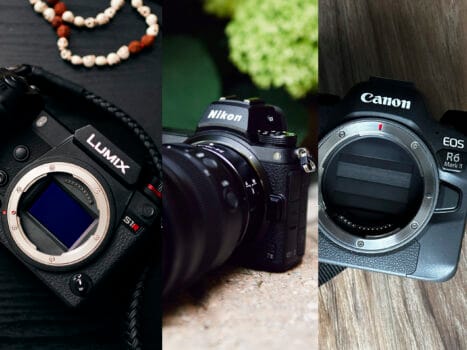
When it comes to capturing one of life’s most precious moments, wedding photographers need equipment they can absolutely rely on. In 2026, the camera market has evolved to offer incredible options that combine cutting-edge technology with the reliability wedding professionals demand. Whether you’re a seasoned wedding photographer looking to upgrade or a newcomer to the industry, choosing the right camera can make the difference between good photos and truly unforgettable memories.
Wedding photography presents unique challenges that set it apart from other photography genres. You’re working in constantly changing lighting conditions, from bright outdoor ceremonies to dimly lit reception halls. You need cameras that excel in low light, offer fast autofocus, and provide the durability to handle long shooting days without missing a beat.
What Makes a Great Wedding Photography Camera?
Superior Low-Light Performance
Wedding venues rarely offer ideal lighting conditions. Churches with stained glass windows, outdoor ceremonies during golden hour, and reception halls with ambient lighting all demand cameras with exceptional high-ISO performance. Look for cameras that can shoot cleanly at ISO 3200 and beyond, with minimal noise degradation.
Modern full-frame sensors have made remarkable strides in this area, with many 2026 models offering usable images at ISO 12,800 and higher. This capability allows you to capture natural-looking photos without relying heavily on flash, preserving the authentic atmosphere of each moment.
Lightning-Fast Autofocus Systems
Missing the ring exchange or first kiss because your camera couldn’t lock focus is every wedding photographer’s nightmare. Today’s top cameras feature sophisticated autofocus systems with hundreds of focus points, eye detection, and tracking capabilities that can follow subjects across the frame.
Dual-pixel and hybrid autofocus systems have become standard in professional wedding cameras, offering near-instantaneous focus acquisition even in challenging conditions. Look for cameras that maintain their autofocus performance in low light, as this is where many systems struggle.
Weather Sealing and Durability
Outdoor weddings don’t get postponed for light rain, and neither should your photography. Professional wedding cameras need robust weather sealing to protect against moisture, dust, and temperature variations. Magnesium alloy bodies provide the perfect balance of lightweight construction and professional durability.
Consider the physical demands of wedding photography: you’ll be shooting for 8-12 hours, often while moving quickly between locations. Your camera needs to feel comfortable in your hands even during these marathon sessions.
Top Camera Picks for Wedding Photography 2026
Best Overall: Canon EOS R5 Mark II
The Canon EOS R5 Mark II stands as the pinnacle of wedding photography excellence in 2026. Building on its predecessor’s strengths, this camera addresses every concern wedding photographers might have while introducing groundbreaking new features.
Key Features:
- 50.3MP full-frame sensor with exceptional dynamic range
- ISO performance up to 32,000 with minimal noise
- Advanced subject tracking with wedding-specific scene modes
- Dual card slots with CFexpress Type B and SD compatibility
- 6K video recording for hybrid shooters
- Weather-sealed magnesium alloy construction
The R5 Mark II’s standout feature is its AI-powered scene recognition that automatically adjusts settings for different wedding moments – from bright outdoor ceremonies to intimate candlelit receptions. The improved battery life addresses one of the original R5’s few weaknesses, now lasting through even the longest wedding days.
Best Value: Sony A7 IV
Sony’s A7 IV continues to offer incredible value for wedding photographers who need professional results without the flagship price tag. This camera punches well above its weight class, delivering features that were reserved for much more expensive models just a few years ago.
The 33MP sensor strikes an excellent balance between resolution and low-light performance. The autofocus system, while not quite as advanced as the flagship models, still provides reliable subject tracking and excellent low-light focusing capabilities.
Specs Comparison Table:
| Feature | Canon EOS R5 Mark II | Sony A7 IV | Nikon Z9 |
|---|---|---|---|
| Resolution | 50.3MP | 33MP | 45.7MP |
| ISO Range | 50-25,600 (ext. 102,400) | 100-51,200 (ext. 204,800) | 64-25,600 (ext. 102,400) |
| AF Points | 1,053 | 759 | 493 |
| Card Slots | 2 (CFexpress B/SD) | 2 (CFexpress A/SD) | 2 (CFexpress B/XQD) |
| Battery Life | 450 shots | 580 shots | 740 shots |
| Weight | 680g | 658g | 1,340g |
Best for Low Light: Nikon Z9
When it comes to extreme low-light situations, the Nikon Z9 remains unmatched in 2026. Its sensor technology and image processing create remarkably clean images even at ISO levels that would be unusable on other cameras.
The Z9’s electronic viewfinder provides a clear view even in near-darkness, and its autofocus system maintains accuracy down to -8.5 EV – darker than most wedding photographers will ever encounter. For photographers who regularly work in challenging venues like historic churches or outdoor evening ceremonies, this camera is worth its premium price.
Budget-Friendly Option: Canon EOS R6 Mark II
For photographers just entering the wedding industry or those working with tighter budgets, the Canon EOS R6 Mark II offers professional capabilities at a more accessible price point. While it has a lower resolution than the flagship models, its 24MP sensor excels in low light and provides files that are more than adequate for most wedding deliverables.
The R6 Mark II shares much of the same autofocus technology as its more expensive siblings, ensuring you won’t miss critical moments due to focus hunting. The smaller file sizes also mean faster processing times and reduced storage requirements – practical benefits that can improve your workflow efficiency.
Essential Features to Consider
Dual Card Slots
This feature is non-negotiable for professional wedding photography. Dual card slots allow you to record images simultaneously to two memory cards, providing instant backup protection. Some photographers prefer to use one card for RAW files and another for JPEGs, while others mirror everything for maximum security.
Look for cameras that support different card types in each slot, giving you flexibility in storage options and workflow preferences. CFexpress cards offer blazing-fast write speeds but at a premium cost, while high-quality SD cards provide excellent performance at more reasonable prices.
Silent Shooting Modes
Many wedding ceremonies have restrictions on camera noise, and even when they don’t, the constant clicking of shutters can be distracting during intimate moments. Electronic shutters and silent shooting modes allow you to capture images without any audible sound.
Be aware that electronic shutters can introduce rolling shutter effects with fast-moving subjects, so understanding when to use each mode is crucial for wedding photographers.
Image Stabilization
Whether built into the camera body (IBIS) or lens-based (OIS), image stabilization has become essential for wedding photography. It allows you to shoot at slower shutter speeds without tripods, crucial for low-light situations where flash isn’t appropriate.
Modern stabilization systems can provide 5-7 stops of correction, effectively turning handheld shots into tripod-quality stability. This technology is particularly valuable during reception photography when you need to move quickly through crowded venues.
Lens Considerations for Wedding Photography
While camera bodies get most of the attention, lenses are equally important for wedding photography success. A versatile lens kit typically includes:
- 24-70mm f/2.8: The workhorse lens for most wedding situations
- 70-200mm f/2.8: Essential for ceremony coverage and candid reception shots
- 35mm or 85mm f/1.4: Prime lenses for portraits and low-light situations
Many photographers prefer zoom lenses for their versatility, while others swear by prime lenses for their superior image quality and wide apertures. The choice often comes down to shooting style and personal preference.
Practical Tips for Wedding Camera Setup
Custom Function Buttons
Configure your camera’s custom buttons for quick access to frequently used settings. Common assignments include:
- ISO adjustment
- Focus mode switching
- Silent shooting toggle
- White balance presets
Having these controls at your fingertips prevents you from diving into menus during critical moments.
Back Button Focus
Separating autofocus from the shutter button gives you more control over focus timing and allows for easier manual focus override. Most professional wedding photographers use this technique exclusively.
Battery Management
Wedding days are long, and battery failure isn’t an option. Carry multiple fully charged batteries and consider external battery grips for extended shooting time. Some photographers prefer grips not just for battery life but for improved ergonomics during vertical shooting.
Don’t forget about proper camera support during those long shooting days. A quality camera strap like the Peak Design Camera Strap can significantly reduce fatigue and provide quick-access convenience when you need to switch between different shooting positions.
Memory Card Strategy
Use high-quality, fast memory cards from reputable manufacturers. Have a clear system for managing used and unused cards throughout the day. Many photographers use different colored labels or cases to distinguish between empty and full cards, preventing accidental overwrites.
Budget Considerations and ROI
Wedding photography equipment represents a significant investment, but it’s important to view it through the lens of professional returns. A reliable, high-quality camera system enables you to:
- Charge premium rates for superior image quality
- Work confidently in challenging conditions
- Reduce post-processing time with better in-camera results
- Build a reputation for consistency and reliability
When budgeting for camera equipment, consider the total cost of ownership including lenses, memory cards, batteries, and accessories. It’s often better to invest in a slightly less expensive camera body and allocate more budget toward high-quality lenses, which typically retain their value longer and have a more direct impact on image quality.
Future-Proofing Your Investment
The camera industry continues to evolve rapidly, but certain features ensure your investment will remain relevant:
- High-resolution sensors provide flexibility for cropping and large print requirements
- Advanced video capabilities allow expansion into wedding videography
- Robust lens ecosystems ensure continued support and upgrade paths
- Regular firmware updates from manufacturers extend camera lifespan
Consider cameras from manufacturers with strong track records of supporting their products long-term. Both Canon and Sony have demonstrated commitment to extending camera capabilities through firmware updates, effectively providing new features years after purchase.
Conclusion and Final Recommendations
Choosing the best camera for wedding photography in 2026 ultimately depends on your specific needs, shooting style, and budget. However, our top recommendations provide clear guidance for different scenarios:
For established professionals seeking the absolute best: The Canon EOS R5 Mark II offers uncompromising performance with features specifically designed for wedding photographers. Its combination of resolution, low-light capability, and reliability makes it worth the premium price for those who depend on their equipment for their livelihood.
For the best value proposition: The Sony A7 IV continues to offer exceptional bang for the buck, providing professional results at a more accessible price point. It’s an excellent choice for photographers building their business or those who prefer to invest more heavily in lenses and accessories.
For extreme low-light conditions: The Nikon Z9 remains the champion in challenging lighting situations, making it ideal for photographers who frequently work in dimly lit venues or prefer available light techniques.
For budget-conscious professionals: The Canon EOS R6 Mark II proves that you don’t need to spend a fortune to get professional wedding photography results. Its lower resolution is offset by excellent low-light performance and professional features.
Remember that the camera is just one component of successful wedding photography. Invest in quality lenses, reliable accessories, and most importantly, continue developing your skills and artistic vision. The best camera for wedding photography is ultimately the one that becomes invisible in your hands, allowing you to focus entirely on capturing the emotions and moments that make each wedding unique.
Whether you’re photographing intimate elopements or grand celebrations, having reliable, high-performance equipment gives you the confidence to focus on what matters most: preserving memories that couples will treasure for a lifetime. Choose wisely, practice extensively, and let your creativity shine through whatever camera you decide to make your professional partner.
Related Tags
Looking for the Best Camera Deals?
Check out our latest buying guides and comparison articles to find the perfect camera for your needs.
Browse Buying Guides