
Best Wildlife Cameras 2026: Top Trail Cam Reviews & Guide
Discover the best wildlife cameras of 2026. Expert reviews, buying tips, and top-rated trail cams for hunting, research, and backyard wildlife watching.
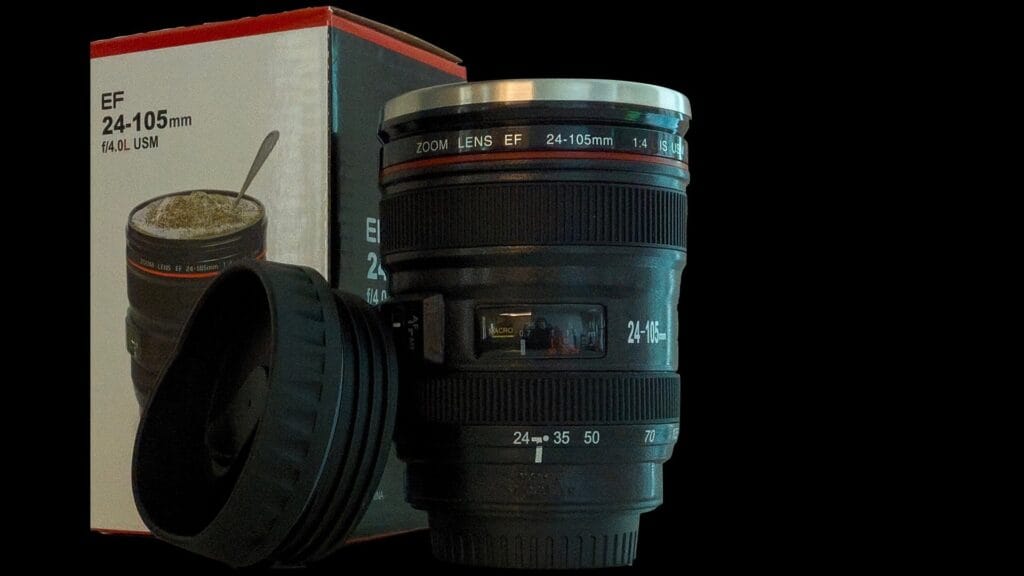
Wildlife photography continues to evolve as technology advances, and finding the perfect camera for capturing nature’s most elusive moments has become both easier and more complex. Whether you’re a seasoned wildlife photographer or just starting your journey into the wild, selecting the right camera in 2026 requires understanding the latest features, performance capabilities, and value propositions available in today’s market.
The art of wildlife photography demands equipment that can perform under challenging conditions while delivering exceptional image quality. From tracking fast-moving subjects to shooting in low-light environments, your camera choice will significantly impact your ability to capture those once-in-a-lifetime shots that make wildlife photography so rewarding.
What Makes a Great Wildlife Camera in 2026
Autofocus Performance and Subject Tracking
Modern wildlife cameras have revolutionized autofocus technology, with AI-powered subject detection becoming the gold standard. The best systems can identify and track various animals, birds, and insects with remarkable precision. Look for cameras that offer dedicated wildlife detection modes and can maintain focus on subjects even when partially obscured by vegetation or other obstacles.
Advanced eye detection for animals has become increasingly sophisticated, with some cameras capable of distinguishing between different species and adjusting focus accordingly. This technology proves invaluable when photographing everything from tiny songbirds to large mammals, ensuring sharp focus where it matters most.
Burst Rate and Buffer Capacity
Wildlife photography often requires capturing rapid sequences of images to ensure you don’t miss the perfect moment. Professional-grade cameras now offer burst rates exceeding 30 frames per second, with some reaching up to 120 fps in specific modes. However, raw burst rate numbers only tell part of the story – buffer capacity determines how long you can maintain these high speeds before the camera slows down.
Consider cameras with large buffers that can handle extended shooting sequences, especially when working with high-resolution files. The ability to clear the buffer quickly while continuing to shoot is crucial for wildlife photography success.
Image Stabilization Technology
In-body image stabilization (IBIS) has become increasingly important for wildlife photographers, particularly when using long telephoto lenses. The latest systems offer up to 8 stops of stabilization, allowing handheld shooting in situations that previously required tripods. This mobility advantage can be the difference between capturing or missing spontaneous wildlife behavior.
Sensor-shift stabilization works in conjunction with optical image stabilization in compatible lenses, creating a powerful combination that delivers remarkably steady images even at extreme focal lengths.
Weather Sealing and Durability
Wildlife photography often takes place in challenging environmental conditions. Premium cameras feature comprehensive weather sealing with gaskets around buttons, dials, and port covers. Magnesium alloy construction provides durability while keeping weight manageable for extended field use.
Temperature performance has also improved significantly, with modern cameras operating reliably in extreme cold and heat that would have challenged earlier generations of equipment.
Top Wildlife Camera Picks for 2026
Premium Professional Choice
Canon EOS R5 Mark II
The latest iteration of Canon’s flagship mirrorless camera continues to set the standard for wildlife photography. With a 45-megapixel full-frame sensor and enhanced DIGIC X processor, it delivers exceptional image quality across all ISO ranges.
Key Features:
- 45MP full-frame CMOS sensor
- 20 fps mechanical shutter, 40 fps electronic
- Advanced animal eye detection
- 8K video recording capability
- Dual CFexpress/SD card slots
Real-World Performance: Field testing reveals outstanding performance in challenging lighting conditions, with usable images at ISO 12800 and beyond. The improved animal detection system accurately tracks subjects even in dense forest environments, while the weather sealing withstands harsh outdoor conditions.
High-Performance Enthusiast Option
Sony α7R V
Sony’s latest high-resolution camera combines incredible detail capture with impressive wildlife-focused features. The 61-megapixel sensor provides exceptional crop flexibility, essential when working with distant subjects.
Key Features:
- 61MP full-frame Exmor R sensor
- 693-point phase-detection AF system
- Real-time animal eye AF
- 8-stop in-body stabilization
- 4K 60p video recording
Performance Insights: The α7R V excels in situations where maximum detail is paramount. Its high-resolution sensor allows significant cropping while maintaining image quality, effectively extending your telephoto reach. The stabilization system performs exceptionally well with long lenses, enabling sharp handheld shots at surprisingly slow shutter speeds.
Best APS-C Performance
Fujifilm X-H2S
For photographers seeking the reach advantage of APS-C sensors, the X-H2S delivers professional-level performance in a compact, weather-sealed body. The 1.5x crop factor effectively increases telephoto lens reach while maintaining excellent image quality.
Key Features:
- 26MP X-Trans CMOS 5 HS sensor
- 40 fps burst rate with mechanical shutter
- Advanced subject detection algorithms
- 6.2K video recording
- Extensive weather sealing
Field Experience: The X-H2S proves particularly effective for bird photography, where the crop factor advantage and exceptional burst rate combine to capture fast-moving subjects with remarkable success rates. Battery life exceeds expectations, crucial for extended wildlife photography sessions.
Camera Specifications Comparison
| Model | Sensor | Megapixels | Max Burst Rate | AF Points | Price Range |
|---|---|---|---|---|---|
| Canon EOS R5 Mark II | Full Frame | 45MP | 40fps | 1053 | $4,000-$4,500 |
| Sony α7R V | Full Frame | 61MP | 10fps | 693 | $3,500-$4,000 |
| Fujifilm X-H2S | APS-C | 26MP | 40fps | 425 | $2,500-$3,000 |
| Nikon Z9 | Full Frame | 45.7MP | 30fps | 493 | $5,000-$5,500 |
| Canon EOS R7 | APS-C | 32.5MP | 30fps | 651 | $1,500-$1,800 |
Budget-Friendly Wildlife Camera Options
Entry-Level Excellence
Canon EOS R7
The R7 represents exceptional value for aspiring wildlife photographers. Its APS-C sensor provides the telephoto advantage many wildlife photographers need, while delivering professional-level features at an accessible price point.
Key Advantages:
- 32.5MP APS-C sensor for excellent crop potential
- 30 fps electronic shutter
- Comprehensive weather sealing
- Compatible with extensive Canon RF lens ecosystem
- Dual memory card slots
Value Proposition: For photographers building their first serious wildlife kit, the R7 offers a perfect balance of features and affordability. The APS-C format means telephoto lenses provide more reach, stretching your budget further when building a complete system.
Micro Four Thirds Alternative
Olympus OM-1
The OM-1 leverages the significant telephoto advantage of the Micro Four Thirds format, where the 2x crop factor effectively doubles your lens reach. This makes it an attractive option for wildlife photographers working with budget constraints.
Notable Features:
- 20MP Live MOS sensor
- 2x crop factor for extended telephoto reach
- Exceptional in-body stabilization
- Compact, lightweight system
- Excellent value telephoto lens options
Essential Features to Consider
Lens Compatibility and Ecosystem
Your camera choice significantly impacts your long-term lens investment. Consider the available telephoto options in each system, as wildlife photography typically requires focal lengths of 400mm and beyond. Native lens ecosystems generally provide better performance than adapted solutions, particularly for autofocus speed and accuracy.
Emerging lens technologies, including variable telephoto zooms with constant maximum apertures, provide flexibility while maintaining image quality. Some manufacturers now offer 150-600mm lenses with sophisticated image stabilization systems specifically designed for wildlife photography.
Memory Card Performance
High-resolution sensors and fast burst rates demand equally fast memory cards. CFexpress Type B cards currently offer the best performance for professional wildlife photography, with write speeds exceeding 1,700 MB/s. However, high-quality UHS-II SD cards remain viable for many shooting scenarios while offering better value.
Dual card slots provide essential backup security when shooting once-in-a-lifetime wildlife encounters. Configure your camera for simultaneous recording or overflow shooting based on your specific needs and shooting style.
Battery Life Considerations
Modern mirrorless cameras continue improving battery performance, but wildlife photography’s demands require careful power management. Extended telephoto lens use, continuous autofocus operation, and electronic viewfinder usage all impact battery life significantly.
Invest in additional batteries and consider battery grips for extended shooting sessions. Some cameras now support USB-C power delivery, allowing external battery bank usage during extended fieldwork.
Practical Wildlife Photography Tips
Optimal Camera Settings
Configure your camera for wildlife photography success by setting up custom modes for different scenarios. Program one mode for fast-moving subjects with high shutter speeds and continuous autofocus, while another mode optimizes settings for stationary subjects where image quality takes precedence over speed.
Back-button focus provides superior control over autofocus operation, allowing you to separate focus acquisition from shutter release. This technique proves invaluable when tracking moving subjects or working with complex compositions.
Field Techniques
Understanding animal behavior dramatically improves your photography success rate beyond camera capabilities. Study your subjects’ patterns, feeding times, and typical responses to human presence. Position yourself along known travel routes rather than pursuing subjects directly.
Early morning and late afternoon provide optimal lighting conditions while coinciding with peak animal activity. These golden hour periods offer warm, directional light that enhances your subjects while avoiding harsh midday shadows.
Equipment Care in the Field
Protect your investment with proper field care techniques. Use lens covers when not actively shooting, and clean equipment regularly to prevent dust and moisture buildup. A quality camera strap, like the Peak Design Camera Strap, provides security and comfort during extended field sessions while allowing quick camera access when opportunities arise.
Silica gel packets in your camera bag help control moisture, particularly important in humid environments or when moving between temperature extremes. Regular sensor cleaning maintains image quality, especially critical when using high-resolution sensors that reveal every speck of dust.
Future-Proofing Your Wildlife Camera Investment
Emerging Technologies
Computational photography continues advancing, with features like pixel-shift high resolution and advanced noise reduction becoming standard on premium cameras. These technologies extend the capabilities of existing sensors, effectively increasing resolution and improving low-light performance through software processing.
AI-powered features will likely expand beyond subject detection to include behavioral prediction, potentially pre-focusing on areas where subjects are likely to move based on learned patterns.
System Growth Potential
Choose camera systems with clear upgrade paths and expanding lens ecosystems. Manufacturers with strong commitments to wildlife photography typically release specialized telephoto lenses and camera bodies designed for nature photography applications.
Consider the total cost of system ownership, including bodies, lenses, accessories, and periodic upgrades. Systems with strong resale values protect your investment while providing flexibility for future equipment changes.
Conclusion and Recommendations
Selecting the best wildlife camera for 2026 depends on balancing your specific photography goals, budget constraints, and system preferences. For professionals and serious enthusiasts, the Canon EOS R5 Mark II and Sony α7R V represent the current pinnacle of wildlife photography technology, offering uncompromising performance in challenging field conditions.
Budget-conscious photographers will find exceptional value in cameras like the Canon EOS R7 and Olympus OM-1, which provide professional-level features at accessible price points. The key lies in understanding that today’s entry-level cameras often exceed the capabilities of professional models from just a few years ago.
Remember that camera bodies represent just one component of a complete wildlife photography system. Invest in quality telephoto lenses, sturdy support systems, and reliable accessories to maximize your chosen camera’s potential. The best wildlife camera is ultimately the one that you understand thoroughly and can operate instinctively when extraordinary wildlife moments unfold before you.
Success in wildlife photography comes from the combination of technical excellence, field craft knowledge, and patience. While having the right camera certainly helps, your understanding of both your equipment and your subjects will determine your ultimate success in capturing nature’s most compelling stories.
Related Tags
Looking for the Best Camera Deals?
Check out our latest buying guides and comparison articles to find the perfect camera for your needs.
Browse Buying Guides