
Canon 5D Mark IV Review 2026: Complete Camera Guide
Comprehensive Canon 5D Mark IV review covering specs, performance, image quality, and value in 2026. Everything you need to know before buying.
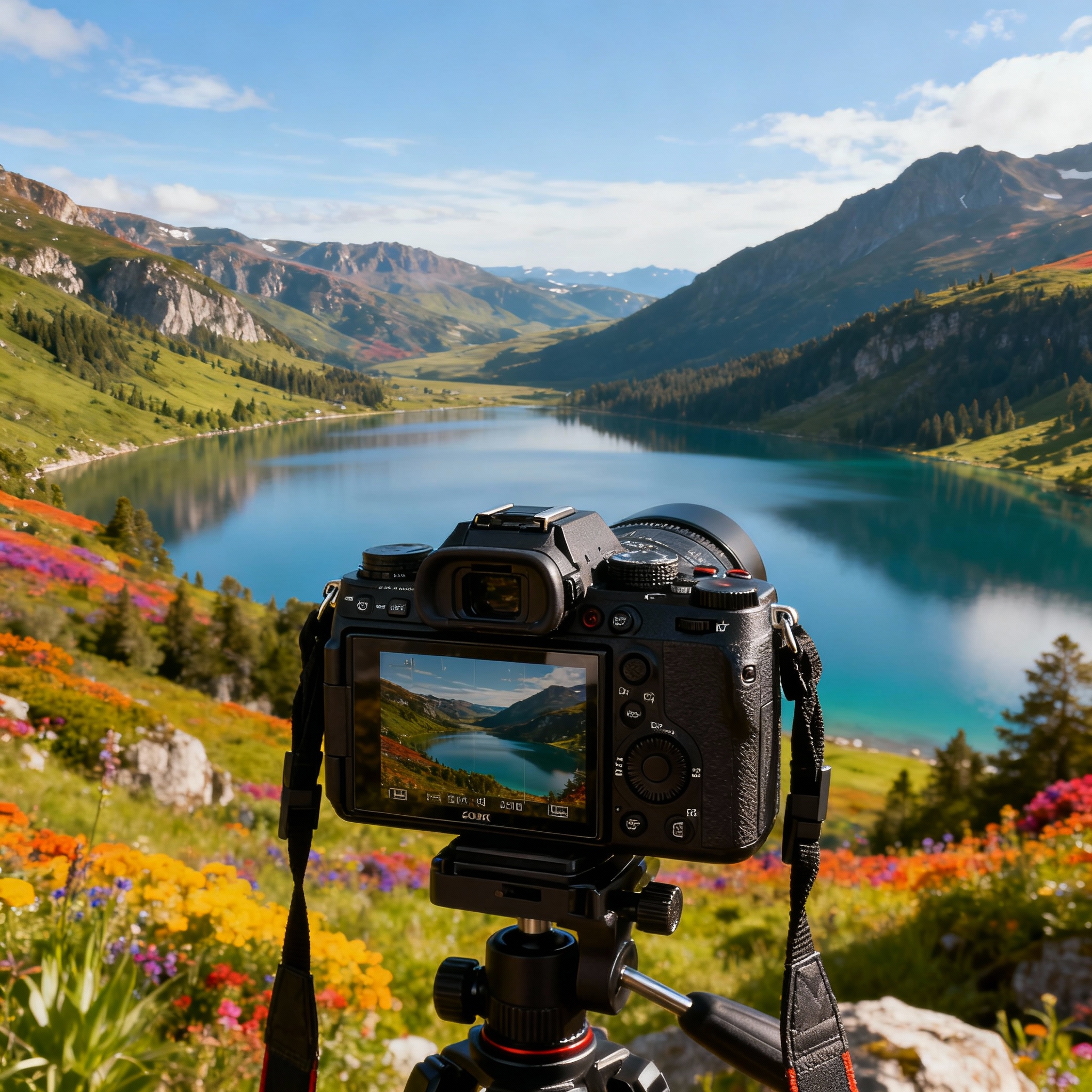
The Canon 5D Mark IV has been a cornerstone of professional photography for years, and as we enter 2026, it remains a compelling choice for photographers who value proven reliability and exceptional image quality. Despite being succeeded by Canon’s mirrorless R series, this DSLR continues to offer unique advantages that make it worth considering in today’s market.
In this comprehensive review, we’ll examine how the 5D Mark IV holds up against modern competition, analyze its performance in real-world scenarios, and help you determine if this camera still deserves a place in your kit.
Canon 5D Mark IV Specifications
| Feature | Specification |
|---|---|
| Sensor | 30.4MP Full-Frame CMOS |
| Image Processor | DIGIC 6+ |
| ISO Range | 100-32,000 (expandable to 50-102,400) |
| Autofocus | 61-point AF system with 41 cross-type points |
| Continuous Shooting | Up to 7 fps |
| Video | 4K at 30p, 1080p at 60p |
| Viewfinder | Optical pentaprism, 100% coverage |
| LCD Screen | 3.2” touchscreen, 1.62M dots |
| Battery Life | Approximately 900 shots (CIPA standard) |
| Weather Sealing | Yes, extensive |
| Memory Cards | Dual slots: CF + SD |
| Weight | 890g (body only) |
| Dimensions | 150.7 x 116.4 x 75.9 mm |
Image Quality Performance
Sensor and Resolution
The 30.4-megapixel full-frame sensor in the 5D Mark IV continues to deliver exceptional image quality that stands the test of time. The resolution strikes an excellent balance between detail capture and file manageability, making it ideal for both studio work and field photography.
Colors are rendered with Canon’s signature warm, pleasing tones that require minimal post-processing for many applications. The dynamic range, while not class-leading by 2026 standards, remains more than adequate for most shooting scenarios, offering approximately 13.6 stops of usable range.
Low Light Capabilities
The camera’s performance in challenging lighting conditions remains impressive. The native ISO range of 100-32,000 produces clean, usable images throughout most of the range. At ISO 6400 and below, noise is minimal and detail retention excellent. Even at ISO 12,800, images remain highly usable with modern noise reduction software.
The expandable ISO range up to 102,400 provides emergency shooting capabilities, though image quality degrades significantly at these extreme settings. For professional work, staying within the native range yields the best results.
Autofocus System Analysis
The 61-point autofocus system, with 41 cross-type sensors, was cutting-edge when introduced and remains highly capable today. The AF system covers a substantial portion of the frame, providing excellent tracking performance for moving subjects.
Tracking Performance
Subject tracking is reliable and consistent, particularly for predictable movement patterns. While it may not match the AI-driven tracking systems found in modern mirrorless cameras like the Canon EOS R5, it’s more than sufficient for most photography applications.
The system excels in good lighting conditions and maintains reasonable performance in low light down to -3 EV. The dedicated AF-On button and customizable AF modes provide professional-level control over focus acquisition and tracking behavior.
Video Capabilities in 2026
The 5D Mark IV’s 4K video recording at 30fps was revolutionary when introduced, and while it’s now considered standard, the quality remains excellent. The camera records in Motion JPEG format, which produces large file sizes but offers exceptional quality and easy editing workflow.
Video Quality Assessment
4K footage is sharp and detailed with excellent color reproduction. The camera’s full-frame sensor allows for shallow depth of field effects that remain popular in professional video production. However, the lack of in-body image stabilization means external stabilization is often necessary for handheld work.
The 1080p recording at up to 60fps provides smooth slow-motion capabilities, and the quality is superb for HD delivery. The headphone and microphone jacks ensure professional audio monitoring and input capabilities.
Build Quality and Ergonomics
Canon’s reputation for build quality shines through in the 5D Mark IV. The magnesium alloy body feels substantial and confidence-inspiring, with weather sealing that allows for use in challenging conditions.
Handling and Controls
The ergonomics are exemplary, with well-placed controls that become second nature after brief use. The deep grip accommodates larger hands comfortably, and the button layout follows Canon’s logical design philosophy. The top LCD panel provides quick access to shooting information without activating the rear screen.
The optical viewfinder offers a bright, clear view of your subject with 100% coverage. For photographers accustomed to DSLRs, the optical viewfinder provides zero lag and works without battery power, offering advantages that electronic viewfinders still can’t match.
Battery Life Advantage
One of the most significant advantages of the 5D Mark IV in 2026 is its exceptional battery life. With approximately 900 shots per charge using the optical viewfinder, it far exceeds the battery performance of most mirrorless alternatives. This makes it particularly valuable for wedding photographers, event shooters, and anyone working in remote locations.
Lens Compatibility and Ecosystem
The 5D Mark IV’s EF mount provides access to Canon’s extensive catalog of professional lenses, many of which can be found at attractive prices in the used market. From ultra-wide angles to super-telephoto options, the lens selection is unmatched.
The camera also benefits from third-party lens manufacturers like Sigma, Tamron, and others who have produced exceptional EF mount options. This ecosystem advantage provides significant value and flexibility for photographers with existing lens investments.
Real-World Performance Insights
Portrait Photography
The 5D Mark IV excels in portrait work, with pleasing skin tones and excellent detail rendering. The depth of field preview and precise manual focus confirmation make it ideal for studio work. The camera’s color science requires minimal correction for skin tones across various ethnicities.
Landscape Photography
For landscape photographers, the camera’s dynamic range and color reproduction produce stunning results. The weather sealing provides confidence in challenging outdoor conditions, and the battery life means you can shoot all day without worry.
Wedding and Event Photography
The combination of excellent low-light performance, reliable autofocus, and outstanding battery life makes this an exceptional choice for wedding photographers. The dual card slots provide essential backup security for irreplaceable moments.
Pros and Cons Analysis
Advantages
Exceptional Battery Life: The 900-shot battery life far exceeds most mirrorless alternatives, crucial for long shooting sessions.
Proven Reliability: Years of professional use have demonstrated the camera’s durability and consistent performance.
Optical Viewfinder: Zero lag and battery-independent operation provide unique advantages for certain shooting scenarios.
Professional Build Quality: Weather sealing and robust construction inspire confidence in challenging conditions.
Extensive Lens Ecosystem: Access to Canon’s complete EF lens catalog, often at attractive used prices.
Excellent Image Quality: The 30.4MP sensor continues to deliver professional-grade results with pleasing color science.
Disadvantages
Limited Video Features: Lacks modern video features like 4K 60p, log recording, or advanced autofocus tracking.
No Image Stabilization: The absence of in-body stabilization is noticeable compared to modern alternatives.
Slower Continuous Shooting: 7fps is adequate but slower than current professional cameras.
Heavier Weight: The DSLR design results in a heavier system compared to mirrorless alternatives.
Older Autofocus Technology: While capable, it lacks the AI-driven tracking of modern mirrorless systems.
Comparison with Modern Alternatives
When comparing the 5D Mark IV to modern options like the Canon EOS R5 Mark II, the differences become apparent. The newer mirrorless cameras offer superior video capabilities, faster shooting speeds, and more advanced autofocus systems. However, they come at a significantly higher price point and with reduced battery life.
For photographers who prioritize still image quality, reliability, and battery life over cutting-edge features, the 5D Mark IV remains compelling. The Canon EOS R6 Mark II offers a more direct comparison in terms of target market, but again at a higher price point.
Value Proposition in 2026
The 5D Mark IV’s value proposition in 2026 centers on its position as a mature, proven camera available at attractive prices in the used market. While new units command premium pricing, used examples offer exceptional value for photographers entering the professional market or those seeking a reliable backup body.
The camera’s image quality remains competitive with current offerings, and its reliability is unquestioned after years of professional use worldwide. For photographers who don’t require the latest video features or cutting-edge autofocus, it represents an excellent investment.
Practical Tips for 5D Mark IV Users
Optimal Settings Configuration
Configure back-button focus immediately – this simple change dramatically improves your focusing precision and speed. Set the AF-On button for continuous focus and leave the shutter button for exposure only.
Use the custom functions to set up the camera for your specific shooting style. The 5D Mark IV offers extensive customization options that can significantly improve your shooting experience.
Lens Recommendations
Pair the camera with Canon’s excellent 24-70mm f/2.8L II or the newer RF-mount lenses via adapter for versatile coverage. The 85mm f/1.4L IS provides exceptional portrait performance, while the 16-35mm f/2.8L III covers wide-angle needs superbly.
Battery Management
Invest in multiple LP-E6N batteries and a quality charger. While battery life is excellent, having spares ensures you never miss a shot during extended shooting sessions.
Who Should Buy the Canon 5D Mark IV in 2026
The 5D Mark IV remains an excellent choice for several specific user groups:
Professional Photographers on Budget: Those entering professional photography or seeking a reliable backup body will find exceptional value in used 5D Mark IV bodies.
Wedding and Event Photographers: The combination of battery life, reliability, and low-light performance makes it ideal for event work where changing batteries isn’t always practical.
Portrait and Studio Photographers: The excellent image quality, tethering capabilities, and professional build quality serve studio work exceptionally well.
Photographers with EF Lens Investment: Those with existing Canon EF lenses can maximize their investment while enjoying professional image quality.
Film-to-Digital Converts: Photographers transitioning from film cameras often prefer the optical viewfinder experience and familiar DSLR handling.
Conclusion and Recommendations
The Canon 5D Mark IV in 2026 represents a fascinating study in camera longevity and value. While it may lack the cutting-edge features of modern mirrorless cameras, it excels in fundamental areas that matter most to many photographers: image quality, reliability, and battery life.
For photographers who prioritize proven performance over latest technology, the 5D Mark IV offers exceptional value, particularly in the used market. Its image quality remains competitive, the build quality is unquestionable, and the professional features continue to serve working photographers worldwide.
However, if you require advanced video features, cutting-edge autofocus performance, or the latest technological innovations, modern mirrorless alternatives like the Canon EOS R5 or Canon EOS R6 Mark II would better serve your needs, albeit at higher price points.
The 5D Mark IV proves that sometimes the best camera isn’t the newest one – it’s the one that reliably captures the images you envision while fitting your budget and shooting requirements. For many photographers in 2026, that camera might just be the venerable 5D Mark IV.
Related Tags
Looking for the Best Camera Deals?
Check out our latest buying guides and comparison articles to find the perfect camera for your needs.
Browse Buying Guides