
Canon RF 100-500mm Review: Ultimate Wildlife Photography Lens
Complete Canon RF 100-500mm wildlife lens review. Discover image quality, autofocus performance, and real-world wildlife photography results.
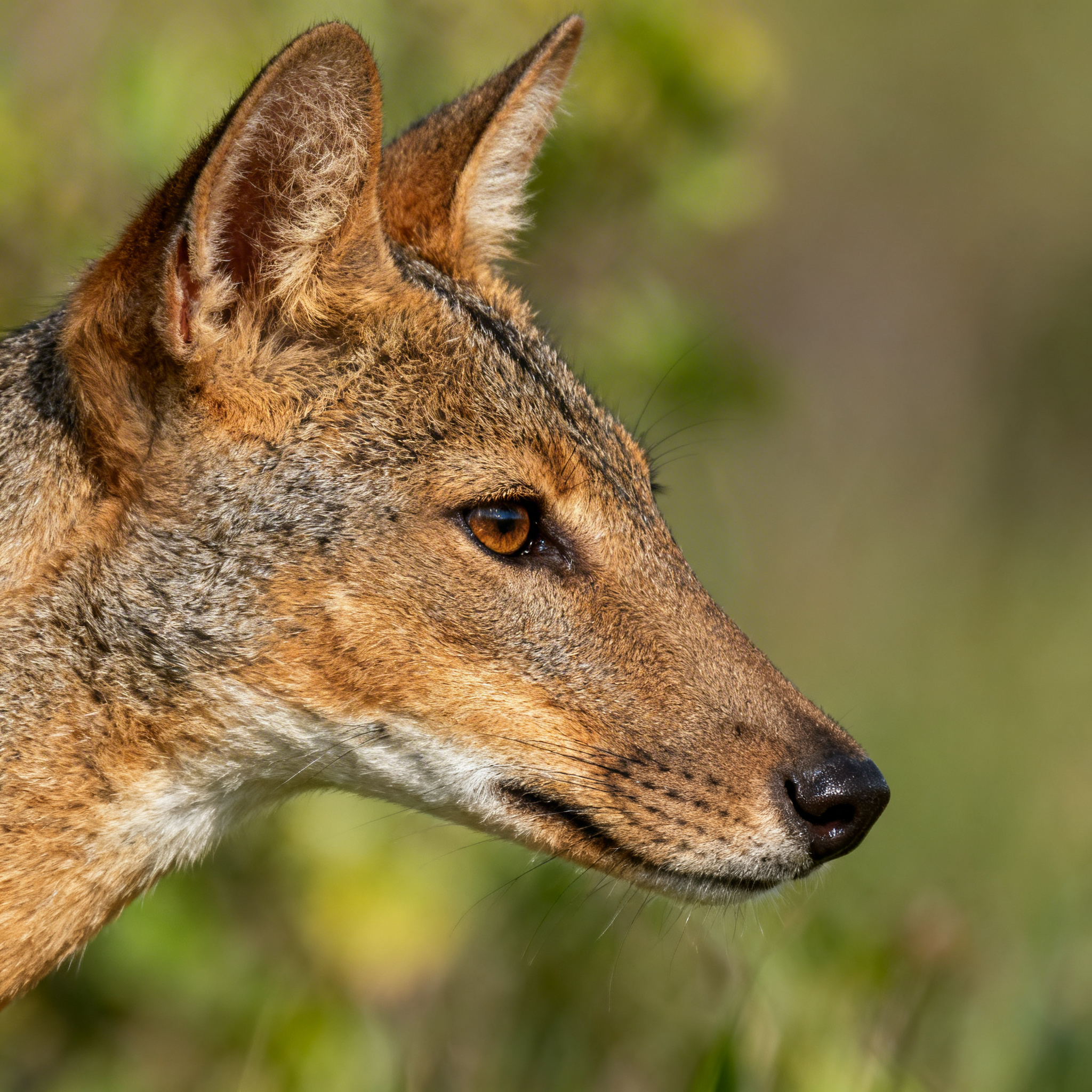
The Canon RF 100-500mm f/4.5-7.1L IS USM has quickly established itself as the go-to telephoto zoom lens for wildlife photographers shooting with Canon’s mirrorless R-series cameras. After extensive field testing across various shooting conditions, from African safaris to backyard birding sessions, this lens delivers exceptional performance that justifies its position in Canon’s prestigious L-series lineup.
Whether you’re upgrading from the popular EF 100-400mm or stepping into serious wildlife photography for the first time, this comprehensive review will help you understand exactly what this lens offers and whether it’s the right investment for your photography needs.
Design and Build Quality
Premium L-Series Construction
The RF 100-500mm embodies everything you’d expect from a professional Canon L-series lens. The robust construction features a magnesium alloy barrel with weather sealing throughout, making it suitable for challenging outdoor conditions. The lens feels substantial in hand at 1,370 grams, but remains manageable for extended handheld shooting sessions.
The distinctive white finish isn’t just for show – it helps reflect heat and keeps the internal elements cooler during long shooting sessions in bright sunlight. This thermal management becomes particularly important when shooting wildlife during midday conditions where lens expansion could affect optical performance.
Ergonomics and Handling
Canon has thoughtfully designed the control layout for intuitive operation. The zoom ring operates smoothly with just the right amount of resistance, while the manual focus ring is perfectly positioned for quick adjustments. Three customizable control rings allow you to assign frequently used functions like ISO or exposure compensation, reducing the need to take your eye from the viewfinder.
The tripod collar rotates smoothly and locks securely at any position, not just the standard click-stops. This flexibility proves invaluable when composing shots at unusual angles or when tracking subjects that require precise framing adjustments.
Lens Specifications
| Specification | Details |
|---|---|
| Focal Length | 100-500mm |
| Maximum Aperture | f/4.5-7.1 |
| Minimum Aperture | f/32-45 |
| Lens Elements | 20 elements in 12 groups |
| Image Stabilization | 5 stops (up to 6 with coordinated IS) |
| Minimum Focus Distance | 0.9m (2.95 ft) |
| Maximum Magnification | 0.33x |
| Filter Thread | 77mm |
| Weight | 1,370g (3.02 lbs) |
| Dimensions | 93.8 x 207.6mm |
Optical Performance
Sharpness Across the Zoom Range
The RF 100-500mm delivers impressive sharpness that rivals many prime lenses throughout its zoom range. At 100mm, center sharpness is excellent wide open at f/4.5, with corner performance reaching very good levels. The sweet spot occurs around f/5.6-f/8, where the lens achieves tack-sharp results across the entire frame.
Mid-range performance at 200-300mm maintains this high standard, with only minimal softening in the extreme corners at maximum aperture. This consistency makes the lens reliable for wildlife photography where you need to quickly adjust focal lengths without worrying about optical compromises.
At the long end (400-500mm), sharpness remains surprisingly good considering the variable aperture design. While f/7.1 might seem limiting, modern camera bodies handle higher ISOs exceptionally well, and the optical stabilization helps maintain sharp images even in challenging light.
Chromatic Aberration and Distortion Control
Canon’s advanced optical design effectively controls chromatic aberration throughout the zoom range. Purple fringing, often problematic with long telephoto lenses, remains minimal even in high-contrast situations like photographing birds against bright skies. The few instances of CA that do occur are easily corrected in post-processing.
Barrel distortion is virtually non-existent, while pincushion distortion at longer focal lengths remains well-controlled and easily correctable in camera or during raw processing. This optical accuracy proves particularly valuable for wildlife photography where natural subject proportions matter.
Bokeh Quality and Background Rendering
Smooth Out-of-Focus Areas
Despite the variable aperture design, the RF 100-500mm produces pleasing bokeh that enhances subject isolation. The 9-blade circular aperture creates smooth, circular highlights even when stopped down. Background vegetation renders as creamy, non-distracting blur that allows wildlife subjects to pop from their surroundings.
The bokeh quality remains consistent across the zoom range, though it’s naturally most pronounced at longer focal lengths where the shallow depth of field helps separate subjects from busy backgrounds. This characteristic makes the lens excellent for isolating individual animals in group settings or eliminating distracting environmental elements.
Subject Isolation Capabilities
At 500mm with close focusing distances, the lens achieves impressive subject isolation that rivals dedicated wildlife prime lenses. The maximum magnification of 0.33x allows for frame-filling shots of smaller subjects while maintaining beautiful background separation. This capability extends the lens’s versatility beyond large wildlife to include detailed shots of birds, butterflies, and other smaller creatures.
Autofocus Performance
Lightning-Fast Acquisition
The RF 100-500mm’s Dual Nano USM autofocus system represents a significant leap forward in telephoto lens performance. Focus acquisition is virtually instantaneous, even when transitioning from close subjects to infinity. This speed proves crucial when photographing unpredictable wildlife behavior where missed moments can’t be recreated.
The focus system operates silently, making it ideal for photographing sensitive wildlife that might be spooked by mechanical lens noise. This stealth capability opens up opportunities for capturing natural behaviors that would otherwise be impossible with noisier lens designs.
Tracking Moving Subjects
When combined with Canon’s latest R-series bodies, the lens excels at tracking moving subjects. The advanced communication between lens and body enables precise focus tracking of birds in flight, running mammals, and other fast-moving wildlife. The linear focus motor provides smooth, consistent tracking that rarely hunts or loses lock on properly acquired subjects.
Eye detection AF works remarkably well with this lens, particularly for bird photography where precise focus on the eye makes the difference between a good shot and a great one. The system reliably identifies and tracks bird eyes even when they represent a small portion of the overall frame.
Image Stabilization System
Five Stops of Stabilization
The RF 100-500mm’s built-in image stabilization provides up to 5 stops of shake reduction, extending handheld shooting capabilities significantly. At 500mm, this translates to sharp images at shutter speeds as slow as 1/60s under ideal conditions – a remarkable achievement for such a long focal length.
When paired with compatible R-series bodies featuring in-body stabilization, coordinated IS can provide up to 6 stops of stabilization. This combined system proves particularly effective for static subjects where the extra stability allows for lower ISOs and better image quality in challenging light.
Real-World Stabilization Performance
Field testing reveals that the stabilization system excels in various shooting scenarios. For handheld wildlife photography, the system provides rock-steady performance that allows for confident shooting without a tripod in most situations. The stabilization adapts well to different shooting techniques, whether panning with moving subjects or maintaining steady aim on stationary wildlife.
The system includes multiple stabilization modes optimized for different shooting scenarios. Mode 1 provides general stabilization, Mode 2 is optimized for panning, and Mode 3 activates only when the shutter is pressed, preventing viewfinder drift during composition.
Wildlife Photography Performance
Safari and Large Wildlife
The RF 100-500mm excels in classic safari scenarios where versatility matters more than maximum reach. The zoom range covers everything from environmental shots showing animals in their habitat (100-200mm) to frame-filling portraits of individual subjects (400-500mm). This flexibility reduces the need to carry multiple lenses, a significant advantage when weight and space are at a premium.
The lens’s weather sealing proved reliable during dusty game drives and humid rainforest conditions. The smooth zoom ring allows for quick focal length adjustments when animals move closer or farther away, ensuring you’re always ready for the shot.
Bird Photography Excellence
For bird photography, the RF 100-500mm strikes an excellent balance between reach and practicality. The 500mm focal length provides sufficient reach for most situations, while the sharp optics ensure feather detail is rendered beautifully. The fast autofocus and excellent image stabilization make it possible to track birds in flight with high success rates.
The close focusing capability of 0.9 meters opens up opportunities for detailed shots of larger birds while still maintaining the ability to photograph smaller species at reasonable distances. This versatility makes it suitable for everything from backyard birding to specialized bird photography expeditions.
Low Light Performance
While the variable f/7.1 aperture at 500mm might seem limiting, the excellent image stabilization and high ISO performance of modern cameras largely offset this limitation. The lens maintains good contrast and color saturation even in overcast conditions, making it suitable for early morning and late evening wildlife activity when animals are most active.
Practical Usage Tips
Maximizing Sharpness
To get the best results from the RF 100-500mm, use shutter speeds at least 1/500s when possible for active wildlife, even with image stabilization enabled. This ensures sharp results with moving subjects and eliminates any residual camera shake. When shooting static subjects, the image stabilization allows for much slower shutter speeds while maintaining sharpness.
Always check your camera’s high ISO performance and don’t hesitate to raise ISO rather than shoot wide open in challenging light. Modern R-series cameras handle ISO 3200-6400 excellently, often producing better results than shooting at f/7.1 in marginal light.
Composition and Technique
Use the zoom range strategically to tell different stories. Wide shots at 100-200mm can show animals in their environment, while longer focal lengths create intimate portraits. The smooth zoom operation allows for quick adjustments without missing critical moments.
When photographing groups of animals, use longer focal lengths to compress the perspective and create more dynamic compositions. The excellent bokeh helps separate individual subjects from busy group scenarios.
Comparison with Alternatives
While this review focuses on the RF 100-500mm, it’s worth noting how it fits within Canon’s RF lens ecosystem. Photographers building a complete telephoto setup might also consider the Canon RF 70-200mm f/2.8L for situations requiring faster apertures and closer working distances.
The RF 100-500mm offers significantly more reach than traditional 70-200mm lenses while maintaining professional optical quality throughout its range. This makes it an excellent complement to standard zoom lenses like the Canon RF 24-70mm f/2.8L, providing comprehensive focal length coverage for various photography needs.
Value and Investment Considerations
Professional Results at a Reasonable Price
The RF 100-500mm delivers professional-level optical performance and build quality at a price point that’s accessible to serious enthusiasts. When compared to equivalent prime lenses covering the same focal length range, the zoom offers tremendous value and convenience.
The lens’s versatility means it can serve multiple roles in a photographer’s kit, potentially replacing several shorter focal length lenses for wildlife applications. This consolidation can result in significant cost savings and reduced carrying weight during extended shooting sessions.
Long-Term Durability
Canon’s L-series reputation for durability is well-deserved, and the RF 100-500mm continues this tradition. The robust construction and weather sealing ensure reliable operation in challenging conditions, making it a sound long-term investment for serious wildlife photographers.
The lens’s compatibility with current and future RF-mount bodies ensures continued relevance as Canon expands their mirrorless system. This forward compatibility protects your investment as camera technology continues to evolve.
Final Verdict
The Canon RF 100-500mm f/4.5-7.1L IS USM represents an outstanding achievement in telephoto zoom lens design. It successfully combines professional optical quality, robust build construction, and advanced features in a package that’s both versatile and practical for serious wildlife photography.
Strengths:
- Excellent sharpness across the entire zoom range
- Fast, accurate autofocus with superb tracking capabilities
- Effective 5-stop image stabilization system
- Professional build quality with comprehensive weather sealing
- Versatile focal length range suitable for various wildlife scenarios
- Smooth, pleasing bokeh quality
Minor Limitations:
- Variable aperture limits low-light performance slightly
- Size and weight require consideration for extended handheld use
- Premium pricing, though justified by performance
For wildlife photographers shooting with Canon’s R-series cameras, the RF 100-500mm stands as the clear choice for a versatile telephoto zoom. It delivers the optical excellence expected from L-series glass while providing the flexibility that makes it suitable for everything from African safaris to local nature photography. The lens represents a significant step forward in telephoto zoom performance and earns a strong recommendation for anyone serious about wildlife photography.
Whether you’re upgrading from older telephoto lenses or building your first professional wildlife kit, the RF 100-500mm offers exceptional performance that will serve you well for years to come. Its combination of optical excellence, advanced features, and professional reliability makes it an investment that will consistently deliver outstanding results in the field.
Related Tags
Looking for the Best Camera Deals?
Check out our latest buying guides and comparison articles to find the perfect camera for your needs.
Browse Buying Guides