
Canon RF vs Sony GM Lenses: Which Premium Glass Wins?
Compare Canon RF and Sony GM lenses head-to-head. We analyze image quality, build, autofocus speed, and value to help you choose the best premium glass.
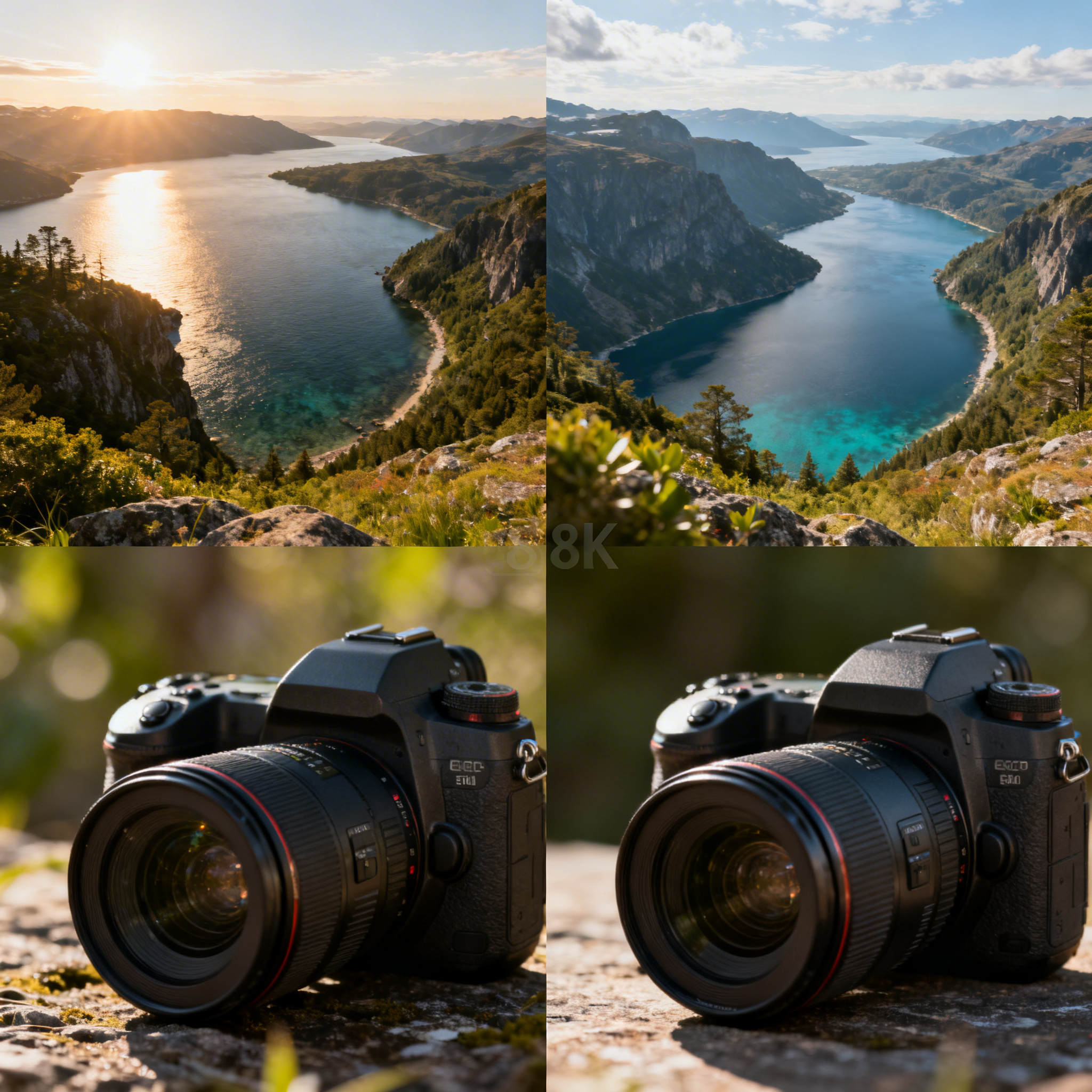
In the world of professional photography, the battle between Canon’s RF mount system and Sony’s E-mount has reached fever pitch. Both manufacturers have invested heavily in their premium lens lineups – Canon’s RF series and Sony’s G Master (GM) collection – creating some of the finest optical instruments available today. Whether you’re a portrait photographer, landscape enthusiast, or commercial shooter, choosing between these two premium glass ecosystems can make or break your investment.
This comprehensive comparison dives deep into the strengths, weaknesses, and real-world performance of Canon RF versus Sony GM lenses, helping you make an informed decision that aligns with your photography goals and budget.
Understanding Premium Lens Technologies
Canon RF Lens Innovation
Canon’s RF mount, introduced in 2018, represents a complete reimagining of lens design possibilities. The larger 54mm inner diameter and shorter 20mm flange focal distance have allowed Canon’s engineers to create lenses with exceptional optical performance and innovative features.
Key RF technologies include:
- Control Ring customization for direct parameter adjustment
- Dual Pixel CMOS AF integration for lightning-fast focusing
- Advanced IS (Image Stabilization) with up to 8 stops of correction
- Blue Spectrum Refractive optics for superior chromatic aberration control
Sony GM Excellence
Sony’s G Master series, launched in 2016, focuses on delivering what Sony calls the “holy trinity” of lens performance: high resolution, beautiful bokeh, and fast autofocus. These lenses are engineered specifically for Sony’s advanced mirrorless bodies and leverage cutting-edge optical technologies.
Sony GM innovations include:
- XA (eXtreme Aspherical) elements for exceptional sharpness
- Nano AR coating for minimal reflections and flare
- XD (eXtreme Dynamic) linear motors for silent, precise focusing
- Floating focus systems for consistent performance across focus ranges
Optical Performance Comparison
Sharpness and Resolution
Both Canon RF and Sony GM lenses deliver exceptional sharpness, but their approaches differ significantly. Canon RF lenses often prioritize consistent performance across the frame, with many models showing minimal sharpness drop-off even at wide apertures. The RF 28-70mm f/2L, for instance, delivers professional-grade sharpness that rivals many prime lenses.
Sony GM lenses, particularly the newer iterations like the Sony 24-70mm GM II, focus on achieving maximum central sharpness while maintaining excellent corner performance. The GM series consistently ranks among the highest resolving lenses in independent optical tests.
Winner: Tie – both systems excel with slight differences in rendering characteristics
Bokeh Quality
Bokeh quality represents one of the most subjective aspects of lens performance, yet both systems have developed distinct characteristics. Canon RF lenses tend to produce smoother, more gradual bokeh transitions with excellent subject isolation. The 9-blade aperture design in most RF lenses contributes to pleasing circular highlights.
Sony GM lenses, especially telephoto models like the Sony 85mm GM, are renowned for creating creamy, dreamy background blur with exceptional subject separation. The XA elements play a crucial role in eliminating onion-ring bokeh artifacts that plague some lens designs.
Winner: Sony GM – slight edge for consistently beautiful bokeh across the lineup
Color Rendition and Contrast
Canon’s traditional strength in color science extends to their RF lens lineup. RF lenses typically produce warmer, more saturated colors with excellent skin tone reproduction – a crucial factor for portrait photographers. The proprietary lens coatings contribute to rich contrast while maintaining highlight and shadow detail.
Sony GM lenses offer more neutral color reproduction with excellent accuracy across the spectrum. This characteristic makes them particularly suitable for commercial work where color fidelity is paramount. The latest GM lenses also show improved contrast and reduced flare compared to earlier Sony lens generations.
Winner: Canon RF – better color character for most photographic applications
Build Quality and Ergonomics
Construction Standards
Both Canon RF and Sony GM lenses meet professional construction standards, but their philosophies differ. Canon RF lenses typically feature robust weather sealing with multiple gasket points and fluorine coatings on front elements. The build quality feels substantial without being unnecessarily heavy.
Sony GM lenses emphasize precision engineering with tight tolerances and premium materials. The focus rings operate with smooth, consistent damping, and the overall construction inspires confidence in demanding shooting conditions.
Size and Weight Considerations
One of mirrorless photography’s key advantages is the potential for smaller, lighter systems. Canon has generally achieved better size-to-performance ratios in their RF lineup, with lenses like the RF 70-200mm f/2.8L IS weighing significantly less than equivalent DSLR lenses.
Sony GM lenses, while compact for their optical performance, tend to be denser and sometimes heavier than equivalent Canon options. However, this weight often translates to exceptional optical performance and robust construction.
Lens Lineup and Focal Length Coverage
Canon RF System Coverage
Canon’s RF lens roadmap shows impressive breadth, covering virtually every focal length professional photographers need:
- Ultra-wide: 14-35mm f/4L IS, 15-35mm f/2.8L IS
- Standard zoom: 24-70mm f/2.8L IS, 28-70mm f/2L
- Telephoto zoom: 70-200mm f/2.8L IS, 100-500mm f/4.5-7.1L IS
- Prime selection: Comprehensive range from 16mm to 800mm
Sony GM Lens Portfolio
Sony’s GM lineup focuses on core focal lengths with exceptional performance:
- Standard zoom: Sony 24-70mm GM II
- Telephoto zoom: Sony 70-200mm GM II
- Prime lenses: 14mm, 24mm, 35mm, 50mm, 85mm, 135mm GM options
- Specialty lenses: 100-400mm, 200-600mm GM telephotos
Winner: Canon RF – more comprehensive focal length coverage
Autofocus Performance Comparison
Speed and Accuracy
Both systems leverage advanced autofocus technologies, but their implementations vary. Canon RF lenses benefit from tight integration with Dual Pixel CMOS AF systems, delivering exceptional subject tracking and eye detection performance. The large communication bandwidth between lens and body enables sophisticated focus algorithms.
Sony GM lenses paired with bodies like the A7R V or A7 IV offer industry-leading autofocus speed and accuracy. The XD linear motors provide near-silent operation with precise positioning, making them excellent for video work and wildlife photography.
Low-Light Performance
Canon RF lenses generally maintain autofocus accuracy in lower light conditions, with some models focusing down to -6 EV. This capability proves invaluable for event and wedding photographers working in challenging lighting conditions.
Sony GM lenses also excel in low-light focusing, particularly when paired with Sony’s latest camera bodies. The combination of lens and body technologies often delivers reliable focusing in near-darkness.
Winner: Tie – both systems offer exceptional autofocus capabilities
Price and Value Analysis
Initial Investment
Canon RF lenses typically carry premium pricing, reflecting their advanced optical designs and manufacturing complexity. However, Canon often provides better price-to-performance ratios in the standard focal lengths that most photographers use regularly.
Sony GM lenses command high prices but often justify the investment through exceptional optical performance and professional build quality. The Sony 24-70mm GM II and Sony 70-200mm GM II represent significant investments but deliver world-class performance.
Long-term Value
Both systems retain their value well in the used market, though Canon lenses historically show slightly better depreciation curves. The extensive Canon lens ecosystem also provides more upgrade and alternative options as your needs evolve.
Real-World Performance Insights
Portrait Photography
For portrait work, both systems excel but with different characteristics. Canon RF lenses often produce more flattering skin tones and smoother background rendering, making them popular among wedding and portrait photographers. The Sony 85mm GM delivers exceptional subject isolation with tack-sharp focus on eyes and smooth bokeh.
Landscape Photography
Landscape photographers will find excellent options in both systems. Canon’s RF wide-angle lenses offer superior edge-to-edge sharpness and effective image stabilization. Sony GM ultra-wide options provide exceptional resolving power for large prints and detailed scenes.
Sports and Wildlife
Both systems offer capable telephoto options, though Canon’s longer focal length coverage gives it an advantage for extreme telephoto work. Sony’s focusing speed and tracking capabilities make the Sony 70-200mm GM II an excellent choice for fast-moving subjects.
Specifications Comparison Table
| Feature | Canon RF System | Sony GM System |
|---|---|---|
| Mount Diameter | 54mm | 46.1mm |
| Flange Distance | 20mm | 18mm |
| Lens Count | 30+ RF lenses | 15+ GM lenses |
| Image Stabilization | Up to 8 stops | Up to 5.5 stops |
| Weather Sealing | Extensive gasket system | Professional-grade sealing |
| Focus Motors | STM/USM/Nano USM | XD Linear/DDSSM |
| Special Features | Control rings, macro capabilities | XA elements, Nano AR coating |
Making Your Decision: Which System to Choose
Choose Canon RF if:
- You prioritize comprehensive focal length coverage
- Color rendition and skin tone reproduction are crucial
- You prefer slightly smaller and lighter lens options
- You’re already invested in the Canon ecosystem
- You value extensive customization options (control rings)
Choose Sony GM if:
- Maximum optical performance is your primary concern
- You need the absolute best autofocus capabilities
- You prefer neutral color reproduction for commercial work
- You’re heavily invested in video production
- You want access to cutting-edge lens technologies
Practical Tips for Lens Selection
Budget Planning Strategy
- Start with essentials: Invest in a quality 24-70mm first, either the Canon RF 24-70mm f/2.8L IS or Sony 24-70mm GM II
- Add specialty lenses gradually: Expand to telephoto options like the Sony 70-200mm GM II based on shooting needs
- Consider prime lenses: Add fast primes like the Sony 85mm GM for specialized work
Compatibility Considerations
Remember that lens choice should align with your camera body investment. Canon RF lenses only work with Canon RF mount bodies, while Sony GM lenses require Sony E-mount cameras. Consider the total system cost, including bodies, lenses, and accessories.
Conclusion and Recommendations
Both Canon RF and Sony GM lens systems represent the pinnacle of modern optical engineering, offering exceptional performance that exceeds the needs of most photographers. Your choice should ultimately depend on your specific requirements, existing equipment, and shooting style preferences.
For portrait and wedding photographers: Canon RF lenses often provide more pleasing color rendition and smoother bokeh characteristics that complement human subjects.
For commercial and landscape photographers: Sony GM lenses deliver exceptional resolving power and neutral color reproduction ideal for demanding professional applications.
For versatility and system growth: Canon’s more extensive RF lens lineup provides better long-term expansion possibilities and focal length coverage.
For cutting-edge performance: Sony GM lenses frequently push the boundaries of what’s optically possible, making them ideal for photographers who demand the absolute best.
Regardless of your choice, both systems will serve professional photographers exceptionally well. Consider renting lenses from both systems before making your final investment decision, as hands-on experience often reveals personal preferences that specifications alone cannot capture.
The future looks bright for both Canon RF and Sony GM systems, with both manufacturers continuing to innovate and expand their premium lens offerings. Your investment in either system will provide years of exceptional optical performance and creative possibilities.
Related Tags
Looking for the Best Camera Deals?
Check out our latest buying guides and comparison articles to find the perfect camera for your needs.
Browse Buying Guides