
Fujifilm X100VI Review 2026: Complete Camera Guide
Comprehensive Fujifilm X100VI review covering specs, image quality, performance & value. Expert testing reveals if this compact camera is worth buying.
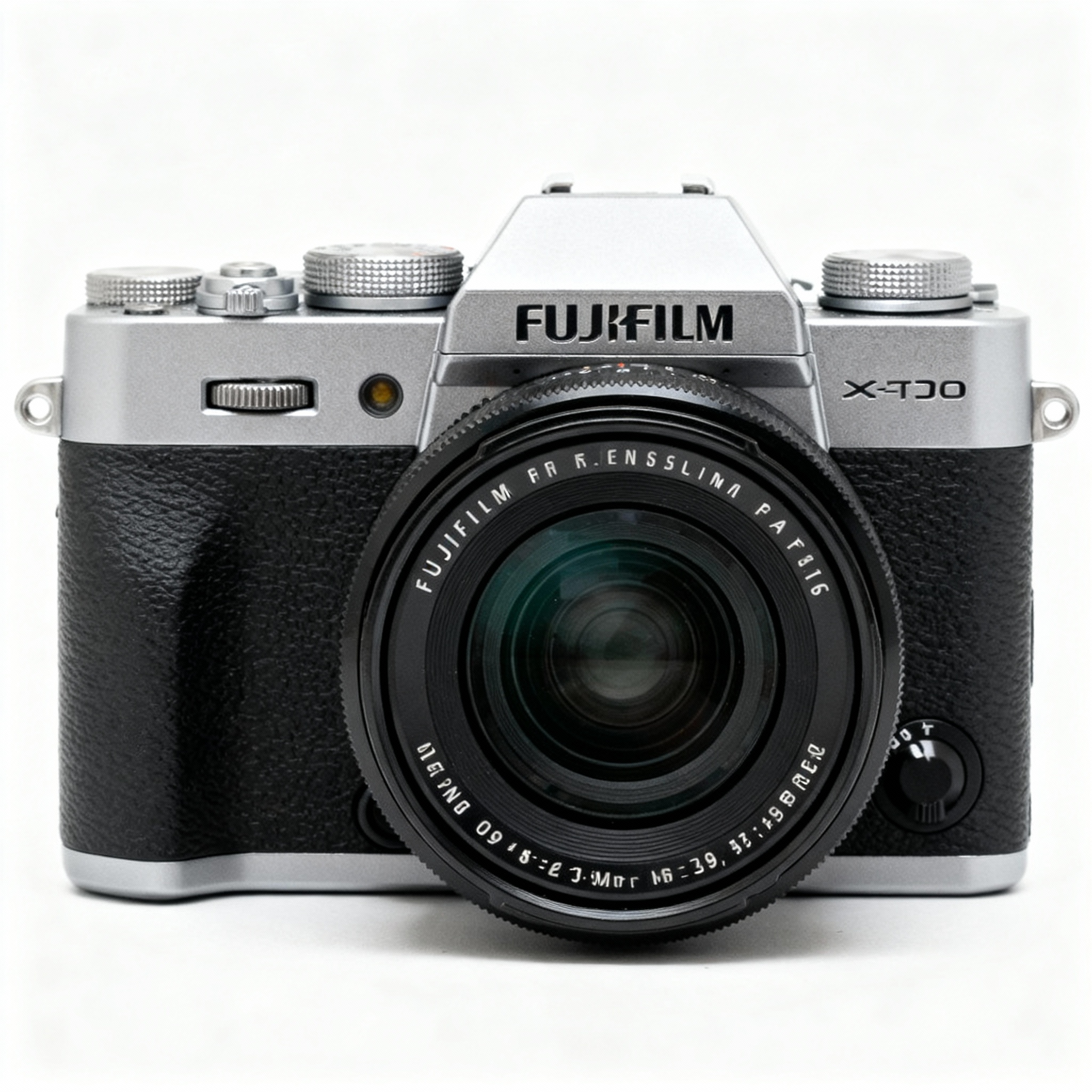
The Fujifilm X100Vi has arrived as the latest iteration in Fujifilm’s beloved compact camera series, and it’s already making waves among photography enthusiasts worldwide. After spending several months with this remarkable camera, I’m excited to share my comprehensive review of what might be the most compelling X100 series camera yet.
Building on the success of its predecessors, the X100Vi introduces significant improvements while maintaining the classic aesthetic and intuitive operation that has made this series legendary. Whether you’re a street photographer, travel enthusiast, or someone looking for a premium compact camera, this review will help you determine if the X100Vi deserves a place in your camera bag.
Design and Build Quality
Classic Aesthetics Meet Modern Engineering
The X100Vi continues Fujifilm’s tradition of combining retro styling with cutting-edge technology. The camera maintains the iconic rangefinder-inspired design that has become synonymous with the X100 series, featuring a beautifully crafted magnesium alloy body that feels substantial yet remarkably compact.
The build quality is exceptional, with weather sealing that makes it suitable for challenging conditions. The tactile controls, including the signature aperture ring and shutter speed dial, provide the satisfying mechanical feel that distinguishes Fujifilm cameras from their competitors. The grip has been subtly refined for better handling, making extended shooting sessions more comfortable.
Ergonomics and Handling
Despite its compact form factor, the X100Vi handles beautifully. The button layout is intuitive, and the customizable function buttons allow for personalized operation. The camera strikes an excellent balance between being pocketable and offering substantial grip for secure handling.
The weight distribution feels perfect, and the camera doesn’t feel front-heavy despite the fixed lens. This makes it ideal for one-handed operation when necessary, a crucial factor for street photography scenarios.
Key Specifications
| Specification | Details |
|---|---|
| Sensor | 40.2MP APS-C X-Trans CMOS 5 HR |
| Processor | X-Processor 5 |
| Lens | 23mm f/2 (35mm equivalent) |
| ISO Range | 125-12,800 (extended 64-51,200) |
| Viewfinder | Hybrid OVF/EVF, 3.69M dots |
| LCD Screen | 3.0” tilting touchscreen, 1.62M dots |
| Video | 6K/30p, 4K/60p internal recording |
| Battery Life | Approximately 450 shots |
| Weather Sealing | Yes |
| Weight | 521g (1.15 lbs) |
| Dimensions | 128 x 75 x 53mm |
Image Quality and Sensor Performance
Outstanding Resolution and Detail
The jump to 40.2 megapixels represents the most significant sensor upgrade in X100 series history. The new X-Trans CMOS 5 HR sensor delivers exceptional detail and dynamic range that rivals much larger camera systems. Fine textures, architectural details, and landscape elements are rendered with remarkable clarity.
The increased resolution also provides excellent cropping flexibility, effectively giving you multiple focal lengths from the fixed 35mm equivalent lens. You can crop to approximate 50mm or even 85mm equivalent views while maintaining excellent image quality.
Color Science and Film Simulations
Fujifilm’s legendary color science continues to impress with the X100Vi. The camera includes 20 film simulation modes, including newer additions like Reala Ace and Nostalgic Neg. These simulations produce images with character and depth that often require minimal post-processing.
The JPEG output quality is outstanding, making the camera excellent for photographers who prefer to work with straight-out-of-camera files. The film simulations aren’t just Instagram filters – they’re carefully crafted interpretations of classic film stocks that provide genuine creative value.
Low Light Performance
Despite the higher pixel count, low light performance remains impressive. The X100Vi handles ISO 3200 admirably, with ISO 6400 still producing very usable results. The in-body image stabilization, a first for the X100 series, provides up to 6 stops of compensation, dramatically expanding handheld shooting possibilities in challenging light.
Autofocus and Performance
Lightning-Fast Focus Acquisition
The X100Vi features Fujifilm’s most advanced autofocus system to date, with 425 phase-detection points covering nearly the entire frame. Focus acquisition is nearly instantaneous in good light, and the camera tracks moving subjects with impressive accuracy.
The addition of subject detection AI significantly enhances the autofocus experience. The camera can recognize and track faces, eyes, animals, vehicles, and other subjects with remarkable precision. This makes the X100Vi surprisingly capable for portrait work and even wildlife photography when you can get close enough.
Burst Shooting and Buffer Performance
With mechanical shutter speeds up to 1/4000s and electronic shutter speeds reaching 1/180,000s, the X100Vi offers excellent flexibility. The camera can shoot at up to 11fps with the mechanical shutter and up to 20fps in electronic mode.
The buffer performance is robust, handling extended burst sequences without significant slowdown. This makes the camera suitable for capturing decisive moments in street photography or documenting fast-paced events.
Video Capabilities
Professional-Grade Video Features
The X100Vi elevates video capabilities significantly, offering 6K/30p and 4K/60p internal recording. The video quality is exceptional, with excellent detail retention and Fujifilm’s signature color science translating beautifully to motion.
The addition of internal recording eliminates the need for external recorders for most applications. F-Log2 recording provides excellent flexibility in post-production, while the film simulation modes offer attractive straight-out-of-camera options for immediate use.
Practical Video Considerations
The tilting LCD screen enhances video usability, though a fully articulating screen would have been preferable for vlogging applications. The built-in stabilization works well for handheld video, though the fixed focal length requires more thoughtful composition and positioning.
User Experience and Interface
Intuitive Operation
The X100Vi maintains the straightforward, photographer-focused interface that has made the series popular. Physical controls for key settings reduce menu diving, while the customizable function buttons allow for personalized operation.
The hybrid viewfinder remains a standout feature, allowing users to switch between optical and electronic viewing modes seamlessly. The optical viewfinder provides the authentic rangefinder experience, while the EVF offers precise composition and exposure preview.
Menu System and Customization
Fujifilm has continued to refine their menu system, though it remains somewhat complex for newcomers. Once familiarized, the extensive customization options allow for highly personalized operation. The Q menu provides quick access to frequently used settings without diving into the main menu structure.
Practical Real-World Performance
Street Photography Excellence
The X100Vi excels in street photography scenarios. The compact size, silent electronic shutter, and excellent image quality make it ideal for candid photography. The 35mm equivalent focal length provides the perfect perspective for environmental portraits and documentary work.
The camera’s discrete appearance helps photographers blend into their surroundings, while the fast autofocus ensures you won’t miss decisive moments. The weather sealing provides confidence in challenging conditions, from light rain to dusty urban environments.
Travel Photography Versatility
For travel photography, the X100Vi offers an compelling combination of image quality and portability. The single lens design eliminates the need to carry multiple lenses, while the excellent image quality ensures professional results.
The improved battery life and USB-C charging add practical benefits for extended travel. The camera’s ability to produce excellent JPEG files reduces the need for extensive post-processing, making it ideal for photographers who want to share images quickly.
Pros and Cons
Advantages
- Exceptional image quality: The 40.2MP sensor delivers outstanding detail and dynamic range
- Compact and beautifully designed: Classic aesthetics with modern functionality
- Excellent build quality: Weather-sealed construction feels premium and durable
- Outstanding color science: Film simulations provide genuine creative value
- Fast and accurate autofocus: Subject detection AI enhances performance significantly
- Hybrid viewfinder: Unique combination of optical and electronic viewing options
- Strong video capabilities: 6K/30p and 4K/60p internal recording
- Image stabilization: First X100 series camera with IBIS
Limitations
- Fixed focal length: 35mm equivalent won’t suit every photographer’s needs
- Premium pricing: Significant investment compared to alternatives
- Complex menu system: Can be overwhelming for newcomers
- Limited telephoto reach: Cropping required for longer focal length equivalents
- Battery life: Could be better for extensive shooting sessions
- No fully articulating screen: Limits some video and high/low angle applications
Who Should Buy the X100Vi?
Ideal Users
The X100Vi is perfect for photographers who value image quality, build quality, and the unique shooting experience it provides. Street photographers, travel enthusiasts, and documentary photographers will find it particularly appealing.
If you appreciate the 35mm focal length and enjoy the tactile experience of traditional camera controls, the X100Vi offers an unmatched combination of features. The camera suits photographers who want a high-quality, portable system without the complexity of interchangeable lenses.
Consider Alternatives If…
If you need focal length versatility, consider the Fujifilm X-T5, which offers similar image quality with the flexibility of interchangeable lenses. The X-T5 provides access to Fujifilm’s extensive lens ecosystem while maintaining excellent portability.
For photographers who primarily shoot telephoto or require extreme wide-angle capabilities, a camera system with interchangeable lenses would be more suitable.
Comparison with Competitors
Against Previous X100 Models
The X100Vi represents the most significant upgrade in the series’ history. The resolution increase, addition of image stabilization, and enhanced video capabilities justify the evolution from previous models. The improved autofocus and subject detection make it notably more capable than earlier versions.
Market Position
In the premium compact camera segment, the X100Vi faces limited direct competition. Its unique combination of fixed lens design, hybrid viewfinder, and exceptional image quality creates a distinctive market position that few cameras can match.
Tips for Maximizing Your X100Vi Experience
Camera Settings Optimization
- Enable subject detection for improved autofocus performance
- Customize function buttons for frequently used settings
- Experiment with film simulations to find your preferred aesthetic
- Use the optical viewfinder for the authentic rangefinder experience
- Configure the Q menu for quick access to essential settings
Shooting Techniques
- Embrace the 35mm focal length and work with its perspective
- Use the silent electronic shutter for discrete shooting
- Take advantage of the excellent high ISO performance
- Experiment with the tilting screen for creative compositions
- Learn to use zone focusing for faster street photography
Accessories and Ecosystem
Essential Accessories
Consider investing in additional batteries for extended shooting sessions. A quality UV filter can protect the front element while maintaining image quality. The optional leather case provides additional protection while maintaining the camera’s classic aesthetic.
A high-quality strap enhances comfort during extended use, and extra memory cards ensure you don’t run out of storage during important shoots.
Long-Term Value and Investment
The X100Vi represents a significant investment, but its build quality, image quality, and unique character suggest strong long-term value. Fujifilm’s excellent support and regular firmware updates extend the camera’s capabilities over time.
The fixed lens design means no additional lens investments are required, making the total cost of ownership more predictable than interchangeable lens systems.
Conclusion
The Fujifilm X100Vi stands as the pinnacle of the X100 series evolution, delivering exceptional image quality, refined ergonomics, and enhanced capabilities while maintaining the classic character that has made this series legendary. The 40.2-megapixel sensor provides outstanding detail and flexibility, while the addition of image stabilization significantly expands creative possibilities.
For photographers who appreciate the 35mm focal length and value the unique shooting experience the X100Vi provides, this camera offers an unmatched combination of image quality, build quality, and user experience. The premium pricing reflects the camera’s exceptional capabilities and build quality, making it a worthwhile investment for serious photographers.
While the fixed focal length and premium pricing won’t appeal to everyone, those who embrace the X100Vi’s philosophy will find it an incredibly rewarding camera that encourages creative photography and delivers consistently excellent results.
The X100Vi succeeds in advancing the series while preserving its essential character, making it the definitive choice for photographers seeking a premium compact camera with professional capabilities. If you’re drawn to its unique combination of features and can work within its constraints, the X100Vi will likely become an indispensable creative tool that provides years of photographic satisfaction.
Related Tags
Looking for the Best Camera Deals?
Check out our latest buying guides and comparison articles to find the perfect camera for your needs.
Browse Buying Guides