
Golden Hour Photography: Best Tips and Camera Settings Guide
Master golden hour photography with expert tips on timing, camera settings, and composition techniques. Learn ISO, aperture, and shutter secrets for stunning shots.
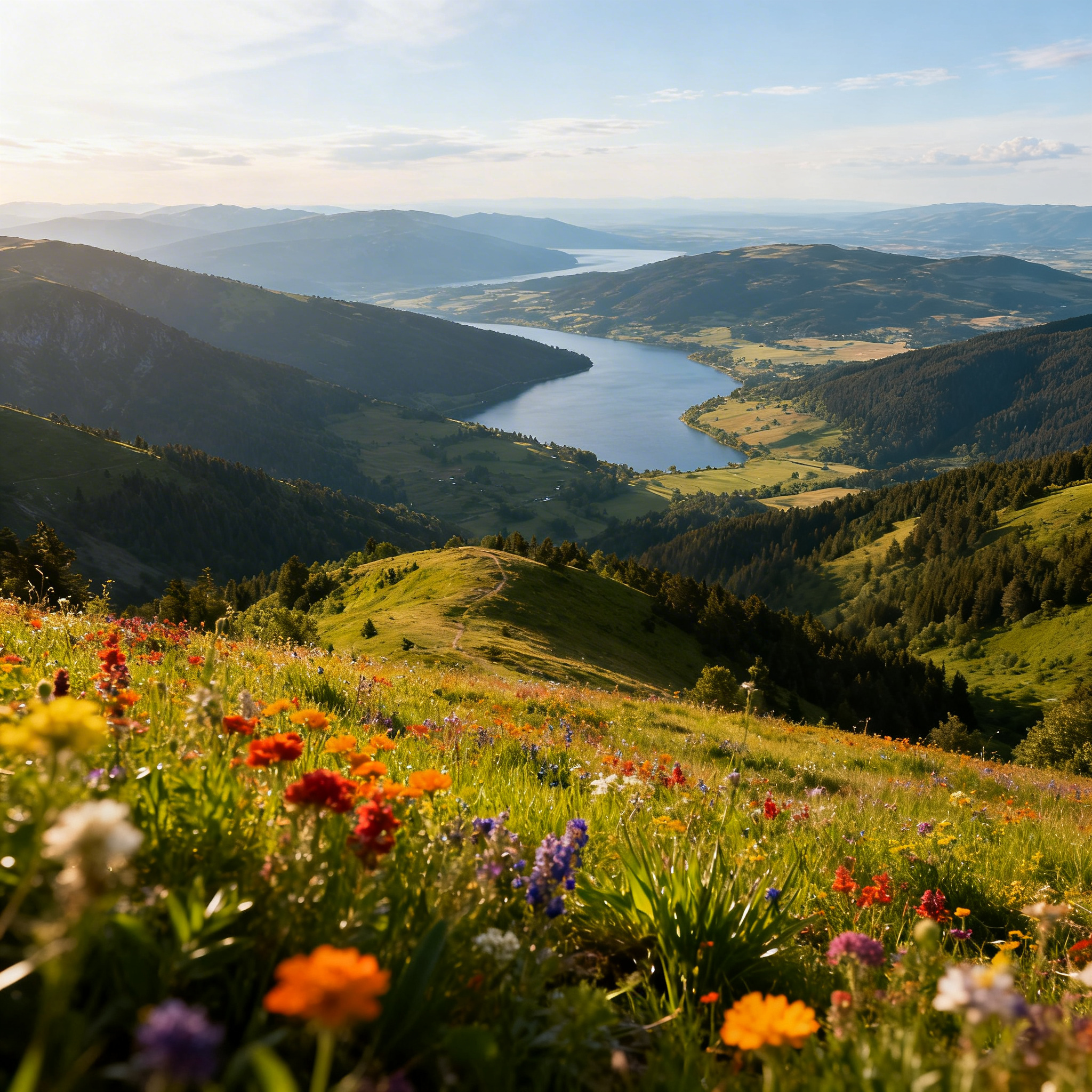
Golden hour photography represents one of the most magical opportunities for photographers to capture stunning, warm, and ethereally lit images. This coveted time period, occurring shortly after sunrise and before sunset, offers soft, diffused lighting that transforms ordinary scenes into extraordinary photographs. Whether you’re a beginner looking to improve your skills or an experienced photographer seeking to perfect your golden hour technique, this comprehensive guide will provide you with the essential knowledge, camera settings, and practical tips to master this beautiful art form.
Understanding Golden Hour: The Science Behind the Magic
Golden hour occurs when the sun sits low on the horizon, typically within the first hour after sunrise and the last hour before sunset. During this time, sunlight travels through more of Earth’s atmosphere, scattering blue light wavelengths while allowing warm reds, oranges, and yellows to dominate the scene.
This natural phenomenon creates several photographic advantages:
- Soft, even lighting that reduces harsh shadows
- Warm color temperatures ranging from 2500K to 3500K
- Natural rim lighting and backlighting opportunities
- Enhanced atmospheric conditions that add depth and mood
Timing Your Golden Hour Sessions
The exact timing of golden hour varies significantly based on your geographic location, season, and local weather conditions. Several mobile apps and websites can help you calculate precise golden hour times:
- PhotoPills
- Golden Hour Calculator
- Sun Surveyor
- The Photographer’s Ephemeris
Plan to arrive at your shooting location at least 30 minutes before the calculated golden hour begins. This preparation time allows you to scout compositions, set up your equipment, and be ready when the light reaches its peak quality.
Essential Camera Settings for Golden Hour Photography
Manual Mode: Taking Full Control
While aperture priority mode can work for golden hour photography, manual mode gives you complete control over your exposure triangle. The rapidly changing light conditions during golden hour require frequent adjustments, and manual mode prevents your camera’s meter from being confused by the dramatic lighting variations.
ISO Settings: Balancing Quality and Flexibility
Start with your camera’s base ISO (typically 100 or 200) to maintain maximum image quality and dynamic range. As the light diminishes, gradually increase ISO values:
- Early golden hour: ISO 100-200
- Mid golden hour: ISO 200-400
- Late golden hour: ISO 400-800
- Blue hour transition: ISO 800-1600
Modern cameras like the Sony A7 IV offer excellent high-ISO performance, allowing you to push these values higher while maintaining acceptable noise levels.
Aperture Selection: Balancing Depth and Sharpness
Your aperture choice depends heavily on your creative vision and subject matter:
For Landscapes:
- f/8 to f/11 for maximum sharpness across the frame
- f/5.6 for slightly shallower depth of field while maintaining foreground-to-background sharpness
For Portraits:
- f/1.4 to f/2.8 for beautiful background blur and subject isolation
- f/4 to f/5.6 for small group portraits requiring more depth of field
For Wildlife:
- f/4 to f/5.6 for adequate shutter speeds while maintaining subject sharpness
Shutter Speed Strategies
Golden hour lighting changes rapidly, requiring careful attention to shutter speed selection:
- Static subjects: Use your lens’s focal length rule (1/focal length) as a minimum handheld speed
- Moving subjects: Increase shutter speed to 1/500s or faster to freeze motion
- Intentional camera movement: Experiment with slower speeds (1/15s to 1/60s) for creative blur effects
White Balance Considerations for Golden Hour
Custom White Balance vs. Auto Settings
While auto white balance has improved significantly in modern cameras, golden hour lighting can still confuse automatic systems. Consider these approaches:
Daylight White Balance (5500K):
- Preserves the natural warm tones of golden hour
- Recommended for most golden hour scenarios
- Maintains the emotional impact of warm lighting
Custom White Balance:
- Use a gray card or neutral surface during golden hour
- Provides technically accurate color reproduction
- May reduce the warm, magical feeling of golden hour light
Shoot RAW for Maximum Flexibility:
- Allows complete white balance adjustment in post-processing
- Provides the ability to fine-tune color temperature and tint
- Offers recovery options for challenging exposure situations
Composition Techniques for Golden Hour Photography
Backlighting and Rim Lighting
Position your subjects between your camera and the sun to create stunning rim lighting effects. This technique works exceptionally well for:
- Portrait photography with natural hair lighting
- Tree silhouettes with glowing edges
- Architecture with dramatic outline definition
Silhouette Photography
Golden hour provides perfect conditions for creating compelling silhouettes:
- Meter for the bright background (sky)
- Underexpose your subject by 2-3 stops
- Focus on creating strong, recognizable shapes
- Avoid overlapping elements that could confuse the silhouette
Side Lighting for Texture and Dimension
Position yourself perpendicular to the sun’s direction to emphasize texture and create three-dimensional depth in your images. This technique works particularly well for:
- Landscape photography highlighting terrain features
- Architectural photography emphasizing building details
- Portrait photography creating natural shadow patterns
Advanced Golden Hour Techniques
Exposure Bracketing and HDR
Golden hour scenes often contain extreme dynamic range, with bright skies and darker foregrounds. Implement these techniques:
Manual Bracketing:
- Take your base exposure
- Capture additional frames at -2, -1, +1, and +2 stops
- Blend exposures manually in post-processing for natural results
Auto Bracketing:
- Use your camera’s built-in HDR bracketing feature
- Set to 3 or 5-frame brackets with 1-2 stop intervals
- Process using HDR software like Photomatix or Aurora HDR
Focus Stacking for Landscapes
When shooting landscapes at wide apertures for creative effect, focus stacking ensures sharp detail throughout the frame:
- Set your camera to manual focus
- Take multiple images, adjusting focus from foreground to background
- Blend images in post-processing using software like Helicon Focus or Photoshop
Graduated Neutral Density Filters
These filters help balance exposure between bright skies and darker foregrounds:
- Soft-edge graduates: For scenes with irregular horizons (mountains, trees)
- Hard-edge graduates: For scenes with defined, straight horizons (seascapes)
- Reverse graduates: For situations where the horizon is brightest
Portrait Photography During Golden Hour
Positioning Your Subject
The direction of golden hour light dramatically affects portrait mood and quality:
Front Lighting:
- Creates even, flattering illumination
- Minimizes shadows for a clean look
- Best for traditional portrait styles
Side Lighting:
- Adds drama and dimension
- Creates natural shadow patterns
- Emphasizes facial structure and texture
Back Lighting:
- Produces natural rim lighting around hair and shoulders
- Creates a dreamy, ethereal mood
- Requires careful exposure to avoid underexposed faces
Using Reflectors and Fill Light
Golden hour’s warm, directional light often benefits from subtle fill lighting:
- Gold reflectors: Enhance the warm golden hour mood
- Silver reflectors: Provide neutral fill light
- White reflectors: Offer soft, natural-looking fill
- LED panels: Consistent fill light that won’t affect white balance
Landscape Photography in Golden Hour
Scouting and Planning
Successful golden hour landscape photography requires careful preparation:
- Research locations using Google Earth and photography websites
- Visit during midday to identify compositions and potential obstacles
- Check weather forecasts for cloud conditions that enhance golden hour light
- Plan arrival time to allow setup before optimal lighting begins
Foreground, Middle Ground, and Background
Create depth in your golden hour landscapes by incorporating multiple visual layers:
- Foreground elements: Rocks, flowers, or interesting textures
- Middle ground features: Hills, trees, or architectural elements
- Background subjects: Mountains, sky, or distant landmarks
Working with Golden Hour Reflections
Water features become spectacular during golden hour:
- Still water: Creates perfect mirror reflections of golden light
- Moving water: Use longer exposures to smooth water while maintaining golden colors
- Wet surfaces: Rocks, sand, and pavement reflect golden light beautifully
Post-Processing Golden Hour Images
RAW Processing Fundamentals
Golden hour images benefit from careful RAW processing:
Exposure Adjustments:
- Slight overexposure often works well for golden hour scenes
- Recover highlights while maintaining warm color saturation
- Use graduated adjustments for skies when necessary
Color Temperature Fine-Tuning:
- Start with daylight white balance (5500K)
- Adjust warmer (3500-4500K) to enhance golden tones
- Use tint adjustments to perfect color balance
Highlight and Shadow Recovery:
- Pull down highlights to recover sky detail
- Lift shadows carefully to avoid introducing noise
- Use masking to apply adjustments selectively
Enhancing Golden Hour Colors
Vibrance vs. Saturation:
- Use vibrance to enhance colors naturally without oversaturation
- Apply saturation sparingly to avoid unnatural color shifts
- Consider luminance masking for precise color control
Selective Color Adjustments:
- Enhance oranges and yellows in the color mixer
- Reduce cyan and blue saturation for warmer overall tone
- Fine-tune individual color ranges for optimal results
Common Golden Hour Photography Challenges and Solutions
Dealing with Lens Flare
Golden hour’s direct sunlight often causes lens flare:
Prevention Techniques:
- Use a lens hood appropriate for your focal length
- Position yourself to block direct sunlight with landscape features
- Clean your lens thoroughly before shooting
Creative Use of Flare:
- Include sun stars by using small apertures (f/16-f/22)
- Position flare elements to enhance rather than distract from your composition
- Use flare to create mood and atmosphere when appropriate
Managing Extreme Contrast
Golden hour scenes often exceed your camera’s dynamic range:
Exposure Strategies:
- Expose for highlights and lift shadows in post-processing
- Use graduated neutral density filters to balance exposure
- Consider focus stacking multiple exposures for optimal results
Wind and Movement
Golden hour often coincides with breezy conditions:
Stabilization Solutions:
- Use a sturdy tripod with appropriate weight rating
- Hang your camera bag from the tripod center column for added stability
- Increase ISO and shutter speed when necessary to freeze movement
Equipment Recommendations for Golden Hour Photography
Camera Body Features
Modern mirrorless cameras excel in golden hour conditions:
The Sony A7 IV offers excellent performance for golden hour photography with its high dynamic range sensor, exceptional high-ISO performance, and advanced exposure tools.
Key Features to Consider:
- High dynamic range sensors for challenging lighting
- Good high-ISO performance for darker golden hour conditions
- In-body image stabilization for handheld shooting
- Weather sealing for outdoor shooting conditions
Lens Selection for Golden Hour
Wide-Angle Lenses (14-35mm):
- Perfect for expansive landscape compositions
- Allow inclusion of foreground elements for depth
- Can capture dramatic sky conditions effectively
Standard Lenses (35-85mm):
- Natural perspective similar to human vision
- Excellent for environmental portraits
- Versatile for various golden hour subjects
Telephoto Lenses (85-200mm+):
- Compress perspective for dramatic landscape effects
- Isolate subjects against golden hour backgrounds
- Excellent for wildlife photography in golden light
Planning Your Golden Hour Photography Sessions
Weather Considerations
Different weather conditions create varying golden hour effects:
Clear Skies:
- Produce consistent, predictable golden light
- Create strong directional lighting
- May lack dramatic sky interest
Partly Cloudy:
- Often provide the most spectacular golden hour conditions
- Create dynamic sky compositions
- May produce dramatic light rays and god beams
Overcast Conditions:
- Diffuse golden light for even illumination
- Reduce contrast for easier exposure management
- May lack the warm color temperature associated with golden hour
Safety Considerations
Golden hour photography often involves outdoor locations during transitional lighting:
- Inform someone of your planned location and return time
- Carry appropriate lighting for return navigation
- Dress appropriately for temperature changes after sunset
- Bring extra batteries as cold weather reduces battery life
Advanced Creative Techniques
Multiple Exposure Techniques
Create artistic golden hour images using in-camera multiple exposures:
- Set your camera to multiple exposure mode
- Choose 2-4 exposures depending on your creative vision
- Vary focus points or zoom settings between exposures
- Experiment with different blend modes
Intentional Camera Movement
Golden hour’s warm colors lend themselves beautifully to ICM techniques:
- Use shutter speeds between 1/15s and 1s
- Move camera in smooth, deliberate motions
- Try vertical pans for tree subjects
- Experiment with circular movements for abstract effects
Long Exposure Golden Hour
Combine golden hour lighting with long exposure techniques:
- Use neutral density filters to extend exposure times
- Capture cloud movement across golden skies
- Smooth water surfaces while maintaining golden reflections
- Create light trails from moving subjects
Conclusion and Key Takeaways
Golden hour photography offers unlimited creative opportunities for photographers willing to invest time in planning, preparation, and practice. The key to success lies in understanding the unique characteristics of golden hour light and adapting your technique accordingly.
Essential Recommendations:
- Master your camera settings before arriving at your location, focusing on manual mode operation and quick adjustment techniques
- Plan thoroughly using apps and weather forecasts to maximize your chances of spectacular lighting conditions
- Arrive early to scout compositions and set up equipment before optimal lighting begins
- Experiment with different lighting directions to understand how front, side, and backlighting affect your subjects
- Invest in quality equipment like the Sony A7 IV that can handle challenging lighting conditions with excellent dynamic range and high-ISO performance
- Practice post-processing techniques specific to golden hour images, focusing on highlight recovery and color enhancement
- Embrace the challenges of rapidly changing light conditions as opportunities for creative growth
Remember that golden hour photography is as much about patience and persistence as it is about technical skill. Some of the most memorable golden hour images come from photographers who waited for the perfect moment when light, weather, and composition aligned perfectly. Keep practicing, stay prepared, and most importantly, enjoy the magical quality of light that makes golden hour photography so rewarding.
The investment in time and effort required for golden hour photography pays dividends in the form of images with exceptional mood, color, and emotional impact that simply cannot be replicated during any other time of day. Whether you’re capturing landscapes, portraits, or street photography, golden hour light will elevate your images and provide endless inspiration for creative expression.
Related Tags
Looking for the Best Camera Deals?
Check out our latest buying guides and comparison articles to find the perfect camera for your needs.
Browse Buying Guides