
Golden Hour Photography Tips: Camera Settings & Techniques
Master golden hour photography with expert tips on camera settings, composition techniques, and timing. Learn how to capture stunning warm light photos.
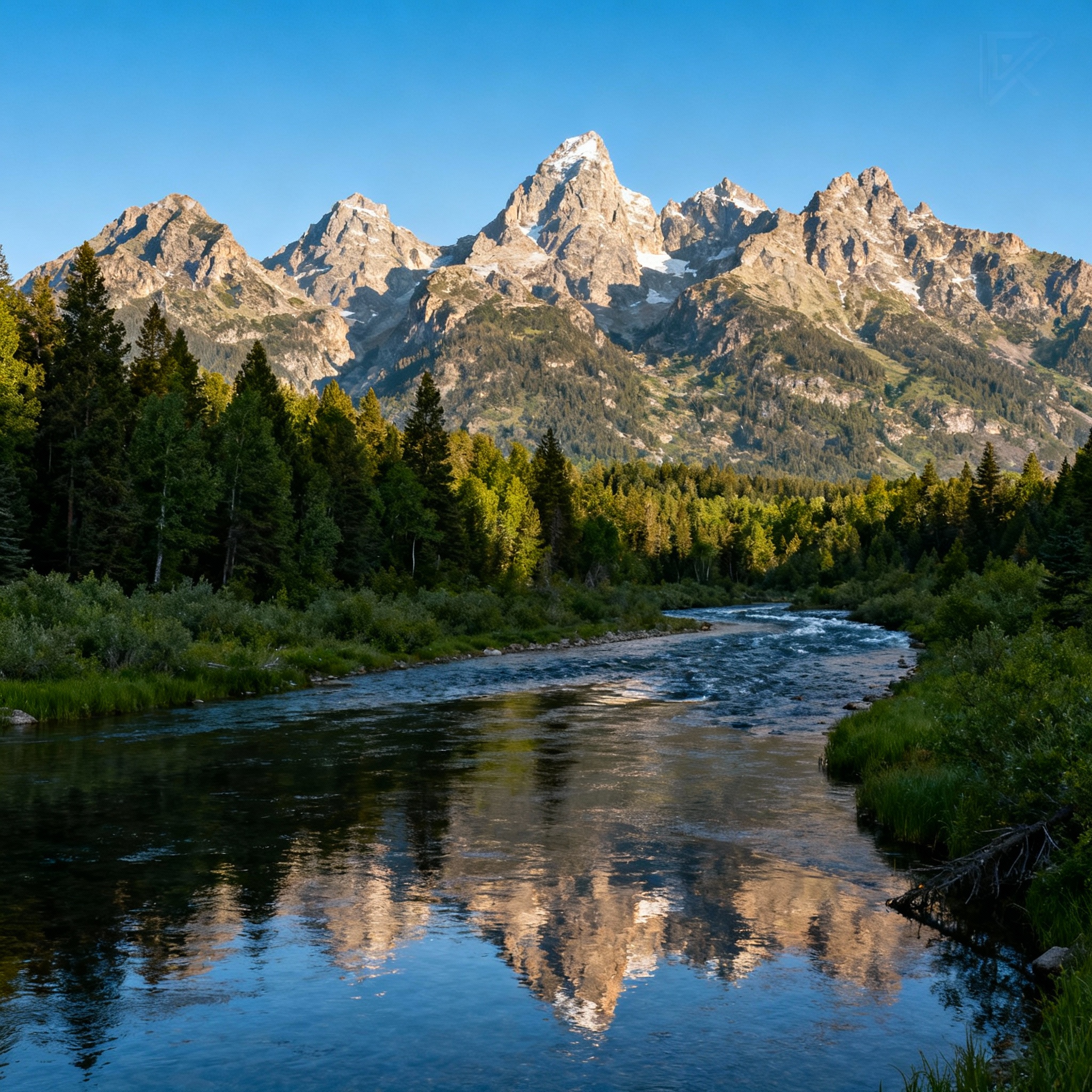
What is Golden Hour Photography?
Golden hour photography refers to capturing images during the brief period shortly after sunrise or before sunset when the sun sits low on the horizon. During this magical time, natural light takes on a warm, golden quality that transforms ordinary scenes into extraordinary photographs. The light is softer, more diffused, and creates longer shadows that add depth and dimension to your images.
This coveted lighting condition occurs twice daily and typically lasts between 20 minutes to an hour, depending on your geographic location and the season. The sun’s low angle filters through more atmospheric particles, reducing harsh shadows and creating that signature warm glow that photographers worldwide chase.
Why Golden Hour Creates Stunning Images
The appeal of golden hour photography lies in the unique characteristics of natural light during this time. Unlike harsh midday sun that creates unflattering shadows and overexposed highlights, golden hour light wraps around subjects beautifully, providing natural fill light that’s incredibly flattering for portraits and landscapes alike.
The warm color temperature, typically ranging from 2500K to 3500K, adds emotional warmth to photographs that’s difficult to replicate artificially. This natural color grading enhances skin tones, makes landscapes glow, and creates a cinematic quality that viewers find inherently appealing.
Additionally, the sun’s low angle creates opportunities for creative techniques like backlighting, rim lighting, and silhouettes that are challenging to achieve during other times of day. The extended shadows add texture and depth, while the softer light reduces the dynamic range between highlights and shadows, making exposure easier to manage.
Essential Camera Settings for Golden Hour Photography
Manual Mode Fundamentals
Shooting in manual mode gives you complete control over your exposure during golden hour. Start with these baseline settings and adjust based on your specific scene:
Aperture: Begin with f/5.6 to f/8 for landscapes to ensure adequate depth of field while maintaining sharpness. For portraits, consider f/2.8 to f/4 for pleasant background blur while keeping your subject sharp.
ISO: Keep ISO as low as possible, typically between 100-400, to maintain image quality and minimize noise. Golden hour light is softer but still provides sufficient illumination for low ISO shooting.
Shutter Speed: Start with 1/125s for handheld shots with static subjects. Adjust faster for moving subjects or slower if using a tripod for landscapes.
Aperture Priority as an Alternative
If manual mode feels overwhelming, aperture priority (A/Av mode) offers excellent results during golden hour. Set your desired aperture based on your creative vision, and let the camera calculate shutter speed. Use exposure compensation (+/- EV) to fine-tune brightness as lighting conditions change rapidly during this period.
White Balance Considerations
While auto white balance often works well during golden hour, consider using “Daylight” or “Shade” presets to preserve the warm tones. Shooting in RAW format allows you to adjust white balance in post-processing without quality loss, giving you maximum flexibility.
Step-by-Step Golden Hour Photography Workflow
Step 1: Plan Your Shoot
Research your location using apps like PhotoPills or Sun Surveyor to determine exact sunrise and sunset times. Arrive at least 30 minutes early to scout compositions and set up equipment while light levels are still comfortable for navigation.
Check weather forecasts for cloud cover – some clouds can enhance golden hour light by acting as natural diffusers and reflectors, while overcast skies may eliminate the golden hour effect entirely.
Step 2: Equipment Setup
Mount your camera on a sturdy tripod, especially for landscape photography. As light levels drop, you’ll need slower shutter speeds, making camera shake a significant concern. A reliable tripod ensures sharp images throughout the session.
If shooting portraits, consider using a reflector to bounce golden light back onto your subject’s face, filling in shadows for more even illumination. A simple collapsible reflector can dramatically improve your results.
Step 3: Initial Camera Configuration
Set your camera to shoot in RAW format for maximum post-processing flexibility. Configure your LCD brightness to a medium setting – overly bright screens can make properly exposed images appear too dark, leading to overexposure.
Enable histogram display to monitor exposure accurately. During golden hour, trust your histogram over your LCD screen, as the warm ambient light can make screen viewing unreliable.
Step 4: Composition and Focus
Use the rule of thirds to position key elements like the horizon or your main subject. During golden hour, foreground elements become particularly important as they’re beautifully lit and help create depth in your compositions.
Switch to single-point autofocus and place your focus point precisely on your main subject. If shooting landscapes, focus about one-third into the scene to maximize depth of field, or use hyperfocal distance focusing for maximum sharpness throughout the frame.
Step 5: Exposure Fine-Tuning
Start with your baseline settings and take a test shot. Check the histogram to ensure you’re not clipping highlights or shadows. During golden hour, you typically want to expose to the right (ETTR) – push the exposure as bright as possible without clipping highlights to capture maximum detail in shadow areas.
Use spot metering or center-weighted metering for more precise exposure control, especially when dealing with challenging lighting conditions like backlighting.
Advanced Camera Settings and Techniques
Shooting in RAW vs JPEG
Always shoot in RAW format during golden hour. The significant color temperature variations and subtle tonal gradations benefit enormously from RAW’s extended dynamic range and color depth. RAW files contain approximately 14 bits of color information compared to JPEG’s 8 bits, providing much greater flexibility in post-processing.
Focus Stacking for Landscapes
When shooting landscapes with close foreground elements during golden hour, consider focus stacking. Take multiple images at different focus points and blend them in post-processing for front-to-back sharpness that’s impossible to achieve with a single exposure.
Bracketing for HDR
Golden hour scenes often have a wide dynamic range between bright skies and darker foreground elements. Use exposure bracketing to capture 3-5 images at different exposures, then blend them using HDR software for balanced exposure throughout the frame.
Gear Recommendations for Golden Hour Photography
Camera Bodies
The Sony A7 IV excels in golden hour conditions with its excellent dynamic range and low-light performance. Its 33-megapixel sensor captures stunning detail while maintaining clean images at higher ISOs when light levels drop.
| Specification | Sony A7 IV |
|---|---|
| Sensor | 33MP Full-Frame CMOS |
| Dynamic Range | 15+ stops |
| ISO Range | 100-51,200 (expandable to 204,800) |
| Stabilization | 5-axis in-body |
| Weather Sealing | Yes |
| Battery Life | 520 shots |
The camera’s advanced metering system handles challenging golden hour lighting conditions exceptionally well, while the high-resolution EVF makes composition easy even in bright backlighting situations.
Essential Lenses
For landscapes, a 16-35mm wide-angle lens captures sweeping vistas and allows you to include foreground elements that benefit from golden hour lighting. The wide angle also helps when working in tight spaces or when you want to emphasize dramatic skies.
Portrait photographers should consider an 85mm or 135mm lens for beautiful background compression and natural subject isolation. These focal lengths allow you to position yourself at a comfortable distance while creating intimate portraits with creamy background bokeh.
Support Equipment
A sturdy carbon fiber tripod becomes essential as light levels drop during golden hour. Look for tripods that can support at least twice your camera and lens weight for maximum stability.
Circular polarizing filters help manage reflections and can enhance sky contrast during golden hour. However, use them judiciously as they can sometimes reduce the warm light that makes golden hour so appealing.
Creative Techniques for Golden Hour Photography
Backlighting and Silhouettes
Position your subject between your camera and the sun to create dramatic backlighting effects. For silhouettes, meter for the bright sky and let your subject fall into shadow. For rim lighting, expose for your subject and let the background slightly overexpose to create a natural halo effect.
Lens Flare as a Creative Element
Embrace controlled lens flare during golden hour by shooting directly toward the sun. Use your hand or a lens hood to control flare intensity, and experiment with different angles to create appealing flare patterns. Slightly stopping down your aperture to f/11 or f/16 can create attractive sunstars.
Reflection Photography
Golden hour light creates stunning reflections in water bodies, windows, and other reflective surfaces. Look for puddles, lakes, or even car mirrors to incorporate these golden reflections into your compositions. The key is finding still water for mirror-like reflections or gentle movement for more abstract effects.
Location Scouting and Planning
Urban vs. Natural Environments
Urban environments offer unique golden hour opportunities with light reflecting off buildings and filtering through structures. Scout locations during midday to understand how light will interact with architecture during golden hour. Look for streets that align with sunrise or sunset directions for dramatic urban canyon lighting.
Natural environments provide classic golden hour opportunities with unobstructed horizons and varied textures that catch and reflect warm light beautifully. Mountains, beaches, forests, and open fields each offer distinct golden hour characteristics worth exploring.
Seasonal Considerations
Winter golden hours last longer due to the sun’s lower angle but occur earlier and later, requiring more planning around daylight availability. Summer golden hours are shorter but occur at more convenient times for photography sessions.
Spring and fall often provide ideal golden hour conditions with moderate temperatures and interesting atmospheric conditions that enhance the golden light quality.
Common Challenges and Solutions
Rapidly Changing Light
Golden hour light changes quickly, sometimes making your initial exposure settings obsolete within minutes. Combat this by shooting in aperture priority mode when conditions change rapidly, allowing the camera to adjust shutter speed automatically while you maintain creative control over depth of field.
Extreme Dynamic Range
When the sun appears in your frame, dynamic range can exceed your camera’s capabilities. Use graduated neutral density filters to balance exposure between bright skies and darker foregrounds, or plan to blend multiple exposures in post-processing.
Focus Challenges in Low Light
As golden hour progresses into blue hour, autofocus performance may suffer. Switch to manual focus using your camera’s focus magnification feature, or use a bright flashlight to provide autofocus assistance, then turn it off before shooting.
Post-Processing Golden Hour Images
RAW Processing Fundamentals
Start with basic adjustments in your RAW processor. Slightly increase exposure if you used ETTR technique, then bring down highlights and lift shadows to reveal detail throughout the tonal range. Golden hour images rarely need dramatic processing – the natural light is already beautiful.
Color Grading Techniques
Enhance the golden hour mood through subtle color grading. Warm up highlights slightly while keeping shadows neutral or slightly cool for color contrast. Use luminosity masks to selectively adjust different tonal ranges without affecting the entire image.
Selective Adjustments
Use radial filters or masking tools to selectively enhance golden hour effects. You might brighten your main subject, enhance the golden glow in specific areas, or darken edges to create natural vignetting that draws attention to your focal point.
Safety and Practical Considerations
Protecting Your Vision
Never look directly at the sun through your camera’s optical viewfinder, as this can cause serious eye damage. Use live view or an electronic viewfinder when composing shots that include the sun. Take regular breaks to rest your eyes, especially during extended golden hour sessions.
Equipment Protection
Golden hour often occurs in challenging environments with dew, moisture, or dust. Use lens hoods to protect your front element and consider weather-sealed camera bodies and lenses for demanding conditions. Bring lens cleaning cloths and keep spare batteries warm in cold conditions.
Location Safety
Scout locations during daylight to identify potential hazards like uneven terrain, tides, or restricted areas. Bring appropriate safety gear including flashlights, first aid supplies, and communication devices, especially for remote locations.
Developing Your Golden Hour Photography Style
Experimentation and Practice
Golden hour provides countless creative opportunities, so don’t limit yourself to conventional approaches. Try shooting into the sun for dramatic flare effects, use foreground elements as natural frames, or experiment with long exposures to capture cloud movement during the golden hour period.
Building a Portfolio
Document different types of golden hour conditions – clear skies, scattered clouds, stormy weather, and various seasons all produce distinct golden hour characteristics. This variety will strengthen your portfolio and improve your ability to adapt to any golden hour situation.
Continuous Learning
Study the work of accomplished golden hour photographers and analyze what makes their images successful. Pay attention to composition choices, timing, and post-processing techniques that enhance the natural beauty of golden hour light.
Conclusion and Final Recommendations
Golden hour photography represents one of the most rewarding and accessible forms of natural light photography. Success comes from understanding that golden hour isn’t just about warm light – it’s about recognizing how that light interacts with your subjects and environments to create compelling images.
The technical aspects are straightforward: shoot in manual or aperture priority mode, keep ISO low, and use a tripod when light levels drop. More importantly, develop your eye for recognizing how golden hour light transforms ordinary scenes into extraordinary photographs.
Investment in quality equipment like the Sony A7 IV will enhance your golden hour capabilities, but remember that the most crucial element is your presence during these fleeting moments. The best golden hour photographers are those who consistently show up, prepared and ready to capture the magic when it happens.
Start by mastering basic golden hour techniques in easily accessible locations, then gradually challenge yourself with more complex scenes and creative approaches. With practice and patience, you’ll develop an intuitive understanding of how to harness golden hour light for consistently stunning results.
Remember that every golden hour is unique – embrace the variations rather than trying to replicate specific looks. The unpredictability of natural light during these periods often produces the most memorable and impactful images. Keep experimenting, stay prepared, and let the golden hour guide your creative vision.
Related Tags
Looking for the Best Camera Deals?
Check out our latest buying guides and comparison articles to find the perfect camera for your needs.
Browse Buying Guides