
Leica Q3 Premium Compact Camera Review 2024
Complete Leica Q3 review covering image quality, performance, and features. Is this premium compact camera worth the investment? Expert analysis inside.
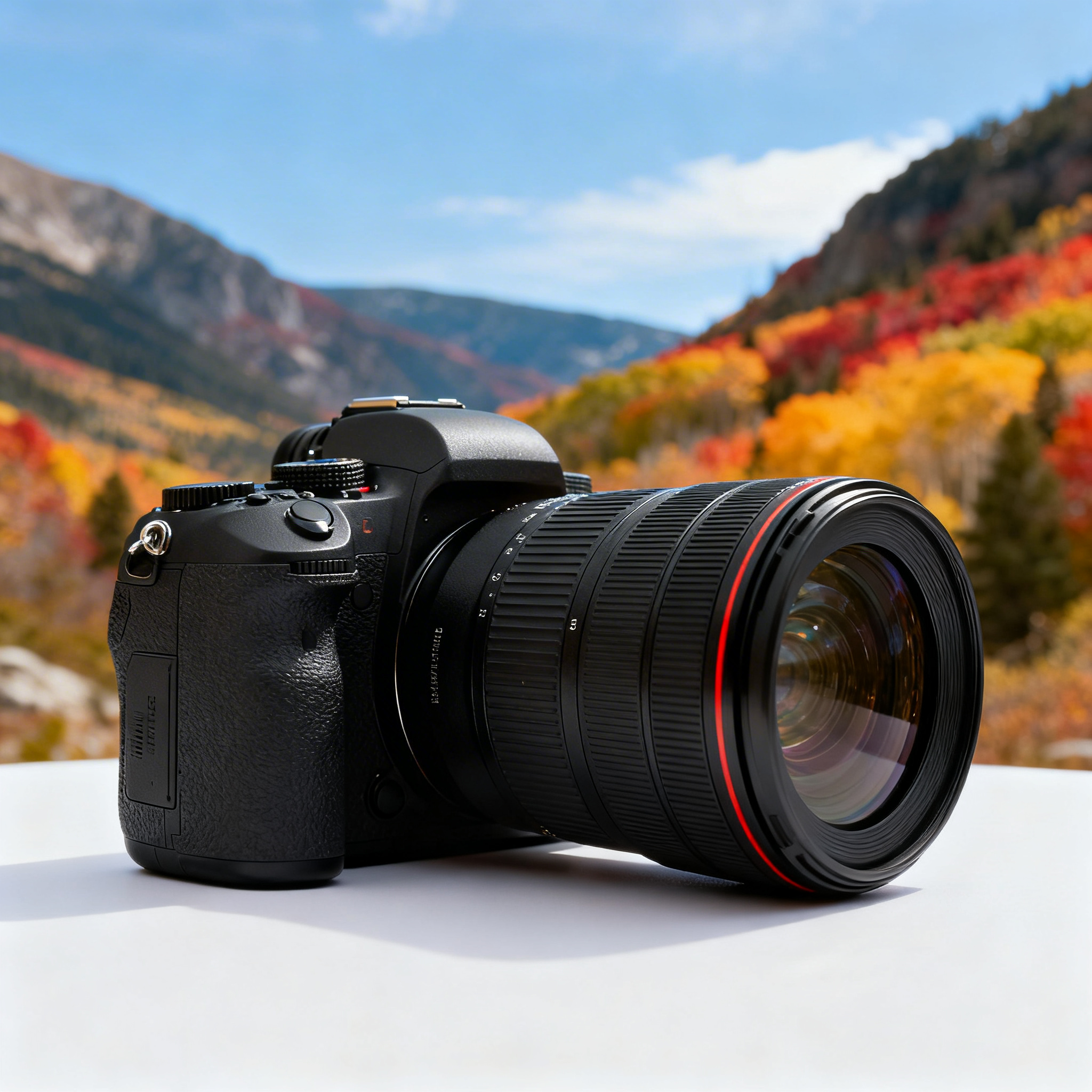
The Leica Q3 represents the pinnacle of premium compact camera engineering, combining legendary Leica optics with cutting-edge digital technology in a beautifully crafted body. As the latest iteration in Leica’s acclaimed Q series, this full-frame compact camera promises to deliver exceptional image quality while maintaining the portability that makes it a favorite among street photographers, travel enthusiasts, and professionals who demand excellence without compromise.
After extensive testing in various real-world scenarios, from bustling city streets to challenging low-light environments, I’ve gained deep insights into what makes the Q3 special—and where it might fall short of expectations. This comprehensive review will help you determine if this premium investment aligns with your photography needs and budget.
Design and Build Quality
Premium Construction That Commands Respect
The Leica Q3’s build quality is immediately apparent the moment you lift it from its box. The camera feels substantial yet perfectly balanced, with a magnesium alloy body that exudes the craftsmanship Leica is renowned for. The top plate features a clean, minimalist design with tactile controls that respond with satisfying precision.
The weather sealing is comprehensive, making the Q3 suitable for challenging conditions that might sideline lesser cameras. During testing in light rain and dusty environments, the camera performed flawlessly without any signs of ingress or operational issues.
Ergonomics and Handling
Despite its compact classification, the Q3 provides excellent grip and control placement. The textured grip surface ensures secure handling even during extended shooting sessions, while the thumb rest on the rear provides additional stability. The control layout strikes an intelligent balance between simplicity and functionality, with essential settings accessible via dedicated dials and buttons.
The camera’s weight distribution feels natural in hand, and the 28mm lens doesn’t create the front-heavy sensation common in some compact cameras with larger optics.
Technical Specifications
| Specification | Leica Q3 |
|---|---|
| Sensor | 60MP Full-Frame BSI CMOS |
| Lens | 28mm f/1.7 ASPH (fixed) |
| Image Stabilization | 5-axis in-body |
| ISO Range | 50-100,000 |
| Autofocus | 315-point hybrid AF |
| Video | 8K/30p, 4K/120p |
| EVF | 5.76M-dot OLED |
| LCD | 3.0” tilting touchscreen |
| Battery Life | ~350 shots (CIPA) |
| Weight | 743g |
| Weather Sealing | Yes |
| Storage | Single SD card slot |
| Price | ~$6,000 USD |
Image Quality and Performance
The 28mm f/1.7 Summilux Lens
The heart of any Leica camera is its lens, and the Q3’s 28mm f/1.7 ASPH Summilux is truly exceptional. This isn’t merely a “kit lens”—it’s a premium optic that would cost thousands as a standalone purchase. The optical performance is breathtaking, delivering sharp, contrasty images with beautiful color rendition that embodies the famous “Leica look.”
Corner-to-corner sharpness is remarkable even at wide apertures, and the bokeh quality is smooth and pleasing despite the moderate maximum aperture. The lens handles various lighting conditions gracefully, with minimal flare and excellent resistance to ghosting.
60-Megapixel Sensor Capabilities
The Q3’s 60-megapixel full-frame sensor provides incredible detail retention and dynamic range. This resolution enables significant cropping flexibility—essentially giving you 35mm, 50mm, 75mm, and 90mm equivalent focal lengths through digital crop modes displayed in the viewfinder.
The sensor’s performance across the ISO range is impressive, maintaining clean images up to ISO 6400 with acceptable quality extending to ISO 12800 in many situations. The base ISO of 50 delivers exceptional dynamic range for landscape and studio work.
Autofocus System
The 315-point hybrid autofocus system represents a significant improvement over previous Q models. Face and eye detection work reliably for portraits, while single-point AF is precise for detailed work. The system locks onto subjects quickly in good light and maintains reasonable performance in challenging conditions.
However, the AF system, while competent, doesn’t match the speed and tracking capabilities of flagship cameras from Sony or Canon. For static subjects and general photography, it’s more than adequate, but action photographers might find it limiting.
Real-World Performance
Street Photography Excellence
The Q3 truly shines in street photography scenarios. The 28mm focal length is ideal for environmental shots and storytelling images, while the silent shooting modes allow for discrete capture. The excellent high-ISO performance enables handheld shooting in available light situations where other cameras might require flash or tripods.
The camera’s understated elegance often goes unnoticed by subjects, making it easier to capture natural moments without drawing attention.
Travel Photography Versatility
For travel photographers, the Q3 offers compelling advantages. The fixed focal length forces creative composition while the exceptional image quality ensures memories are captured with stunning detail. The weather sealing provides peace of mind in various climates, and the compact form factor reduces travel fatigue.
The digital crop modes effectively provide multiple focal lengths, though at reduced resolution. The 35mm equivalent crop still delivers 38 megapixels—more than sufficient for most applications.
Low-Light Performance
The combination of the f/1.7 maximum aperture, excellent high-ISO performance, and effective image stabilization makes the Q3 exceptional in low-light conditions. Street scenes, interior photography, and evening events are all within reach without artificial lighting.
The 5-axis image stabilization system is particularly effective, allowing sharp handheld shots at surprisingly slow shutter speeds.
Video Capabilities
8K Recording and Professional Features
The Q3’s video capabilities are impressive, offering 8K recording at 30fps and 4K at up to 120fps. The footage quality is excellent, with good detail retention and color science that matches Leica’s photographic aesthetic.
However, the camera lacks some professional video features found in dedicated video cameras or hybrid models from other manufacturers. There’s no external recording capability, and the single SD card slot could be limiting for professional video work.
Practical Video Considerations
Heat management during extended video recording is generally good, though 8K recording sessions should be planned with cooling breaks. The tilting LCD screen is helpful for various shooting angles, though it’s not fully articulated.
User Experience and Interface
Menu System and Controls
Leica has significantly improved the menu system in the Q3, making it more intuitive and responsive than previous generations. The touch interface works well, and the physical controls provide quick access to essential functions.
The electronic viewfinder is bright and detailed, making composition and manual focus confirmation effortless even in bright conditions.
Battery Life Considerations
The rated 350-shot battery life is conservative in real-world use. With moderate shooting and review habits, achieving 400-500 shots per charge is realistic. However, heavy video use or extensive LCD review will drain the battery more quickly.
Having spare batteries is advisable for full-day shooting sessions, particularly when traveling.
Pros and Cons
Advantages
- Exceptional image quality with legendary Leica color science
- Premium build quality with comprehensive weather sealing
- Versatile 28mm f/1.7 lens suitable for various photography styles
- Excellent low-light performance with effective image stabilization
- 8K video capability with professional color grading potential
- Compact form factor ideal for travel and street photography
- Digital crop modes provide multiple effective focal lengths
- Silent shooting modes for discrete photography
Disadvantages
- Very high price point limiting accessibility
- Fixed focal length may not suit all photography styles
- Single SD card slot reduces redundancy for professional use
- Average battery life requires spare batteries for extended use
- Limited lens options compared to interchangeable lens systems
- Autofocus tracking not as advanced as dedicated sports cameras
- No flash included despite premium pricing
Who Should Buy the Leica Q3
Ideal Candidates
The Leica Q3 is perfect for photographers who prioritize image quality over versatility and don’t mind paying premium prices for exceptional craftsmanship. Street photographers, travel enthusiasts, and documentary photographers will find the 28mm focal length and discrete operation particularly appealing.
Professional photographers seeking a high-quality backup camera or personal shooting tool will appreciate the Q3’s reliability and image quality. Wedding photographers might find it excellent for environmental shots and candid moments.
Who Should Consider Alternatives
Photographers requiring telephoto capabilities, sports and wildlife specialists, or budget-conscious buyers should explore other options. The fixed focal length and premium pricing make it unsuitable for many photography disciplines.
Those seeking maximum versatility might prefer a full-frame mirrorless system like the Sony A7 IV, which offers interchangeable lenses and professional features at a lower total system cost.
Practical Tips for Q3 Owners
Maximizing Image Quality
- Shoot in RAW format to take full advantage of the sensor’s dynamic range
- Use the digital crop modes strategically to maintain resolution while gaining focal length flexibility
- Take advantage of the excellent high-ISO performance for available light photography
- Utilize the image stabilization for creative slow-shutter techniques
Workflow Optimization
- Invest in fast SD cards to handle the large file sizes efficiently
- Consider the digital crop modes as creative tools rather than compromises
- Use the silent modes in situations where discretion is important
- Learn the physical controls to minimize menu diving during shooting
Conclusion and Final Recommendations
The Leica Q3 represents the absolute pinnacle of premium compact camera design and performance. Its combination of exceptional image quality, beautiful build quality, and legendary Leica optics creates a shooting experience that’s both inspiring and technically excellent. The 60-megapixel sensor, improved autofocus, and 8K video capabilities position it as a serious tool for demanding photographers.
However, the Q3’s strengths come with significant considerations. The premium pricing puts it out of reach for many photographers, and the fixed 28mm focal length won’t suit every shooting style. The single SD card slot and average battery life may concern professional users who require maximum reliability.
I recommend the Leica Q3 for:
- Experienced photographers who appreciate premium build quality and exceptional optics
- Street and travel photographers who work primarily with wide-angle perspectives
- Professionals seeking a high-quality backup or personal camera
- Collectors and enthusiasts who value the Leica brand heritage
Consider alternatives if you:
- Need telephoto capabilities or extensive lens selection
- Require maximum value for money
- Shoot primarily sports, wildlife, or action photography
- Are new to photography and still exploring different focal lengths
The Leica Q3 isn’t just a camera—it’s a statement about your commitment to photographic excellence. If the fixed focal length aligns with your vision and the premium price fits your budget, few cameras can match its combination of image quality, build quality, and shooting experience. For those seeking more versatility or value, excellent alternatives like the Sony A7 IV provide professional capabilities with interchangeable lens flexibility at a more accessible price point.
Ultimately, the Q3 succeeds brilliantly at what it’s designed to do: deliver uncompromising image quality in a beautifully crafted, portable package that embodies decades of optical excellence and German engineering precision.
Related Tags
Looking for the Best Camera Deals?
Check out our latest buying guides and comparison articles to find the perfect camera for your needs.
Browse Buying Guides