
Long Exposure Photography Tutorial: Complete Beginner's Guide
Master long exposure photography with our step-by-step tutorial. Learn camera settings, equipment needed, and pro techniques for stunning results.
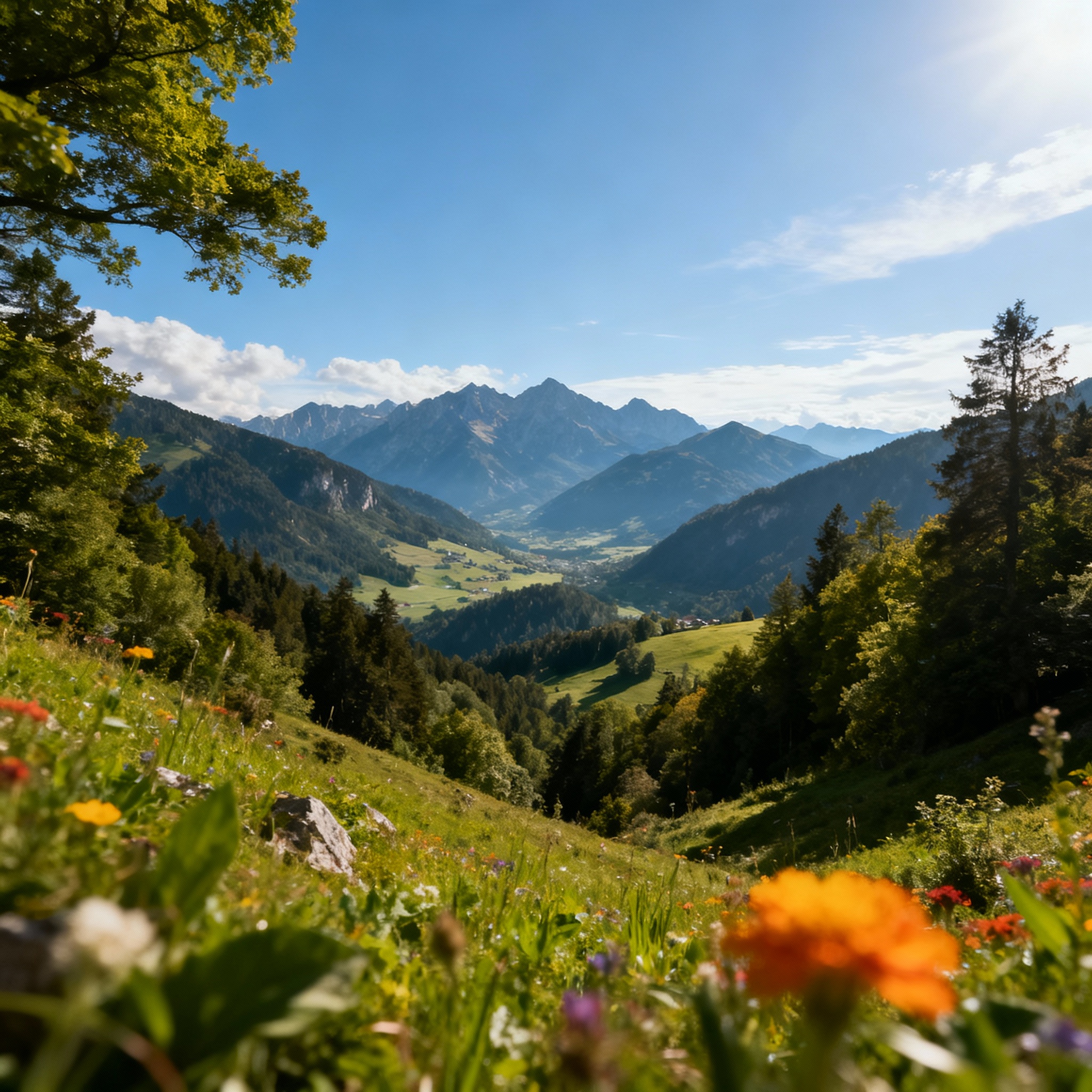
Long exposure photography transforms ordinary scenes into extraordinary works of art. By keeping your camera’s shutter open for extended periods, you can capture the passage of time in a single frame, creating dreamy water effects, dramatic cloud movements, and mesmerizing light trails that are invisible to the naked eye.
This comprehensive tutorial will guide you through everything you need to know about mastering long exposure photography, from essential equipment to advanced techniques that will elevate your images to the next level.
Understanding Long Exposure Photography
Long exposure photography involves using slow shutter speeds, typically ranging from several seconds to several minutes, to capture motion and the passage of time. While stationary elements in your scene remain sharp, moving subjects create beautiful blur effects that convey movement and add a sense of dynamism to your images.
The technique works by allowing more light to reach your camera’s sensor over an extended period. This extended exposure time means that any movement within the frame gets recorded as motion blur, while static elements remain crisp and detailed.
What Makes Long Exposure Special
The magic of long exposure lies in its ability to reveal aspects of our world that we cannot perceive with our eyes alone. Ocean waves become silky smooth, bustling city streets transform into rivers of light, and clouds stretch across the sky in ethereal streaks. This technique allows photographers to create images that transcend reality and venture into the realm of artistic interpretation.
Essential Equipment for Long Exposure Photography
Success in long exposure photography heavily depends on having the right equipment. While you can experiment with basic gear, investing in quality equipment will significantly improve your results and expand your creative possibilities.
Camera Requirements
Almost any camera with manual controls can be used for long exposure photography, but certain features will make your journey much smoother. Look for cameras that offer:
- Manual mode with customizable shutter speeds
- Bulb mode for exposures longer than 30 seconds
- Good high-ISO performance for low-light situations
- Weather sealing for outdoor shooting
The Sony A7 IV is an excellent choice for long exposure work, offering exceptional image quality, excellent low-light performance, and robust build quality that can withstand challenging outdoor conditions.
Tripod: Your Most Important Tool
A sturdy tripod is absolutely essential for long exposure photography. During exposures lasting several seconds or minutes, even the slightest camera movement will result in blurry images. Invest in a quality tripod that can support your camera and lens combination without any wobble.
Look for tripods with:
- Carbon fiber construction for lightweight stability
- Adjustable leg angles for uneven terrain
- Quick-release plates for easy camera mounting
- A hook for adding weight in windy conditions
Neutral Density Filters
Neutral density (ND) filters are perhaps the most crucial accessories for long exposure photography. These filters reduce the amount of light entering your lens without affecting color balance, allowing you to use slower shutter speeds even in bright daylight.
Common ND filter strengths include:
- 3-stop ND: Useful for moderately extending exposure times
- 6-stop ND: Great for creating smooth water effects
- 10-stop ND: Ideal for dramatic long exposures in daylight
- Variable ND: Adjustable density for flexible exposure control
Additional Accessories
Several other accessories can enhance your long exposure photography:
- Remote shutter release: Prevents camera shake when triggering the shutter
- Lens cleaning cloths: Essential for maintaining clean filters and lenses
- Headlamp or flashlight: Crucial for nighttime shooting and camera adjustments
- Extra batteries: Long exposures drain batteries quickly
- Memory cards: High-capacity cards for storing large image files
Camera Settings for Long Exposure Photography
Mastering long exposure photography requires understanding how to manipulate your camera’s exposure settings to achieve your creative vision. The relationship between aperture, shutter speed, and ISO becomes crucial when working with extended exposure times.
Shooting in Manual Mode
Always shoot in manual mode when creating long exposures. This gives you complete control over all exposure parameters and prevents the camera from making unwanted adjustments during the exposure.
Shutter Speed Settings
Shutter speed is the primary creative control in long exposure photography. Different shutter speeds produce dramatically different effects:
- 1-2 seconds: Slight motion blur in moving subjects
- 5-15 seconds: Smooth water surfaces, slight cloud movement
- 30 seconds to 2 minutes: Silky water, dramatic cloud streaks
- 2-10 minutes: Ultra-smooth water, significant cloud movement
- 10+ minutes: Extreme effects, minimal cloud definition
Aperture Considerations
While shutter speed controls the motion effects, aperture affects depth of field and overall exposure. For most long exposure work, apertures between f/8 and f/16 provide optimal sharpness across the frame. Avoid extremely narrow apertures (f/22 or smaller) as they can introduce diffraction and reduce image quality.
ISO Settings
Keep your ISO as low as possible to minimize noise and maximize image quality. Most long exposure work is done at ISO 100-400. Higher ISOs may be necessary in extremely low-light conditions, but modern cameras like the Sony A7 IV handle higher ISOs remarkably well when needed.
Focus Techniques
Achieving sharp focus can be challenging in long exposure photography, especially in low-light conditions. Use these techniques for optimal results:
- Single-point autofocus: Use a single focus point on a well-lit, high-contrast area
- Manual focus with live view: Zoom in on your subject using the camera’s LCD screen
- Focus peaking: Enable focus peaking if your camera offers this feature
- Hyperfocal distance: For landscapes, focus at the hyperfocal distance to maximize depth of field
Step-by-Step Long Exposure Technique
Follow this systematic approach to create consistently excellent long exposure photographs.
Step 1: Scene Selection and Composition
Choose scenes with interesting moving elements such as water, clouds, or traffic. Compose your shot using the rule of thirds and ensure you have strong static elements to anchor the composition.
Step 2: Set Up Your Equipment
- Mount your camera securely on the tripod
- Attach your remote shutter release
- Clean your lens and filters thoroughly
- Check battery levels and memory card space
Step 3: Initial Exposure Settings
Start with these baseline settings:
- ISO 100-200
- Aperture f/8-f/11
- Shutter speed determined by your creative vision
Step 4: Test Shot Without Filters
Take a test shot without ND filters to check composition, focus, and basic exposure. This shot will also serve as a reference for calculating your final exposure time.
Step 5: Calculate Filter Exposure Compensation
When you add ND filters, you’ll need to adjust your shutter speed accordingly:
- 3-stop ND filter: Increase exposure time by 8x
- 6-stop ND filter: Increase exposure time by 64x
- 10-stop ND filter: Increase exposure time by 1024x
Step 6: Attach Filters and Refocus
After mounting your ND filters, you may need to refocus as some filters can affect focus accuracy. Switch to manual focus to prevent the camera from hunting in low light.
Step 7: Take the Long Exposure
Use your remote shutter release or the camera’s timer to trigger the exposure. Avoid touching the camera during the exposure to prevent vibrations.
Step 8: Review and Adjust
Check your histogram and image preview. Adjust exposure time, aperture, or ISO as needed for subsequent shots.
Popular Long Exposure Subjects and Techniques
Seascape Photography
Ocean scenes are perfect for long exposure work. Use exposure times of 15-30 seconds to create smooth, misty water effects while retaining some texture. Longer exposures (2-5 minutes) produce completely smooth, glass-like water surfaces.
Pro Tips for Seascapes:
- Time your shots between waves for optimal water patterns
- Include interesting foreground elements like rocks or driftwood
- Shoot during golden hour for warm, dramatic lighting
- Use graduated ND filters to balance bright skies
Waterfall Photography
Waterfalls offer excellent opportunities for practicing long exposure techniques. Shutter speeds of 1-4 seconds typically produce the classic silky water effect while maintaining some sense of movement and power.
Waterfall Shooting Tips:
- Shoot on overcast days to avoid harsh shadows
- Use a polarizing filter to reduce glare and enhance colors
- Include surrounding rocks and vegetation for context
- Experiment with different shutter speeds for varied effects
Cloud Movement
Dramatic cloud formations become even more spectacular with long exposure techniques. Exposures of 30 seconds to several minutes create dynamic streaks that convey movement and add drama to landscape images.
Cloud Photography Techniques:
- Look for partly cloudy days with moving cloud formations
- Use wide-angle lenses to capture expansive sky scenes
- Balance exposure between foreground and sky elements
- Consider the direction of cloud movement in your composition
Light Trail Photography
Urban environments offer fantastic opportunities for capturing light trails from vehicles, creating dynamic streaks of color through your images.
Light Trail Settings:
- Shoot during blue hour for balanced ambient light
- Use exposures of 15-60 seconds depending on traffic flow
- Position yourself safely with interesting cityscape backgrounds
- Experiment with different angles and perspectives
Advanced Long Exposure Techniques
Exposure Blending
Sometimes a single long exposure cannot capture the full dynamic range of a scene. Exposure blending involves taking multiple shots at different exposures and combining them in post-processing for optimal results.
Focus Stacking for Maximum Sharpness
When shooting close foreground subjects with wide-angle lenses, focus stacking can ensure sharpness throughout the entire frame. Take multiple long exposures focused at different distances and blend them in post-processing.
Multiple Exposure Techniques
Some cameras offer multiple exposure modes that can create unique effects when combined with long exposure techniques. Experiment with overlaying several long exposures to create artistic interpretations of moving subjects.
Common Challenges and Solutions
Dealing with Wind and Camera Shake
Wind can be your biggest enemy in long exposure photography. Use these techniques to minimize camera shake:
- Add weight to your tripod using the center column hook
- Use your camera bag as a windbreak
- Enable mirror lock-up mode if using a DSLR
- Consider shorter exposures with heavier ND filters
Managing Noise in Long Exposures
Long exposures can introduce noise, particularly thermal noise from sensor heating. Combat this by:
- Enabling long exposure noise reduction in camera
- Keeping ISO as low as possible
- Allowing your camera to cool between long exposures
- Using noise reduction software in post-processing
Filter Problems and Solutions
ND filters can introduce color casts and vignetting. Address these issues by:
- Investing in high-quality filters from reputable manufacturers
- Creating custom white balance settings for your filters
- Shooting in RAW format for maximum post-processing flexibility
- Using step-up rings to avoid vignetting with wide-angle lenses
Post-Processing Long Exposure Images
Long exposure images often require careful post-processing to achieve their full potential. Key adjustments include:
Color Correction
ND filters often introduce color casts that need correction. Use the white balance and color grading tools in your editing software to neutralize unwanted color shifts.
Contrast and Detail Enhancement
Long exposures can sometimes appear flat due to the motion blur effects. Carefully adjust contrast, clarity, and structure to enhance detail while maintaining the smooth motion effects.
Noise Reduction
Apply noise reduction selectively, focusing on shadow areas and clear sky regions while preserving detail in important parts of the image.
Safety Considerations
Long exposure photography often involves shooting in challenging conditions. Always prioritize safety:
- Inform someone of your shooting location and expected return time
- Carry extra batteries and keep your phone charged
- Dress appropriately for weather conditions
- Be aware of tide times when shooting coastal scenes
- Use headlamps with red filters to preserve night vision
Conclusion and Recommendations
Long exposure photography offers endless creative possibilities for photographers willing to invest time in mastering the technique. Success depends on understanding the fundamental principles, having the right equipment, and practicing regularly in various conditions.
Start with shorter exposures of 15-30 seconds to develop your skills before progressing to ultra-long exposures. Focus on mastering the basics of composition, exposure calculation, and equipment handling before attempting more advanced techniques.
The Sony A7 IV provides an excellent foundation for long exposure work with its exceptional image quality and reliable performance in challenging conditions. Combined with quality ND filters and a sturdy tripod, you’ll have everything needed to create stunning long exposure images.
Remember that long exposure photography is as much about patience and planning as it is about technical skill. Take time to scout locations, check weather conditions, and visualize your final images before heading out to shoot. With practice and persistence, you’ll develop the skills to create compelling long exposure photographs that capture the beauty of time itself.
The journey of mastering long exposure photography is rewarding and never-ending. Each location and lighting condition presents new challenges and opportunities for creative expression. Embrace the learning process, experiment with different techniques, and don’t be afraid to push the boundaries of conventional long exposure photography to develop your unique artistic vision.
Related Tags
Looking for the Best Camera Deals?
Check out our latest buying guides and comparison articles to find the perfect camera for your needs.
Browse Buying Guides