
Macro Photography Techniques: Master Stunning Close-Up Shots
Learn essential macro photography techniques to capture breathtaking close-up images. Expert tips on lighting, focus, and equipment for stunning results.
Introduction to Macro Photography
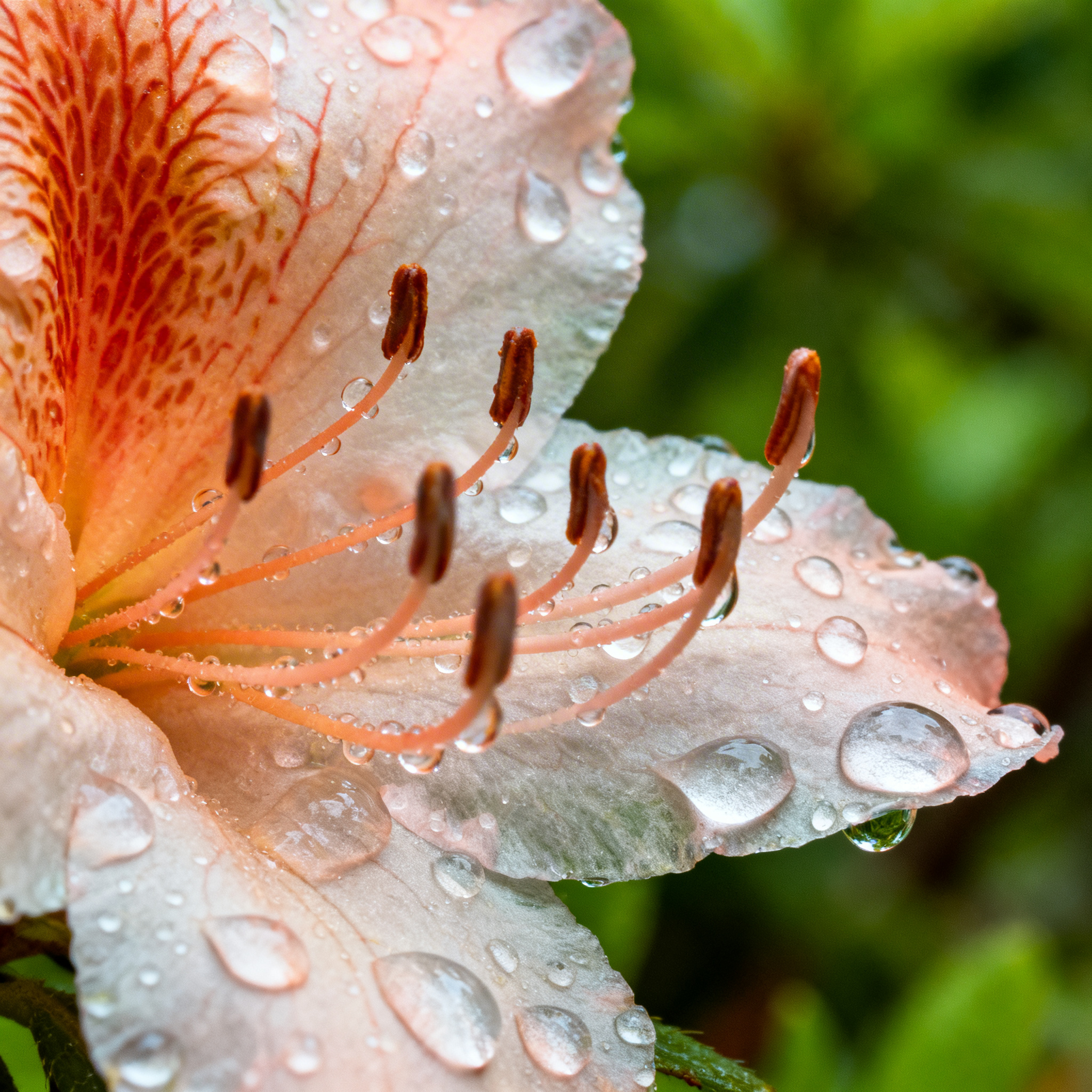
Macro photography opens up an entirely new world of photographic possibilities, revealing intricate details invisible to the naked eye. Whether you’re capturing the delicate patterns on a butterfly’s wing, the crystalline structure of a dewdrop, or the complex texture of flower petals, macro photography transforms ordinary subjects into extraordinary artistic statements.
At its technical definition, true macro photography achieves a 1:1 magnification ratio or greater, meaning the subject appears life-size or larger on your camera’s sensor. However, the term has evolved to encompass any close-up photography that reveals fine details and creates compelling compositions through proximity.
The magic of macro photography lies in its ability to transform the mundane into the magnificent. A simple leaf becomes a landscape of veins and textures, while a water droplet transforms into a crystal ball reflecting the world around it. This genre demands patience, precision, and technical knowledge, but the rewards are immeasurable.
Essential Equipment for Macro Photography
Camera Bodies
While you can achieve impressive macro results with any camera, certain features make the process significantly easier. Full-frame sensors like those found in the Sony A7 IV offer excellent low-light performance and superior image quality, crucial when working with the shallow depth of field inherent in macro work.
Key camera features to prioritize include:
- High-resolution sensors for maximum detail capture
- Effective image stabilization to combat camera shake
- Articulating LCD screens for comfortable positioning
- Focus peaking and magnification aids
- Silent shooting modes to avoid disturbing subjects
Macro Lenses
The lens is arguably the most critical component of your macro setup. Dedicated macro lenses are designed to focus much closer than standard lenses while maintaining optical excellence at close distances.
Focal Length Considerations:
- 60mm macro lenses: Compact and affordable, ideal for tabletop photography
- 100-105mm macro lenses: The sweet spot for most photographers, offering good working distance
- 150-200mm macro lenses: Excellent for wildlife macro, providing safe distance from subjects
Essential Accessories
Tripods and Support Systems Macro photography demands rock-steady support. Even the slightest movement becomes magnified at close distances. Invest in a sturdy tripod with adjustable legs and consider macro-specific features like reversible center columns for low-angle work.
Lighting Equipment Natural light often proves insufficient for macro work. Ring flashes provide even, shadowless illumination, while twin flashes offer more creative lighting control. LED panels can serve as excellent continuous lighting sources, allowing you to preview your lighting effects.
Extension Tubes and Close-Up Filters These budget-friendly accessories can transform standard lenses into capable macro tools. Extension tubes maintain optical quality while reducing maximum focusing distance, though they do decrease light transmission.
Camera Settings for Macro Photography
Aperture Selection
Aperture choice in macro photography involves a careful balance between depth of field and image sharpness. While f/2.8 might create beautiful bokeh, it often provides insufficient depth of field to keep your subject adequately in focus.
Recommended aperture ranges:
- f/8 to f/11: Optimal sharpness for most macro lenses
- f/16: Use sparingly due to diffraction concerns
- f/5.6: Acceptable when faster shutter speeds are essential
Remember that depth of field decreases dramatically as magnification increases. At 1:1 magnification, even f/11 might provide only millimeters of acceptable sharpness.
Focusing Techniques
Manual Focus Mastery Auto-focus systems often struggle in macro situations due to low contrast and shallow depth of field. Manual focus gives you precise control, but requires proper technique.
Use your camera’s focus peaking and magnification features liberally. Focus peaking highlights in-focus areas with colored outlines, while magnification allows pixel-level precision. Many photographers find success in setting their lens to the desired magnification, then physically moving the camera forward and backward to achieve focus.
Focus Stacking for Extended Depth When even small apertures can’t provide adequate depth of field, focus stacking becomes invaluable. This technique involves capturing multiple images at different focus points, then blending them in post-processing.
Focus Stacking Process:
- Mount your camera on a sturdy tripod
- Set your lens to manual focus
- Focus on the nearest part of your subject
- Capture your first frame
- Slightly adjust focus toward the back of the subject
- Repeat until the entire subject is covered
- Blend images using specialized software
Shutter Speed Considerations
Macro photography amplifies even tiny movements, making fast shutter speeds essential. Wind moving your subject, your own breathing, or camera vibrations all become magnified problems.
General guidelines:
- 1/125s or faster for handheld shooting
- 1/60s minimum when using tripods with stabilized lenses
- Use mirror lock-up or electronic first curtain to reduce vibrations
- Consider the reciprocal rule adjusted for magnification factor
ISO Performance
Modern cameras offer impressive high-ISO performance, and don’t hesitate to use it in macro photography. A slightly noisy image that’s sharp is far preferable to a noise-free image that’s blurred by camera shake.
ISO 800-1600 often provides excellent results, while ISO 3200 remains usable in most situations. The Sony A7 IV excels in this regard, delivering clean images even at elevated ISO settings.
Lighting Strategies for Macro Photography
Natural Light Optimization
Golden hour light provides warm, soft illumination perfect for outdoor macro work. However, macro photography often requires more light than natural conditions provide. Overcast days create ideal diffused lighting conditions, eliminating harsh shadows while providing even illumination.
Natural light enhancement techniques:
- Use reflectors to fill in shadows
- Employ diffusers to soften harsh sunlight
- Position subjects near open shade for even lighting
- Take advantage of backlighting for translucent subjects
Artificial Lighting Solutions
Ring Flash Systems Ring flashes mount around your lens, providing shadowless, even illumination. While some consider the lighting flat, it’s perfect for scientific documentation and can be modified with diffusers for more pleasing results.
Twin Flash Systems These systems offer two separate flash heads that can be positioned independently, providing greater creative control. You can create dramatic lighting ratios, emphasize texture through side-lighting, or eliminate shadows entirely.
Continuous Lighting Options LED panels and other continuous light sources allow you to preview your lighting effects, making them excellent for beginners. They also eliminate the need to calculate flash exposures and work well for focus stacking where consistent lighting is crucial.
Advanced Macro Techniques
Focus Stacking Mastery
Focus stacking has revolutionized macro photography, allowing photographers to achieve front-to-back sharpness previously impossible. The technique requires patience and practice but produces stunning results.
Equipment for focus stacking:
- Sturdy tripod or copy stand
- Macro focusing rail for precise adjustments
- Remote release to minimize vibrations
- Specialized software like Helicon Focus or Photoshop
Advanced stacking tips:
- Overlap focus zones by 25-30% for smooth transitions
- Use consistent exposure settings throughout the series
- Avoid moving subjects or changing lighting conditions
- Shoot more frames than you think you need
Water Drop Photography
Water drop photography combines macro techniques with precise timing to create stunning images. This specialized branch requires additional equipment and considerable practice.
Essential water drop setup:
- Dropper system with adjustable timing
- Colorful backgrounds for reflection effects
- Multiple flash units for freezing motion
- Triggering system for precise timing control
Extreme Magnification Techniques
Pushing beyond 1:1 magnification opens up microscopic worlds. Techniques include:
Lens Reversal Mounting lenses backwards using reversal rings can achieve extreme magnification ratios. A 50mm lens reversed on extension tubes can easily achieve 3:1 or 4:1 magnification.
Lens Stacking Combining multiple lenses can create magnification levels approaching those of microscopes. This advanced technique requires specialized adapters and considerable technical knowledge.
Composition in Macro Photography
Rule of Thirds in Close-Up Work
Traditional composition rules apply to macro photography, though they may require adaptation. The rule of thirds remains effective, but consider how magnification affects visual weight and balance.
Background Management
Clean, uncluttered backgrounds are crucial in macro photography. Busy backgrounds distract from your subject and can ruin otherwise excellent images.
Background control techniques:
- Use wide apertures to blur distracting elements
- Position subjects against distant backgrounds
- Employ artificial backgrounds like colored cards
- Use backlighting to separate subjects from backgrounds
Leading Lines and Patterns
Look for natural patterns and leading lines within your macro subjects. Leaf veins, flower petals, and insect wing patterns all provide compositional opportunities.
Common Challenges and Solutions
Camera Shake and Stability
Magnification amplifies every movement, making stability paramount. Solutions include:
- Using sturdy tripods with appropriate weight ratings
- Employing mirror lock-up or electronic first curtain modes
- Adding weight to tripod legs in windy conditions
- Using remote releases or self-timers
- Enabling image stabilization when appropriate
Dealing with Moving Subjects
Insects and other living subjects rarely cooperate with photographers. Strategies include:
- Working during cooler morning hours when insects are less active
- Using faster shutter speeds to freeze movement
- Pre-focusing on likely subject positions
- Employing continuous autofocus modes when appropriate
- Having patience and taking many shots
Depth of Field Management
Extremely shallow depth of field challenges even experienced photographers:
- Focus on the most critical part of your subject (usually the eyes)
- Use focus stacking for maximum sharpness
- Consider the plane of focus relative to your subject
- Accept that not everything needs to be sharp
Post-Processing for Macro Images
Focus Stacking Workflow
Processing focus-stacked images requires specialized software:
- Import all images into your stacking software
- Align images to compensate for slight movements
- Allow the software to blend the focused areas
- Review and manually correct any blending errors
- Export the final composite image
Noise Reduction Strategies
High ISO settings often necessary in macro work can introduce noise. Modern noise reduction software like DxO PureRAW or Topaz DeNoise AI can dramatically improve image quality while preserving fine details.
Color and Contrast Enhancement
Macro subjects often benefit from careful color and contrast adjustments:
- Increase vibrancy to make colors pop
- Adjust individual color channels for natural appearance
- Use masking to enhance specific areas
- Apply subtle sharpening to emphasize details
Building Your Macro Photography Skills
Practice Projects for Beginners
Start with stationary subjects to master technical aspects:
- Household objects like jewelry or watches
- Flowers and plants in controlled indoor settings
- Textured surfaces and fabrics
- Food photography with extreme close-ups
Advanced Challenges
Once comfortable with basics, attempt more challenging subjects:
- Live insects and small creatures
- Water drop collision photography
- Extreme magnification studies
- Abstract compositions focusing on patterns and textures
Conclusion and Recommendations
Macro photography rewards patience, technical precision, and creative vision with images that reveal hidden worlds of beauty and complexity. Success requires mastering both technical skills and artistic vision, but the journey itself provides immense satisfaction.
Key takeaways for macro photography success:
-
Invest in quality equipment gradually: Start with a good macro lens and sturdy tripod, then add lighting and accessories as your skills develop.
-
Master manual focus techniques: Auto-focus rarely works optimally in macro situations, so developing manual focus skills is essential.
-
Understand the magnification-depth relationship: As magnification increases, depth of field decreases dramatically, requiring careful focus placement or stacking techniques.
-
Practice lighting control: Whether using natural or artificial light, learning to shape and modify illumination transforms good macro shots into great ones.
-
Embrace focus stacking: This technique opens up creative possibilities impossible with single-frame captures.
For photographers serious about macro work, consider starting with a capable camera body like the Sony A7 IV, which offers excellent image quality, effective stabilization, and the high-resolution sensor that macro photography demands.
Remember that macro photography is as much about patience and observation as it is about technical expertise. Take time to study your subjects, experiment with different approaches, and don’t be discouraged by initial challenges. The microscopic worlds waiting to be discovered through your lens offer unlimited opportunities for creative expression and technical growth.
Start with simple, stationary subjects, master the fundamentals, then gradually work toward more challenging and dynamic macro photography. With consistent practice and attention to technical details, you’ll develop the skills needed to create stunning close-up images that reveal the extraordinary beauty hiding in plain sight all around us.
Related Tags
Looking for the Best Camera Deals?
Check out our latest buying guides and comparison articles to find the perfect camera for your needs.
Browse Buying Guides