
Macro Photography Tutorial: Complete Step-by-Step Guide
Master macro photography with our comprehensive step-by-step tutorial. Learn essential techniques, camera settings, and tips for stunning close-up shots.
Macro photography opens up a fascinating miniature world that’s often invisible to the naked eye. From the intricate patterns on flower petals to the compound eyes of insects, macro photography allows you to capture stunning details that reveal the hidden beauty in small subjects. Whether you’re a beginner looking to explore this specialized field or an intermediate photographer wanting to refine your technique, this comprehensive guide will walk you through everything you need to know.
What is Macro Photography?
Macro photography is the art of capturing subjects at extremely close distances, typically producing images where the subject appears life-size or larger on the camera sensor. True macro photography achieves a 1:1 magnification ratio, meaning a 24mm subject would appear as 24mm on a full-frame sensor. However, many photographers also consider close-up photography with magnification ratios of 1:2 or 1:4 as part of the macro genre.
The appeal of macro photography lies in its ability to reveal intricate details, textures, and patterns that are impossible to see with the unaided eye. It transforms ordinary objects into extraordinary artistic subjects and allows photographers to create abstract compositions from the natural world.
Essential Equipment for Macro Photography
Camera Bodies
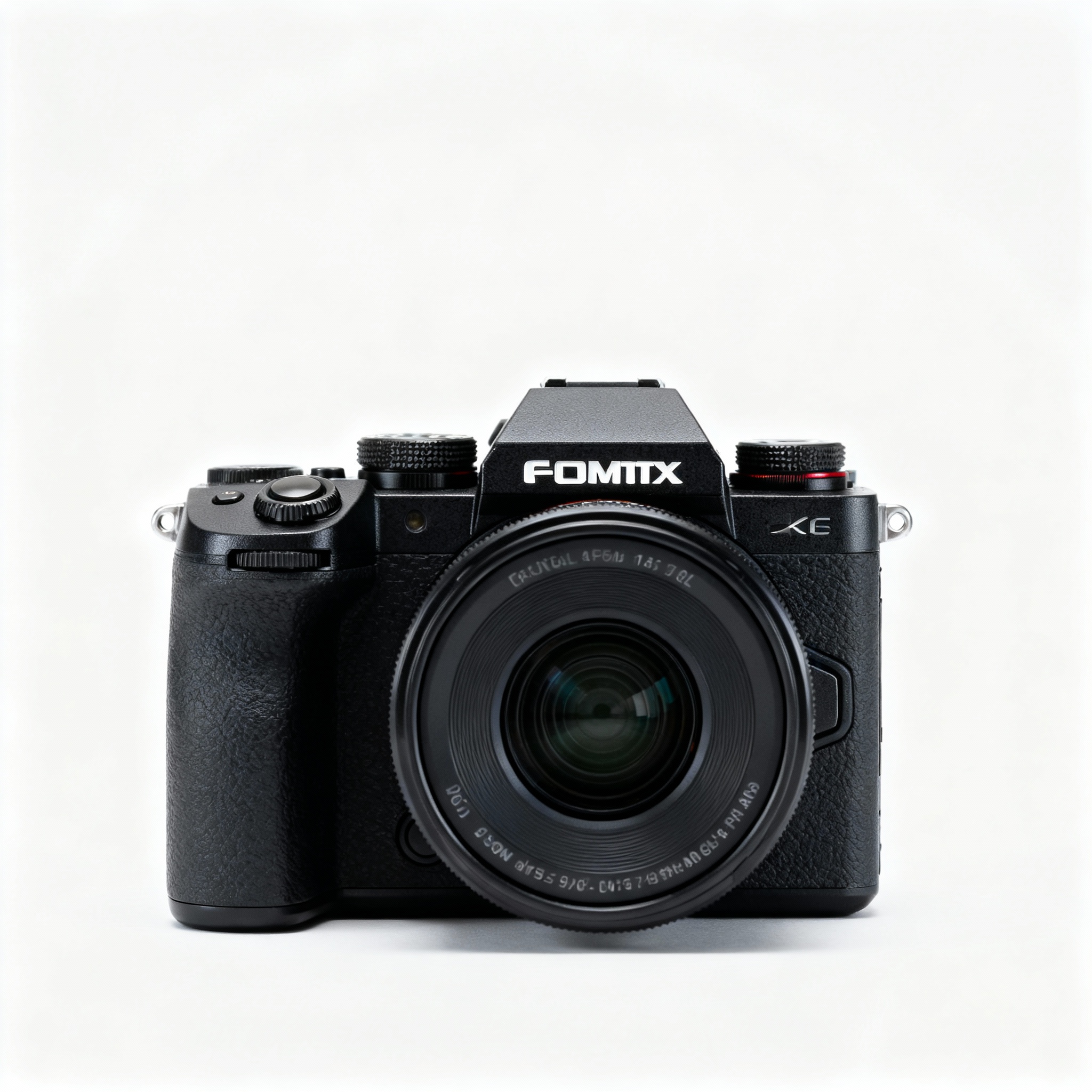
While you can achieve macro results with any camera, certain features make the process easier and more successful. Full-frame cameras like the Sony A7 IV offer excellent image quality and low-light performance, which is crucial when working with the shallow depth of field inherent in macro photography.
Key camera features to consider:
- High resolution for maximum detail capture
- Good low-light performance for stable shooting
- In-body image stabilization to reduce camera shake
- Articulating LCD screen for easier composition
- Focus peaking and magnification features
Macro Lenses
Your lens choice is the most critical factor in macro photography success. Dedicated macro lenses are designed to focus at extremely close distances while maintaining sharp image quality.
Popular focal lengths:
- 60mm macro lenses: Compact and affordable, ideal for smaller subjects
- 100-105mm macro lenses: The sweet spot for most macro work, offering comfortable working distance
- 150-200mm macro lenses: Perfect for skittish subjects like insects and butterflies
Essential Accessories
Tripod: A sturdy tripod is crucial for sharp macro images. Look for models with reversible center columns or low-angle capabilities for ground-level shooting.
Remote Shutter Release: Eliminates camera shake during exposure, especially important given macro photography’s shallow depth of field.
Macro Flash or Ring Light: Provides consistent, controllable lighting when natural light isn’t sufficient.
Focus Rail: Allows precise micro-adjustments for perfect focus positioning.
Camera Settings for Macro Photography
Aperture Settings
Aperture selection in macro photography requires balancing depth of field with image sharpness. While you might instinctively want to use the widest aperture for maximum light gathering, this often results in an impractically shallow depth of field.
Recommended aperture ranges:
- f/8 to f/11: Optimal balance of sharpness and depth of field for most subjects
- f/5.6 to f/8: When you need maximum light or want to isolate specific details
- f/16 or smaller: Only when maximum depth of field is essential, but watch for diffraction
Shutter Speed Considerations
Fast shutter speeds help freeze subject movement and eliminate camera shake. However, the close focusing distances in macro work often require longer exposures.
Guidelines:
- Use the reciprocal rule: 1/focal length as minimum shutter speed
- For handheld shooting: aim for 1/250s or faster
- With tripod: slower speeds are acceptable, but watch for subject movement
- Consider image stabilization capabilities of your camera and lens
ISO Settings
Modern cameras handle higher ISO values better than ever, making it easier to maintain fast shutter speeds in challenging lighting conditions.
ISO recommendations:
- Start with ISO 400-800 for most situations
- Push to ISO 1600-3200 when necessary for proper exposure
- Use your camera’s noise reduction features
- Always prioritize a sharp, slightly noisy image over a soft, noiseless one
Focus Settings
Manual focus is often preferable in macro photography due to the precision required and potential autofocus hunting in low-contrast situations.
Focus techniques:
- Use single-point autofocus when AF is reliable
- Switch to manual focus for precise control
- Utilize focus peaking and magnification features
- Consider focus stacking for maximum depth of field
Step-by-Step Macro Photography Process
Step 1: Choose Your Subject and Location
Start with stationary subjects like flowers, leaves, or textured objects. These allow you to practice technique without worrying about subject movement. Look for:
- Interesting textures and patterns
- Good natural lighting or controllable light sources
- Stable positioning
- Accessible angles for comfortable shooting
Step 2: Set Up Your Equipment
Mount your camera on a tripod for maximum stability. If working at ground level, extend the tripod legs fully and reverse the center column if your tripod allows it. Attach your macro lens and ensure all connections are secure.
Step 3: Compose Your Shot
Get down to your subject’s level and explore different angles. Use your camera’s live view or articulating screen to compose without straining your back. Look for:
- Leading lines and patterns
- Interesting lighting angles
- Clean, uncluttered backgrounds
- Multiple composition options before settling on the best
Step 4: Configure Camera Settings
Set your camera to manual or aperture priority mode:
- Start with f/8 as your baseline aperture
- Set ISO to 400-800 initially
- Adjust shutter speed for proper exposure
- Enable any stabilization features
- Set up focus peaking or magnification aids
Step 5: Achieve Critical Focus
Focus is the most challenging aspect of macro photography:
- Use autofocus to get close to your target
- Switch to manual focus for fine-tuning
- Use live view magnification to check sharpness
- Make micro-adjustments using camera position or focus ring
- Consider the most important part of your subject for focus placement
Step 6: Refine Composition and Exposure
With focus locked, make final adjustments:
- Check your histogram to avoid clipped highlights or shadows
- Adjust aperture if depth of field needs modification
- Consider graduated exposure changes for better overall balance
- Take test shots and review for sharpness and exposure
Step 7: Capture Multiple Images
Take several shots with slightly different focus points or compositions:
- Bracket your exposures for insurance
- Vary focus points for potential focus stacking
- Try different apertures to compare depth of field
- Capture both horizontal and vertical orientations
Advanced Techniques
Focus Stacking
Focus stacking combines multiple images taken at different focus distances to create a final image with extended depth of field. This technique is particularly valuable when shooting at high magnifications where even f/16 doesn’t provide sufficient depth of field.
Focus stacking process:
- Mount camera securely on tripod
- Take multiple shots, adjusting focus incrementally between each frame
- Ensure 30-50% overlap between focus zones
- Use specialized software like Helicon Focus or Photoshop to blend images
- Fine-tune the final result for optimal sharpness
Lighting Techniques
Controlling light in macro photography often determines the difference between good and exceptional images.
Natural light approaches:
- Shoot during golden hour for warm, soft lighting
- Use diffusers to soften harsh sunlight
- Look for open shade on bright days
- Position reflectors to fill in shadows
Artificial lighting options:
- Ring flashes provide even, shadowless lighting
- Twin flash units offer more directional control
- LED panels give continuous light for easier composition
- Use light modifiers to shape and soften artificial light
Creative Composition Ideas
Push beyond traditional macro subjects to create unique images:
- Water droplets as natural magnifying glasses
- Abstract patterns in everyday objects
- Extreme close-ups revealing unexpected textures
- Multiple exposure techniques for artistic effects
- Backlighting for dramatic silhouettes and rim lighting
Common Challenges and Solutions
Camera Shake
Even tiny vibrations are magnified in macro photography. Solutions include:
- Use mirror lock-up or electronic first curtain shutter
- Enable image stabilization when available
- Use remote releases or self-timer
- Ensure tripod stability on uneven surfaces
Shallow Depth of Field
The inherent shallow depth of field in macro work requires careful focus placement:
- Focus on the most important subject element
- Use smaller apertures when light permits
- Consider focus stacking for critical applications
- Understand that not everything needs to be sharp
Subject Movement
Even slight breezes can ruin macro shots:
- Use faster shutter speeds when possible
- Create windbreaks with reflectors or boards
- Time shots between wind gusts
- Consider early morning when air is typically calmer
Challenging Lighting
Macro subjects often exist in difficult lighting conditions:
- Carry reflectors and diffusers for light modification
- Learn to work with available light creatively
- Invest in portable macro lighting solutions
- Practice exposure compensation techniques
Post-Processing Tips
Sharpening and Detail Enhancement
Macro images benefit from careful sharpening:
- Use capture sharpening to optimize lens performance
- Apply creative sharpening to emphasize textures
- Use masking to avoid over-sharpening smooth areas
- Consider specialized plugins for macro image enhancement
Color and Contrast Adjustments
Enhance the natural beauty revealed in macro subjects:
- Adjust vibrance rather than saturation for natural results
- Use targeted adjustments for specific color ranges
- Balance highlights and shadows carefully
- Consider creative color grading for artistic effect
Noise Reduction
Higher ISO values common in macro work may require noise reduction:
- Use camera-specific noise reduction profiles
- Balance noise reduction with detail preservation
- Consider dedicated noise reduction software for critical images
- Apply noise reduction before sharpening
Building Your Macro Photography Skills
Practice Subjects for Beginners
Start with forgiving subjects that don’t move:
- Flowers and plants in your garden
- Textured household objects
- Food items with interesting surfaces
- Jewelry and small collectibles
Progressing to Advanced Subjects
As your skills develop, challenge yourself with:
- Moving insects and small creatures
- Water droplets and splash photography
- Extreme magnification ratios
- Abstract compositions from ordinary objects
Seasonal Opportunities
Different seasons offer unique macro photography opportunities:
- Spring: Fresh flowers, water droplets, emerging buds
- Summer: Insects, spiders, seed pods
- Autumn: Textured leaves, frost patterns, fallen seeds
- Winter: Ice formations, snow crystals, evergreen details
Conclusion
Macro photography offers an endlessly rewarding creative outlet that reveals the hidden beauty in our everyday world. Success in this field comes from understanding your equipment, mastering technical fundamentals, and developing a keen eye for the extraordinary in the ordinary.
Start with basic equipment and gradually build your kit as you discover your preferences and style. The Sony A7 IV represents an excellent foundation for serious macro work, offering the resolution, low-light performance, and stabilization features that make challenging macro situations more manageable.
Remember that macro photography is as much about patience and persistence as it is about technical skill. Take time to really observe your subjects, experiment with different approaches, and don’t be discouraged by initial challenges. The shallow depth of field, critical focus requirements, and lighting challenges that seem daunting at first will become second nature with practice.
Focus on developing your foundational skills with stationary subjects before progressing to more challenging moving subjects. Master your camera settings, understand how aperture affects both depth of field and image quality, and learn to work with available light creatively.
Most importantly, remember that macro photography is about discovery and wonder. Each session offers opportunities to see familiar subjects in entirely new ways and to capture images that reveal beauty invisible to the casual observer. Whether you’re documenting the intricate structure of a flower petal or creating abstract art from household objects, macro photography provides a unique perspective that will enhance your overall photographic vision and technical skills.
Related Tags
Looking for the Best Camera Deals?
Check out our latest buying guides and comparison articles to find the perfect camera for your needs.
Browse Buying Guides