
Master Macro Photography: 7 Techniques for Stunning Close-Ups
Learn essential macro photography techniques to capture breathtaking close-up images. Discover lighting, focus, and composition tips for professional results.
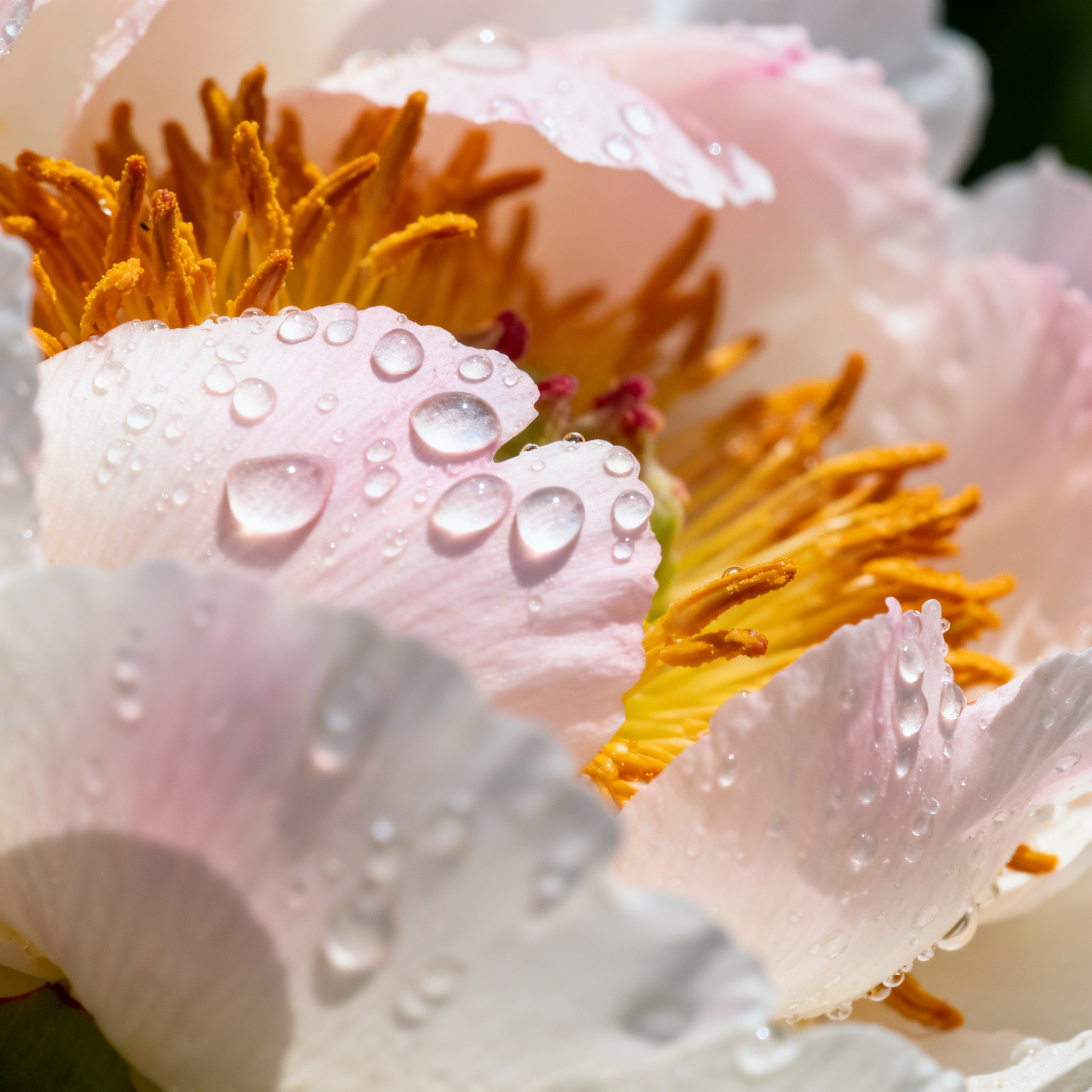
Macro photography opens up an entire world of intricate details that are invisible to the naked eye. From the delicate patterns on a butterfly’s wing to the crystalline structure of morning dew, this specialized form of photography allows you to capture stunning close-ups that reveal the extraordinary beauty in ordinary subjects.
Whether you’re a beginner looking to explore this fascinating genre or an experienced photographer wanting to refine your technique, this comprehensive guide will walk you through everything you need to know about macro photography. We’ll cover essential equipment, camera settings, composition techniques, and practical tips that will help you create breathtaking images.
Understanding Macro Photography Fundamentals
Macro photography is technically defined as capturing images at a 1:1 magnification ratio or greater, meaning the subject appears life-size or larger on your camera’s sensor. However, the term has evolved to include any extreme close-up photography that reveals fine details not easily seen by the human eye.
The key to successful macro photography lies in understanding three critical factors: magnification, depth of field, and working distance. Magnification determines how large your subject appears in the frame, depth of field controls what parts of your image are in sharp focus, and working distance affects both your ability to light the subject and how comfortable your subject (if alive) will be during the shoot.
Essential Equipment for Macro Photography
Camera Bodies and Lenses
While you can achieve impressive macro results with any camera, having a camera with good image stabilization and high resolution will significantly improve your results. The Sony A7 IV is an excellent choice for macro work, offering 33MP resolution, excellent dynamic range, and superb low-light performance.
For lenses, you have several options:
Dedicated Macro Lenses: These are purpose-built for close-up work and offer the best image quality. Popular focal lengths include 60mm, 90mm, 100mm, and 180mm. Longer focal lengths provide more working distance, which is beneficial when photographing insects or other skittish subjects.
Extension Tubes: These hollow tubes fit between your camera body and lens, reducing the minimum focusing distance. They’re an affordable way to get into macro photography using your existing lenses.
Close-up Filters: Screw-on filters that act like magnifying glasses. While convenient and inexpensive, they may reduce image quality compared to other options.
Reverse Ring Adapters: Allow you to mount a lens backward on your camera, often achieving extreme magnifications with standard lenses.
Support and Stabilization
A sturdy tripod is essential for macro photography. The extreme magnifications involved amplify any camera shake, making sharp images nearly impossible to achieve handheld. Look for a tripod that allows you to position the camera at ground level for photographing small subjects like flowers or insects.
A focusing rail is another valuable tool that allows you to make precise adjustments to your camera position without moving the entire tripod setup. This is particularly useful when fine-tuning your composition or when focus stacking multiple images.
Camera Settings for Macro Photography
Aperture Considerations
One of the biggest challenges in macro photography is achieving adequate depth of field. As you move closer to your subject, the depth of field becomes extremely shallow, even at smaller apertures. This means you’ll often need to balance between having enough depth of field to render your subject sharp and maintaining a fast enough shutter speed to prevent camera shake.
For most macro subjects, apertures between f/8 and f/16 provide the best balance of depth of field and image sharpness. Going beyond f/16 often introduces diffraction, which reduces overall image sharpness. However, don’t be afraid to use f/5.6 or even wider apertures when you want to isolate a specific part of your subject with an extremely shallow depth of field.
ISO Settings
Modern cameras handle higher ISO settings much better than older models, but in macro photography, you’ll want to keep ISO as low as possible to minimize noise and maximize detail. Start with ISO 100-200 and only increase as needed to achieve proper exposure or a fast enough shutter speed.
When shooting handheld, you may need to raise ISO to 800, 1600, or even higher to achieve shutter speeds fast enough to prevent camera shake. The rule of thumb for handheld shooting is to use a shutter speed that’s at least 1/(focal length × magnification factor).
Focus and Metering Modes
Switch to manual focus for macro work, as autofocus systems often struggle with extreme close-ups. Instead of adjusting the focus ring, try setting your lens to the desired magnification and moving the camera forward and backward to achieve focus. This technique, called “focus rocking,” often produces more precise results.
For metering, spot metering gives you the most control over exposure, allowing you to meter specifically from your main subject. This is particularly important in macro photography where backgrounds can vary dramatically in brightness.
Lighting Techniques for Macro Photography
Natural Light Approaches
Overcast days provide beautifully diffused light that’s perfect for macro photography. The soft, even illumination reduces harsh shadows and allows fine details to show clearly. When shooting in direct sunlight, use a diffuser to soften the light and reduce contrast.
Golden hour light can create stunning macro images with warm tones and dramatic shadows. However, be prepared to work quickly, as the quality of light changes rapidly during these times.
Artificial Lighting Solutions
Ring Flash: Mounts directly on your lens and provides even, shadowless lighting. While sometimes criticized for creating flat lighting, ring flashes are excellent for scientific documentation and can produce striking artistic effects.
Twin Flash Systems: Use two small flash units positioned around your lens. These systems offer more control than ring flashes, allowing you to adjust the power ratio between the flashes to create directional lighting.
LED Panels: Continuous lighting sources that allow you to see exactly how the light falls on your subject. They’re particularly useful for focus stacking, where consistent lighting across multiple frames is crucial.
DIY Reflectors and Diffusers: White cards, aluminum foil, and translucent materials can help control natural light. A small mirror can redirect sunlight to fill in shadows on the opposite side of your subject.
Advanced Techniques
Focus Stacking
Focus stacking involves taking multiple images at different focus points and combining them in post-processing to create a final image with extended depth of field. This technique is essential when you need front-to-back sharpness that’s impossible to achieve with a single exposure.
To focus stack effectively:
- Mount your camera on a sturdy tripod
- Use manual focus and exposure settings
- Take your first shot focused on the nearest part of your subject
- Slightly adjust focus toward the background for each subsequent shot
- Continue until you’ve covered the entire depth of your subject
- Process the images using software like Photoshop, Helicon Focus, or Zerene Stacker
The number of images needed depends on your aperture, magnification, and subject depth. You might need anywhere from 5 to 50+ images for a complete focus stack.
Focus Peaking and Live View
Most modern cameras offer focus peaking, which highlights the areas of your image that are in sharp focus. This feature is invaluable for macro work, where precise focus is critical. Adjust the sensitivity and color of focus peaking to make it easily visible against your subject.
Use your camera’s live view and zoom in to 5x or 10x magnification to check focus accuracy. This level of magnification allows you to see exactly which parts of your subject are sharp and make precise adjustments.
Composition and Creative Approaches
Rule of Thirds in Macro
While the rule of thirds applies to macro photography, don’t be afraid to center your subject when it creates a more balanced composition. The extreme magnifications in macro work often create abstract compositions where traditional rules may not apply.
Pay attention to the background in your macro images. A cluttered or distracting background can ruin an otherwise perfect shot. Use wide apertures to blur backgrounds, or position yourself to place simple, complementary colors behind your subject.
Finding Interesting Subjects
Look for subjects with interesting textures, patterns, or colors. Water drops on leaves, frost crystals, insect eyes, flower stamens, and fabric textures all make excellent macro subjects. Don’t overlook man-made objects – jewelry, electronics, and everyday items can reveal fascinating details when photographed up close.
Consider the emotional impact of your subject choice. A macro image of a dewdrop might evoke feelings of freshness and purity, while a close-up of weathered bark might suggest endurance and age.
Seasonal Opportunities
Each season offers unique macro photography opportunities. Spring brings fresh flowers, emerging buds, and active insects. Summer offers the full diversity of plant and animal life. Fall provides colorful leaves, seeds, and fungi. Winter presents frost patterns, ice crystals, and bare tree textures.
Common Challenges and Solutions
Camera Shake
Camera shake is magnified in macro photography, making it one of the most common problems beginners face. Use a tripod whenever possible, and consider using your camera’s timer or a remote release to minimize vibrations. Mirror lock-up or electronic first curtain shutter modes can further reduce vibrations.
Subject Movement
Wind can make flower photography frustrating, and insects rarely stay still. For flowers, use a small clamp or wire to gently stabilize stems (remove it in post-processing if visible). For insects, try photographing early in the morning when they’re less active due to cooler temperatures.
Harsh Lighting and Shadows
Direct sunlight creates harsh shadows and blown highlights in macro photography. Use diffusers, reflectors, or move your subject to open shade. Small, portable diffusers designed specifically for macro work are available and highly effective.
Depth of Field Management
When you can’t achieve enough depth of field even at f/16, consider focus stacking or changing your shooting angle. Sometimes positioning yourself so that your subject lies in a single plane can maximize the appearance of sharpness without requiring extreme depth of field.
Post-Processing Tips for Macro Images
Noise Reduction
Macro images often require noise reduction, especially when shot at higher ISOs. Use software like DxO DeepPRIME, Topaz DeNoise AI, or your camera manufacturer’s software for best results. Apply noise reduction before sharpening to avoid amplifying noise.
Sharpening Techniques
Macro images benefit from careful sharpening. Use masking to apply sharpening only to areas with detail, avoiding smooth backgrounds that might show sharpening artifacts. Unsharp Mask, Smart Sharpen in Photoshop, or specialized sharpening software can enhance the fine details that make macro photography so compelling.
Color and Contrast Adjustments
Macro subjects often benefit from increased contrast and color saturation, but apply these adjustments carefully to maintain a natural look. Use selective color adjustments to enhance specific elements without affecting the entire image.
Building Your Macro Photography Skills
Practice Exercises
Start with stationary subjects like flowers, leaves, or household objects before attempting to photograph moving subjects like insects. Practice controlling depth of field by shooting the same subject at different apertures and distances.
Create a macro photography project, such as documenting all the different textures in your garden or exploring the details of a single flower species throughout its blooming cycle.
Study the Work of Masters
Examine the work of renowned macro photographers like Thomas Shahan, John Kimbler, and Levon Biss. Analyze their lighting, composition, and subject choice to understand what makes their images compelling.
Join Communities
Online communities like Flickr groups, Reddit’s r/macro, and specialized macro photography forums provide valuable feedback and inspiration. Sharing your work and receiving constructive criticism is one of the fastest ways to improve your skills.
Conclusion
Macro photography is a rewarding genre that combines technical precision with artistic vision. Success requires patience, practice, and a solid understanding of the technical challenges involved. Start with basic equipment – even extension tubes on your existing lenses can produce excellent results – and gradually build your kit as your interest and skills develop.
Remember that the best camera for macro photography is the one you have with you. While specialized equipment like the Sony A7 IV can certainly improve your results with its high resolution and excellent image quality, great macro images are more about understanding light, composition, and your subject than having expensive gear.
Focus on mastering one technique at a time – whether it’s controlling depth of field, managing lighting, or perfecting focus stacking. With consistent practice and experimentation, you’ll develop the skills needed to reveal the hidden beauty in the miniature world around us.
The key to improvement is shooting regularly and challenging yourself with different subjects and techniques. Keep your camera ready for unexpected macro opportunities, and don’t be afraid to get down on the ground and explore the world from a different perspective. The rewards of discovering and capturing the intricate details that surround us every day make macro photography one of the most fulfilling forms of image-making.
Related Tags
Looking for the Best Camera Deals?
Check out our latest buying guides and comparison articles to find the perfect camera for your needs.
Browse Buying Guides