
Mirrorless vs DSLR Cameras: 2026 Complete Comparison Guide
Compare mirrorless and DSLR cameras in 2026. Expert analysis of image quality, battery life, lens selection, and pricing to help you choose wisely.
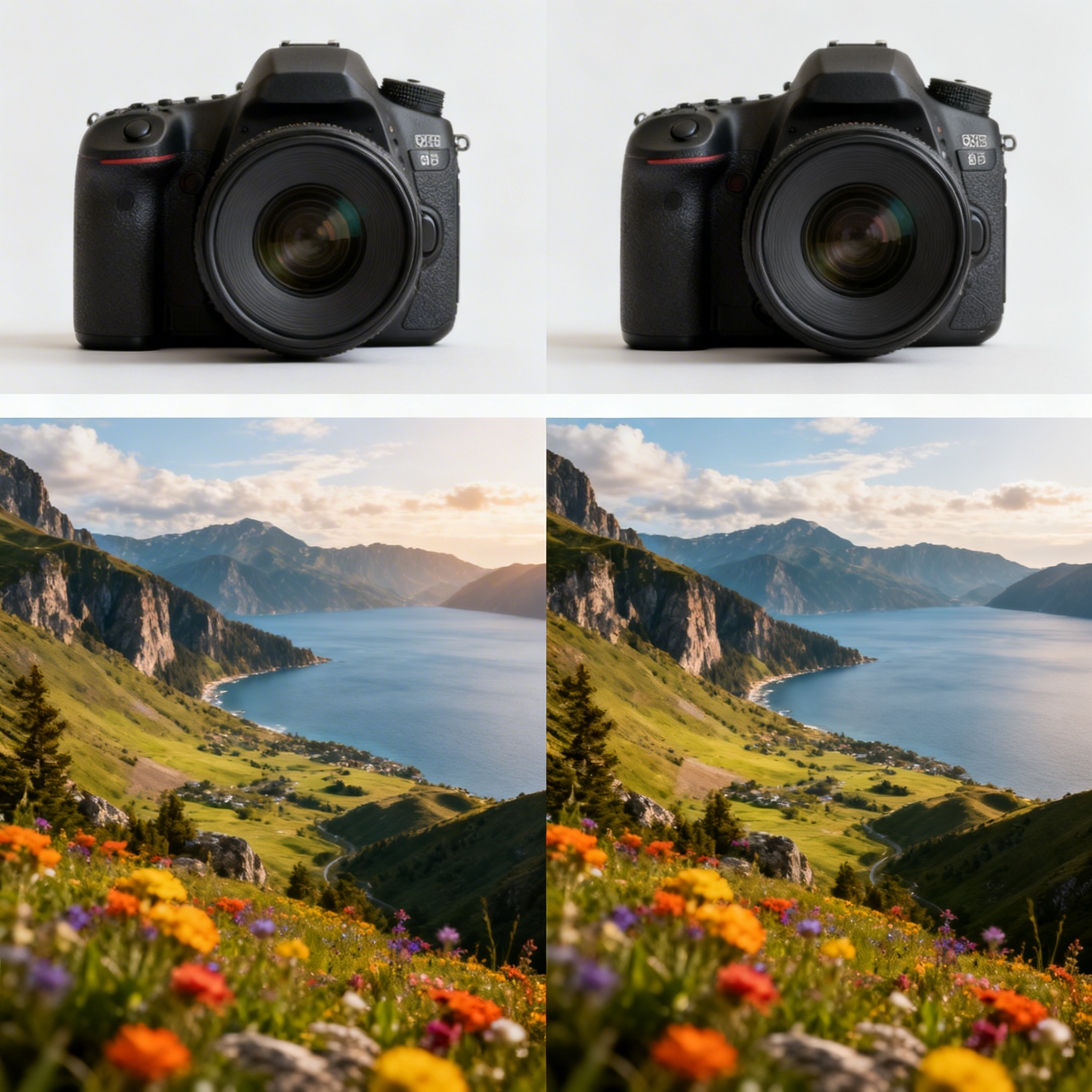
The photography world has undergone a dramatic transformation over the past decade, with mirrorless cameras challenging the long-standing dominance of DSLRs. As we move through 2026, the choice between these two camera systems has become more nuanced than ever before. Whether you’re a professional photographer, serious enthusiast, or someone looking to upgrade from smartphone photography, understanding the key differences between mirrorless and DSLR cameras is crucial for making an informed decision.
This comprehensive comparison will examine every aspect of both camera systems, from image quality and performance to ergonomics and lens ecosystems. By the end of this guide, you’ll have a clear understanding of which camera type best suits your specific needs and shooting style.
Understanding the Fundamental Differences
DSLR Cameras: The Traditional Powerhouse
DSLR (Digital Single Lens Reflex) cameras have been the gold standard for professional photography for decades. These cameras use a complex mirror mechanism that flips up and down to direct light from the lens either to the optical viewfinder or to the image sensor when taking a photo. This mechanical system creates the characteristic “click” sound associated with DSLR photography.
The optical viewfinder shows you exactly what the lens sees, providing a natural, lag-free viewing experience that many photographers prefer. DSLRs typically feature robust construction, exceptional battery life, and access to vast lens ecosystems that have been developed over many years.
Mirrorless Cameras: The Modern Evolution
Mirrorless cameras, as the name suggests, eliminate the mirror mechanism entirely. Instead, they rely on electronic viewfinders (EVFs) or LCD screens to display what the sensor sees in real-time. This fundamental design change allows for more compact camera bodies while maintaining professional image quality.
The electronic viewfinder provides a “what you see is what you get” experience, showing exposure, white balance, and other settings in real-time. This can be incredibly helpful for beginners and experienced photographers alike, as it removes much of the guesswork from exposure settings.
Image Quality and Performance Comparison
Sensor Technology and Image Quality
Both mirrorless and DSLR cameras can deliver exceptional image quality, and the differences between them have largely disappeared in recent years. Both systems are available with full-frame, APS-C, and micro four-thirds sensor sizes, each offering different advantages in terms of image quality, depth of field, and portability.
Dynamic Range and Low Light Performance: Modern sensors in both camera types offer impressive dynamic range and low-light capabilities. Full-frame sensors, whether in DSLRs or mirrorless cameras, typically provide better low-light performance and shallower depth of field compared to smaller sensor formats.
Color Science and Processing: Each manufacturer has developed its own color science and image processing algorithms. Canon’s color rendering has long been praised for skin tones, while Sony has made significant strides in color accuracy with their latest processors. The choice often comes down to personal preference rather than technical superiority.
Autofocus Systems
This is where mirrorless cameras have gained a significant advantage. Since the sensor is always active and analyzing the scene, mirrorless cameras can offer more sophisticated autofocus systems with features like:
- Face and Eye Detection: Advanced AI-powered detection that works with humans, animals, and even vehicles
- Real-time Tracking: Continuous subject tracking across the entire frame
- Silent Focusing: Near-silent autofocus operation for discrete shooting
DSLRs, particularly newer models, have improved their autofocus capabilities significantly, especially in live view mode. However, when using the optical viewfinder, they rely on separate phase-detection sensors that may not cover the entire frame.
Burst Shooting and Buffer Performance
Mirrorless cameras generally excel in burst shooting capabilities. Without the mirror mechanism to slow them down, many mirrorless cameras can achieve 20+ frames per second with full autofocus tracking. High-end DSLRs can also achieve impressive burst rates, typically ranging from 10-14 fps, but the mechanical limitations prevent them from matching the fastest mirrorless cameras.
Physical Design and Ergonomics
Size and Weight Considerations
One of the most immediately apparent differences between mirrorless and DSLR cameras is size and weight. Mirrorless cameras are generally more compact and lightweight due to the absence of the mirror box and pentaprism assembly.
However, this size advantage can be somewhat negated when you factor in lenses. Professional lenses for both systems tend to be similar in size and weight, as the optical requirements remain the same regardless of the camera body.
Build Quality and Weather Sealing
Both camera types are available with professional-grade build quality and comprehensive weather sealing. The choice between plastic, magnesium alloy, and other materials depends more on the specific model and price point rather than the camera type.
DSLR Advantages:
- Larger grip area for comfortable handling
- More physical controls and buttons
- Familiar button layout for traditional photographers
Mirrorless Advantages:
- More customizable controls and buttons
- Touchscreen interfaces
- More compact for travel photography
Battery Life
This is one area where DSLRs maintain a clear advantage. Since DSLRs only activate the sensor when taking a photo or using live view, they can achieve impressive battery life, often 800-1500+ shots per charge.
Mirrorless cameras, with their constantly active sensors and electronic viewfinders, typically offer 300-500 shots per charge. However, this gap has been narrowing with improved battery technology and more efficient processors.
Viewfinder Experience
Optical vs Electronic Viewfinders
The viewfinder experience represents one of the most subjective differences between these camera systems.
Optical Viewfinder Benefits (DSLR):
- Natural, lag-free view
- No pixelation or resolution limitations
- Works in any lighting condition
- No battery drain
- Easier on the eyes during long shooting sessions
Electronic Viewfinder Benefits (Mirrorless):
- Shows exact exposure and white balance
- Can display shooting information overlay
- Works in complete darkness
- Can simulate different film styles
- Provides magnification for manual focus
- Shows depth of field preview in real-time
Live View Performance
Both camera types offer live view functionality, but mirrorless cameras excel here since live view is their primary viewing method. DSLRs traditionally had slower, less responsive live view systems, though recent models have significantly improved.
Lens Ecosystems and Compatibility
Native Lens Selection
DSLR Lens Ecosystems: DSLRs benefit from decades of lens development, with extensive catalogs from both first-party manufacturers and third-party companies like Sigma, Tamron, and Tokina. Canon EF, Nikon F, and other DSLR mounts have hundreds of lens options available.
Mirrorless Lens Ecosystems: While newer than DSLR systems, mirrorless lens lineups have expanded rapidly. Sony’s E-mount system now rivals traditional DSLR systems in terms of variety and quality. Canon RF and Nikon Z mounts are growing quickly, with both companies prioritizing their mirrorless lens development.
Lens Adapters and Compatibility
One significant advantage of mirrorless cameras is their ability to adapt lenses from other systems with minimal compromise. The shorter flange distance allows for adapters that maintain infinity focus and often full electronic communication.
This means you can use vintage manual lenses, DSLR lenses, or even lenses from other manufacturers on mirrorless bodies, greatly expanding your lens options.
Video Capabilities
Mirrorless cameras have largely taken the lead in video capabilities, with many offering features that are either unavailable or limited in DSLRs:
Video Features Comparison
Mirrorless Video Advantages:
- 4K recording across most price ranges
- Better autofocus during video recording
- In-body image stabilization for smoother footage
- Higher frame rates for slow-motion
- Better low-light video performance
- More video-centric features and profiles
DSLR Video Limitations:
- Often limited to contrast-detect autofocus in video mode
- More limited 4K options in lower-end models
- Generally noisier autofocus operation during recording
Market Recommendations by Category
Best for Beginners
For newcomers to photography, mirrorless cameras often provide a more intuitive learning experience. The electronic viewfinder shows the effects of settings changes in real-time, making it easier to understand exposure, white balance, and other camera settings.
Recommended: Entry-level mirrorless cameras like the Sony a6000 series or Canon EOS M series offer excellent value and learning-friendly features.
Best for Professionals
Professional photographers’ needs vary widely depending on their specialization:
Portrait and Wedding Photographers: Both systems work well, but many professionals appreciate DSLR ergonomics and battery life for long shooting sessions.
Sports and Wildlife Photographers: Mirrorless cameras’ advanced autofocus systems and high burst rates make them increasingly popular, though DSLR telephoto lens selections remain strong.
Commercial and Studio Photographers: Both systems perform excellently, with the choice often coming down to existing lens investments and personal preference.
The Sony A7 IV represents an excellent choice for professionals transitioning to mirrorless, offering 33MP resolution, excellent low-light performance, and robust video capabilities.
Best for Travel Photography
Mirrorless cameras generally have the advantage for travel photography due to their more compact size and lighter weight. The ability to adapt various lenses also means you can pack lighter while maintaining lens variety.
Best for Video Content Creation
Mirrorless cameras dominate this category, offering superior video autofocus, better low-light video performance, and more video-centric features across all price ranges.
2026 Market Trends and Future Outlook
Manufacturer Focus Shifts
Most major camera manufacturers have shifted their primary development focus to mirrorless systems:
- Canon has stated that they’re focusing primarily on mirrorless development
- Nikon has similarly prioritized their Z-mount mirrorless system
- Sony continues to lead in mirrorless innovation
- Panasonic and Olympus remain committed to their mirrorless systems
Technology Developments
Recent technological advances favor mirrorless systems:
- Improved electronic viewfinder resolution and refresh rates
- Better battery life through more efficient processors
- Advanced AI-powered autofocus systems
- Enhanced in-body image stabilization
Making Your Decision: Key Considerations
When to Choose a DSLR
Consider a DSLR if you:
- Prefer optical viewfinders
- Need maximum battery life
- Have existing DSLR lens investments
- Shoot in extremely cold conditions where batteries drain quickly
- Prefer the larger, more traditional camera ergonomics
- Are budget-conscious and shopping for used equipment
When to Choose Mirrorless
Consider mirrorless if you:
- Value compact size and lighter weight
- Want the latest autofocus and video technology
- Prefer seeing exposure and settings in real-time
- Plan to adapt lenses from multiple systems
- Shoot video regularly
- Want access to the newest lens designs and technology
Practical Tips for Either System
Maximizing DSLR Performance
- Learn to use the optical viewfinder effectively - understand exposure compensation and metering modes
- Invest in quality lenses - take advantage of the mature lens ecosystem
- Use back-button focus - separate focus from the shutter button for better control
- Understand your autofocus system - learn which focus points work best for different scenarios
Maximizing Mirrorless Performance
- Carry extra batteries - the shorter battery life requires planning
- Customize your controls - take advantage of the extensive customization options
- Use focus peaking and magnification - leverage the EVF advantages for manual focus
- Explore lens adapters - experiment with lenses from other systems
Conclusion and Final Recommendations
The choice between mirrorless and DSLR cameras in 2026 is no longer about image quality – both systems can deliver exceptional results. Instead, the decision should be based on your specific needs, shooting style, and preferences.
Choose a mirrorless camera if you value the latest technology, compact size, superior video capabilities, and don’t mind managing battery life. Mirrorless cameras represent the future of photography, with manufacturers investing heavily in new features and lens development.
Choose a DSLR if you prefer optical viewfinders, need maximum battery life, have existing lens investments, or can find better deals on used equipment. DSLRs remain excellent cameras that will continue to serve photographers well for many years.
For most photographers entering the market today, mirrorless cameras offer the best combination of current technology, future-proofing, and feature sets. However, DSLRs shouldn’t be dismissed, especially if you can find them at attractive prices or if their specific advantages align with your shooting needs.
The Sony A7 IV exemplifies the current state of mirrorless technology, offering professional-grade features in a relatively compact body. However, the best camera is ultimately the one that fits your shooting style, budget, and creative vision.
Remember that camera technology will continue to evolve, but great photography has always been more about the photographer’s vision and skill than the specific equipment used. Whether you choose mirrorless or DSLR, focus on learning your camera’s capabilities thoroughly and developing your photographic eye – that’s what will truly elevate your photography in 2026 and beyond.
Related Tags
Looking for the Best Camera Deals?
Check out our latest buying guides and comparison articles to find the perfect camera for your needs.
Browse Buying Guides