
Night Photography Settings Guide: Capture Stunning Low-Light Images
Master night photography with our complete settings guide. Learn ideal ISO, aperture, and shutter speed for cityscapes, stars, and more.
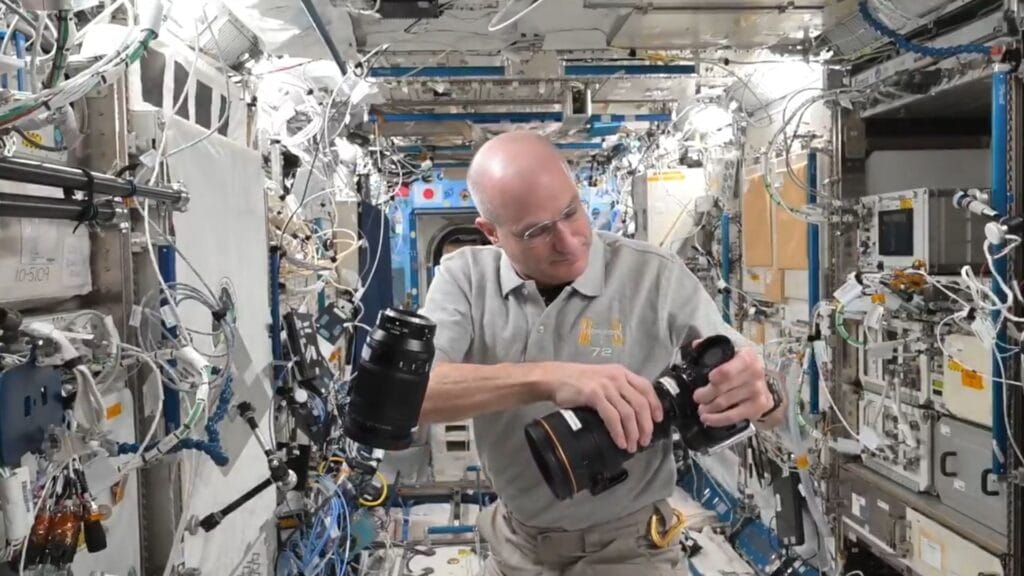
Night photography opens creative possibilities impossible during daylight. From glittering cityscapes to star-filled skies, mastering low-light settings transforms your photography.
Essential Equipment
Before diving into settings, ensure you have:
- Sturdy tripod - Essential for sharp long exposures
- Remote shutter - Prevents camera shake
- Fast lens - f/2.8 or wider preferred
- Flashlight - For light painting and focusing
Recommended: Peak Design Travel Tripod - Compact yet stable
Understanding the Exposure Triangle at Night
ISO
At night, you’ll push ISO higher than during day:
| Situation | ISO Range |
|---|---|
| City lights | 800-3200 |
| Moon-lit landscapes | 1600-6400 |
| Milky Way | 3200-12800 |
| Aurora | 1600-6400 |
Higher ISO means more noise. Modern cameras handle ISO 3200+ remarkably well.
Aperture
For maximum light: Use your widest aperture (f/1.4, f/1.8, f/2.8)
For star points: f/2.8 to f/4 (too wide causes coma at corners)
For cityscapes: f/8 to f/11 (for depth of field and star-bursts from lights)
Shutter Speed
This depends entirely on your subject:
| Subject | Shutter Speed |
|---|---|
| Handheld | 1/focal length or faster |
| Cityscapes | 1-30 seconds |
| Star trails | 15-30+ minutes |
| Milky Way | 500 Rule (see below) |
| Traffic trails | 10-30 seconds |
The 500 Rule for Stars
To avoid star trails when photographing the Milky Way:
Maximum shutter = 500 ÷ focal length
Examples:
- 24mm lens: 500 ÷ 24 = ~20 seconds
- 14mm lens: 500 ÷ 14 = ~35 seconds
- 50mm lens: 500 ÷ 50 = ~10 seconds
For APS-C sensors, use 333 instead of 500.
Specific Scenarios
City Skylines
Settings:
- ISO: 100-400
- Aperture: f/8-f/11
- Shutter: 10-30 seconds
- White balance: Tungsten or custom
Tips:
- Shoot during blue hour for best results
- Use f/11+ for starburst effects on lights
- Bracket exposures for HDR
Milky Way
Settings:
- ISO: 3200-6400
- Aperture: f/1.4-f/2.8
- Shutter: 15-25 seconds (500 rule)
- White balance: 3500-4500K
Tips:
- Scout locations during day
- Use apps to find Milky Way position
- Focus manually on a bright star
- Shoot during new moon
Light Trails
Settings:
- ISO: 100-400
- Aperture: f/8-f/16
- Shutter: 15-30 seconds
- White balance: Auto or tungsten
Tips:
- Choose locations with curves for dynamic trails
- Stack multiple exposures for more trails
- Use ND filter if ambient light is too bright
Moon Photography
Settings:
- ISO: 100-200
- Aperture: f/8-f/11
- Shutter: 1/125-1/250 (Looney 11 rule)
- White balance: Daylight
Looney 11 Rule: For a full moon, use f/11, ISO 100, and shutter = 1/ISO.
Focusing in the Dark
Autofocus struggles in low light. Solutions:
- Focus on distant lights - Lock focus on bright point
- Use live view zoom - Magnify and manual focus
- Infinity mark - Set lens to infinity (verify with test shot)
- Flashlight - Illuminate subject, focus, then turn off
Noise Reduction Strategies
In-Camera
- Long exposure NR (subtracts dark frame)
- High ISO NR (smooth shadows)
Post-Processing
- Luminance NR in Lightroom/Camera Raw
- Dedicated software (Topaz DeNoise AI)
- Stacking multiple exposures
Recommended Settings Quick Reference
| Scenario | ISO | Aperture | Shutter |
|---|---|---|---|
| Blue hour cityscape | 100 | f/11 | 15-30s |
| Milky Way | 3200 | f/2.8 | 20s |
| Star trails | 400 | f/4 | 30min+ |
| Traffic trails | 100 | f/11 | 20-30s |
| Full moon | 100 | f/11 | 1/125s |
| Aurora | 1600 | f/2.8 | 5-15s |
Practice Exercises
- Blue hour cityscape - Capture a city during the 30 minutes after sunset
- Light trail composite - Stack 5 exposures of traffic
- Star point focus - Practice achieving perfect focus on stars
- Moon composite - Blend properly exposed moon with landscape
Conclusion
Night photography rewards patience and practice. Start with cityscapes where feedback is immediate, then progress to more challenging subjects like the Milky Way.
Essential gear: A sturdy tripod makes all the difference.
Questions about night photography? Drop a comment below!
Related Tags
Looking for the Best Camera Deals?
Check out our latest buying guides and comparison articles to find the perfect camera for your needs.
Browse Buying Guides