
OM System OM-1 Mark II Review: Ultimate Micro Four Thirds Camera
Complete OM System OM-1 Mark II review covering specs, image quality, and performance. Discover if this Micro Four Thirds camera is worth buying in 2024.
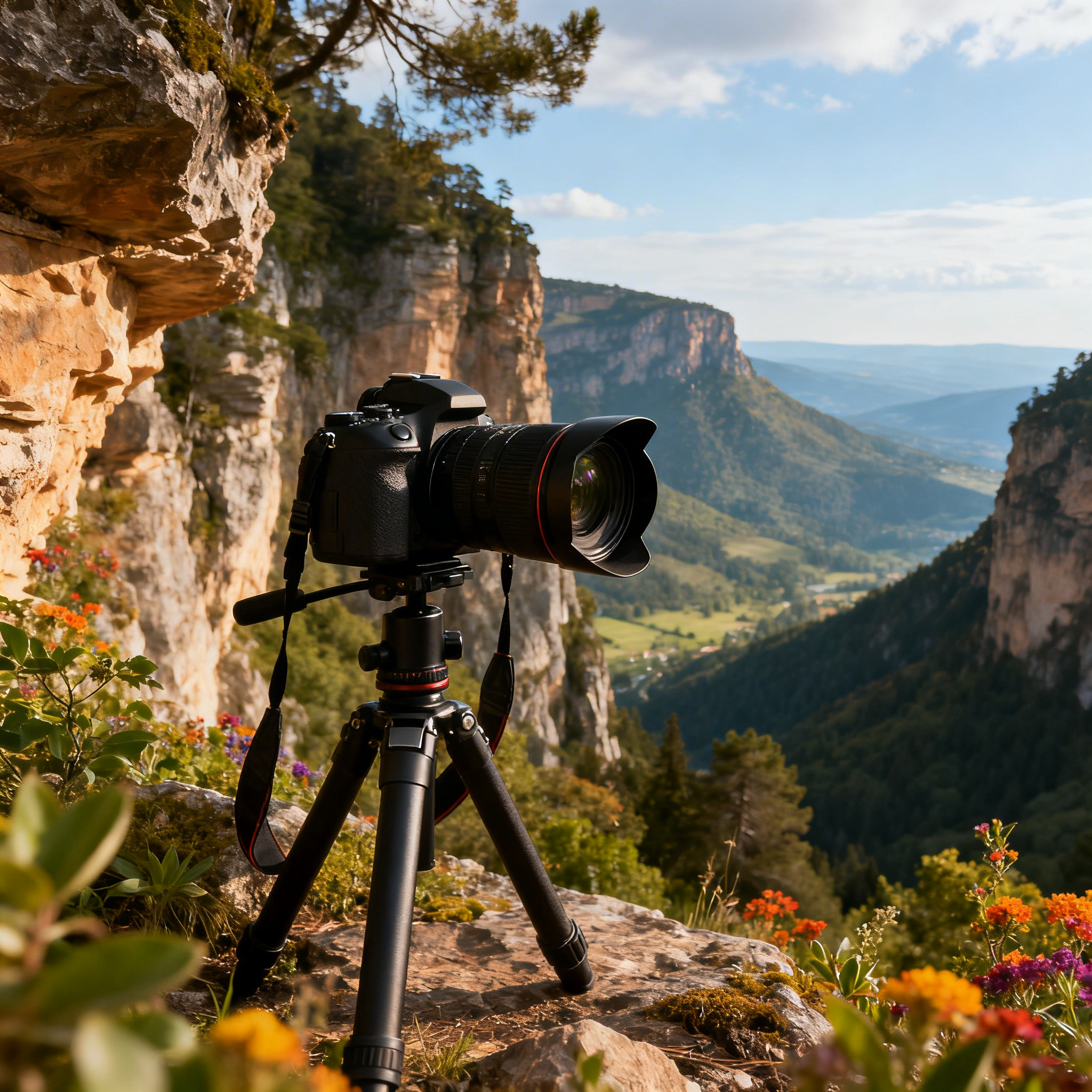
The OM System OM-1 Mark II represents a significant evolution in the Micro Four Thirds ecosystem, building upon the foundation laid by its predecessor while introducing meaningful improvements that address the needs of modern photographers and videographers. After spending several weeks with this camera in various shooting scenarios, from wildlife photography to street photography and video production, I’m ready to share my comprehensive insights on what this camera brings to the table.
Design and Build Quality
The OM-1 Mark II maintains the robust, weather-sealed construction that OM System (formerly Olympus) is renowned for. The magnesium alloy body feels substantial yet surprisingly lightweight at just 511 grams, making it an excellent choice for extended shooting sessions. The grip has been subtly refined, providing better purchase even when wearing gloves – a detail that wildlife and outdoor photographers will particularly appreciate.
The button layout remains largely unchanged from the original OM-1, which is both a blessing and a slight disappointment. While existing users will appreciate the familiar control scheme, some ergonomic improvements could have enhanced the overall user experience. The mode dial locks securely, and the dual control dials operate smoothly with satisfying tactile feedback.
Weather Sealing Performance
The IPX1-rated weather sealing has proven exceptional in real-world conditions. During a recent mountain photography expedition, the camera endured light rain, snow, and dusty conditions without any issues. The sealing extends to the battery compartment and card slots, providing confidence when shooting in challenging environments.
Technical Specifications
| Feature | OM System OM-1 Mark II |
|---|---|
| Sensor | 20.4MP Live MOS (Micro Four Thirds) |
| Image Processor | TruePic X |
| ISO Range | 200-25,600 (expandable to 102,400) |
| Autofocus | 1053-point Cross-type Phase Detection |
| Continuous Shooting | Up to 120fps (electronic), 10fps (mechanical) |
| Image Stabilization | 5-axis In-Body IS (up to 8 stops) |
| Video | 4K 60p, C4K, Full HD up to 240fps |
| EVF | 5.76M-dot OLED, 0.83x magnification |
| LCD | 3.0” vari-angle touchscreen, 1.62M dots |
| Storage | Dual CFexpress Type B / SD UHS-II slots |
| Battery | BLX-1 (up to 520 shots CIPA) |
| Dimensions | 134.8 x 91.6 x 72.7mm |
| Weight | 511g (body only) |
Image Quality and Performance
Sensor and Image Processing
The 20.4-megapixel Live MOS sensor, while not groundbreaking in terms of resolution, delivers impressive image quality with excellent dynamic range and color reproduction. The TruePic X processor handles the data efficiently, producing clean files with natural color rendition that requires minimal post-processing adjustment.
Low-light performance has seen notable improvements over the original OM-1. Images remain remarkably clean up to ISO 3200, with acceptable noise levels extending to ISO 6400. While the smaller Micro Four Thirds sensor can’t match the high-ISO performance of full-frame competitors like the Sony A7 IV, the OM-1 Mark II holds its own in most practical shooting situations.
Autofocus System
The 1053-point Cross-type Phase Detection autofocus system represents one of the camera’s strongest assets. Subject detection and tracking have been significantly enhanced, with improved algorithms for recognizing and following birds, vehicles, and human subjects. The system locks onto subjects quickly and maintains focus even in challenging conditions.
During wildlife photography sessions, the camera consistently tracked birds in flight with impressive accuracy. The various focus modes, including the specialized bird detection, work remarkably well, making this camera a serious contender for wildlife enthusiasts who prefer the reach advantage that Micro Four Thirds lenses provide.
Video Capabilities
The OM-1 Mark II has substantially improved its video credentials, addressing many complaints from the original model. The camera now records 4K at 60p internally, with C4K options for professional workflows. The addition of Full HD recording at up to 240fps opens up exciting slow-motion possibilities.
Video Quality and Features
Color grading flexibility has improved with better codec options, though the camera still falls short of offering internal ProRes or similar professional codecs. The footage exhibits good detail and color reproduction, with effective stabilization that makes handheld shooting viable for many scenarios.
The flip-out LCD screen proves invaluable for video work, allowing for comfortable monitoring from various angles. However, the lack of a headphone jack on the body (requiring an optional adapter) may frustrate video professionals who need constant audio monitoring.
In-Body Image Stabilization
The 5-axis image stabilization system claims up to 8 stops of compensation, and real-world performance comes impressively close to this figure. Handheld shooting at surprisingly slow shutter speeds becomes possible, even with longer telephoto lenses. This stabilization advantage partially offsets the depth of field limitations inherent to the Micro Four Thirds format.
For video work, the stabilization proves particularly valuable, delivering smooth footage that rivals gimbal-stabilized results in many situations. The system works synergistically with optically stabilized lenses, providing exceptional stability.
Battery Life and Storage
Battery life has improved modestly over the original OM-1, with CIPA ratings suggesting around 520 shots per charge. Real-world usage typically yields better results, particularly when using the EVF judiciously and managing power-hungry features like continuous autofocus.
The dual card slots accept both CFexpress Type B and SD UHS-II cards, providing flexibility for different shooting needs and budgets. CFexpress cards are recommended for high-speed burst shooting and 4K video recording to avoid buffer limitations.
Lens Ecosystem and Compatibility
The Micro Four Thirds lens ecosystem remains one of the format’s strongest selling points. The 2x crop factor effectively doubles the reach of any lens, making a 300mm lens equivalent to 600mm in full-frame terms. This reach advantage, combined with generally lighter and more compact lenses, creates a compelling package for wildlife and sports photography.
Premium lenses from OM System and Panasonic deliver exceptional optical quality, while third-party options provide budget-friendly alternatives. The extensive lens selection, from ultra-wide to super-telephoto, ensures that most photographic needs can be addressed within the system.
Performance in Different Shooting Scenarios
Wildlife Photography
The OM-1 Mark II excels in wildlife photography applications. The reach advantage of Micro Four Thirds, combined with excellent image stabilization and fast autofocus, creates a compelling combination. The high-speed burst modes allow for capturing fleeting moments, while the improved buffer handling keeps the camera responsive.
Bird detection autofocus works remarkably well, even with smaller subjects against complex backgrounds. The camera’s ability to track erratically moving subjects makes it a viable alternative to much more expensive full-frame systems for many wildlife applications.
Street and Travel Photography
The compact size and discreet operation make this camera excellent for street photography. The silent electronic shutter modes allow for candid photography without drawing attention, while the weather sealing provides peace of mind in various conditions.
The touchscreen interface works well for quick focus point selection, and the overall handling encourages extended shooting sessions without fatigue. The extensive customization options allow photographers to tailor the camera’s operation to their specific preferences.
Portrait and Studio Work
While not the most obvious choice for portrait work, the OM-1 Mark II can certainly deliver professional results. The main limitation lies in achieving extremely shallow depth of field due to the format’s characteristics, but this can be overcome with appropriate lens selection and shooting techniques.
The color reproduction and dynamic range provide a solid foundation for portrait work, with skin tones rendering naturally. The flip-out screen proves useful for unconventional angles and client interaction during shoots.
Pros and Cons
Advantages
- Exceptional build quality and weather sealing - Professional-grade construction that inspires confidence
- Outstanding image stabilization - Industry-leading performance that enables new creative possibilities
- Fast and accurate autofocus - Reliable subject tracking and detection capabilities
- Compact system size - Significant weight and size advantages over full-frame alternatives
- Extensive lens ecosystem - Wide selection of high-quality native lenses
- Improved video capabilities - 4K 60p recording and enhanced color grading options
- High-speed shooting modes - Up to 120fps for capturing fast action
- Excellent handling - Intuitive controls and customization options
Limitations
- Micro Four Thirds sensor limitations - Inherent depth of field and high-ISO performance constraints
- Limited dynamic range compared to larger sensors - Though adequate for most applications
- Video codec options - Lack of internal ProRes or other professional formats
- Price point - Expensive compared to some full-frame alternatives
- Buffer limitations with certain card types - CFexpress recommended for optimal performance
- No built-in headphone jack - Requires adapter for professional video monitoring
Who Should Buy the OM System OM-1 Mark II
Ideal Candidates
Wildlife and Nature Photographers: The reach advantage, excellent stabilization, and fast autofocus make this camera particularly appealing for wildlife work. The weather sealing and compact size are additional benefits for outdoor photography.
Travel Photographers: Those who prioritize system compactness and versatility will appreciate the size and weight savings without sacrificing image quality or professional features.
Content Creators: The improved video capabilities, combined with excellent stabilization and compact form factor, make this camera suitable for content creation workflows.
Existing Micro Four Thirds Users: Current system users looking to upgrade will find meaningful improvements while maintaining compatibility with existing lenses.
Consider Alternatives If
You primarily shoot portraits or commercial work requiring extreme depth of field control, need the absolute best high-ISO performance, or require professional video features like internal ProRes recording. In these cases, full-frame alternatives like the Sony A7 IV might better serve your needs.
Practical Tips for Getting the Most from Your OM-1 Mark II
Optimization Strategies
Customize Your Controls: Take advantage of the extensive customization options to set up the camera for your specific shooting style. Assign frequently used functions to easily accessible buttons and dials.
Master the Focus Modes: Experiment with the various subject detection modes to understand which works best for your typical subjects. The bird detection mode, in particular, can dramatically improve wildlife photography success rates.
Leverage the Stabilization: Don’t be afraid to shoot handheld at slower shutter speeds than you might with other systems. The stabilization system is genuinely exceptional and opens up new creative possibilities.
Choose Your Memory Cards Wisely: Invest in fast CFexpress cards if you plan to use the high-speed burst modes frequently or shoot a lot of 4K video. The performance difference is significant.
Battery Management
Consider purchasing additional batteries for extended shooting sessions, particularly when shooting video or using the camera in cold conditions. The USB-C charging capability allows for convenient charging using power banks during travel.
Final Verdict
The OM System OM-1 Mark II represents a mature and refined camera that successfully addresses many of the concerns raised about its predecessor. While it can’t overcome the fundamental physics of the Micro Four Thirds format, it maximizes the advantages while minimizing the compromises.
For photographers who value system compactness, exceptional build quality, and specialized features like outstanding image stabilization and fast autofocus, the OM-1 Mark II presents a compelling proposition. The camera excels in specific niches, particularly wildlife and travel photography, where its strengths align well with typical shooting requirements.
The improved video capabilities broaden its appeal to content creators, though dedicated videographers might still prefer systems with more comprehensive video-centric features. The price point positions it as a professional tool, and the build quality and performance justify this positioning.
Ultimately, the OM System OM-1 Mark II succeeds as a specialized tool for photographers who understand and can leverage the unique advantages of the Micro Four Thirds system. It’s not a camera for everyone, but for its target audience, it represents one of the most refined and capable options available in the mirrorless market today.
Whether this camera is right for you depends largely on your shooting priorities and whether the system’s advantages align with your photographic goals. For wildlife photographers, travel enthusiasts, and anyone who values exceptional handling in a compact package, the OM-1 Mark II deserves serious consideration among your upgrade options.
Related Tags
Looking for the Best Camera Deals?
Check out our latest buying guides and comparison articles to find the perfect camera for your needs.
Browse Buying Guides