
Photography Industry Trends 2026: What's Next for Pros
Discover the latest photography industry trends shaping 2026. From AI integration to new revenue streams, stay ahead in the evolving photo market.
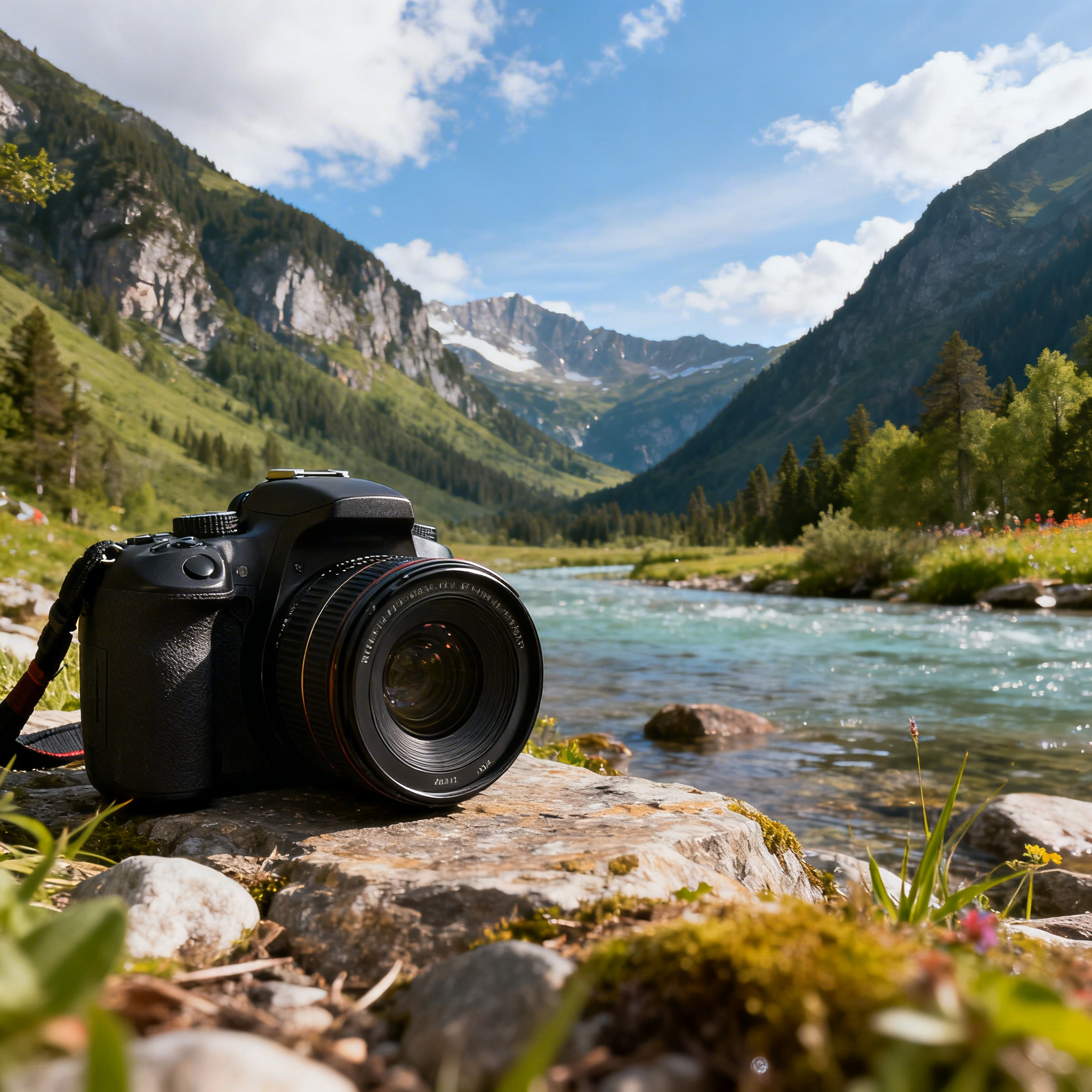
The photography industry continues to evolve at breakneck speed, with 2026 shaping up to be a pivotal year for both professional photographers and enthusiasts alike. Recent industry announcements and emerging technologies are painting a picture of dramatic shifts in how we capture, process, and consume visual content. From revolutionary AI-powered cameras to groundbreaking sustainability initiatives, the photography landscape is experiencing its most significant transformation in decades.
Revolutionary AI Integration Transforms Camera Technology
Smart Composition and Scene Recognition
The most significant announcement reshaping photography in 2026 comes from the widespread adoption of advanced artificial intelligence directly integrated into camera hardware. Major manufacturers have revealed that their latest flagship models now feature dedicated AI processors capable of real-time scene analysis, automatic composition suggestions, and predictive focusing that anticipates subject movement before it happens.
This technology represents a quantum leap from the basic scene modes photographers have grown accustomed to. The new AI systems can identify not just what’s in the frame, but understand the emotional context and artistic intent behind a shot. For instance, when photographing a wedding ceremony, the camera can automatically adjust settings to capture both the intimate moments and the broader ceremonial context without missing critical shots.
Automated Post-Processing Revolution
Perhaps even more groundbreaking is the announcement of in-camera AI processing that can deliver publication-ready images straight from the sensor. This technology analyzes shooting conditions, subject matter, and even the photographer’s historical editing preferences to apply sophisticated adjustments in real-time. The implications for professional workflows are staggering – what once required hours in post-production can now be accomplished instantaneously.
Industry analysts predict this will fundamentally alter the professional photography business model. Studios report they can now handle significantly more clients while maintaining quality standards, though this efficiency gain comes with new challenges around pricing and market competition.
Computational Photography Reaches New Heights
Multi-Lens Systems Become Standard
The announcement that multi-lens computational photography systems will become standard across all camera categories in 2026 marks another major industry shift. These systems combine images from multiple sensors simultaneously to create shots with unprecedented dynamic range, depth of field control, and resolution.
Professional photographers working with the latest systems report being able to capture scenes that were previously impossible without extensive lighting setups or composite techniques. Wedding photographers, in particular, are finding they can capture both the bride’s expression and the ambient cathedral lighting in a single exposure with perfect clarity throughout.
Real-Time HDR and Focus Stacking
The integration of real-time HDR processing and focus stacking capabilities directly into camera bodies represents another significant technological leap. These features, previously requiring specialized software and multiple exposures, now happen automatically during the capture process. The Sony A7 IV has become a popular choice among professionals adapting to these new computational photography workflows.
Landscape photographers are particularly excited about these developments, as they can now capture scenes with extreme dynamic range – from deep shadows to bright highlights – in a single handheld shot, eliminating the need for tripods and multiple exposures in many situations.
Sustainability Initiatives Reshape Manufacturing
Carbon-Neutral Production Goals
Major camera manufacturers have announced ambitious carbon-neutral production goals for 2026, with some companies going further to promise carbon-negative operations by incorporating environmental restoration into their business models. This shift reflects growing consumer awareness of environmental issues and represents a significant change in industry priorities.
The implications extend beyond marketing appeal. Companies are redesigning their entire supply chains, from sourcing raw materials to packaging and distribution. Some manufacturers are introducing modular camera designs that allow users to upgrade specific components rather than replacing entire camera bodies, significantly reducing electronic waste.
Sustainable Material Innovation
The announcement of new sustainable materials in camera construction has surprised many industry observers. Advanced bio-plastics and recycled metal alloys are being integrated into camera bodies without compromising durability or weather resistance. Early testing suggests these materials may actually improve upon traditional construction methods in some applications.
Professional photographers using early models report that the new materials feel more comfortable during extended shooting sessions and show better resistance to wear patterns. The environmental benefits combined with practical improvements suggest this trend will accelerate rapidly throughout 2026.
Professional Photography Market Dynamics
Subscription-Based Equipment Models
One of the most controversial announcements affecting professional photographers is the introduction of subscription-based equipment models by several major manufacturers. Instead of purchasing cameras and lenses outright, professionals can now access the latest equipment through monthly subscription services that include automatic upgrades, maintenance, and insurance coverage.
The photography community remains divided on this development. Established professionals with significant equipment investments express concern about long-term costs and equipment ownership. However, emerging photographers and studios appreciate the reduced barriers to accessing professional-grade equipment and the predictable monthly expenses for budgeting purposes.
AI-Assisted Client Matching
Professional photography platforms have announced AI-powered client matching services that analyze photographer portfolios, shooting styles, and availability to automatically connect professionals with suitable projects. This technology promises to streamline the often time-consuming process of finding and booking appropriate photography services.
Early adopters report significant improvements in client satisfaction and project outcomes, as the matching algorithms consider factors beyond simple availability and pricing. The system evaluates artistic compatibility, technical requirements, and even personality matching to ensure successful collaborations.
Content Creation and Social Media Integration
Native Social Platform Integration
Camera manufacturers have announced direct integration with major social media platforms, allowing photographers to upload, edit, and publish content without requiring separate devices or applications. This seamless workflow addresses the growing importance of social media in professional photography marketing and client engagement.
The implications for content creators are substantial. Fashion and lifestyle photographers report being able to provide clients with social media-ready content during shoots, rather than weeks later after post-processing. This immediate delivery capability is becoming a significant competitive advantage in fast-paced commercial environments.
Live Streaming Photography Services
A surprising trend emerging in 2026 is the growth of live streaming photography services, where clients can watch their photo sessions in real-time and provide immediate feedback. This development has been enabled by improved camera connectivity and streaming technology, but its adoption reveals changing client expectations about involvement in the creative process.
Wedding photographers pioneering this approach report that family members who cannot attend ceremonies appreciate being able to witness key moments through live photo streams. Commercial photographers find that clients can make immediate decisions about shot selection and styling, significantly reducing revision cycles.
Education and Skill Development Trends
AI-Powered Learning Platforms
The announcement of AI-powered photography education platforms represents a significant shift in how photographers develop and refine their skills. These systems analyze individual shooting patterns, identify areas for improvement, and provide personalized learning paths that adapt to each photographer’s progress and interests.
Professional development is being revolutionized through these platforms, which can simulate various shooting conditions and provide immediate feedback on technique, composition, and technical settings. Photography schools are beginning to integrate these tools into their curricula, allowing students to practice complex scenarios safely and repeatedly.
Virtual Reality Training Environments
Virtual reality training environments for photography are moving from experimental to mainstream in 2026. These systems allow photographers to practice in challenging or expensive environments – from fashion studios to extreme weather conditions – without the associated costs and risks.
Wildlife photographers, in particular, are embracing VR training to practice techniques for photographing dangerous animals or accessing remote locations. The technology allows them to develop skills and test equipment setups before expensive expedition investments.
Technical Innovation and Equipment Developments
Sensor Technology Breakthroughs
Recent announcements regarding sensor technology improvements promise to address several long-standing limitations in digital photography. New sensor designs offer dramatically improved low-light performance while maintaining high resolution, effectively eliminating the traditional trade-off between sensitivity and detail.
These developments are particularly significant for photojournalists and documentary photographers who often work in challenging lighting conditions. Early reports suggest that the new sensors can capture usable images in lighting conditions that would have been impossible just two years ago.
Battery Life and Power Management
Significant improvements in battery technology and power management systems have been announced for 2026 camera models. Advanced power management algorithms combined with more efficient processing systems promise to extend shooting sessions dramatically while reducing the need for multiple batteries during long events.
Professional event photographers express particular enthusiasm for these developments, as extended battery life directly translates to fewer missed shots during critical moments. Wedding photographers report being able to cover entire events with single battery charges, eliminating concerns about power management during ceremonies.
Market Analysis and Economic Implications
Industry Growth Projections
Economic analysts project that the photography industry will experience significant growth in 2026, driven primarily by technological innovations and expanding applications for professional photography services. The integration of AI and computational photography is creating new market segments and service opportunities that didn’t exist previously.
Commercial photography, in particular, is experiencing unprecedented demand as businesses recognize the importance of high-quality visual content for digital marketing. The ability to produce more content faster through technological improvements is enabling photographers to serve more clients while maintaining quality standards.
Pricing Structure Evolution
The photography industry’s pricing structures are evolving rapidly in response to technological changes and new service delivery models. Many professionals are moving away from traditional per-shot pricing toward value-based models that consider the full scope of services provided, including AI-assisted editing and social media optimization.
This shift reflects the changing nature of photography services, where the technical act of capturing images represents a smaller portion of the total value delivered to clients. Successful photographers are positioning themselves as visual content strategists rather than simply image creators.
Practical Implementation Tips for Photographers
Adapting to AI-Assisted Workflows
Photographers looking to integrate AI-assisted technologies into their workflows should start gradually, focusing on areas where automation can provide the most immediate value without compromising creative control. Begin with automated basic adjustments and gradually expand to more complex AI-assisted features as comfort and confidence develop.
It’s crucial to maintain creative oversight even when using advanced AI systems. The technology should enhance rather than replace artistic vision and technical expertise. Successful photographers are finding ways to leverage AI efficiency gains while preserving the personal touch that differentiates their work.
Building Sustainable Business Models
Professional photographers should consider how sustainability initiatives might affect their business operations and client expectations. Developing environmentally conscious practices can become a competitive advantage as clients increasingly value sustainability in vendor selection.
Consider implementing digital-first workflows, sustainable equipment practices, and environmental responsibility messaging in marketing materials. These approaches can attract environmentally conscious clients while potentially reducing operational costs.
Staying Current with Technology Trends
The rapid pace of technological change requires photographers to develop systematic approaches to staying current with industry developments. Establish regular learning schedules, participate in professional development opportunities, and experiment with new technologies in low-risk situations before implementing them in client work.
Building relationships with equipment suppliers and attending industry events can provide early access to emerging technologies and insights into upcoming developments that might affect business operations.
Future Outlook and Strategic Considerations
The photography industry’s transformation in 2026 represents both tremendous opportunities and significant challenges for professionals at all levels. The technological advances announced this year will likely accelerate rather than stabilize, requiring ongoing adaptation and learning.
Successful photographers will be those who can effectively balance technological efficiency with creative vision, using new tools to enhance rather than replace their artistic abilities. The industry is moving toward higher service expectations, more diverse delivery methods, and increased integration with digital marketing ecosystems.
For photography businesses, the key to thriving in this environment lies in understanding that technology is enabling new forms of value creation rather than simply making existing processes more efficient. The most successful professionals will be those who can identify and develop these new value propositions while maintaining the quality and creativity that define excellent photography.
The sustainability trends emerging in 2026 appear to be more than temporary market adjustments – they represent fundamental shifts in how the industry operates and positions itself within the broader economy. Photographers who embrace these changes early will likely find themselves better positioned for long-term success.
As we move through 2026, the photography industry continues to demonstrate its resilience and adaptability in the face of rapid technological change. The announcements and trends discussed here suggest that while the tools and methods of photography are evolving dramatically, the fundamental value of skilled photographers who can capture meaningful, impactful images remains as important as ever.
Looking for the Best Camera Deals?
Check out our latest buying guides and comparison articles to find the perfect camera for your needs.
Browse Buying Guides