
Portrait Lighting Techniques for Beginners: Easy Guide
Master portrait lighting with our beginner-friendly tutorial. Learn key lighting setups, natural light tips, and studio techniques to create stunning portraits.
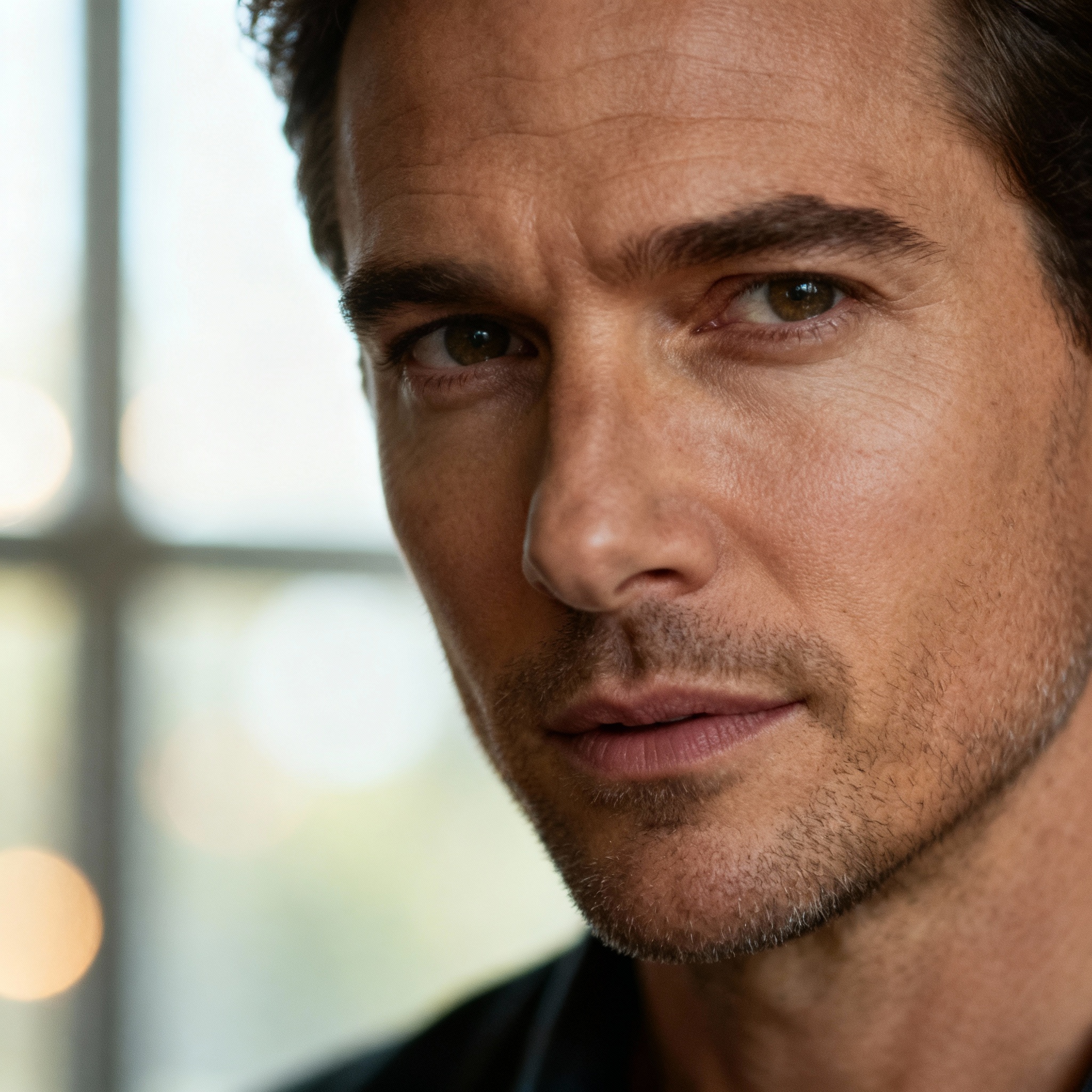
Whether you’re just starting your photography journey or looking to elevate your portrait game, mastering lighting techniques is one of the most crucial skills you can develop. Good lighting can transform an ordinary portrait into something extraordinary, while poor lighting can ruin even the most expensive camera setup.
In this comprehensive guide, we’ll walk you through essential portrait lighting techniques that every beginner photographer should master. From understanding natural light to creating professional studio setups, you’ll learn practical methods that you can implement immediately.
Understanding the Fundamentals of Portrait Lighting
Before diving into specific techniques, it’s important to grasp the basic principles that govern all portrait lighting. Light has three fundamental characteristics that affect how your subject appears: direction, quality, and intensity.
The direction of light determines where shadows fall on your subject’s face, creating depth and dimension. Quality refers to whether the light is hard (creating sharp shadows) or soft (creating gradual transitions). Intensity controls how bright or dark your image appears overall.
The Key Elements of Portrait Lighting
Every portrait lighting setup consists of several key elements:
- Key Light: The main light source that illuminates your subject
- Fill Light: Secondary light that reduces harsh shadows
- Hair Light: Separates the subject from the background
- Background Light: Illuminates the backdrop independently
Understanding these elements allows you to control the mood, drama, and overall feel of your portraits.
Natural Light Portrait Techniques
Natural light is often the most accessible and forgiving light source for beginners. It’s free, readily available, and can produce stunning results when used correctly.
Window Light Photography
Windows provide some of the most beautiful, soft light for portraits. The key is understanding how to position your subject relative to the window.
Step-by-step window light setup:
- Position your subject 2-3 feet away from a large window
- Turn them at a 45-degree angle to the window
- Use a white poster board or reflector on the shadow side to fill in dark areas
- Experiment with sheer curtains to diffuse harsh sunlight
Camera settings for window light:
- Aperture: f/2.8 to f/5.6 for shallow depth of field
- ISO: 100-800 depending on available light
- Shutter Speed: 1/125s or faster to avoid camera shake
The quality of window light changes throughout the day. Morning and late afternoon provide warm, golden tones, while overcast days offer beautifully diffused light that’s perfect for even illumination.
Golden Hour Portraits
The golden hour—approximately one hour before sunset—provides magical lighting conditions for outdoor portraits. The sun sits low on the horizon, creating warm, soft light that flatters skin tones.
Golden hour technique:
- Position your subject so the sun is behind them (backlighting)
- Use a reflector or fill flash to illuminate their face
- Meter for your subject’s face, not the bright background
- Consider using a lens hood to prevent flare
For golden hour photography, a camera with excellent low-light performance like the Sony A7 IV can help you capture clean images even as light levels drop.
Essential Studio Lighting Setups
While natural light is wonderful, having control over artificial lighting opens up endless creative possibilities. Here are fundamental studio lighting patterns every beginner should learn.
Rembrandt Lighting
Named after the famous painter, Rembrandt lighting creates a distinctive triangle of light on the shadowed cheek. This technique adds drama and dimension to portraits.
How to create Rembrandt lighting:
- Place your key light at a 45-degree angle to your subject
- Raise the light slightly above eye level
- Adjust the angle until you see a small triangle of light on the far cheek
- Add a fill light on the opposite side at 1/4 the power of the key light
Settings recommendations:
- Aperture: f/5.6 to f/8 for sharp focus across the face
- ISO: 100-200 for cleanest image quality
- Shutter Speed: 1/125s (limited by flash sync speed)
Loop Lighting
Loop lighting is versatile and flattering for most face shapes. It creates a small shadow of the nose that “loops” down toward the corner of the mouth.
Loop lighting setup:
- Position your key light slightly off to one side and above eye level
- The nose shadow should not touch the shadow from the cheek
- Use a large softbox or umbrella for gentle light quality
- Add fill light as needed to control contrast
This technique works well for headshots and professional portraits because it’s universally flattering.
Butterfly Lighting
Also known as paramount lighting, butterfly lighting creates a small shadow directly under the nose that resembles a butterfly shape. This glamorous lighting style was popular in classic Hollywood portraits.
Creating butterfly lighting:
- Place your key light directly in front of and above your subject
- Position the light high enough to create the butterfly shadow
- Use a beauty dish or large softbox for optimal light quality
- Add a reflector below the subject’s chin to fill in under-eye shadows
Working with Light Modifiers
Light modifiers are tools that shape and control your light sources. Understanding how different modifiers affect light quality will dramatically improve your portrait results.
Softboxes vs. Umbrellas
Softboxes create controlled, directional light with gradual falloff. They’re excellent for professional portraits where you need precise light control.
Umbrellas provide broader, more forgiving light. They’re perfect for beginners because they’re easier to use and less expensive than softboxes.
Reflectors and Fill Cards
Reflectors are essential tools for portrait photography. They bounce existing light back onto your subject, reducing harsh shadows and evening out exposure.
Types of reflectors:
- White: Neutral fill light, most natural-looking
- Silver: Bright, contrasty fill with cool color temperature
- Gold: Warm fill light, great for sunset-like effects
- Black: Actually removes light, deepening shadows for dramatic effect
Camera Settings for Portrait Lighting
Getting your camera settings right is crucial for capturing well-lit portraits. Here’s a comprehensive breakdown of optimal settings for different lighting scenarios.
Aperture Considerations
Your aperture choice affects both depth of field and image sharpness:
- f/1.4-f/2.8: Extremely shallow depth of field, subject isolation
- f/4-f/5.6: Good balance of sharpness and background blur
- f/8-f/11: Sharp across most of the frame, good for group portraits
ISO Settings
Modern cameras handle higher ISOs much better than older models, but it’s still best to keep ISO as low as possible:
- ISO 100-400: Optimal image quality, use whenever possible
- ISO 800-1600: Acceptable quality for most purposes
- ISO 3200+: Use only when necessary, may require noise reduction
Shutter Speed Guidelines
For handheld portrait photography:
- 1/focal length rule: Use 1/125s for 100mm lens, 1/200s for 200mm lens
- Image stabilization: Can allow 2-3 stops slower shutter speeds
- Flash photography: Usually limited to 1/200s or slower sync speed
Troubleshooting Common Lighting Problems
Even experienced photographers encounter lighting challenges. Here are solutions to common portrait lighting issues:
Harsh Shadows
Problem: Direct light creates unflattering, deep shadows Solution: Use larger light sources or diffusion materials to soften the light
Flat, Boring Light
Problem: Subject lacks dimension and looks flat Solution: Create more directional lighting with greater contrast between highlight and shadow areas
Uneven Skin Tones
Problem: Mixed lighting sources create color casts Solution: Use consistent light sources or adjust white balance for each light type
Red Eyes in Flash Photography
Problem: Direct flash causes red-eye effect Solution: Bounce flash off ceiling or wall, or use off-camera flash
Advanced Tips for Better Portrait Lighting
The Inverse Square Law
Understanding how light intensity decreases with distance helps you control exposure and contrast. When you double the distance from light to subject, the light intensity becomes one-quarter as bright.
Color Temperature Considerations
Different light sources have different color temperatures:
- Tungsten bulbs: 3200K (warm/orange)
- Fluorescent lights: 4000K (cool/green)
- Daylight: 5600K (neutral)
- Open shade: 7000K (very cool/blue)
Match your camera’s white balance to your primary light source for accurate colors.
Creating Mood with Light
The quality and direction of light dramatically affect the mood of your portraits:
- Soft, even light: Creates a peaceful, approachable feeling
- Hard, directional light: Adds drama and intensity
- Backlighting: Creates a dreamy, ethereal quality
- Low-key lighting: Produces mysterious, dramatic portraits
Building Your Portrait Lighting Kit
As you develop your skills, you’ll want to build a collection of lighting equipment. Here’s a suggested progression for beginners:
Starter Kit
- One or two speedlights/strobes
- Light stands
- Shoot-through umbrella
- 5-in-1 reflector set
Intermediate Kit
- Additional strobes
- Softboxes in various sizes
- Background and background stand
- Light meter
Advanced Kit
- Beauty dish
- Grid spots and barn doors
- Hair light with boom arm
- Continuous LED panels for video
Conclusion and Next Steps
Mastering portrait lighting is a journey that combines technical knowledge with artistic vision. Start with natural light to understand the fundamentals, then gradually incorporate artificial lighting as you become more comfortable.
The key to improvement is consistent practice. Try each technique multiple times with different subjects to understand how various lighting patterns affect different face shapes and skin tones. Don’t be afraid to experiment—some of the best portraits come from breaking traditional rules.
Remember that equipment doesn’t make great portraits; understanding light does. You can create stunning portraits with basic equipment if you understand how to see and shape light effectively. Focus on learning one technique thoroughly before moving on to the next, and always prioritize the quality of light over the quantity of gear.
As you progress, consider investing in a camera with excellent low-light performance like the Sony A7 IV, which can help you achieve professional results in challenging lighting conditions.
Most importantly, remember that portrait photography is about connecting with your subjects and telling their stories through light. Technical perfection means nothing without genuine human emotion and connection in your images.
Related Tags
Looking for the Best Camera Deals?
Check out our latest buying guides and comparison articles to find the perfect camera for your needs.
Browse Buying Guides