
Rule of Thirds Photography: Complete Step-by-Step Tutorial
Master the rule of thirds in photography with our detailed step-by-step tutorial. Learn composition techniques to create stunning, professional photos.
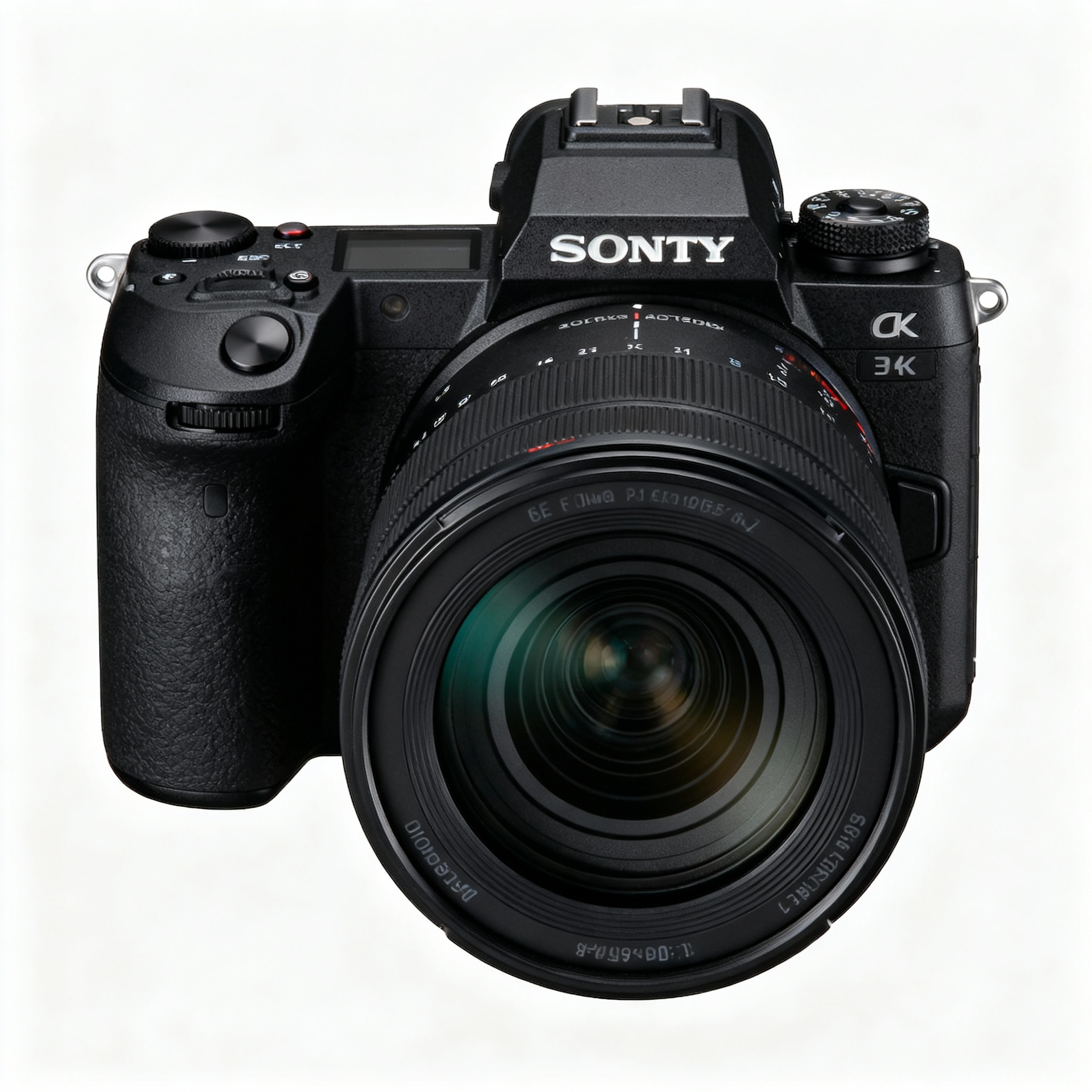
The rule of thirds is one of the most fundamental composition techniques in photography, yet many photographers struggle to implement it effectively. This powerful compositional guideline can transform ordinary photos into visually compelling images that naturally draw the viewer’s eye and create more balanced, engaging compositions.
Whether you’re a beginner picking up your first camera or an intermediate photographer looking to refine your composition skills, mastering the rule of thirds will significantly improve your photography across all genres – from landscapes and portraits to street photography and macro work.
Understanding the Rule of Thirds
The rule of thirds divides your camera frame into nine equal sections using two horizontal and two vertical lines, creating a 3×3 grid. Instead of centering your subject, this technique suggests placing important elements along these lines or at their intersection points, known as “power points” or “sweet spots.”
This compositional approach stems from the golden ratio found in classical art and architecture, which humans naturally find pleasing to view. When you position key elements along these grid lines, your photos become more dynamic and visually interesting than traditional centered compositions.
Why the Rule of Thirds Works
The human eye doesn’t naturally gravitate toward the center of an image. Instead, our visual system tends to scan images in patterns, often following the natural flow created by off-center compositions. The rule of thirds leverages this psychological tendency, creating images that feel more natural and engaging.
Research in visual perception shows that placing subjects along these grid lines creates tension and interest, while centered subjects often appear static or boring. This doesn’t mean centered compositions are always wrong, but understanding when to use the rule of thirds versus when to break it is crucial for developing your photographic eye.
Step-by-Step Tutorial: Implementing the Rule of Thirds
Step 1: Enable Grid Lines on Your Camera
Most modern cameras and smartphones include built-in grid line displays to help you compose using the rule of thirds.
For DSLR and Mirrorless Cameras:
- Access your camera’s menu system
- Navigate to the display or viewfinder options
- Look for “Grid Display,” “Grid Lines,” or “Rule of Thirds Grid”
- Enable this feature for both the LCD screen and electronic viewfinder (if available)
Camera Settings Recommendations:
- Grid Type: 3×3 or Rule of Thirds
- Grid Color: Usually white or black for contrast
- Grid Opacity: Medium setting for visibility without distraction
For Smartphone Photography:
- iPhone: Settings > Camera > Grid (toggle on)
- Android: Open camera app > Settings > Grid lines or Guidelines
Step 2: Identify Your Main Subject
Before composing your shot, clearly identify what your main subject will be. This could be:
- A person’s eyes in a portrait
- The horizon line in a landscape
- A building in architectural photography
- A flower in macro photography
- Moving subjects in action photography
Having a clear focal point makes it easier to decide where to place elements within the rule of thirds framework.
Step 3: Position Your Subject Along Grid Lines
Rather than centering your subject, align it with one of the vertical or horizontal grid lines. Here’s how to approach different scenarios:
Vertical Subjects (People, Trees, Buildings):
- Place the subject along the left or right vertical line
- Consider the direction your subject is facing or moving
- Leave more space in the direction of movement or gaze
Horizontal Elements (Horizons, Roads, Fences):
- Position along the upper or lower horizontal line
- Choose based on whether the sky or foreground is more interesting
- Lower third for dramatic skies, upper third for interesting foregrounds
Step 4: Utilize Power Points for Maximum Impact
The four intersection points where grid lines meet are your most powerful compositional tools. These spots naturally draw the viewer’s attention and should be reserved for your most important elements.
Power Point Placement Strategy:
- Eyes in portraits: Place the nearest eye on a power point
- Landscape focal points: Position key elements like lone trees or rock formations
- Action photography: Anticipate where moving subjects will intersect power points
- Still life: Arrange objects so the most important element hits a power point
Step 5: Consider the Entire Composition
While placing your main subject is crucial, don’t forget about secondary elements and negative space:
Balancing Elements:
- Use opposing power points to balance your composition
- Place secondary subjects or supporting elements on different grid lines
- Ensure background elements don’t compete with your main subject
Negative Space Management:
- Use empty areas to give your subject breathing room
- Create visual flow by directing the eye through negative space
- Balance busy areas with simpler sections of the frame
Advanced Rule of Thirds Techniques
Dynamic Symmetry and Multiple Subjects
When photographing multiple subjects, you can create more complex compositions by placing different elements on various grid lines and power points. This technique works particularly well for:
Group Portraits:
- Position faces along different vertical lines
- Stagger heights to create diagonal flow
- Use power points for the most prominent faces
Landscape Photography:
- Foreground elements on lower power points
- Mid-ground subjects along vertical lines
- Background elements following horizontal lines
Moving Beyond Basic Grid Placement
Once you’re comfortable with basic rule of thirds application, experiment with these advanced approaches:
Leading Lines Integration: Combine the rule of thirds with leading lines to create powerful compositions. Position your subject on a power point, then use roads, rivers, or architectural elements to guide the viewer’s eye toward that point.
Depth and Layering: Create three-dimensional feel by placing subjects at different distances along grid lines:
- Foreground elements on one vertical line
- Mid-ground subjects on the opposite vertical line
- Background elements following horizontal divisions
Common Mistakes and How to Avoid Them
Mistake 1: Rigid Grid Adherence
Problem: Forcing every element exactly onto grid lines, creating stiff compositions.
Solution: Use the grid as a guide, not a strict rule. Slight variations often look more natural and can create better visual flow.
Mistake 2: Ignoring the Background
Problem: Focusing only on subject placement while neglecting background elements that may distract or compete.
Solution: Scan the entire frame before shooting. Ensure background elements support rather than detract from your composition.
Mistake 3: Wrong Grid Line Selection
Problem: Choosing grid line placement without considering the story or emotion you want to convey.
Solution: Think about visual weight and balance. Place subjects where they create the most appropriate emotional impact for your intended message.
Mistake 4: Neglecting Vertical Compositions
Problem: Only applying rule of thirds to horizontal shots.
Solution: Practice with vertical orientations, especially for portraits, tall subjects, and mobile-optimized content.
Practical Shooting Exercises
Exercise 1: Horizon Line Variations
Spend a day photographing the same landscape scene with the horizon placed on:
- The upper horizontal line (emphasizing foreground)
- The lower horizontal line (emphasizing sky)
- Compare the different emotional impacts and choose the most effective placement
Exercise 2: Portrait Power Points
Practice portrait photography by positioning your subject’s eyes on different power points:
- Upper left power point for contemplative moods
- Upper right for more dynamic feelings
- Notice how eye placement affects the overall composition balance
Exercise 3: Street Photography Flow
Walk through an urban environment and practice:
- Placing vertical subjects (people, poles, buildings) along vertical grid lines
- Using power points for focal elements like signs or architectural details
- Creating depth by layering subjects across multiple grid lines
When to Break the Rule of Thirds
Understanding when to deliberately ignore the rule of thirds is just as important as knowing how to use it effectively.
Centered Compositions That Work
- Symmetrical subjects (architecture, reflections)
- Intimate portraits requiring direct connection
- Patterns and textures where centering creates stability
- Circular or radial compositions
Alternative Composition Techniques
- Golden ratio for more precise mathematical placement
- Dynamic symmetry for complex geometric arrangements
- Diagonal compositions for high energy and movement
- Frame within frame techniques that naturally center subjects
Equipment Recommendations for Better Composition
While the rule of thirds is primarily about technique rather than gear, certain tools can help you implement it more effectively:
Essential Camera Features:
- Articulating LCD screen for easier grid line viewing at various angles
- Electronic viewfinder with customizable overlay options
- Focus peaking to ensure your power point subjects are sharp
Helpful Accessories:
- Tripod for precise composition adjustment and multiple attempts
- Remote shutter release for self-portraits using rule of thirds
- Lens with image stabilization for handheld precision
Post-Processing and the Rule of Thirds
Your rule of thirds work doesn’t end when you press the shutter. Post-processing offers opportunities to refine and enhance your compositions:
Crop Tool Refinement
- Use your editing software’s rule of thirds crop overlay
- Fine-tune subject placement that was close but not quite perfect
- Experiment with different aspect ratios while maintaining grid line relationships
Compositional Analysis Tools
Most professional editing software includes composition analysis features:
- Lightroom’s crop overlay options
- Photoshop’s rule of thirds guides
- Third-party plugins that analyze compositional strength
Selective Adjustments
Enhance your rule of thirds compositions through targeted editing:
- Brighten or darken areas to emphasize grid line placement
- Increase contrast at power points to strengthen focal points
- Use vignetting subtly to guide attention toward rule of thirds elements
Measuring Your Progress
Portfolio Review Techniques
Regularly analyze your work to see how effectively you’re implementing the rule of thirds:
Monthly Portfolio Assessment:
- Select 20-30 recent images
- Overlay rule of thirds grids on each photo
- Identify which compositions work best and why
- Note patterns in your most successful images
Peer Feedback and Critique:
- Share rule of thirds focused work in photography communities
- Ask specifically about compositional effectiveness
- Study feedback patterns to identify improvement areas
Technical Skill Development Metrics
Track your improvement with specific measurable goals:
- Percentage of shots where rule of thirds enhances the composition
- Reduction in post-processing crop adjustments needed
- Increased viewer engagement on rule of thirds focused images
Advanced Applications Across Photography Genres
Landscape Photography
- Horizon placement strategy based on sky conditions
- Foreground element positioning for depth
- Seasonal considerations affecting grid line decisions
Portrait Photography
- Eye placement psychology and emotional impact
- Group composition using multiple power points
- Environmental portrait integration with backgrounds
Street Photography
- Anticipating subject movement through grid intersections
- Architectural element integration
- Candid moment capture with compositional awareness
Macro Photography
- Subject isolation techniques using rule of thirds
- Background simplification and power point focus
- Close-up composition challenges and solutions
Building Long-Term Compositional Intuition
The ultimate goal is developing instinctive compositional skills that don’t require conscious grid line consideration. This intuition develops through:
Consistent Practice Routine
- Daily photography exercises focusing on rule of thirds
- Regular review and analysis of your compositional choices
- Experimentation with breaking the rule intentionally
Study of Master Photographers
Analyze how renowned photographers use and modify rule of thirds principles:
- Classical landscape photographers like Ansel Adams
- Portrait masters such as Annie Leibovitz
- Street photography legends including Henri Cartier-Bresson
Cross-Medium Learning
Study rule of thirds applications in:
- Painting and classical art
- Film and cinematography
- Graphic design and advertising
The principles translate across visual media and can enhance your photographic understanding.
Conclusion
The rule of thirds represents a foundational skill that every photographer should master, but it’s important to view it as a starting point rather than a limitation. Through consistent practice with grid line placement, power point utilization, and compositional balance, you’ll develop the visual intuition necessary to create compelling images across any photography genre.
Remember that the most effective photographers understand not just how to apply the rule of thirds, but when to break it intentionally. Start by mastering the basic techniques outlined in this tutorial: enable your camera’s grid display, practice positioning subjects along grid lines, utilize power points for maximum impact, and regularly analyze your results.
As you develop confidence with these fundamentals, experiment with advanced techniques, study the work of master photographers, and gradually build the compositional intuition that will set your photography apart. The rule of thirds is a powerful tool, but like any tool, its effectiveness depends on the skill and creativity of the person using it.
Keep practicing, stay curious about composition, and remember that great photography comes from combining technical knowledge with personal vision and consistent effort. Your understanding of the rule of thirds will evolve as you grow as a photographer, eventually becoming second nature in your quest to create images that truly connect with viewers.
Related Tags
Looking for the Best Camera Deals?
Check out our latest buying guides and comparison articles to find the perfect camera for your needs.
Browse Buying Guides