
Sony A6700 vs Fujifilm X-S20: Best APS-C Camera Comparison
Sony A6700 vs Fujifilm X-S20 comparison covering autofocus, video specs, and image stabilization, to help you choose the right APS-C mirrorless camera.
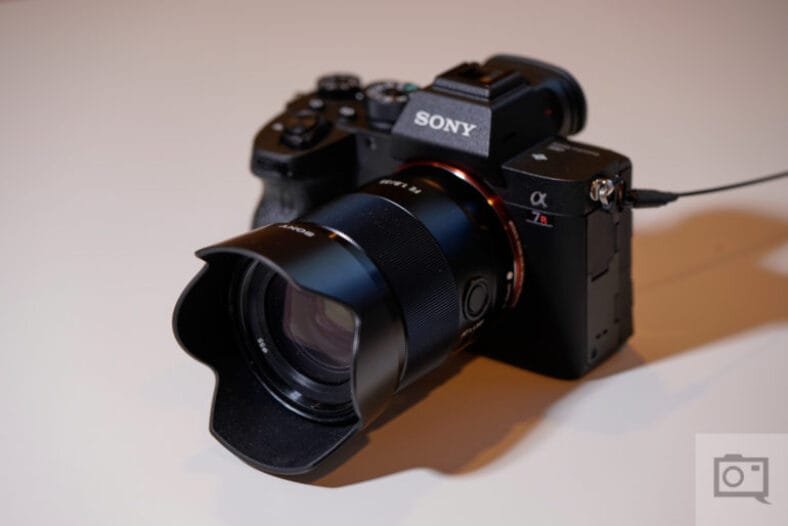
The Sony A6700 and Fujifilm X-S20 represent the best of APS-C mirrorless cameras. Both are excellent—but which one is right for you?
Specifications Comparison
| Feature | Sony A6700 | Fujifilm X-S20 |
|---|---|---|
| Sensor | 26MP BSI CMOS APS-C | 26.1MP X-Trans BSI CMOS APS-C |
| Processor | BIONZ XR + AI processing unit | X-Processor 5 |
| AF Points (stills) | 759 phase-detection | Not officially quoted (single/zone/wide-tracking AF) |
| Continuous Shooting | 11fps mechanical/electronic | 8fps mechanical, up to 20fps electronic (full res) |
| Video | 4K120p (1.6x crop), 4K60p full sensor | 6.2K30p open gate, 4K60p (1.18x crop) |
| IBIS | 5-axis in-body | 5-axis in-body, rated up to 7 stops |
| Battery Life (CIPA) | ~570 shots | ~750 shots |
| Weight | 493g | 491g |
| Price | $1,398 | $1,299 |
Autofocus Performance
Sony A6700
Sony’s AF system uses 759 phase-detection points and the same AI-based subject-recognition processor introduced in the A7R V:
- Real-time tracking with AI-assisted subject recognition
- Eye AF for humans, animals, and birds
- Fast, confident acquisition in continuous AF tracking, per multiple published reviews
Fujifilm X-S20
Fujifilm doesn’t publish a specific AF point count for the X-S20, offering single-point, zone, and wide/tracking AF modes instead:
- Subject detection for animals, birds, cars, motorcycles, bicycles, airplanes, trains, insects, and drones
- X-Processor 5 brings meaningfully improved subject tracking over Fujifilm’s previous generation
- Widely reviewed as very capable, though reviewers generally still give a narrow edge to Sony’s AI-driven tracking for consistency on fast, erratic subjects
Takeaway: Sony’s larger published AF point count and AI subject-recognition heritage from its full-frame flagships give it a reputational edge, but Fujifilm’s X-Processor 5 closed much of the previous gap — treat any specific “win” here as a matter of degree, not a blowout.
Image Quality
Both cameras produce excellent images, but with a different out-of-camera character:
Sony A6700
- Neutral, accurate colors tuned for post-processing flexibility
- Excellent dynamic range for an APS-C sensor
- Clean high-ISO performance (native ISO 100–32,000, expandable to 50–102,400 for stills)
- A straightforward, editing-friendly default color profile
Fujifilm X-S20
- 19 built-in film simulation modes, including the popular Classic Chrome and Velvia profiles
- Distinctive X-Trans color science that many photographers find attractive straight out of camera
- Strong out-of-camera JPEGs that reduce the need for heavy editing
- Native ISO 160–12,800, expandable to 80–51,200 for stills
Winner: A tie that depends entirely on personal taste and workflow — Sony for a clean, editable base file; Fujifilm for distinctive, ready-to-share JPEGs.
Video Capabilities
Sony A6700
- 4K/120p internal recording, with a significant 1.6x crop at that frame rate
- 4K/60p using the full sensor width (no crop)
- S-Log3 and S-Cinetone color profiles for grading
- 10-bit 4:2:2 internal recording
Fujifilm X-S20
- 6.2K/30p open-gate internal recording, giving extra room to reframe in post
- 4K/60p with a modest 1.18x crop
- F-Log2 profile rated for over 13 stops of dynamic range
- Apple ProRes RAW and Blackmagic RAW support via compatible external recorders, plus a dedicated Vlog mode with simplified auto settings
Winner: A genuine trade-off — Sony for higher frame-rate 4K slow motion, Fujifilm for higher resolution open-gate footage and broader professional codec support.
Handling, Battery Life, and Ergonomics
Sony A6700
- Compact body with a deep grip relative to its size
- Redesigned menu system shared with Sony’s newer full-frame bodies
- Added a front command dial versus earlier A6xxx-series cameras
- Rated for roughly 570 shots per charge (CIPA)
Fujifilm X-S20
- Retro-styled body with a traditional mode dial on top
- Fully articulating touchscreen, useful for vlogging and overhead/low-angle shots
- Rated for roughly 750 shots per charge (CIPA) — a meaningful real-world advantage for all-day shooting
- 7-stop-rated in-body stabilization, versus Sony’s 5-axis system
Winner: Fujifilm, on battery life and stabilization rating specifically; the aesthetic and control-layout preference otherwise comes down to personal taste.
Lens Ecosystem
Sony E-Mount
- The largest native lens selection of any mirrorless mount, from both Sony and third parties
- Extensive third-party support from Sigma, Tamron, and others, often at lower prices than first-party glass
- Full-frame E-mount lenses are compatible (with a crop factor), opening up a much larger lens pool
Fujifilm X-Mount
- A strong native lens lineup, including well-regarded compact primes
- Growing but smaller third-party support compared to Sony E-mount
- No full-frame lens compatibility, since X-mount is APS-C only by design
Winner: Sony, primarily due to lens volume and full-frame-lens compatibility.
Who Should Choose the Sony A6700?
- Priority on the largest published AF point count and Sony’s AI-driven subject tracking
- Sports and action photographers who want higher frame-rate 4K video
- Shooters already invested in Sony E-mount full-frame lenses
- Those who prefer a clean, neutral color profile for heavy post-processing
Buy Sony A6700 → Check price on Amazon
Who Should Choose the Fujifilm X-S20?
- Photographers who love Fujifilm’s film simulation modes and out-of-camera JPEGs
- Vloggers and content creators who want longer battery life and a fully articulating screen
- Anyone prioritizing higher-resolution open-gate 6.2K video over frame-rate
- Those who prefer a retro, dial-driven control layout
Buy Fujifilm X-S20 → Check price on Amazon
Final Verdict
Both are excellent APS-C mirrorless cameras built around the same 26MP sensor class, and the differences between them are mostly about workflow fit rather than one camera being objectively better. Choose the Sony A6700 for Sony’s lens ecosystem, higher frame-rate 4K, and AI-driven autofocus tracking. Choose the Fujifilm X-S20 for longer battery life, higher-resolution open-gate video, and Fujifilm’s distinctive color science.
Specifications sourced from Sony’s and Fujifilm’s official product pages and published third-party reviews. This post contains affiliate links — see our affiliate disclosure for details.
Related Tags
Looking for the Best Camera Deals?
Check out our latest buying guides and comparison articles to find the perfect camera for your needs.
Browse Buying GuidesGet the free cheat sheet + live, verified, date-stamped deals every week. No spam, unsubscribe anytime.