
Sony A7C II vs Nikon Zf: Which Compact Full Frame Wins?
Compare Sony A7C II vs Nikon Zf compact full frame cameras. In-depth analysis of specs, performance, image quality, and value to help you choose.
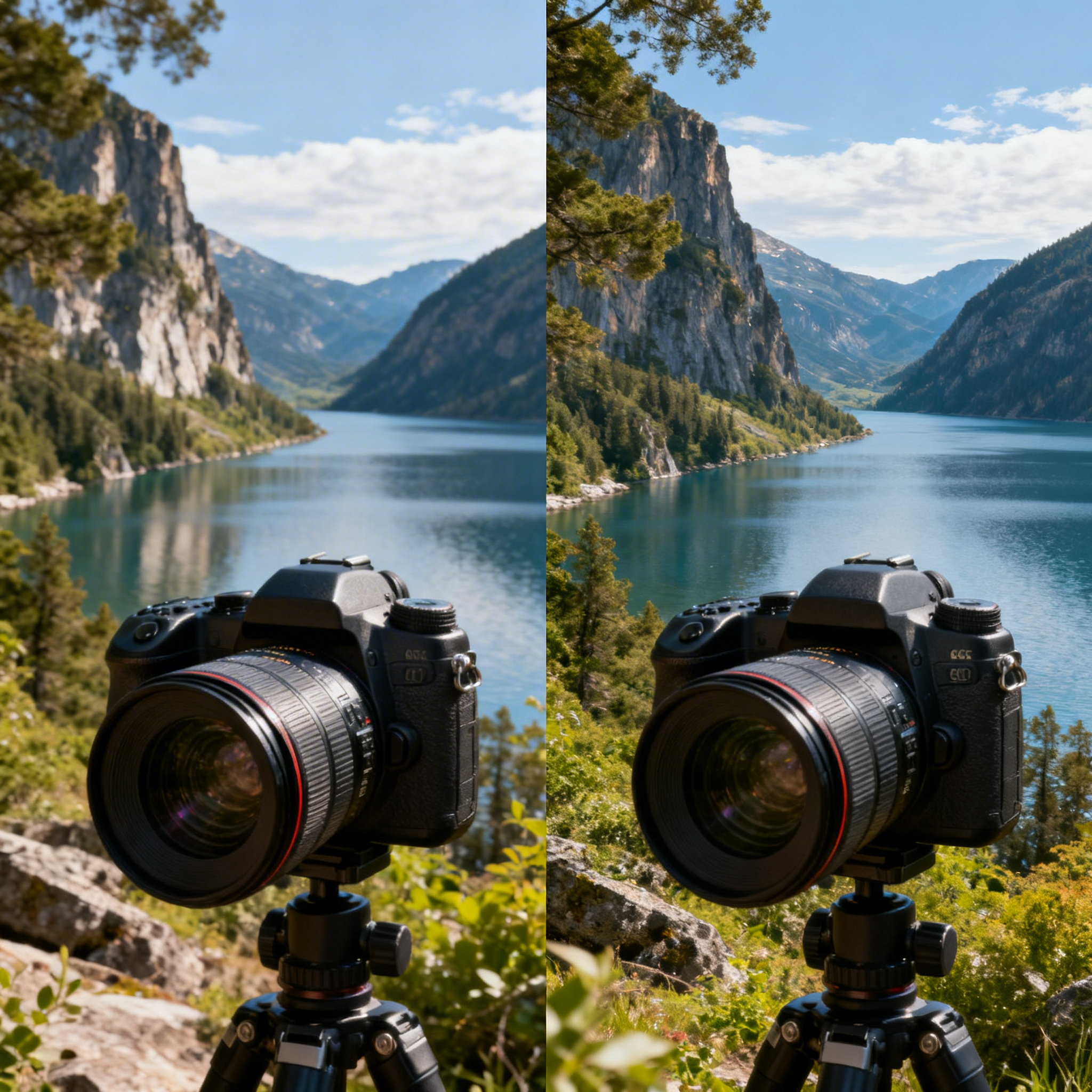
The compact full-frame camera market has become increasingly competitive, with manufacturers racing to deliver professional-grade features in smaller, more portable bodies. Two standout contenders in this space are the Sony A7C II and the Nikon Zf, both offering unique approaches to compact full-frame photography. While these cameras share similar size aspirations, they cater to different photographer preferences and shooting styles.
The Sony A7C II represents Sony’s continued evolution of their compact full-frame concept, building upon the original A7C with enhanced performance and refined ergonomics. Meanwhile, the Nikon Zf takes a dramatically different approach, embracing retro aesthetics while packing modern technology into a body that pays homage to classic film cameras. This comparison will help you determine which camera best suits your photography needs and shooting style.
Key Specifications Comparison
| Feature | Sony A7C II | Nikon Zf |
|---|---|---|
| Sensor | 33MP Full-Frame CMOS | 24.5MP Full-Frame CMOS |
| Processor | BIONZ XR | EXPEED 7 |
| ISO Range | 100-51,200 (exp. 50-204,800) | 100-64,000 (exp. 50-204,800) |
| Autofocus Points | 759 phase-detection | 273 phase-detection |
| Image Stabilization | 5-axis, up to 7 stops | 5-axis, up to 8 stops |
| Video Recording | 4K/60p, 10-bit internal | 4K/60p, 10-bit internal |
| Viewfinder | 2.36M-dot EVF | 3.69M-dot EVF |
| LCD Screen | 3.0” vari-angle touchscreen | 3.2” tilting touchscreen |
| Battery Life | ~540 shots (CIPA) | ~360 shots (CIPA) |
| Weight | 514g (body only) | 630g (body only) |
| Weather Sealing | Yes | Yes |
| Memory Cards | SD/SDHC/SDXC (UHS-I/II) | SD/SDHC/SDXC (UHS-I/II) |
Design and Build Quality
Sony A7C II: Modern Minimalism
The Sony A7C II maintains the understated, modern aesthetic that has become synonymous with Sony’s mirrorless cameras. Its design prioritizes functionality over flashy styling, featuring clean lines and a grip that, while compact, provides adequate purchase for most hand sizes. The camera’s magnesium alloy construction feels solid despite its lightweight nature at 514g.
The control layout follows Sony’s established pattern, which can be both a blessing and a curse. Experienced Sony users will feel right at home, but newcomers might find the extensive menu system overwhelming. The camera features a good selection of customizable buttons, allowing photographers to tailor the control scheme to their preferences.
Nikon Zf: Retro Revival with Modern Soul
The Nikon Zf takes a bold departure from modern camera design, drawing inspiration from classic film cameras like the Nikon FM series. This isn’t just superficial styling – Nikon has incorporated physical dials for key settings like shutter speed, ISO, and exposure compensation, giving photographers tactile control reminiscent of film photography.
At 630g, the Zf is notably heavier than the Sony, but this weight contributes to a more substantial feel that many photographers prefer. The build quality is exceptional, with weather sealing that matches professional standards. The retro styling isn’t just aesthetic; it serves the functional purpose of providing intuitive control over camera settings without diving into menus.
Image Quality and Sensor Performance
Sony A7C II: High Resolution Excellence
The Sony A7C II’s 33-megapixel sensor provides excellent resolution for detailed landscapes, portraits, and commercial work. This higher pixel count gives photographers more flexibility in cropping while maintaining image quality. The sensor performs admirably across the ISO range, with usable images up to ISO 12,800 and acceptable quality even higher when needed.
Sony’s color science has improved significantly over the years, and the A7C II benefits from these advances. Skin tones appear natural, and the camera handles challenging lighting conditions well. The dynamic range is impressive, allowing for significant shadow recovery and highlight retention in post-processing.
Nikon Zf: Balanced Performance
The Nikon Zf’s 24.5-megapixel sensor strikes a balance between resolution and low-light performance. While it doesn’t match the Sony’s pixel count, it delivers excellent image quality with Nikon’s renowned color science. Colors appear vibrant and accurate straight out of camera, often requiring less post-processing than Sony files.
The lower pixel density can be advantageous for low-light photography, as larger pixels generally capture more light. The Zf performs exceptionally well at high ISOs, maintaining detail and color accuracy even at ISO 6,400 and beyond. Nikon’s processing engine does an excellent job managing noise while preserving detail.
Autofocus Performance
Sony A7C II: Speed and Precision
Sony’s autofocus system in the A7C II is among the best in the industry. With 759 phase-detection points covering approximately 94% of the frame, the camera can quickly and accurately lock onto subjects anywhere in the composition. The real-time tracking and eye detection work seamlessly for both humans and animals.
The autofocus excels in various shooting scenarios, from fast-moving sports to portrait photography. The camera’s ability to maintain focus on moving subjects while shooting continuously is impressive, making it suitable for action photography despite its compact size.
Nikon Zf: Reliable and Intelligent
The Nikon Zf’s autofocus system, while featuring fewer points than the Sony, performs admirably in real-world conditions. The 273 phase-detection points provide adequate coverage, and the system’s intelligence in subject detection and tracking has improved significantly with Nikon’s latest processing.
Where the Zf particularly shines is in its autofocus consistency and reliability. The system may not be quite as fast as Sony’s in challenging conditions, but it’s highly dependable and rarely hunts or loses lock on subjects. The eye detection works well for portraits, though it’s not quite as advanced as Sony’s implementation.
Video Capabilities
Sony A7C II: Creator-Focused Features
Sony has positioned the A7C II as a hybrid camera suitable for content creators, and its video features reflect this positioning. The camera records 4K video at up to 60fps internally, with 10-bit recording available for enhanced post-production flexibility. The full-width sensor readout minimizes rolling shutter effects, important for video work.
Features like S-Log3 recording provide professional colorists with extensive grading options, while built-in profiles offer good results straight out of camera. The vari-angle LCD screen is particularly useful for video work, allowing for comfortable monitoring from various angles.
Nikon Zf: Solid but Secondary
While the Nikon Zf offers capable video features, including 4K/60p recording and 10-bit internal recording, video feels more like a secondary consideration in the camera’s design. The tilting LCD, while adequate, isn’t as flexible as Sony’s vari-angle design for video work.
That said, the video quality from the Zf is excellent, with pleasing colors and good detail. The camera’s retro styling might actually be an advantage for certain video applications where a less conspicuous camera is desired.
Battery Life and Practicality
Sony A7C II: Extended Shooting Sessions
Sony has made significant improvements to battery life with the A7C II, achieving approximately 540 shots per charge according to CIPA standards. In real-world usage, especially with judicious use of the LCD screen and efficient shooting habits, photographers can expect to shoot for extended periods without needing a battery change.
The camera uses Sony’s NP-FZ100 battery, which is shared across several Sony camera models, making it convenient for photographers already in the Sony ecosystem. USB-C charging adds convenience for travel photography.
Nikon Zf: Room for Improvement
The Nikon Zf’s battery life is one of its weaker points, with CIPA ratings of around 360 shots per charge. In practice, this means carrying spare batteries is essential for extended shooting sessions. However, the camera’s USB-C charging capability helps mitigate this limitation when power sources are available.
The shorter battery life is partially offset by the camera’s physical controls, which can reduce reliance on the LCD screen for changing settings, potentially extending practical shooting time.
Lens Ecosystem and Compatibility
Sony FE: Mature and Extensive
Sony’s FE lens mount has matured into one of the most comprehensive full-frame mirrorless systems available. The ecosystem includes everything from compact primes to professional telephoto lenses, with options from Sony and numerous third-party manufacturers. This gives A7C II users tremendous flexibility in lens selection.
The compact nature of many FE lenses complements the A7C II’s portable design philosophy. Lenses like the FE 35mm f/2.8 or FE 85mm f/1.8 maintain the system’s overall compactness while delivering excellent optical performance.
Nikon Z: Growing Strong
Nikon’s Z mount system, while newer than Sony’s FE mount, has grown rapidly and now offers a comprehensive selection of lenses. The larger Z mount diameter allows for exceptional optical performance, particularly in wide-angle and fast aperture lenses.
For Nikon Zf users, the FTZ adapter provides access to Nikon’s extensive F-mount lens library, effectively expanding the available lens options considerably. This backward compatibility is particularly valuable for photographers transitioning from Nikon DSLRs.
Real-World Performance Scenarios
Travel Photography
For travel photography, both cameras offer distinct advantages. The Sony A7C II’s lighter weight and longer battery life make it ideal for extended walking tours and backpacking adventures. Its high resolution sensor captures detailed architectural shots and landscapes that can be cropped for different compositions.
The Nikon Zf’s retro styling can be less intimidating to local subjects, and its intuitive physical controls allow for quick setting changes without missing moments. The excellent image stabilization in both cameras makes handheld shooting in various lighting conditions highly effective.
Street Photography
Street photography reveals interesting contrasts between these cameras. The Sony A7C II’s modern, understated design helps photographers blend into urban environments, while its fast autofocus ensures decisive moments aren’t missed. The silent shooting modes are particularly valuable for discrete photography.
The Nikon Zf’s classic appearance can actually be advantageous on the street, as it appears less threatening than modern cameras to some subjects. The physical controls allow photographers to preset camera settings and shoot more intuitively, similar to film photography approaches.
Portrait Work
Both cameras excel at portrait photography, but with different strengths. The Sony A7C II’s higher resolution provides excellent detail for commercial portrait work, and its advanced eye detection ensures consistently sharp focus. The articulating screen is helpful for shooting from various angles.
The Nikon Zf’s color science produces pleasing skin tones with minimal processing, and the camera’s solid build inspires confidence during client shoots. The larger, higher-resolution viewfinder provides an excellent view for composition and focus verification.
Performance in Challenging Conditions
Low Light Performance
In low-light conditions, both cameras perform admirably but with different characteristics. The Sony A7C II’s higher pixel count means slightly smaller pixels, but Sony’s processing maintains good image quality at higher ISOs. The camera handles mixed lighting well, with good automatic white balance performance.
The Nikon Zf’s lower pixel density can provide a slight advantage in extreme low-light conditions, and Nikon’s color science tends to handle artificial lighting scenarios particularly well. Both cameras benefit from excellent image stabilization systems that allow for slower shutter speeds handheld.
Weather Resistance
Both cameras feature weather sealing suitable for challenging outdoor conditions. The Sony A7C II’s sealing is adequate for light rain and dusty conditions, though it’s not designed for extreme weather exposure. The compact design requires careful attention to lens selection, as weather sealing effectiveness depends on using appropriately sealed lenses.
The Nikon Zf’s more robust construction feels better equipped for harsh conditions, and the physical control dials are well-sealed against moisture and dust. The slightly larger size accommodates more comprehensive weather sealing throughout the camera body.
Value Proposition and Target Audience
Sony A7C II: The Versatile Hybrid
The Sony A7C II targets photographers and content creators who prioritize versatility and portability. Its combination of high resolution, excellent video features, and compact size makes it ideal for hybrid shooters who need one camera for multiple applications. The mature lens ecosystem and strong autofocus performance make it particularly appealing to professionals who need reliable performance in a portable package.
The camera represents good value for photographers already invested in the Sony ecosystem or those beginning their mirrorless journey with plans for system growth. Its balance of features makes it suitable for everything from casual photography to professional assignments.
Nikon Zf: The Purist’s Choice
The Nikon Zf appeals to photographers who value the tactile experience of photography and appreciate classic camera design. Its target audience includes film photography enthusiasts transitioning to digital, street photographers who prefer discrete operation, and anyone who finds modern camera interfaces overwhelming.
The camera offers excellent value for photographers who prioritize image quality and user experience over maximum feature sets. Its unique positioning in the market makes it appealing to photographers seeking something different from the typical modern camera experience.
For those considering other Sony full-frame options, the Sony A7 IV offers similar resolution with enhanced video features, while the Sony A7R V provides even higher resolution for demanding applications. Professional sports and wildlife photographers might consider the Sony A9 III for its exceptional speed capabilities.
Final Verdict: Choosing Your Compact Full-Frame Champion
Both the Sony A7C II and Nikon Zf represent excellent approaches to compact full-frame photography, but they serve different photographer needs and preferences.
Choose the Sony A7C II if you:
- Prioritize high resolution and detailed images
- Need extensive video capabilities for hybrid shooting
- Value fast, accurate autofocus performance
- Prefer longer battery life for extended shooting
- Want access to the most comprehensive lens ecosystem
- Appreciate modern, customizable camera interfaces
Choose the Nikon Zf if you:
- Value exceptional image quality with pleasing colors straight from camera
- Prefer tactile, physical controls over menu-driven interfaces
- Appreciate classic camera aesthetics and build quality
- Need excellent high-ISO performance for available light photography
- Have existing Nikon F-mount lenses to adapt
- Want a unique camera that stands out from modern designs
Both cameras will serve most photographers well, but the Sony A7C II edges ahead for versatility and system completeness, while the Nikon Zf wins on user experience and distinctive character. Your choice ultimately depends on whether you prioritize maximum capability and features (Sony) or exceptional user experience and image quality (Nikon). Either way, you’ll have a capable compact full-frame camera that can grow with your photography journey.
Related Tags
Looking for the Best Camera Deals?
Check out our latest buying guides and comparison articles to find the perfect camera for your needs.
Browse Buying Guides