
Sony RX100 VII vs Canon G7X Mark III: Which Camera Wins?
Compare Sony RX100 VII vs Canon G7X Mark III specs, image quality, performance & price. Find the best compact camera for your photography needs in 2024.
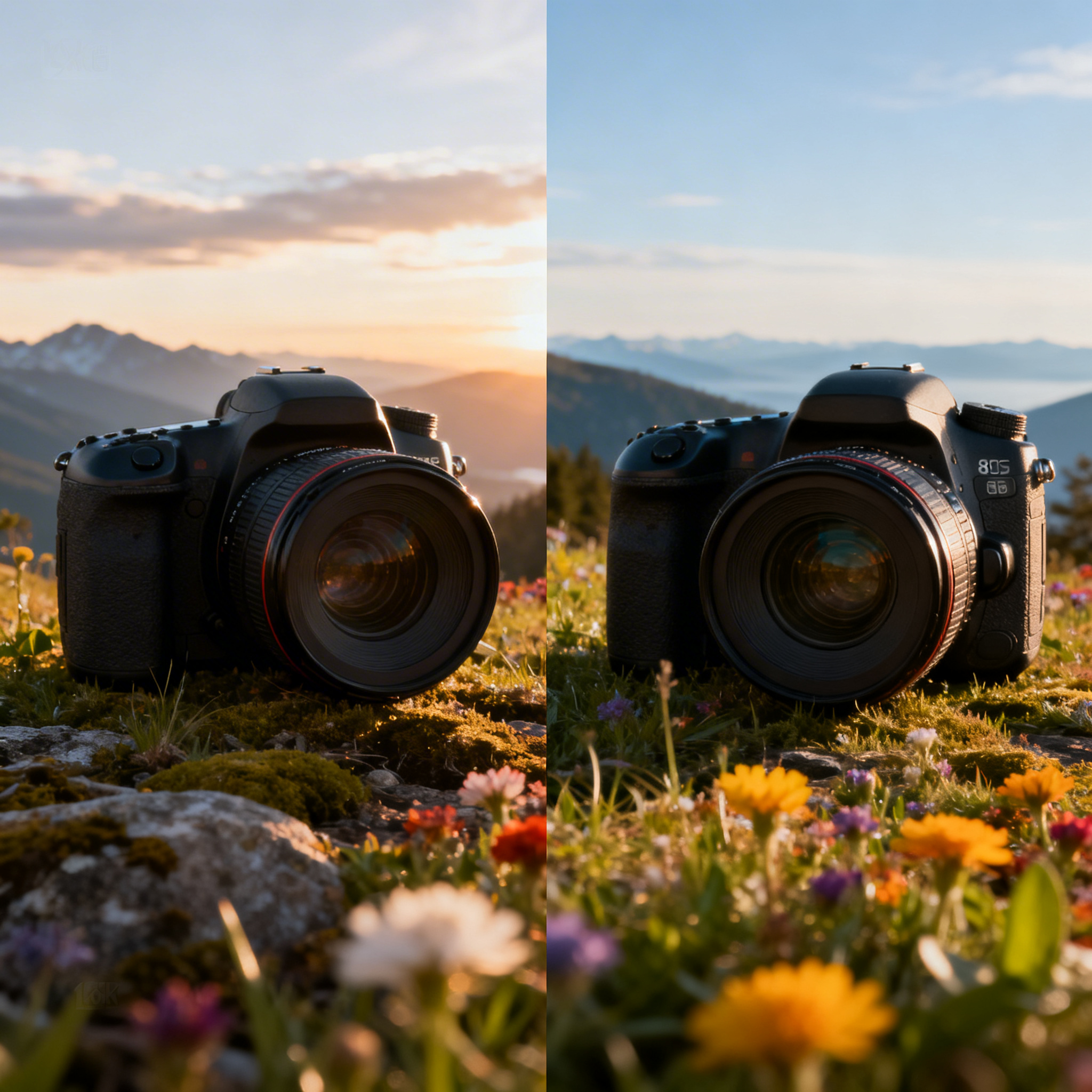
Introduction: Battle of the Premium Compact Cameras
In the world of premium compact cameras, two standouts have consistently captured the attention of photographers seeking professional quality in a pocket-sized package: the Sony RX100 VII and the Canon G7X Mark III. These powerhouses represent years of innovation from two photography giants, each offering unique strengths that cater to different shooting styles and preferences.
Whether you’re a travel photographer seeking the ultimate portable companion, a content creator demanding high-quality video capabilities, or an enthusiast who refuses to compromise on image quality, choosing between these two cameras requires careful consideration of their distinct features and performance characteristics.
Detailed Specifications Comparison
| Feature | Sony RX100 VII | Canon G7X Mark III |
|---|---|---|
| Sensor | 20.1MP 1-inch Exmor RS CMOS | 20.1MP 1-inch CMOS |
| Lens | 24-200mm f/2.8-4.5 (35mm equiv.) | 24-100mm f/1.8-2.8 (35mm equiv.) |
| Image Stabilization | Optical SteadyShot | Optical IS with 5-axis Digital IS |
| Autofocus Points | 357 phase-detection | 31 phase-detection |
| Max ISO | 25,600 | 25,600 |
| Burst Rate | 20 fps | 30 fps (RAW+JPEG), 8.5 fps continuous |
| Video Recording | 4K/30p, 1080p/120p | 4K/30p, 1080p/120p |
| LCD Screen | 3.0” tilting touchscreen (921k dots) | 3.0” fully articulating touchscreen (1.04M dots) |
| Viewfinder | 2.36M-dot OLED EVF | None |
| Battery Life | 260 shots | 265 shots |
| Weight | 302g | 304g |
| Dimensions | 101.6 x 58.1 x 42.8mm | 105.0 x 60.9 x 41.4mm |
| Wi-Fi/Bluetooth | Yes/Yes | Yes/Yes |
| Price Range | $1,200-$1,300 | $700-$800 |
Build Quality and Design
Sony RX100 VII Design Philosophy
The Sony RX100 VII maintains the series’ signature premium build quality with its robust magnesium alloy construction. The camera feels substantial in hand despite its compact dimensions, with a textured grip that provides excellent security during one-handed operation. Sony’s attention to detail shines through in the precisely engineered control dial and customizable function buttons.
The inclusion of a pop-up electronic viewfinder sets it apart from many competitors, offering photographers the flexibility to compose shots in bright sunlight when the rear LCD becomes difficult to see. This 2.36M-dot OLED EVF delivers crisp, detailed images that make manual focusing and exposure adjustments intuitive.
Canon G7X Mark III Ergonomics
Canon takes a different approach with the G7X Mark III, prioritizing streamlined operation and content creator-friendly features. The camera’s slightly larger body accommodates a fully articulating LCD screen – a feature that proves invaluable for vloggers, selfie enthusiasts, and photographers working at unusual angles.
The build quality remains excellent, though the all-plastic construction feels less premium than Sony’s metal body. However, this design choice contributes to weather sealing that Sony’s camera lacks, making the Canon a better choice for photographers who frequently shoot in challenging conditions.
Image Quality Performance
Sensor Technology Deep Dive
Both cameras utilize 20.1MP 1-inch sensors, but Sony’s Exmor RS technology provides several advantages. The back-illuminated sensor design improves low-light performance and enables faster readout speeds, which translates to reduced rolling shutter effects and better performance during rapid shooting sequences.
Canon’s sensor, while not back-illuminated, delivers excellent color reproduction and dynamic range. Canon’s DIGIC 8 processor excels at noise reduction, producing clean images even at higher ISO settings. The color science tends to be more pleasing straight out of camera, requiring less post-processing for casual users.
Real-World Image Quality Testing
In practical shooting scenarios, both cameras deliver exceptional image quality that rivals many larger cameras. The Sony RX100 VII demonstrates superior detail retention in high-contrast situations, thanks to its advanced sensor technology. Dynamic range performance allows for significant highlight and shadow recovery in post-processing.
The Canon G7X Mark III shines in portrait photography, where its natural skin tone reproduction and pleasing color gradations create flattering results with minimal editing. The camera’s automatic white balance system proves more consistent across varying lighting conditions.
Lens Performance and Versatility
Sony’s Extended Zoom Range
The Sony RX100 VII’s 24-200mm equivalent lens provides exceptional versatility for travel and general photography. The 8.3x zoom range covers everything from wide landscape shots to telephoto portraits, reducing the need for multiple lenses or frequent position changes.
At the wide end, the f/2.8 maximum aperture enables excellent low-light performance and shallow depth of field effects. While the aperture narrows to f/4.5 at full telephoto, the optical image stabilization system effectively compensates for camera shake, enabling sharp handheld shots even at the longest focal lengths.
Canon’s Bright Aperture Advantage
Canon’s approach prioritizes maximum aperture over zoom range, offering f/1.8-2.8 across its 24-100mm equivalent range. This bright aperture provides significant advantages for portrait photography, low-light situations, and creating attractive background blur.
The shorter zoom range may require more physical movement to achieve desired compositions, but the consistent optical quality throughout the range impresses. Chromatic aberration control and corner sharpness remain excellent across all focal lengths and aperture settings.
Autofocus and Performance
Sony’s AI-Powered Focus System
The RX100 VII incorporates Sony’s advanced Real-time Tracking and Eye AF technology, borrowed from their professional mirrorless cameras. The 357 phase-detection autofocus points cover approximately 68% of the sensor area, ensuring accurate focus acquisition even with off-center subjects.
Real-time Eye AF works exceptionally well for both humans and animals, automatically detecting and tracking eyes for consistently sharp portraits. The system’s ability to maintain focus on moving subjects while shooting at 20 fps makes it excellent for wildlife and sports photography.
Canon’s Reliable Focus Performance
Canon’s Dual Pixel CMOS AF system provides smooth, accurate focusing that excels in video recording scenarios. While the 31 autofocus points seem modest compared to Sony’s 357, the system’s reliability and consistency often matter more than sheer numbers.
The face detection and tracking capabilities work well for general photography, though they lack the sophistication of Sony’s AI-driven system. However, Canon’s focus system tends to be more predictable and less prone to hunting in challenging lighting conditions.
Video Capabilities
Content Creator Features
Both cameras record 4K video at 30fps with excellent quality, but their approaches to video recording differ significantly. The Canon G7X Mark III clearly targets content creators and vloggers with its fully articulating screen, built-in live streaming capabilities, and simplified video controls.
Canon’s Clean HDMI output and longer recording times make it superior for extended video sessions. The camera’s automatic exposure adjustments work smoothly during recording, reducing the need for manual intervention during live streams or long-form content creation.
Sony’s Professional Video Tools
The Sony RX100 VII offers more advanced video features for serious videographers, including Picture Profiles, S-Log2 recording, and precise manual controls. The camera’s superior image stabilization system produces smoother footage, particularly when walking or shooting handheld.
Sony’s Real-time Tracking continues to function during video recording, automatically keeping subjects in focus as they move through the frame. This feature proves invaluable for solo content creators who can’t rely on a camera operator for focus pulling.
Connectivity and Smart Features
Modern Wireless Capabilities
Both cameras include comprehensive wireless connectivity options, supporting both Wi-Fi and Bluetooth connections. The Canon G7X Mark III integrates seamlessly with Canon’s Camera Connect app, enabling remote control, image transfer, and direct social media posting.
Sony’s imaging app provides similar functionality but with additional professional features like remote camera control for multiple cameras and advanced bracketing options. The integration with Sony’s ecosystem makes it easier to match settings across multiple camera bodies.
Live Streaming Integration
Canon takes the lead in live streaming capabilities, offering native YouTube live streaming directly from the camera. This feature eliminates the need for additional equipment or complicated setups, making it ideal for content creators who prioritize simplicity and immediate publishing capability.
Battery Life and Practical Considerations
Real-World Usage Patterns
Both cameras deliver similar battery life ratings, but real-world performance varies significantly based on usage patterns. The Sony RX100 VII’s electronic viewfinder consumes additional power, while the Canon’s live streaming features can quickly drain the battery during extended use.
For photographers who primarily use the rear LCD and shoot intermittently, both cameras easily last a full day. However, content creators planning extended video recording sessions should invest in additional batteries regardless of their camera choice.
Storage and Memory Considerations
Both cameras support UHS-I SD cards, though the Sony RX100 VII benefits from faster cards when shooting continuous bursts or recording 4K video. The Canon G7X Mark III’s longer recording times place greater demands on storage capacity, making high-capacity cards essential for video-focused users.
Price and Value Analysis
The pricing difference between these cameras reflects their target audiences and feature sets. The Canon G7X Mark III, typically priced $500-600 lower than the Sony RX100 VII, offers exceptional value for content creators and casual photographers who prioritize ease of use and video features.
The Sony RX100 VII justifies its premium pricing with superior build quality, advanced autofocus technology, and the versatile 24-200mm lens. Professional photographers and enthusiasts who demand the highest image quality and performance will find the additional cost worthwhile.
For photographers seeking to upgrade from smartphone photography or entry-level cameras, the price difference might be less significant than the long-term satisfaction and capability differences between these models.
Practical Usage Scenarios
Travel Photography Applications
For travel photographers, the Sony RX100 VII’s extended zoom range proves invaluable when access is limited or when carrying multiple lenses isn’t practical. The ability to capture wide architectural shots and distant details with a single compact camera enhances creative flexibility.
The Canon G7X Mark III excels in social travel documentation, where its superior low-light performance and natural color reproduction create appealing images for social media sharing with minimal post-processing.
Professional and Creative Work
Professional photographers using these cameras as backup bodies or for discrete shooting situations will appreciate the Sony RX100 VII’s advanced feature set and compatibility with professional workflows. The camera’s raw file quality and extensive manual controls support serious photographic work.
Creative professionals focused on video content creation will find the Canon G7X Mark III’s streaming capabilities and fully articulating screen more aligned with their workflow requirements.
If you’re looking to step up to a more advanced camera system later, consider exploring options like the Sony A7 IV for full-frame versatility or the Sony A7R V for maximum resolution capability.
Conclusion and Recommendations
Choosing between the Sony RX100 VII and Canon G7X Mark III ultimately depends on your specific priorities and shooting style. The Sony RX100 VII stands as the superior choice for photographers who prioritize image quality, versatility, and advanced features. Its extended zoom range, sophisticated autofocus system, and premium build quality justify the higher price point for serious photographers and enthusiasts.
The Canon G7X Mark III emerges as the better option for content creators, social media enthusiasts, and photographers who value ease of use and video-centric features. Its competitive pricing, excellent low-light performance, and live streaming capabilities make it an outstanding choice for modern digital content creation.
Choose the Sony RX100 VII if you:
- Prioritize maximum zoom range and versatility
- Need advanced autofocus with eye detection
- Prefer premium build quality and materials
- Value the electronic viewfinder for bright conditions
- Plan to use the camera for serious photography work
Choose the Canon G7X Mark III if you:
- Focus primarily on video content and live streaming
- Need a fully articulating screen for flexible shooting angles
- Prefer more affordable pricing with excellent value
- Value simplicity and user-friendly operation
- Create content primarily for social media platforms
Both cameras represent excellent choices within the premium compact category, and your decision should align with your specific creative needs and budget considerations. Regardless of which camera you choose, you’ll have a capable tool that can produce professional-quality results in a remarkably portable package.
For photographers ready to explore even more advanced capabilities, the Sony A9 III offers cutting-edge technology that pushes the boundaries of what’s possible in digital photography.
Related Tags
Looking for the Best Camera Deals?
Check out our latest buying guides and comparison articles to find the perfect camera for your needs.
Browse Buying Guides