
Sony vs Canon 2026: Which Camera Brand Reigns Supreme?
Compare Sony vs Canon cameras in 2026. Detailed analysis of features, performance, and value to help you choose the best camera brand for your needs.
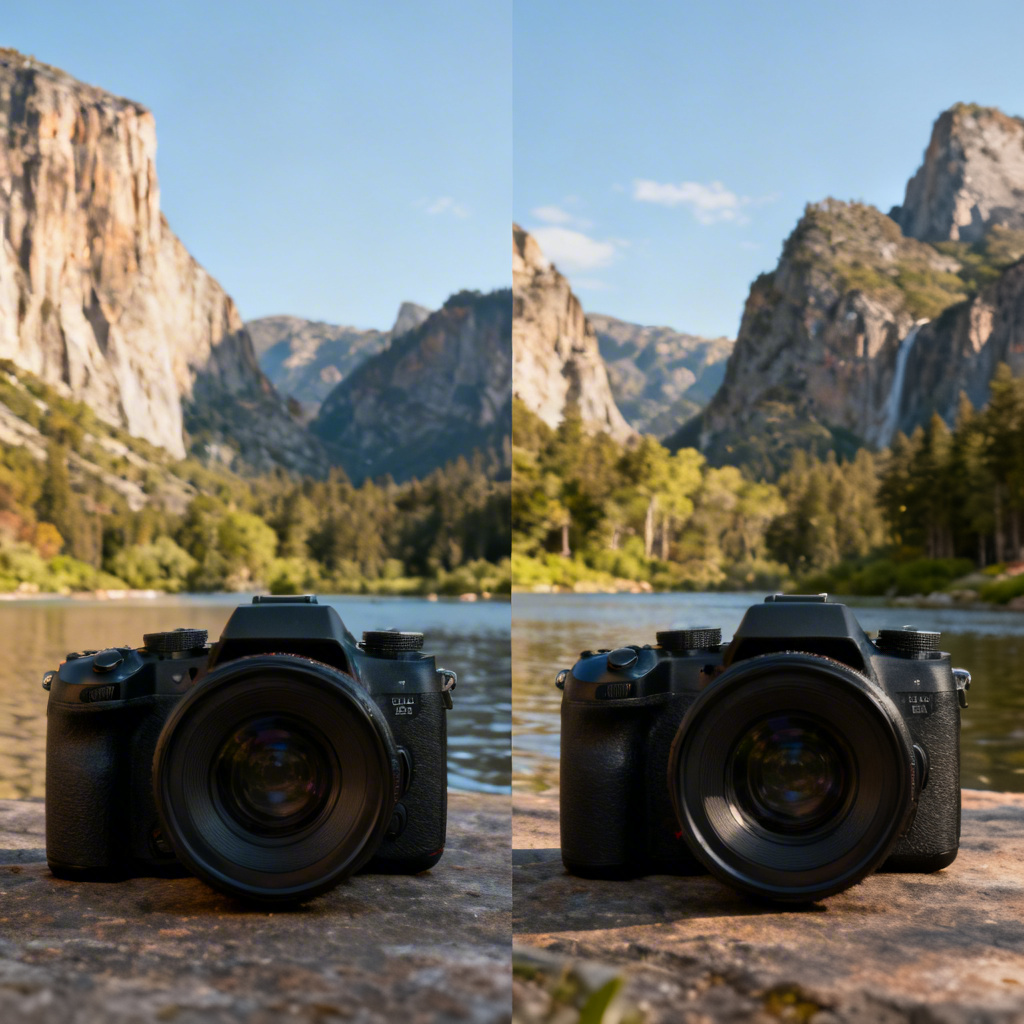
The eternal debate between Sony and Canon has been raging among photographers for decades, and as we move through 2026, this rivalry has reached new heights of innovation and performance. Both brands have established themselves as industry leaders, but which one truly deserves the crown? This comprehensive comparison will help you make an informed decision based on your specific needs, budget, and photographic goals.
The Current Landscape: Sony vs Canon in 2026
The photography industry has undergone significant transformation in recent years, with both Sony and Canon pushing the boundaries of what’s possible in digital imaging. Sony revolutionized the market with their mirrorless technology, while Canon has successfully transitioned from their DSLR dominance to become a formidable mirrorless competitor.
Market Position and Innovation
Sony entered the full-frame mirrorless game early and aggressively, quickly gaining market share with their Alpha series. Their commitment to cutting-edge sensor technology, paired with compact form factors, disrupted the traditional camera market. Canon, initially slower to embrace mirrorless technology, has made remarkable strides with their EOS R system, leveraging decades of optical expertise and professional relationships.
Image Quality Comparison
Sensor Technology
Sony’s Advantage: Sony manufactures sensors not just for their own cameras but also for many competitors, giving them a significant technological edge. Their latest sensors feature:
- Advanced back-illuminated design
- Exceptional low-light performance
- Wide dynamic range capabilities
- Industry-leading ISO performance
The Sony A7R V exemplifies this with its 61-megapixel full-frame sensor, delivering stunning detail and remarkable dynamic range that professionals demand for high-end commercial work.
Canon’s Strength: Canon’s sensor development has focused on balanced performance with their proprietary DIGIC processors. Their approach emphasizes:
- Natural color reproduction
- Excellent skin tones
- Optimized noise reduction
- Consistent performance across ISO ranges
Color Science and Processing
Canon has long been praised for their color science, particularly for portrait photography. Their cameras tend to produce warmer, more pleasing skin tones straight out of camera, requiring less post-processing time. This advantage stems from decades of film photography heritage and professional photographer feedback.
Sony has made significant improvements in color science over recent generations, though some photographers still prefer Canon’s more natural color rendition. However, Sony’s flexibility in post-processing often compensates for this perceived disadvantage.
Autofocus Performance
Sony’s Real-Time Tracking
Sony’s autofocus system has set the industry standard with features like:
- Real-Time Eye AF for humans, animals, and birds
- 693 phase-detection points (in select models)
- Advanced subject recognition
- Exceptional tracking performance
The Sony A9 III represents the pinnacle of Sony’s autofocus technology, offering professional sports photographers unmatched subject tracking capabilities.
Canon’s Dual Pixel CMOS AF
Canon’s Dual Pixel CMOS AF technology provides:
- Smooth and natural-looking focus transitions
- Excellent video autofocus performance
- Reliable subject tracking
- Intuitive touch-to-focus functionality
Lens Ecosystem Comparison
Canon’s Legacy Advantage
Canon’s lens ecosystem benefits from:
- Decades of EF lens development
- Seamless EF to RF adapter compatibility
- Extensive third-party support
- Professional-grade L-series lenses
Sony’s Modern Approach
Sony’s E-mount system offers:
- Compact, lightweight lens designs
- Advanced optical technologies
- Growing G Master series for professionals
- Increasing third-party options from Sigma, Tamron, and others
Flagship Model Specifications
| Feature | Sony A7R V | Sony A9 III | Canon EOS R5 | Canon EOS R6 Mark II |
|---|---|---|---|---|
| Sensor Resolution | 61MP | 24.6MP | 45MP | 24.2MP |
| ISO Range | 100-32,000 | 250-25,600 | 100-51,200 | 100-102,400 |
| Burst Rate | 10 fps | 30 fps | 20 fps | 12 fps |
| Video Capabilities | 8K/24p | 4K/120p | 8K/30p | 4K/60p |
| Battery Life | 530 shots | 400 shots | 320 shots | 360 shots |
| Weight | 723g | 594g | 738g | 588g |
| Price Range | $3,900 | $6,000 | $3,900 | $2,500 |
Professional Use Cases
Wedding Photography
Canon Advantages:
- Superior color science for skin tones
- Reliable dual-card slots across the range
- Excellent low-light performance
- Professional service network
Sony Advantages:
- Silent shooting modes
- Exceptional low-light capabilities
- Compact form factor for discretion
- Advanced eye-detection AF
Sports Photography
Sony Takes the Lead: The Sony A9 III has revolutionized sports photography with its global shutter technology, eliminating rolling shutter distortion entirely. Combined with 30fps burst rates and exceptional autofocus tracking, Sony currently leads in this demanding category.
Landscape Photography
Both Excel: For landscape work, both brands offer excellent options. The Sony A7R V provides incredible detail with its 61MP sensor, while Canon’s R5 offers similar resolution with slightly different color characteristics that some landscape photographers prefer.
Video Capabilities
Sony’s Video Leadership
Sony has dominated the video market with features like:
- S-Log profiles for professional color grading
- Full-pixel readout in 4K
- Advanced video autofocus
- Professional video formats
Canon’s Cinematic Approach
Canon’s video capabilities focus on:
- Canon Log for color grading flexibility
- Dual Pixel AF for smooth focus transitions
- Professional codec options
- Cinema EOS integration
Build Quality and Ergonomics
Canon’s Traditional Ergonomics
Canon cameras typically feature:
- Larger, more comfortable grips
- Intuitive button layout
- Weather sealing across most models
- Traditional DSLR-inspired design
Sony’s Compact Innovation
Sony prioritizes:
- Compact, lightweight designs
- High-resolution electronic viewfinders
- Advanced customization options
- Modern, minimalist aesthetics
Price and Value Proposition
Entry-Level Options
Canon generally offers more affordable entry points into full-frame mirrorless photography, making their systems accessible to enthusiasts transitioning from crop sensors.
Professional Investment
Sony’s professional models like the Sony A7 IV offer exceptional value, combining high-end features with reasonable pricing for serious photographers.
Future Technology Trends
Computational Photography
Both brands are investing heavily in AI-driven features:
- Advanced subject recognition
- Intelligent scene optimization
- Automated shooting modes
- Enhanced image processing
Connectivity and Workflow
Modern cameras from both brands offer:
- Professional wireless connectivity
- Cloud-based workflow integration
- Remote shooting capabilities
- Streamlined file transfer options
Real-World Considerations
Battery Life
Canon generally provides better battery life, crucial for wedding photographers and travel enthusiasts. Sony has improved significantly but still lags behind Canon in this area.
Third-Party Support
Canon’s longer market presence means more extensive third-party accessory support, though Sony’s growing popularity is closing this gap rapidly.
Service and Support
Canon’s established professional service network provides an advantage for working professionals who need quick repairs and maintenance.
Making Your Decision: Practical Tips
Choose Canon If:
- You prioritize natural color reproduction
- Battery life is crucial for your work
- You prefer traditional camera ergonomics
- You need extensive professional service support
- Budget is a primary concern for entry-level systems
Choose Sony If:
- You want cutting-edge autofocus technology
- Low-light performance is critical
- You prefer compact, lightweight systems
- Video capabilities are important
- You value the latest technological innovations
Consider Your Existing Investment
If you already own lenses from either system, the upgrade path within the same brand often makes financial sense, especially with Canon’s excellent EF to RF adapter compatibility.
Conclusion and Recommendations
The Sony vs Canon debate in 2026 doesn’t have a clear winner because both brands excel in different areas. Your choice should depend on your specific photography needs, shooting style, and personal preferences.
For most photographers, I recommend starting with either the Sony A7 IV for its well-rounded feature set and excellent value, or Canon’s EOS R6 Mark II for those prioritizing battery life and color science.
For professionals needing maximum resolution, the Sony A7R V currently leads the pack with its 61MP sensor and advanced features.
For sports and action photographers, the Sony A9 III represents a generational leap with its global shutter technology.
Ultimately, both Sony and Canon produce exceptional cameras in 2026. The “better” choice depends entirely on your individual needs, shooting style, and personal preferences. Consider renting cameras from both brands before making a significant investment, and remember that great photographs come from the photographer’s vision and skill, not just the camera brand they choose.
The camera industry benefits from this healthy competition, pushing both manufacturers to continue innovating and improving their offerings. Whether you choose Sony or Canon, you’ll have access to professional-grade tools capable of creating stunning imagery that would have been impossible just a few years ago.
Related Tags
Looking for the Best Camera Deals?
Check out our latest buying guides and comparison articles to find the perfect camera for your needs.
Browse Buying Guides