
Sony vs Canon Mirrorless: Which Camera System Wins in 2024?
Compare Sony and Canon mirrorless cameras head-to-head. We analyze specs, performance, and value to help you choose the best system for your needs.
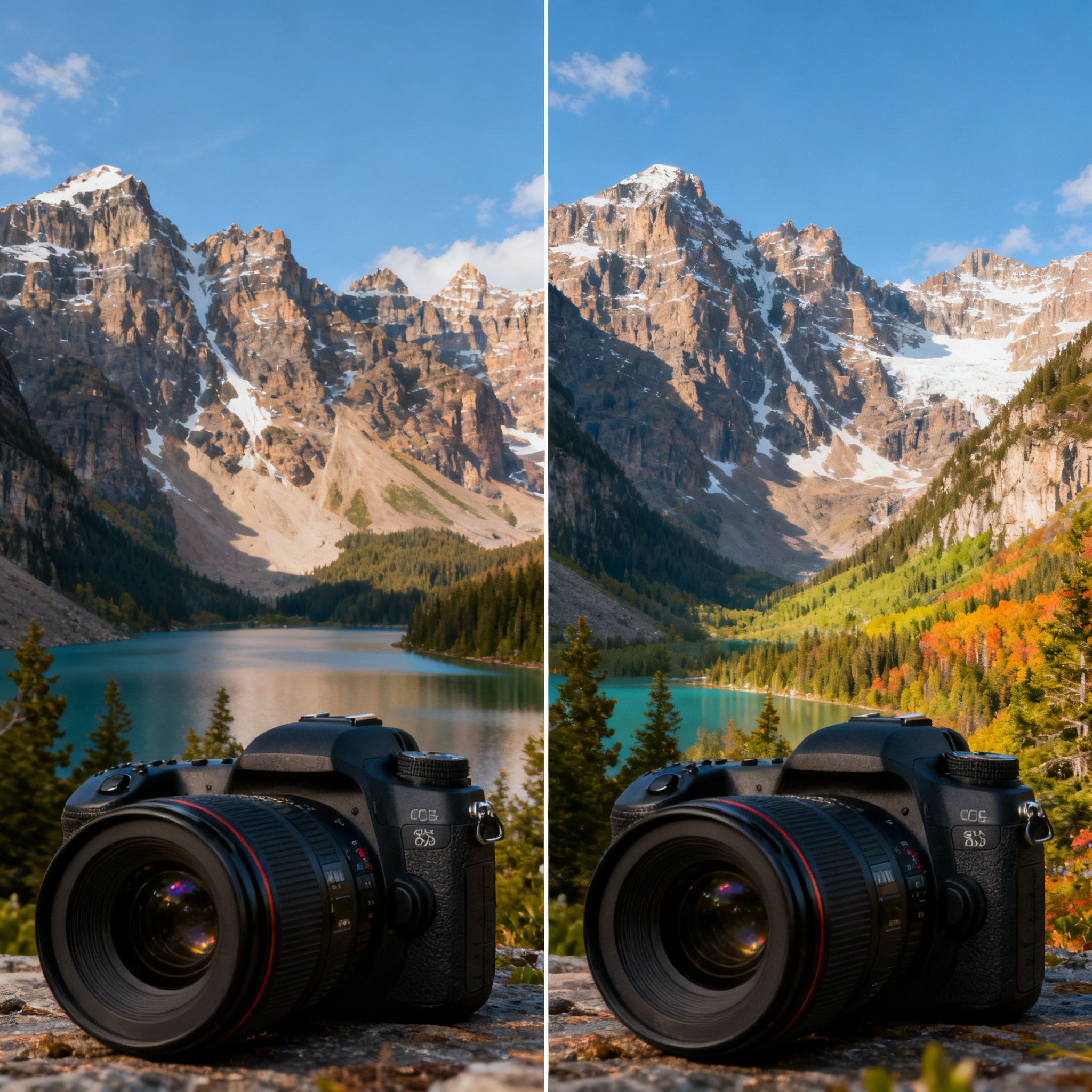
The Great Camera Ecosystem Battle: Canon vs Sony
The mirrorless camera revolution has fundamentally transformed photography, with two titans leading the charge: Sony and Canon. Both brands have developed comprehensive mirrorless ecosystems that cater to everyone from casual enthusiasts to working professionals. But which system truly delivers the best value, performance, and future-proofing for your investment?
After years of covering both systems and testing countless cameras from each brand, this comprehensive comparison will help you make an informed decision based on your specific needs, budget, and shooting style.
Market Position and Philosophy
Sony’s Innovation-First Approach
Sony entered the full-frame mirrorless market early and aggressively, establishing itself as the technological pioneer. Their philosophy centers on pushing boundaries with cutting-edge features, often introducing capabilities that competitors take years to match. Sony cameras frequently serve as testbeds for emerging technologies, making them attractive to early adopters and professionals who need the latest capabilities.
Canon’s Refined Evolution Strategy
Canon took a more measured approach, carefully studying the market before launching their EOS R system. This deliberate strategy allowed them to learn from competitors’ mistakes while leveraging decades of optical expertise. Canon focuses on delivering polished, user-friendly experiences that appeal to their established customer base while attracting new users seeking reliability over bleeding-edge features.
Camera Body Comparison
Build Quality and Ergonomics
Sony Strengths:
- Compact, lightweight designs
- Weather sealing across most models
- Customizable button layouts
- High-resolution electronic viewfinders
Canon Strengths:
- Intuitive menu systems
- Superior grip design
- Traditional control layouts familiar to DSLR users
- Articulating touchscreens
Sony cameras tend to prioritize portability, making them excellent for travel and street photography. However, users with larger hands often find Canon bodies more comfortable during extended shooting sessions.
Autofocus Performance
Both systems excel in autofocus, but with different strengths:
Sony’s AI-Powered Precision: Sony’s Real-time Eye AF and subject tracking represent industry-leading technology. The Sony A9 III showcases the pinnacle of this technology with global shutter capabilities and unprecedented tracking performance.
Canon’s Dual Pixel CMOS AF: Canon’s system offers smoother, more natural-looking focus transitions in video and reliable performance across varied lighting conditions. Their subject detection has rapidly improved to match Sony’s capabilities.
Specifications Comparison Table
| Feature | Sony A7R V | Sony A7C II | Canon R5 | Canon R6 Mark II |
|---|---|---|---|---|
| Resolution | 61MP | 33MP | 45MP | 24.2MP |
| Max ISO | 102,400 | 51,200 | 51,200 | 102,400 |
| Video | 8K/24p | 4K/60p | 8K/30p | 4K/60p |
| IBIS | 8-stop | 7-stop | 8-stop | 8-stop |
| Battery Life | 530 shots | 560 shots | 320 shots | 760 shots |
| Weight | 723g | 515g | 738g | 588g |
| Price Range | $3,900 | $2,200 | $3,900 | $2,500 |
Lens Ecosystems: The Long-Term Investment
Sony FE Mount: Mature and Diverse
Sony’s five-year head start shows in their lens lineup:
Advantages:
- 70+ native FE lenses available
- Extensive third-party support from Sigma, Tamron, and others
- Compact lens designs matching camera philosophy
- Innovative designs like the 200-600mm f/5.6-6.3
Considerations:
- Premium pricing on many flagship lenses
- Some older lenses lack weather sealing
- Limited ultra-wide zoom options
Canon RF Mount: Rapid Growth and Innovation
Canon’s newer mount allows for optical innovations impossible with older systems:
Advantages:
- Larger mount diameter enables superior optical performance
- Revolutionary designs like the RF 28-70mm f/2L
- Competitive pricing on many lenses
- Excellent image stabilization coordination
Considerations:
- Smaller overall selection (50+ lenses)
- Limited third-party options due to licensing restrictions
- Some lens categories still developing
Practical Lens Recommendations
For Portraits:
- Sony: FE 85mm f/1.4 GM or FE 70-200mm f/2.8 GM OSS II
- Canon: RF 85mm f/1.2L or RF 70-200mm f/2.8L IS
For Landscapes:
- Sony: FE 16-35mm f/2.8 GM or FE 14mm f/1.8 GM
- Canon: RF 15-35mm f/2.8L or RF 14-35mm f/4L
For Wildlife:
- Sony: FE 200-600mm f/5.6-6.3 G OSS
- Canon: RF 100-500mm f/4.5-7.1L IS
Video Capabilities: Content Creator Considerations
Sony’s Video Heritage
Sony’s broadcast and cinema division experience translates into superior video features:
- Industry-standard picture profiles (S-Log3, S-Cinetone)
- Better low-light video performance
- More comprehensive video-focused cameras like the A7S series
- Superior autofocus tracking in video mode
The Sony A7C II exemplifies Sony’s video-first approach in a compact body, offering professional video features in a travel-friendly package.
Canon’s Balanced Approach
Canon provides excellent video quality with user-friendly implementation:
- Natural color reproduction requiring less post-processing
- Better overheating management in recent models
- Intuitive video controls and menu layout
- Strong performance for hybrid photo/video users
Performance in Different Photography Genres
Portrait Photography
Winner: Slight edge to Canon
- Superior color reproduction for skin tones
- More comfortable ergonomics for studio work
- Excellent lens selection including unique f/1.2 options
- Better client interaction with flip-out screens
Wildlife and Sports
Winner: Sony
- Superior autofocus tracking and subject detection
- Better battery life during intensive shooting
- More compact telephoto lens options
- The Sony A7R V offers incredible resolution for cropping flexibility
Street Photography
Winner: Sony
- More compact camera and lens combinations
- Superior electronic viewfinders for discrete shooting
- Better low-light performance
- Silent shooting modes across more models
Landscape Photography
Winner: Tie
- Both offer excellent dynamic range and resolution
- Sony provides more ultra-wide lens options
- Canon offers better weather sealing on some models
- Both excel in different aspects of landscape work
Real-World User Experience
Menu Systems and Usability
Canon consistently receives praise for intuitive menu design and logical organization. Sony has improved significantly with recent firmware updates, but their menu system still requires more learning curve for newcomers.
Battery Life Considerations
Sony’s smaller batteries necessitate carrying extras for extended shoots, while Canon generally provides longer single-battery performance. However, Sony’s newer cameras show marked improvement in power efficiency.
Weather Sealing and Durability
Both systems offer professional-grade weather sealing, with Canon traditionally having a slight edge in extreme conditions. However, the difference in real-world durability is minimal for most users.
Cost of Ownership Analysis
Initial Investment
Entry-level pricing is competitive between systems, but the total cost varies significantly based on lens choices and specific needs.
Budget-Conscious Recommendations:
- Sony: A7C II with 28-70mm kit lens
- Canon: R6 Mark II with RF 24-105mm f/4L
Long-Term Investment
Consider these factors when calculating total cost:
- Sony’s mature lens ecosystem offers more used options
- Canon’s newer mount means fewer discounted older lenses
- Third-party lens availability favors Sony currently
- Both brands offer excellent resale value
Making the Right Choice: Specific Recommendations
Choose Sony If You:
- Prioritize cutting-edge technology and features
- Shoot primarily video or hybrid content
- Value compact, portable camera systems
- Need the best possible autofocus performance
- Work in low-light conditions frequently
Top Recommendation: Sony A7R V for professionals needing ultimate resolution and performance, or Sony A7C II for compact versatility.
Choose Canon If You:
- Prefer intuitive controls and user-friendly interfaces
- Shoot primarily portraits, weddings, or events
- Value color accuracy and natural skin tone reproduction
- Want longer battery life and comfortable ergonomics
- Appreciate traditional photography workflow
Top Recommendation: Canon R5 for high-resolution needs or R6 Mark II for balanced performance and value.
Switching Systems Considerations
If you’re coming from DSLR systems:
- Canon users will find EOS R cameras more familiar
- Sony offers more dramatic improvements in size and weight
- Both provide excellent lens adapters for existing glass
- Consider selling old gear versus keeping backup systems
Future-Proofing Your Investment
Technology Trends
Both companies continue innovating rapidly:
- Sony leads in sensor technology and computational photography
- Canon excels in optical innovation and user experience refinement
- Both invest heavily in AI-powered features and video capabilities
Ecosystem Maturity
Sony’s ecosystem is more mature with broader lens selection, while Canon’s newer mount enables future optical possibilities impossible with older designs. Both represent solid long-term investments.
Conclusion: The Verdict
There’s no universal winner in the Sony versus Canon mirrorless debate—the best choice depends entirely on your specific needs, shooting style, and priorities.
Sony excels for users who prioritize technological innovation, compact size, video capabilities, and cutting-edge autofocus. The Sony A7R V represents the pinnacle of high-resolution photography, while the Sony A7C II offers professional features in an incredibly portable package.
Canon dominates in user experience, ergonomics, color reproduction, and optical innovation. Their EOS R system provides a more intuitive transition for DSLR users while delivering professional results with less learning curve.
For most photographers, either system will exceed expectations and deliver professional results. Consider your budget, existing lens investment, primary shooting subjects, and personal preferences when making this important decision. Both Sony and Canon have created outstanding mirrorless ecosystems that will serve photographers well for years to come.
The real winner? Photography enthusiasts who now have access to two exceptional camera systems that push each other toward continuous improvement and innovation.
Related Tags
Looking for the Best Camera Deals?
Check out our latest buying guides and comparison articles to find the perfect camera for your needs.
Browse Buying Guides