
Street Photography Tips for Beginners: Essential Guide 2024
Master street photography with our beginner's guide. Learn composition, camera settings, ethics, and techniques to capture stunning urban moments effortlessly.
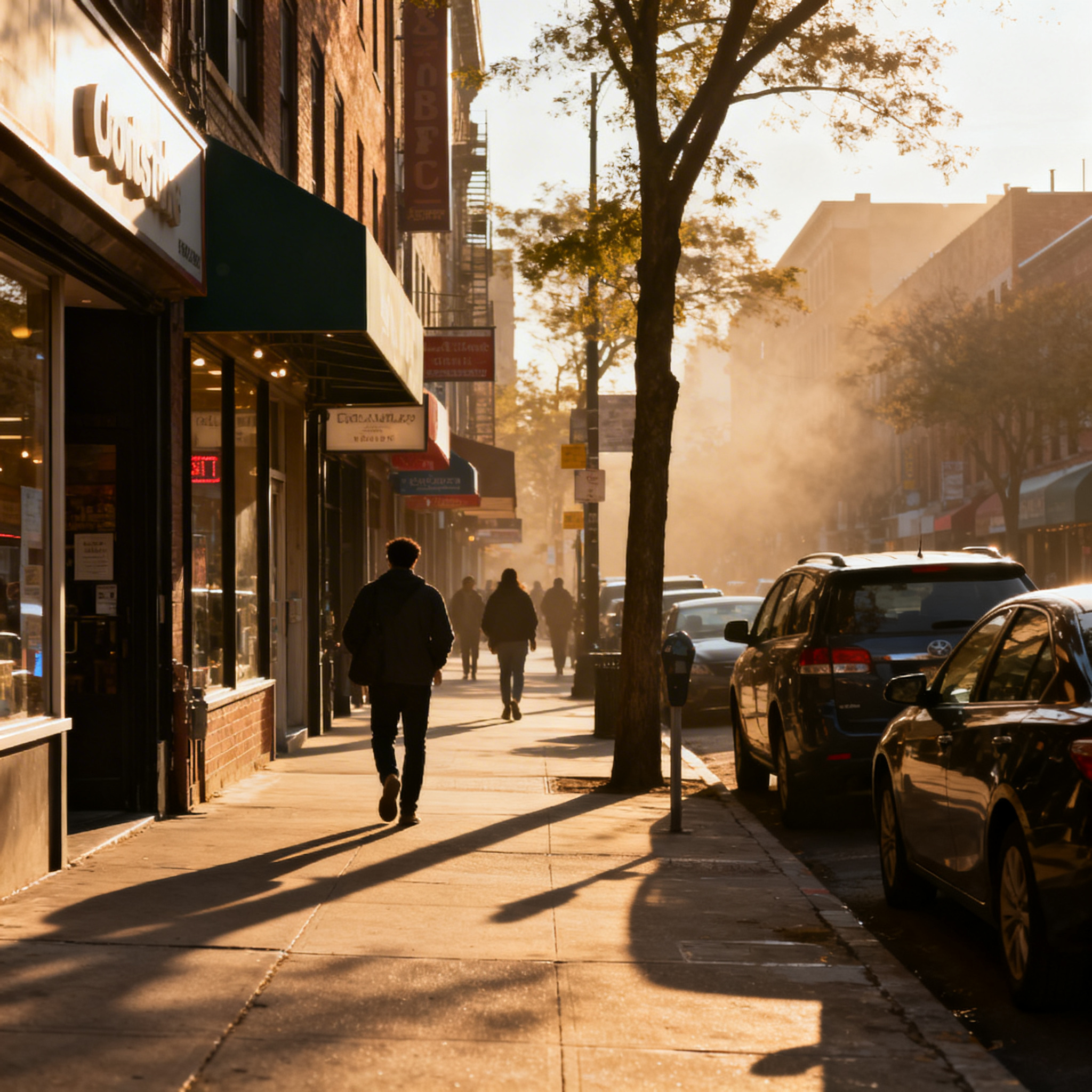
Street photography is one of the most accessible yet challenging forms of photography. It requires you to capture authentic moments of everyday life while navigating technical settings, legal considerations, and the art of being invisible. Whether you’re drawn to the bustling energy of city streets or the quiet moments in small towns, this comprehensive guide will help you master the fundamentals and develop your unique street photography style.
Understanding Street Photography
Street photography is about documenting life as it happens in public spaces. Unlike portrait or landscape photography, street photography focuses on candid moments that tell stories about human behavior, culture, and society. The best street photographs capture emotion, interaction, and the essence of a place in time.
The key to successful street photography lies in observation, patience, and quick reflexes. You’ll need to develop an eye for interesting compositions while being ready to capture fleeting moments that may never happen again.
Essential Equipment for Street Photography
Camera Selection
While you can practice street photography with any camera, including smartphones, having the right equipment can significantly improve your results. The ideal street photography camera should be:
- Compact and lightweight for easy carrying
- Quick to focus and shoot
- Capable of good performance in various lighting conditions
- Relatively quiet to avoid drawing attention
The Sony A7 IV represents an excellent choice for serious street photographers. This full-frame mirrorless camera offers exceptional image quality, fast autofocus, and excellent low-light performance while maintaining a relatively compact form factor.
Sony A7 IV Key Specifications:
| Feature | Specification |
|---|---|
| Sensor | 33MP Full-Frame CMOS |
| Autofocus Points | 759 phase-detection points |
| ISO Range | 100-51,200 (expandable to 204,800) |
| Burst Rate | 10 fps mechanical, 6 fps silent |
| Video | 4K 60p, Full HD 120p |
| Battery Life | 580 shots (LCD), 520 shots (EVF) |
| Weight | 658g (body only) |
Lens Recommendations
Your lens choice dramatically impacts your street photography style:
35mm lens: Offers a natural field of view similar to human vision, perfect for environmental shots that include context around your subjects.
50mm lens: Provides a slightly tighter perspective, ideal for isolating subjects while maintaining a natural look.
85mm lens: Allows you to photograph people from a distance, creating beautiful bokeh and compression effects.
Many street photographers prefer prime lenses over zooms because they’re typically faster, smaller, and force you to think more carefully about composition by “zooming with your feet.”
Camera Settings for Street Photography
Shooting Modes
Aperture Priority Mode (A/Av) is often the best choice for street photography because it gives you control over depth of field while allowing the camera to adjust shutter speed automatically.
Manual Mode works well in consistent lighting conditions where you can set your exposure once and focus entirely on composition and timing.
Recommended Settings
Aperture:
- f/5.6 to f/8 provides good sharpness across the frame with sufficient depth of field
- f/2.8 to f/4 for isolating subjects or in low light
- f/8 to f/11 when you want maximum sharpness and deep depth of field
ISO:
- Use the lowest ISO possible for your lighting conditions
- Modern cameras like the Sony A7 IV perform well up to ISO 6400
- Don’t be afraid to push ISO higher if it means capturing the moment
Shutter Speed:
- Minimum 1/125s for static subjects
- 1/250s or faster for moving subjects
- Consider intentional motion blur at slower speeds for creative effect
Focus Settings:
- Single-point autofocus for precise control
- Continuous autofocus (AF-C/AI Servo) for moving subjects
- Back-button focus for greater control over when the camera focuses
Zone Focusing Technique
Zone focusing is a classic street photography technique where you set your lens to a specific distance and aperture combination that keeps a range of distances in sharp focus. This allows you to shoot quickly without waiting for autofocus.
Steps to set up zone focusing:
- Set your aperture to f/8 or f/11
- Focus on a distance about 10-15 feet away
- Check your depth of field scale or use a hyperfocal distance app
- Everything from about 7 feet to infinity should be in acceptable focus
- Switch your lens to manual focus to lock this setting
Composition Techniques for Street Photography
Rule of Thirds and Beyond
While the rule of thirds provides a good starting point, street photography often benefits from more dynamic compositions:
Leading Lines: Use architectural elements, shadows, or street features to guide the viewer’s eye toward your subject.
Framing: Look for natural frames like doorways, windows, or architectural elements that create a border around your subject.
Layering: Create depth by including foreground, middle ground, and background elements that tell a complete story.
Patterns and Repetition: Find repeating elements and look for ways to break the pattern with a human subject.
Working with Light
Golden Hour: The hour after sunrise and before sunset provides warm, soft light that’s flattering for street portraits.
Blue Hour: The period just after sunset offers beautiful even lighting with colorful skies.
Harsh Midday Sun: Don’t avoid bright sunlight—use it creatively to create dramatic shadows and high-contrast scenes.
Artificial Light: Neon signs, street lamps, and shop windows can create mood and atmosphere in evening shots.
Approaching and Photographing People
Building Confidence
Start by photographing from a distance using a longer lens, then gradually work closer as you become more comfortable. Practice in busy areas where cameras are common, such as tourist districts or markets.
Candid vs. Posed Shots
Candid Photography:
- Use a longer lens to maintain distance
- Wait patiently for natural moments
- Shoot quickly and move on
- Consider the ethical implications of photographing without permission
Environmental Portraits:
- Approach people politely and ask permission
- Explain your project or interest in photography
- Take several shots and show them the results
- Always respect a “no” answer gracefully
Reading Body Language and Anticipation
Develop your ability to predict moments before they happen:
- Watch for approaching interactions between people
- Notice patterns in pedestrian traffic
- Observe how light changes throughout the day
- Study facial expressions and gestures
Legal and Ethical Considerations
Know Your Rights
In most countries, you have the legal right to photograph in public spaces, but laws vary by location. Research local regulations before traveling, and be especially careful around:
- Government buildings and security installations
- Private property with public access (malls, restaurants)
- Events with restricted photography
- Areas with cultural or religious sensitivity
Ethical Guidelines
Respect Privacy: Even if legally permissible, consider whether photographing someone serves your artistic vision or merely exploits their situation.
Vulnerable Populations: Be especially thoughtful when photographing children, homeless individuals, or people in distress.
Cultural Sensitivity: Research local customs and dress codes, particularly in religious or traditional areas.
Share Benefits: If you profit from images of recognizable people, consider sharing benefits with your subjects.
Post-Processing Tips for Street Photography
Maintain Authenticity
Street photography should reflect reality, so avoid over-processing that makes images look artificial:
Basic Adjustments:
- Correct exposure and contrast
- Adjust highlights and shadows
- Fine-tune white balance
- Apply gentle saturation or vibrance adjustments
Black and White Conversion:
- Many street photographs work well in monochrome
- Focus on contrast, texture, and emotional impact
- Use tools like Silver Efex Pro or Lightroom’s B&W panel
Crop Thoughtfully:
- Maintain the original aspect ratio when possible
- Use cropping to improve composition, not to fix fundamental problems
- Consider how cropping affects the story your image tells
Building Your Street Photography Skills
Practice Exercises
The One-Block Challenge: Spend an entire day photographing within a single city block. This forces you to see more deeply rather than constantly seeking new locations.
Single Lens Day: Use only one focal length for an entire shoot to better understand how that lens sees the world.
Color Studies: Dedicate sessions to photographing specific colors or color combinations throughout your city.
Time-Based Projects: Return to the same location at different times to document how it changes throughout the day or across seasons.
Study the Masters
Research influential street photographers to understand different approaches:
- Henri Cartier-Bresson: Master of the decisive moment
- Vivian Maier: Intimate portraits of everyday life
- Bruce Gilden: Close-up, high-energy street photography
- Alex Webb: Complex, layered compositions
Join Communities and Get Feedback
Participate in online forums, local photography groups, or social media communities dedicated to street photography. Constructive criticism from other photographers can accelerate your learning process.
Common Mistakes to Avoid
Technical Mistakes
Forgetting to Check Settings: Always review your camera settings when moving between different lighting conditions.
Over-Reliance on Post-Processing: Get your exposure and composition right in-camera rather than trying to fix everything later.
Ignoring Backgrounds: Pay attention to what’s behind your subject—cluttered or distracting backgrounds can ruin otherwise good shots.
Creative Mistakes
Photographing Everything: Be selective and wait for meaningful moments rather than shooting continuously.
Lack of Purpose: Develop a point of view or theme for your work rather than randomly documenting everything you see.
Playing it Too Safe: Take creative risks with unusual angles, lighting, or subject matter.
Conclusion
Street photography is a journey of continuous learning and observation. Success comes from combining technical proficiency with artistic vision and cultural sensitivity. Start with the basics—master your camera settings, understand composition principles, and develop your eye for interesting moments.
The Sony A7 IV provides an excellent platform for serious street photography with its combination of image quality, portability, and performance. However, remember that great street photography is more about seeing and timing than having expensive equipment.
Practice regularly, study the work of established photographers, and most importantly, develop your unique perspective on the world around you. Street photography offers endless opportunities to document the human experience—embrace the challenge and enjoy the process of discovering extraordinary moments in ordinary places.
Start small, be patient with yourself, and remember that every accomplished street photographer was once a beginner standing on a corner with a camera, wondering what to shoot next. Your journey in street photography begins with that first step onto the street, camera in hand, ready to see the world through a new lens.
Related Tags
Looking for the Best Camera Deals?
Check out our latest buying guides and comparison articles to find the perfect camera for your needs.
Browse Buying Guides