
Tamron 70-180mm f/2.8 Review: Compact Telephoto Excellence
A Tamron 70-180mm f/2.8 Di III VXD review covering sharpness, autofocus speed, and build quality for Sony E-mount shooters who want a compact telephoto zoom.
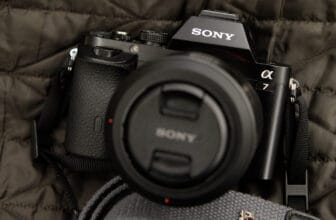
The Tamron 70-180mm f/2.8 Di III VXD (model A056) proves you don’t need a massive 70-200mm to get professional telephoto results on a Sony E-mount full-frame body. Released in 2020, it was the first third-party 70-200mm-class f/2.8 zoom for Sony mirrorless cameras, and it remains one of the lightest options in the category years later.
Key Specifications
| Spec | Value |
|---|---|
| Focal Length | 70-180mm |
| Aperture | f/2.8 constant |
| Elements | 19 in 14 groups |
| Aperture Blades | 9 (circular) |
| Min Focus Distance | 0.85m (full zoom range) |
| Max Magnification | 1:4.6 |
| Weight | 810g |
| Length | 149mm |
| Filter | 67mm |
| Mount | Sony E |
| Image Stabilization | None (relies on in-body IS) |
These figures come from Tamron’s published spec sheet for the A056, not estimates, so you can compare them directly against other 70-200mm-class lenses when shopping.
Why 70-180mm Instead of 70-200mm?
Tamron’s decision to trade 20mm of reach for size and weight savings is the defining feature of this lens:
- 810g vs. roughly 1,500g for a typical full-frame 70-200mm f/2.8 — nearly half the weight, which matters on long hikes, travel days, or wedding shoots where you’re carrying a lens for hours.
- 67mm filters — the same size Tamron uses across its other full-frame mirrorless primes and zooms (17-28mm f/2.8, 28-75mm f/2.8), so one set of ND and polarizing filters covers the whole kit.
- 149mm length at 70mm, extending only modestly at 180mm — compact enough to fit in bags that a full 70-200mm won’t.
- $1,199 launch price — roughly half of Sony’s own FE 70-200mm f/2.8 GM II, which is a meaningful difference for enthusiasts and working photographers buying their own gear.
The tradeoff is simple: you lose the last 20mm of reach that wildlife and distant sports shooters sometimes want, but for portraits, events, travel, and general telephoto work, 180mm covers the vast majority of real shooting situations.
Optical Performance
Sharpness
The 19-element, 14-group optical design (including specialized low-dispersion elements) delivers excellent sharpness across the frame, including at f/2.8 wide open. Corner performance holds up well at both ends of the zoom range, which isn’t always true of compact telephoto designs.
Bokeh
The 9-blade circular aperture produces smooth background blur that’s genuinely pleasing for a zoom lens. Dedicated 70-200mm f/2.8 primes from Sony and Canon still have a slight edge in subject separation and bokeh roundness toward the corners, but the difference is subtle in real-world portrait and event work.
Autofocus
Tamron’s VXD (Voice-coil eXtreme-torque Drive) linear motor focus system is fast and essentially silent, which makes it well suited to both stills and video work, including run-and-gun documentary and event shooting where audible focus motors are a problem.
Close-Focus Performance
A minimum focus distance of 0.85m across the entire zoom range (max magnification 1:4.6) gives this lens more close-up flexibility than most 70-200mm-class zooms, which is useful for product detail shots and tighter portrait crops without needing extension tubes.
How It Compares to Full-Frame 70-200mm Zooms
Against Sony’s own FE 70-200mm f/2.8 GM II (1,045g, around $2,800) and Tamron’s own newer 70-180mm G2 (855g, with added optical stabilization), the original A056 still carves out a clear niche: it’s the lightest and least expensive way to get a constant f/2.8 telephoto zoom on a Sony full-frame body. The newer G2 version adds Vibration Compensation and a slightly longer close-focus range at the wide end, at the cost of 45g more weight and a higher price — worth considering if in-lens stabilization matters to your shooting style, but not a requirement for most users since Sony’s in-body stabilization already covers most handheld scenarios.
Frequently Asked Questions
Does the Tamron 70-180mm have image stabilization? No. It relies entirely on the in-body stabilization of the Sony camera it’s mounted on. Nearly all current Sony full-frame mirrorless bodies include capable in-body stabilization, so this is rarely a practical limitation.
Is 180mm enough reach compared to a 200mm lens? For portraits, events, travel, and general telephoto work, yes — the difference between 180mm and 200mm is a minor framing adjustment, not a meaningful change in what you can shoot. Wildlife and distant sports photographers who regularly need maximum reach are the main group who will miss the extra 20mm.
Does it work well for video? Yes. The VXD linear motor autofocus is fast and essentially silent, which avoids the audible focus-motor noise that can ruin otherwise-clean audio on lenses with older focus mechanisms.
Who This Lens Is For
- Travel and event photographers who need telephoto reach without the bulk of a traditional 70-200mm.
- Portrait photographers on a budget who want f/2.8 constant aperture and strong subject separation without paying for a full-frame 70-200mm GM.
- Hybrid photo/video shooters who benefit from the quiet, fast VXD autofocus motor.
It’s a weaker fit for wildlife or sports shooters who routinely need the extra 20mm of reach a 70-200mm provides, or anyone who wants built-in optical stabilization (this lens relies entirely on in-body stabilization in the camera).
Verdict
Rating: 9.0/10
For Sony E-mount shooters who value portability over the last 20mm of reach, the Tamron 70-180mm f/2.8 remains one of the best value telephoto zooms available — sharp, fast-focusing, and dramatically lighter and cheaper than the full-frame alternatives it competes with.
Price: $1,199 | Check current price on Amazon
Specifications sourced from Tamron’s official A056 spec sheet. This post contains affiliate links — see our affiliate disclosure for details.
Related Tags
Looking for the Best Camera Deals?
Check out our latest buying guides and comparison articles to find the perfect camera for your needs.
Browse Buying GuidesGet the free cheat sheet + live, verified, date-stamped deals every week. No spam, unsubscribe anytime.