
Wildlife Photography Tutorial: Complete Step-by-Step Guide
Master wildlife photography with our comprehensive step-by-step tutorial. Learn camera settings, techniques, and pro tips to capture stunning animal photos.
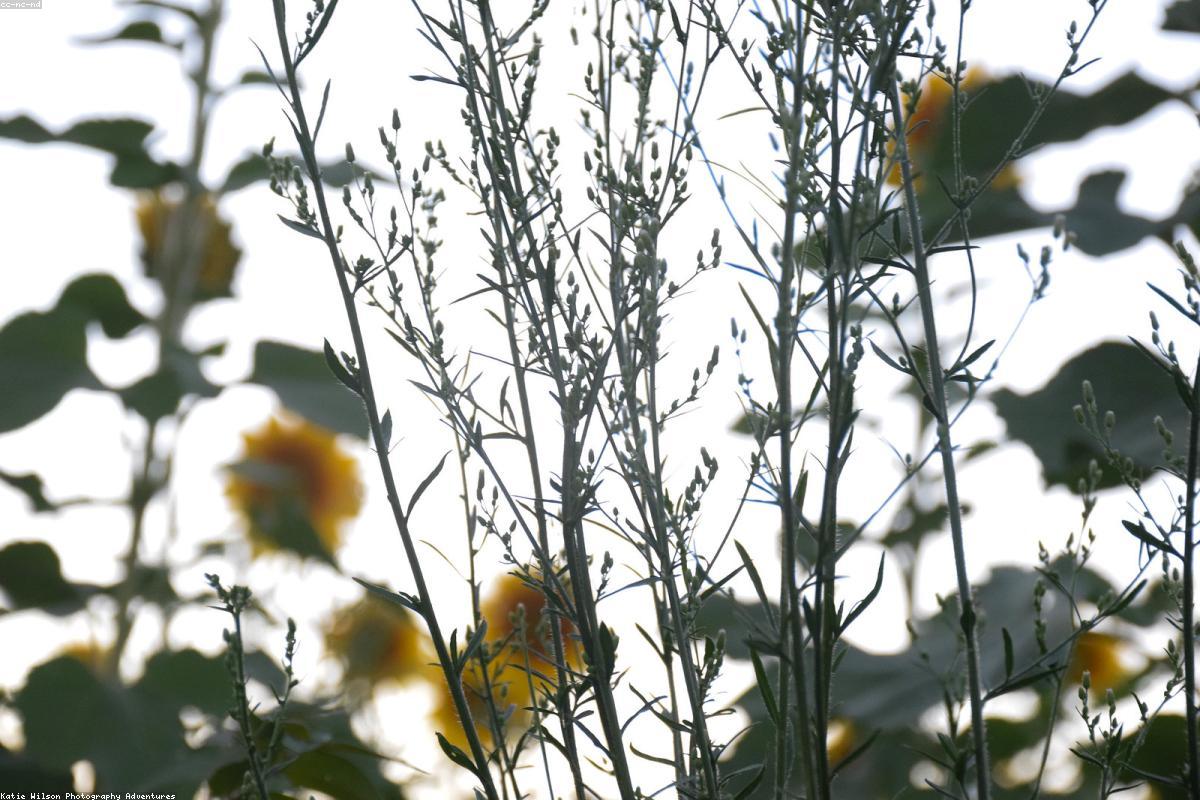
Wildlife photography is one of the most rewarding yet challenging genres of photography. It combines technical skill, patience, and a deep understanding of animal behavior to create stunning images that tell compelling stories about the natural world. Whether you’re a beginner picking up your first camera or an experienced photographer looking to expand into wildlife photography, this comprehensive tutorial will guide you through every aspect of capturing incredible wildlife shots.
Essential Wildlife Photography Equipment
Camera Bodies
Your camera body is the foundation of your wildlife photography setup. While you can capture decent wildlife images with entry-level cameras, investing in a quality body will significantly improve your results.
The Sony A7 IV is an excellent choice for wildlife photographers who want professional-level performance. This mirrorless camera offers exceptional image quality, fast autofocus, and excellent low-light performance.
| Specification | Sony A7 IV |
|---|---|
| Sensor | 33MP Full-Frame CMOS |
| ISO Range | 100-51,200 (expandable to 204,800) |
| Autofocus Points | 759 phase-detection points |
| Continuous Shooting | Up to 10 fps |
| Video | 4K 60p recording |
| Battery Life | Approximately 520 shots |
Lenses for Wildlife Photography
Long telephoto lenses are essential for wildlife photography. They allow you to maintain a safe distance from animals while still filling the frame with your subject. Consider these focal length ranges:
- 300-400mm: Great for larger animals and closer encounters
- 500-600mm: Ideal for most wildlife situations
- 800mm+: Perfect for small birds and distant subjects
Supporting Equipment
Tripods and Monopods: Essential for stabilizing heavy telephoto lenses, especially in low light conditions. Carbon fiber options offer the best strength-to-weight ratio.
Camera Straps: A quality camera strap or harness system helps distribute weight and prevents fatigue during long shooting sessions.
Memory Cards and Batteries: Always carry extras. Wildlife photography often involves long days in the field where charging isn’t possible.
Camera Settings for Wildlife Photography
Shooting Modes
Aperture Priority Mode (A/Av): This mode gives you control over depth of field while the camera selects the appropriate shutter speed. It’s ideal when lighting conditions are relatively stable.
Manual Mode: Use manual mode when lighting is consistent and predictable, such as during golden hour sessions or when using flash.
Shutter Priority Mode (S/Tv): Perfect when you need to ensure a specific shutter speed for freezing motion or creating intentional blur.
Autofocus Settings
Single-Point AF: Provides precise control over focus placement, ideal for stationary subjects or when you have time to carefully compose.
Zone AF: Groups several focus points together, offering a balance between precision and flexibility for moving subjects.
Wide-Area AF: Uses all available focus points, best for erratically moving subjects like birds in flight.
Continuous AF (AI Servo/AF-C): Essential for moving subjects, this mode continuously adjusts focus as your subject moves.
Exposure Settings
ISO Settings: Modern cameras handle high ISO values remarkably well. Don’t be afraid to use ISO 1600-3200 for wildlife photography, especially when you need faster shutter speeds.
Aperture Considerations: While wide apertures (f/2.8-f/4) provide excellent subject separation, sometimes stopping down to f/5.6-f/8 ensures critical parts of your subject are sharp.
Shutter Speed Guidelines:
- Birds in flight: 1/2000s or faster
- Running mammals: 1/1000s-1/2000s
- Walking animals: 1/500s-1/1000s
- Stationary subjects: 1/focal length rule
Step-by-Step Wildlife Photography Process
Step 1: Research and Planning
Before heading into the field, invest time in research. Understanding your target species’ behavior, habitat preferences, and daily routines dramatically increases your success rate.
Behavioral Research: Learn when animals are most active, their feeding patterns, and seasonal behaviors. Many animals are most active during dawn and dusk hours.
Location Scouting: Visit potential shooting locations during different times of day. Note lighting conditions, backgrounds, and animal movement patterns.
Weather Considerations: Check weather forecasts and understand how different conditions affect animal behavior. Overcast days often provide excellent, even lighting for wildlife photography.
Step 2: Field Preparation
Gear Check: Ensure all batteries are charged, memory cards are formatted, and lenses are clean. Pack backup equipment when possible.
Camouflage and Clothing: Wear earth-tone colors and avoid bright, contrasting clothing. Move slowly and deliberately to avoid startling wildlife.
Safety Preparations: Inform someone of your plans, carry emergency supplies, and research any potential hazards in your shooting location.
Step 3: Locating Wildlife
Patience is Key: Wildlife photography requires significant patience. Arrive early and be prepared to wait for the right opportunities.
Use Your Ears: Often, you’ll hear animals before seeing them. Learn to identify different bird calls and animal sounds.
Look for Signs: Animal tracks, droppings, feeding signs, and worn trails indicate wildlife activity areas.
Step 4: Approaching Your Subject
Maintain Safe Distances: Use appropriate focal lengths to avoid disturbing animals. Never approach closer than recommended safe distances.
Move Slowly: Sudden movements startle wildlife. Move deliberately and pause frequently to assess animal comfort levels.
Use Natural Blinds: Position yourself behind trees, rocks, or other natural features to remain concealed.
Step 5: Composing Your Shot
Focus on the Eyes: Sharp eyes are crucial in wildlife photography. If the eyes aren’t sharp, the entire image feels out of focus.
Consider Background: Look for clean, uncluttered backgrounds that don’t distract from your subject. Shooting with wide apertures helps blur distracting elements.
Fill the Frame: Get as close as safely possible (using appropriate focal lengths) to create impactful images with strong subject presence.
Rule of Thirds: Position your subject’s eye along rule-of-thirds lines for more dynamic compositions.
Step 6: Capturing the Image
Burst Mode: Use continuous shooting modes to capture sequences of behavior and increase your chances of getting the perfect moment.
Focus Tracking: Engage continuous autofocus and use back-button focus techniques for better control over focus acquisition.
Exposure Monitoring: Watch your histogram to ensure proper exposure. Wildlife often has extreme contrast between dark and light areas.
Advanced Wildlife Photography Techniques
Behavioral Photography
Moving beyond simple portraits, behavioral photography captures animals engaged in natural activities. This requires deeper understanding of animal behavior and often longer observation periods.
Feeding Behaviors: Capture animals hunting, foraging, or feeding. These images tell stories about survival and natural processes.
Social Interactions: Document mating displays, parental care, or territorial disputes. These moments require patience but create compelling images.
Environmental Context: Show animals in their habitats, illustrating the relationship between species and their environments.
Low Light Photography
Wildlife activity often peaks during dawn and dusk when lighting is challenging but atmospheric.
High ISO Performance: Modern cameras excel at high ISO values. Embrace grain when necessary to capture fleeting moments.
Image Stabilization: Use in-body or lens stabilization to achieve sharp images at slower shutter speeds.
Flash Techniques: Learn to use flash subtly to add catchlight to eyes or fill in shadows without creating unnatural lighting.
Flight Photography
Photographing birds in flight represents one of wildlife photography’s greatest challenges.
Predictive Focus: Anticipate flight paths and pre-focus on areas where birds are likely to fly.
Panning Techniques: Follow flying subjects smoothly, maintaining consistent camera movement throughout the exposure.
Burst Shooting: Use maximum frame rates to capture the perfect wing position and expression.
Post-Processing Wildlife Images
RAW Processing Basics
Always shoot in RAW format for maximum post-processing flexibility. Wildlife images often require exposure adjustments, shadow/highlight recovery, and noise reduction.
Exposure Adjustments: Fine-tune exposure to bring out detail in both shadows and highlights.
Noise Reduction: Apply appropriate noise reduction for high-ISO images while preserving important detail.
Sharpening: Use output sharpening appropriate for your intended use (web, print, etc.).
Ethical Editing Considerations
Wildlife photography has strict ethical standards regarding post-processing manipulation.
Acceptable Adjustments: Basic exposure, contrast, and color corrections are generally acceptable.
Prohibited Manipulations: Adding or removing significant elements, excessive manipulation that misrepresents reality, or combining multiple images to create false scenarios.
Safety and Ethical Considerations
Wildlife Safety
Maintain Appropriate Distances: Research recommended distances for different species. Large mammals, birds of prey, and venomous species require particular caution.
Understand Animal Warning Signs: Learn to recognize stress signals in wildlife and retreat immediately when animals show discomfort.
Seasonal Considerations: Avoid disturbing animals during sensitive periods like nesting, mating, or with young offspring.
Photographer Safety
Field Safety Planning: Inform others of your plans, carry emergency communication devices, and understand potential hazards in your shooting locations.
Weather Preparedness: Dress appropriately for conditions and carry emergency shelter/warmth.
Equipment Security: Use proper straps and supports to prevent expensive equipment from falling or being damaged.
Environmental Ethics
Leave No Trace: Practice minimal impact photography. Don’t disturb habitats or leave any evidence of your presence.
Respect Protected Areas: Follow all regulations in parks, preserves, and protected areas.
Support Conservation: Consider how your photography can support conservation efforts through education and awareness.
Common Wildlife Photography Challenges and Solutions
Challenge: Blurry Images
Solutions:
- Use faster shutter speeds
- Improve camera support techniques
- Check autofocus settings and modes
- Practice proper hand-holding techniques
Challenge: Poor Lighting
Solutions:
- Plan shoots during golden hour
- Use reflectors to fill shadows
- Embrace overcast conditions for even lighting
- Learn flash techniques for fill lighting
Challenge: Distant Subjects
Solutions:
- Invest in longer focal length lenses
- Use teleconverters to extend reach
- Practice patience and wait for closer approaches
- Focus on composition and behavior rather than frame-filling shots
Challenge: Fast-Moving Subjects
Solutions:
- Use continuous autofocus modes
- Practice panning techniques
- Increase ISO for faster shutter speeds
- Anticipate movement patterns
Building Your Wildlife Photography Skills
Practice Opportunities
Local Wildlife: Start with easily accessible subjects like backyard birds, urban wildlife, or local parks.
Zoos and Wildlife Centers: While not wild, these locations offer excellent opportunities to practice techniques and learn animal behavior.
Photography Workshops: Consider joining workshops led by experienced wildlife photographers to learn advanced techniques and locations.
Developing Patience and Persistence
Wildlife photography rewards patience more than almost any other genre. Develop realistic expectations and celebrate small victories while working toward more ambitious goals.
Set Realistic Goals: Start with common, accessible species before attempting rare or difficult subjects.
Learn from Failures: Analyze unsuccessful sessions to identify areas for improvement.
Build Gradually: Develop skills progressively rather than attempting the most challenging subjects immediately.
Conclusion
Wildlife photography offers an incredible opportunity to combine technical photography skills with a deep appreciation for the natural world. Success requires patience, dedication, and continuous learning, but the rewards are immeasurable.
Start with quality equipment like the Sony A7 IV paired with appropriate telephoto lenses, but remember that understanding animal behavior and developing field skills are equally important. Practice regularly, start with accessible subjects, and gradually build your skills and equipment collection.
Most importantly, always prioritize animal welfare and environmental conservation over getting the perfect shot. The best wildlife photographers are also passionate conservationists who use their images to inspire others to protect and appreciate the natural world.
Remember that every expert wildlife photographer started as a beginner. With dedication, practice, and respect for wildlife, you can develop the skills needed to create compelling wildlife images that not only satisfy your artistic vision but also contribute to wildlife conservation efforts through education and awareness.
Related Tags
Looking for the Best Camera Deals?
Check out our latest buying guides and comparison articles to find the perfect camera for your needs.
Browse Buying Guides